





 Portuguese
  English
  Spanish
  3 min of reading
  1 comment


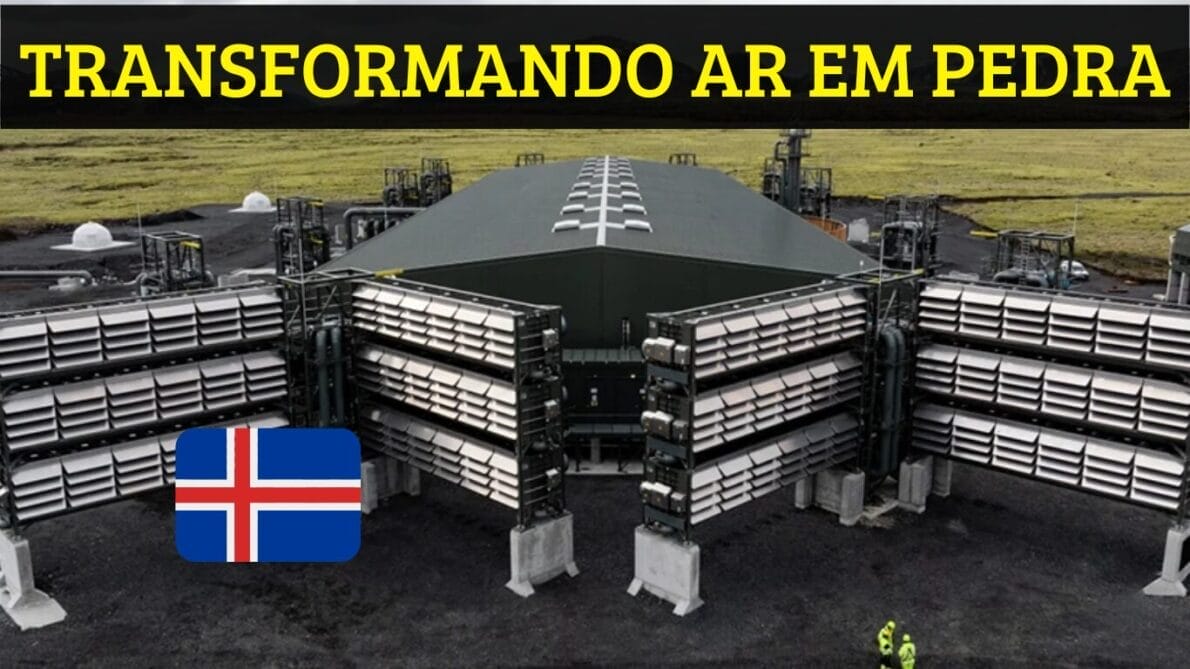

See Everything About the CO2 Capture Plants Orca and Mammoth and the Mega Sustainability Project in Iceland!
Located in Iceland, the innovative plant Orca is the world’s first to operate at an industrial scale to capture carbon dioxide directly from the atmosphere and safely store it underground. This measure is a bold bet in the fight against global warming, according to poder360.
To tackle the growing challenge of global warming, the Swiss company Climeworks developed pioneering technology: the Orca plant, located in Hellisheiði, Iceland. Operating since September 2021, this plant captures carbon dioxide (CO₂) from the air and stores it in the ground, significantly contributing to the reduction of greenhouse gas emissions. The current capacity of Orca is to remove 4,000 tons of CO₂ from the atmosphere per year, equivalent to the emissions from 900 gasoline-powered cars.
The Expansion of CO2 Capture in Iceland
On May 8, 2024, Climeworks took an even bigger step by inaugurating a second facility called Mammoth, near the capital Reykjavik. Ten times larger than Orca, Mammoth is capable of capturing 36,000 tons of CO₂ per year. With this expansion, the company aims to eliminate millions of tons of carbon dioxide from the atmosphere by 2030. According to the International Energy Agency (IEA), global CO₂ emissions reached 37.4 gigatons in 2023.
-
A “silent skill” is allowing Brazilians to earn up to R$ 22,000 per month without a degree and become indispensable for companies that rely on millions of data to survive.

-
Researchers at the Toyota Research Institute found that if a human uses robotic arms to flip a pancake 300 times in an afternoon, the robot learns to do it on its own the next morning, and this is currently the most promising method to solve the biggest bottleneck in modern robotics.

-
Goodbye iron: a common item in households is starting to lose space to technology that smooths clothes in minutes without an ironing board and with less energy consumption.

-
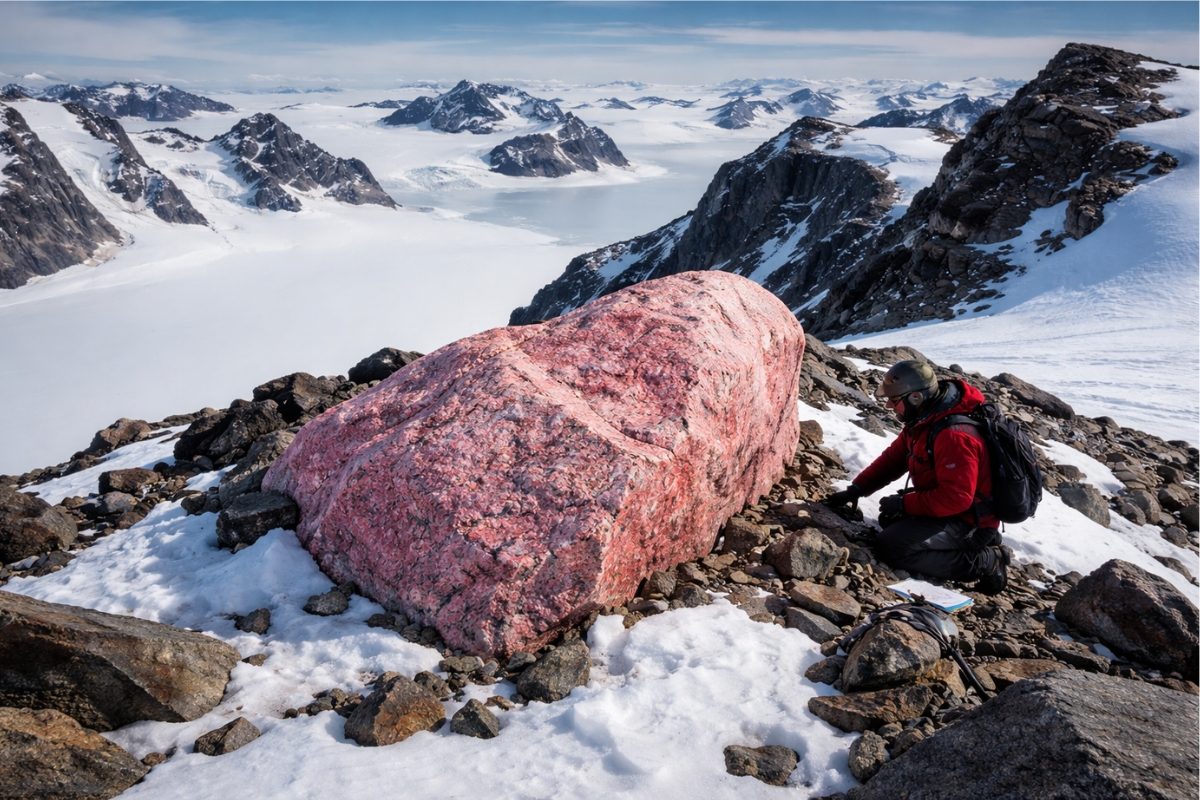
Antarctica reveals an unusual clue high in the Hudson Mountains, and what appeared to be just an isolated rock began to expose a secret hidden under the ice for ages.

How CO2 Capture Works
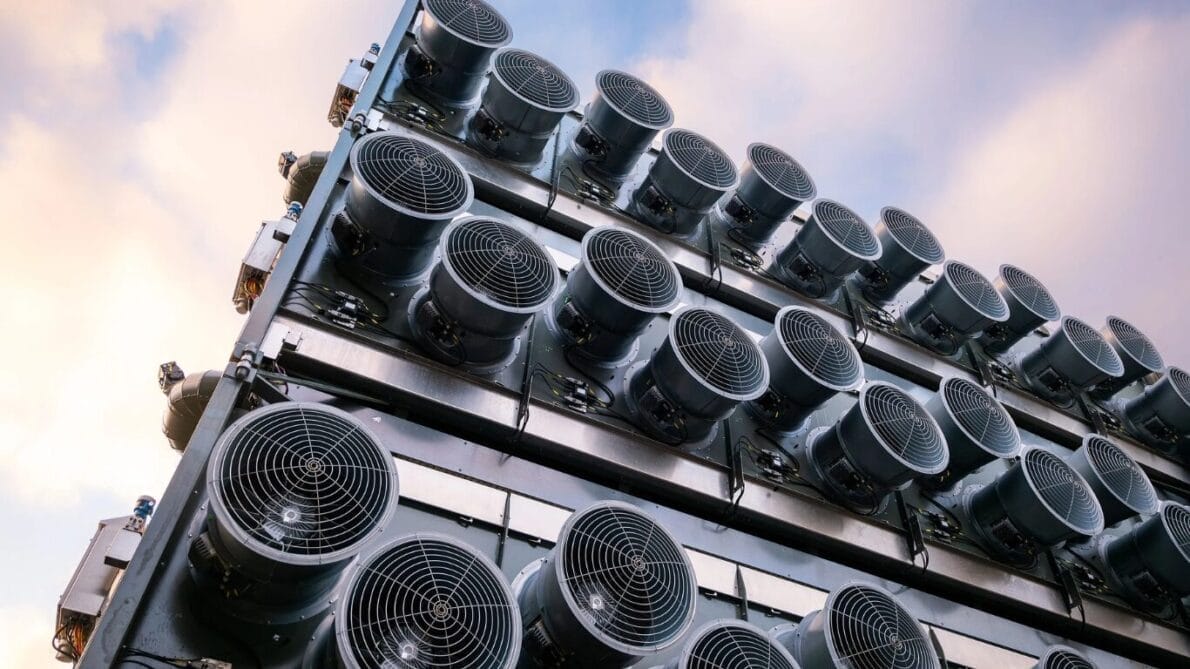
Pedro Luiz Gomes Martins, a geoscience researcher at the University of Brasília (UnB), explains that there are several technologies for capturing CO₂ from the atmosphere. “The main technologies include post-combustion capture, pre-combustion capture, and direct air capture. At Climeworks, they use direct air capture, followed by storage in suitable geological formations underground, such as basalt in Iceland, where CO₂ can be stored for up to 10,000 years”, details Martins. Carbon dioxide is injected at high pressure and temperature, reacting with minerals to form stable carbonates over time.
Iceland is an ideal location for this type of technology due to its volcanic activity, which provides clean geothermal energy and perfect basalt formations for CO₂ storage. Another company, CarbFix, is responsible for storing the gas underground, ensuring safety and continuous monitoring to prevent leaks.
Global Potential and Economic Viability
In addition to Iceland, other countries such as Norway, Japan, the United States, Australia, and Canada have favorable geological conditions for implementing carbon capture and storage (CCS) plants. “These countries have basalt formations and geothermal resources that could support similar projects”, comments Martins. He also emphasizes that the economic viability of CCS depends on government policies and financial incentives to reduce the high costs of capturing, transporting, and storing CO₂.
Edda Aradóttir, a representative of CarbFix, stated that the goal is for large CO₂-emitting industries to hire the company’s services to deposit their emissions in Iceland. However, despite the proven technical capacity, there are still challenges to overcome, such as reducing costs and selecting appropriate storage sites.
Possibilities for Brazil
Brazil, with its vast areas of basalt rock, especially in the South region, also shows potential for carbon capture and storage projects. According to a study published in the journal Nature, the Paraná Basin is a promising location for CO₂ mineralization. “With investments in research and development, Brazil can explore this potential and contribute to mitigating climate change”, concludes Martins. Currently, Brazilian federal universities are conducting research to promote the mineralization of CO₂ in the country’s basalt rocks.
The Climeworks initiative in Iceland is just the beginning of a green revolution that could expand globally, helping to combat global warming effectively and innovatively.






Equipamento de impacto ambiental que elimina pó poeira fuligem fumaça não é filtro é usado como chaminé ou em chaminé de indústria mineradora incineradores fábrica de cimento fornos de carvoaria queimadores de carvão mineral locomotiva navios limpa o ar e os resíduos sólidos dos rios Lagos e oceanos evitando doenças causadas por esses poluentes elimina e evita depósito de resíduos urbanos lixão chorume gás metano evitando doença urbana, auxilia na contenção do aumento da camada de ozônio e do aquecimento global a melhor solução em despoluição ambiental, abraço.