





 English
  Francês
  Alemão
  Italiano
  Japonês
  Norueguês
  Portuguese
  Spanish
  3 min of reading


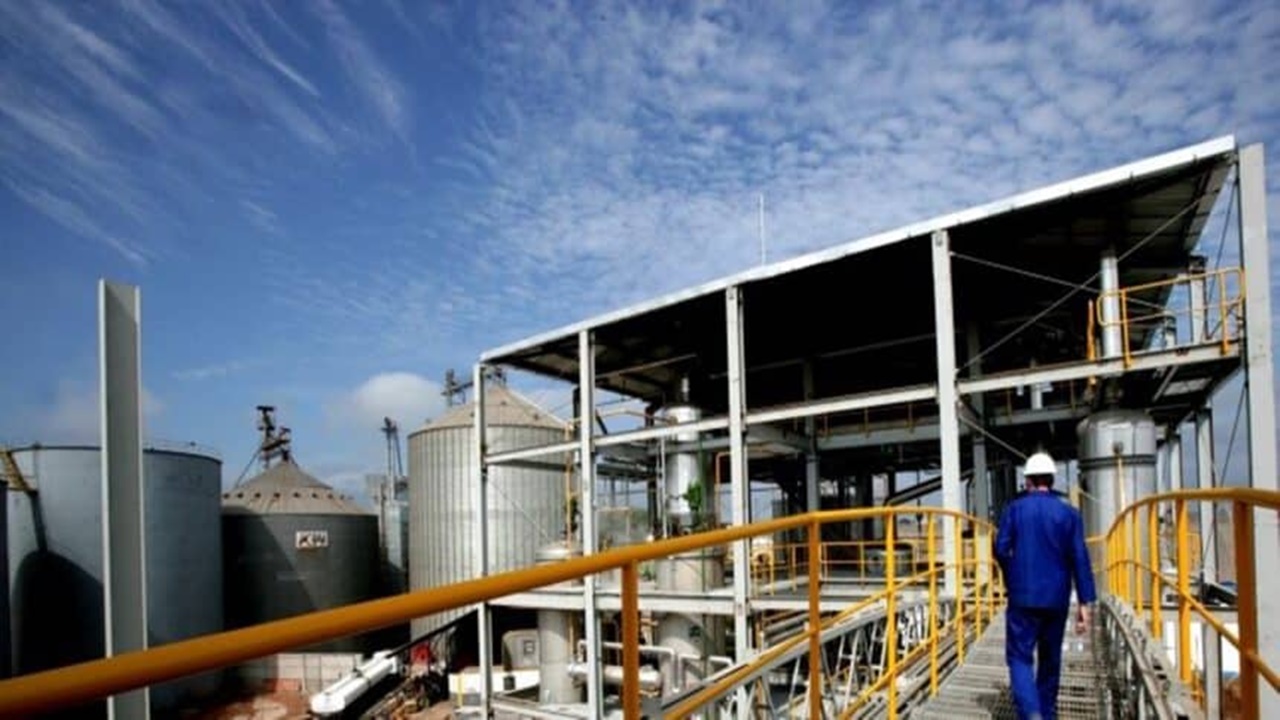
Ethanol Sales by Sugar Mills Directly to Gas Stations May Become the Solution to Contain and Curb the Rise in Gasoline Prices
In an attempt to curb the rise in gasoline and diesel prices at gas stations, the Legislative Decree Project (PDC 916/2018), which deals with the direct sale of ethanol by sugar mills – without passing through distributors, has gained momentum in recent weeks with government support. Ethanol and gasoline prices skyrocket, Petrobras raises CNG by 39%, and the adjustment may further impact the wallets of Brazilians in the coming weeks
Read Also
- After Ford leaves the country and automakers halt vehicle production in 29 factories, Volkswagen and Toyota resume production in Brazil
- Brazil, the world’s leading ethanol producer, may profit from the increase in the ethanol blend in gasoline to 20% adopted by India
- Ethanol price plummets at the mills
- Ethanol price evaporates at the mills, and distributors are burning stock
On the last Tuesday (04/06), the director-general of ANP, Rodolfo Saboia, stated that the creation of the so-called linked distributor – a regulatory alternative to enable the direct sale of ethanol by sugar mills to gas stations, has been delayed due to the Ministry of Economy’s slow response in presenting a tax solution.
He participated in a remote public hearing of the Economic Affairs Committee (CAE), chaired by Senator Otto Alencar (PSD), to discuss the fuel distribution system in Brazil and the existence of a possible cartel in the segment.
-
While Russia dominates the global wheat market, Brazil emerges as an unexpected competitor in the Cerrado, offering grain available in July and August when stocks in the Northern Hemisphere are at their lowest point of the year.

-
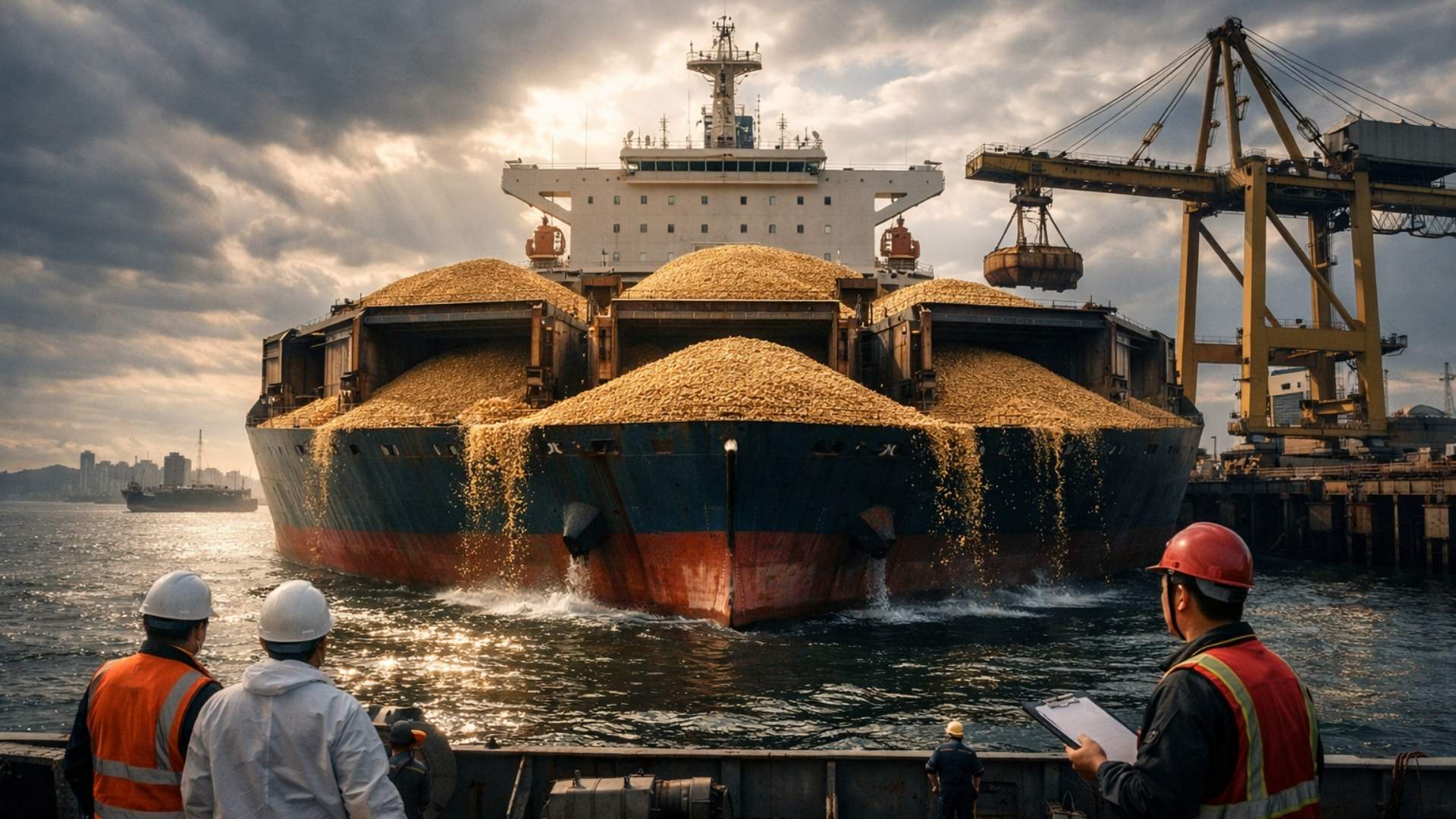
China returned almost 20 Brazilian ships with soybeans, but now everything could change: the country that buys 80% of the grain is considering relaxing regulations after impurities held up shipments of thousands of tons and caused million-dollar losses.
-
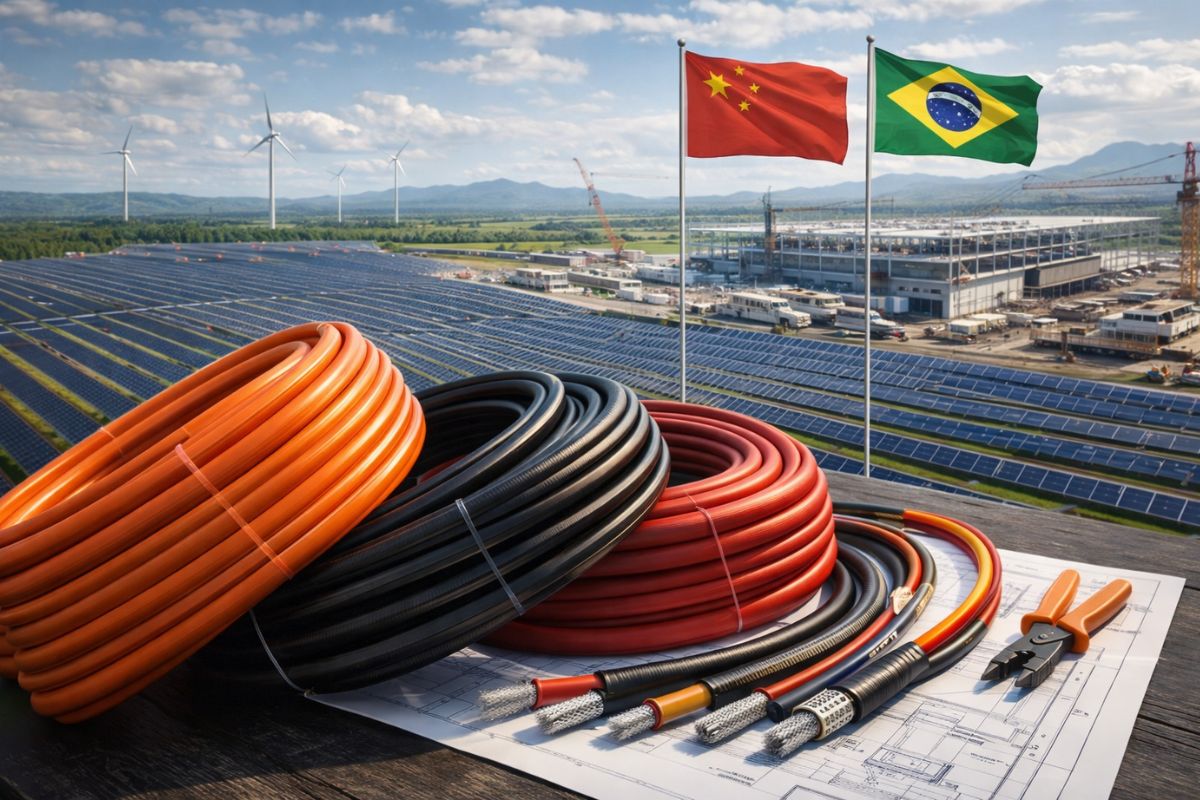
Chinese giant worth nearly R$ 4 billion that manufactures cables for electric cars, solar energy, and robotics wants to open a factory in SC.
-
Many employers do not know, but the law guarantees domestic workers a 25% increase in salary during trips, 50% for overtime, 20% for night shifts, and 17 additional benefits that can lead to labor lawsuits if not paid.

“We hope that this project continues as soon as possible. The CCJ does not analyze the merit but rather the constitutional principles, to verify if it is not harming the nation financially. I believe it will be voted on this month,” says José Ricardo Sévero, technical director of the Federation of Sugarcane Planters of Brazil (Feplana).
“Technically, the ANP supports the direct sale of ethanol. However, it faces some requirements that it must adhere to. Today, it is not possible to implement the direct sale,” Saboia declared. According to the agency’s director-general, a resolution from the National Energy Policy Council (CNPE) establishes that the commercialization of “fuel alcohol” without an intermediary between the producer and the reseller will be regulated by the ANP considering competitive equality in the tax aspect and preserving tax revenue from specific rates.
Direct Ethanol Sales from Mills Will Stimulate Competition with Gasoline
It is still not possible to know exactly how much the direct sale of ethanol would impact the price of the biofuel in Brazil, as there is a lot of dependence on industrial logistics in each state. However, a study by Esalq-Log in 2019 showed that the average transportation cost of ethanol in the state of São Paulo would fall by about 30% with direct sales.
There are also estimates that the concentration of production and distribution margins in the producer and the increased competition among sugar mills and distributors in the fuel supply market could reduce hydrated ethanol prices for the end consumer by up to 20 cents per liter.
“The great gain is the appreciation of renewable fuel. It will be more competitive against fossil fuel, gasoline, and it will be more attractive for consumers to refuel,” points out Sévero.
Raízen of the Shell Group Wants to Build Three Ethanol Production Plants Using Bagasse and Sugarcane Straw
Raízen, the global giant in ethanol production in partnership with Shell, intends to build three more cellulosic ethanol plants — or second-generation plants. The good news was announced by businessman Rubens Ometto, of Cosan, last Monday (15/03)
The technology for producing cellulosic ethanol arose from a partnership between Shell and the Canadian company Logen, specialized in biotechnology. In the previous harvest (2019/20), the Piracicaba unit produced 226 liters of ethanol for each ton of dry biomass.








Seja o primeiro a reagir!