





 English
  Francês
  Alemão
  Italiano
  Japonês
  Norueguês
  Portuguese
  Spanish
  3 min of reading


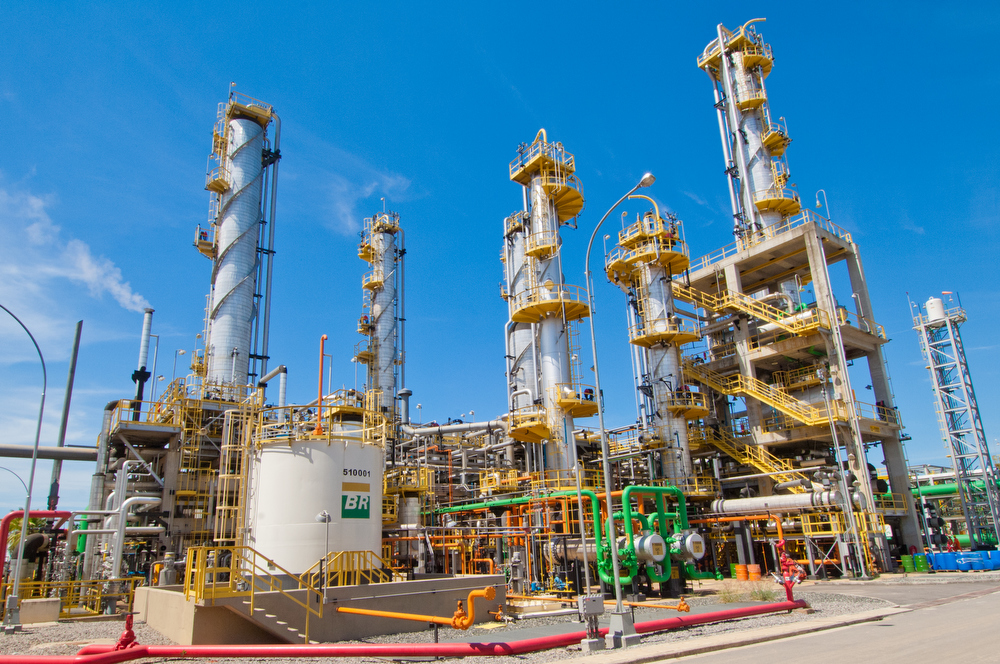
Fernando Borges, Executive Director of Exploration and Production at Petrobras Highlights That the Risk of Interference Is a Factor That Has Delayed the Sale of Refineries
In an interview granted to epbr, the Executive Director of Exploration and Production at Petrobras, Fernando Borges, emphasizes that the risk of interference in fuel prices is a factor that has delayed the sale of Petrobras’s refineries. The executive says that it is necessary to preserve the competitiveness of the oil and gas industry, which involves the freedom in price formation. Also see this news: Petrobras Extends Deadline for Sale of REMAN, LUBNOR, and REFAP Refineries
- Brazil’s Bioenergy, a Giant in Renewable Energy, Is Expected to Be Auctioned Soon Due to High Losses
- Electricity: Company Prepares Prototype of 16-Ton Electric Truck Focused on Urban Work
- Venezuela Faces Battles with United States and Colombia to Recover PDVSA Oil Company’s Bonds and Not Lose Its ‘Golden Goose’
- Thinking of the Environment and the World’s Fauna, Air Products, Manufacturer and Supplier of Industrial Gases, Creates the World’s Largest Green Hydrogen Project
- 1,200 Job Openings and R$ 1.8 Billion in Investments Are Expected in the State of Amazonas
Such Risks Are Hindering the Sale of Petrobras Refineries
Fernando Borges, in addition to advocating for the preservation of the competitiveness of the oil and gas industry, which involves the freedom in price formation, also speaks about the maintenance of the current local content policy and government participation, which includes taxation and royalties based on production value. The executive also mentions that it is one of the risks making it difficult for Petrobras to sell its refineries. This history of interference in Brazil is long and, when there is a change in government, there may be another one that believes the solution is to control prices.
He further states that the market perception is that, in fact, the risk affects the value of refineries. Of the eight units for sale, Petrobras has closed one – RLAM, in Bahia – and decided to restart the bidding for Repar, in Paraná, precisely because the proposals were far below expectations.
-
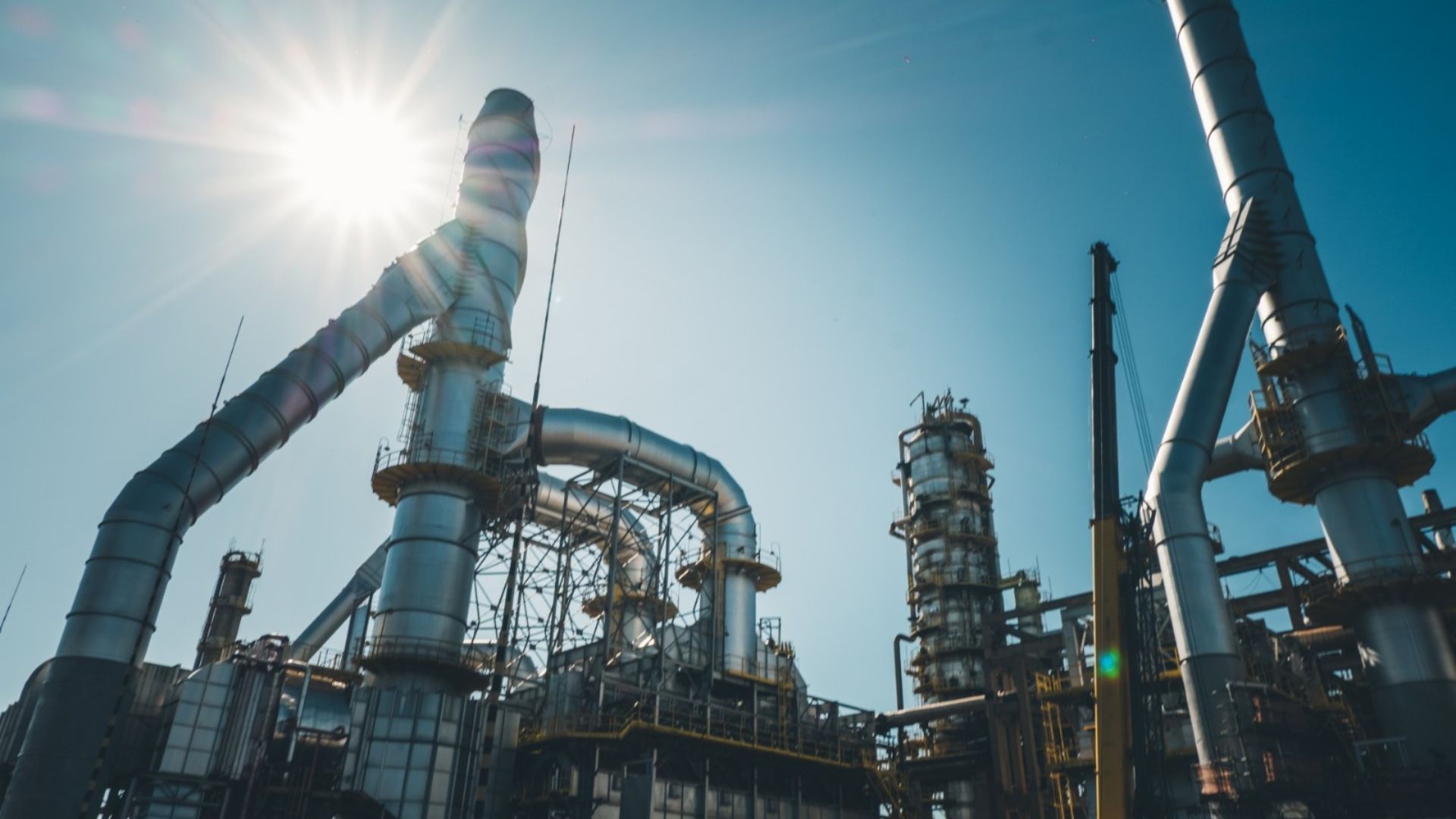
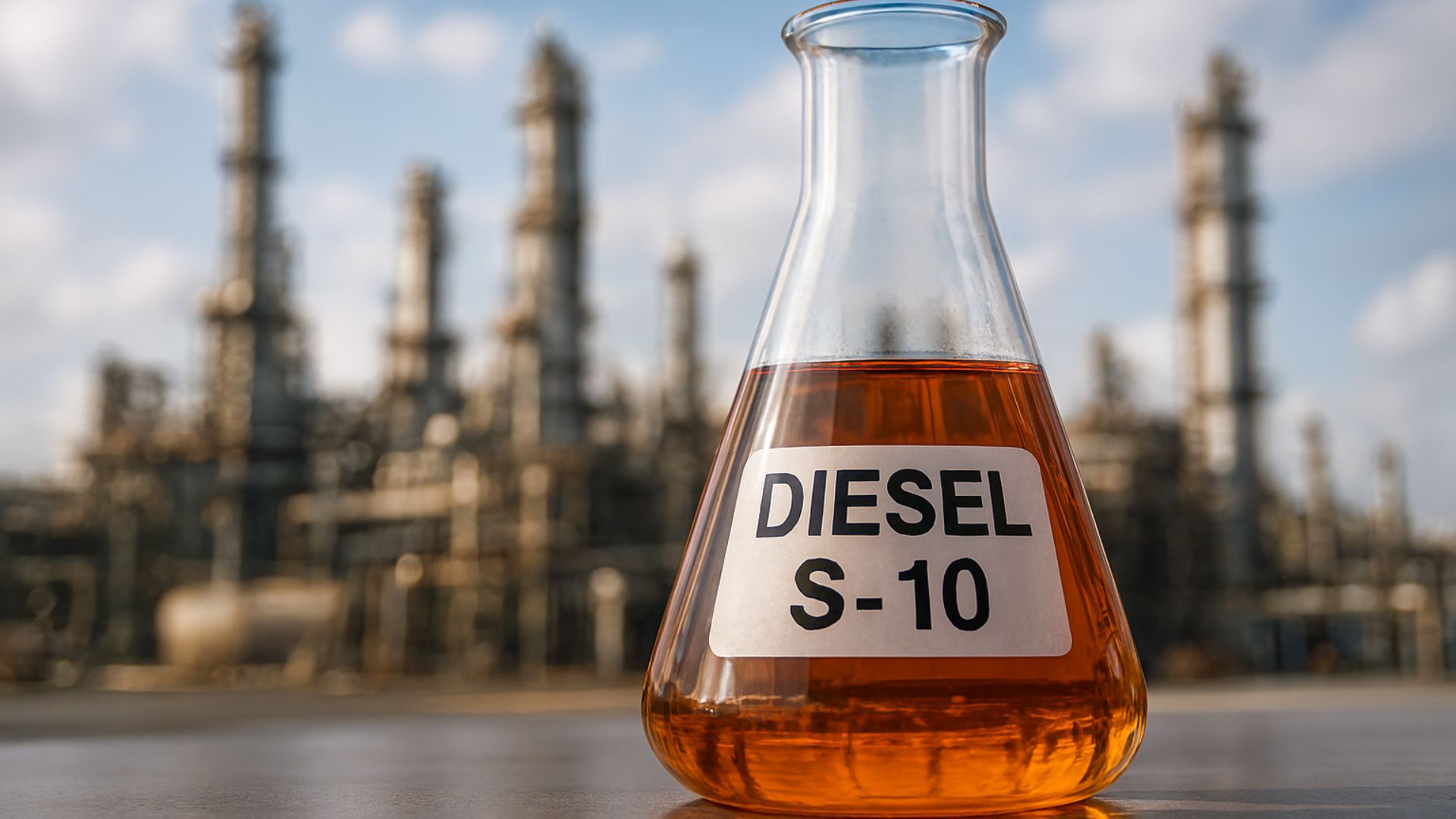
Petrobras Expands Refining in Brazil, Increases Production of Diesel S-10 and Gasoline, Enhances Operational Efficiency, and Reduces Import Dependence Between 2023 and 2025
-
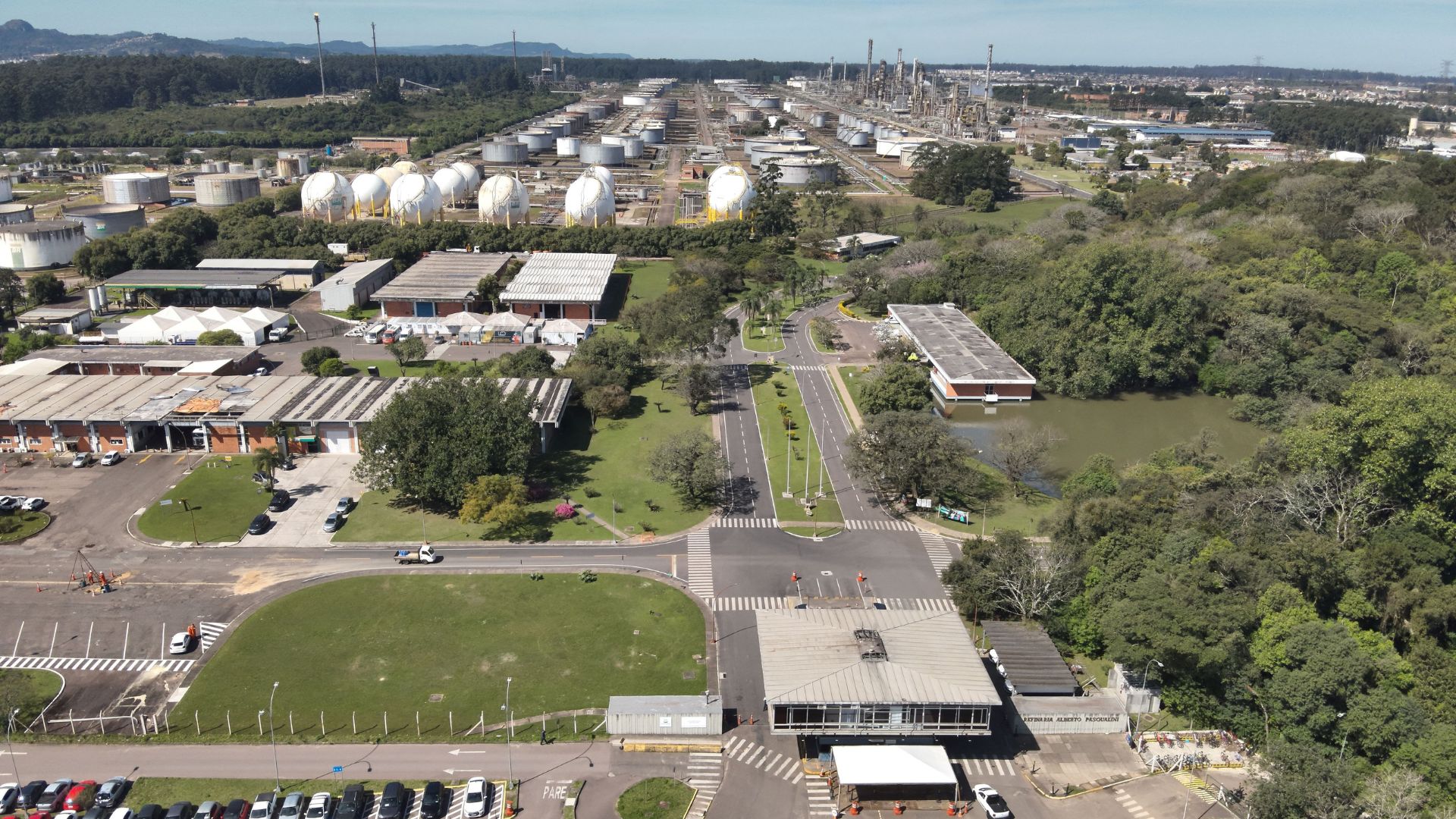
Petrobras’ Refap Sets Historic Records for Gasoline and S-10 Diesel Production in Canoas in Q4 2025, Surpassing Previous Figures
-
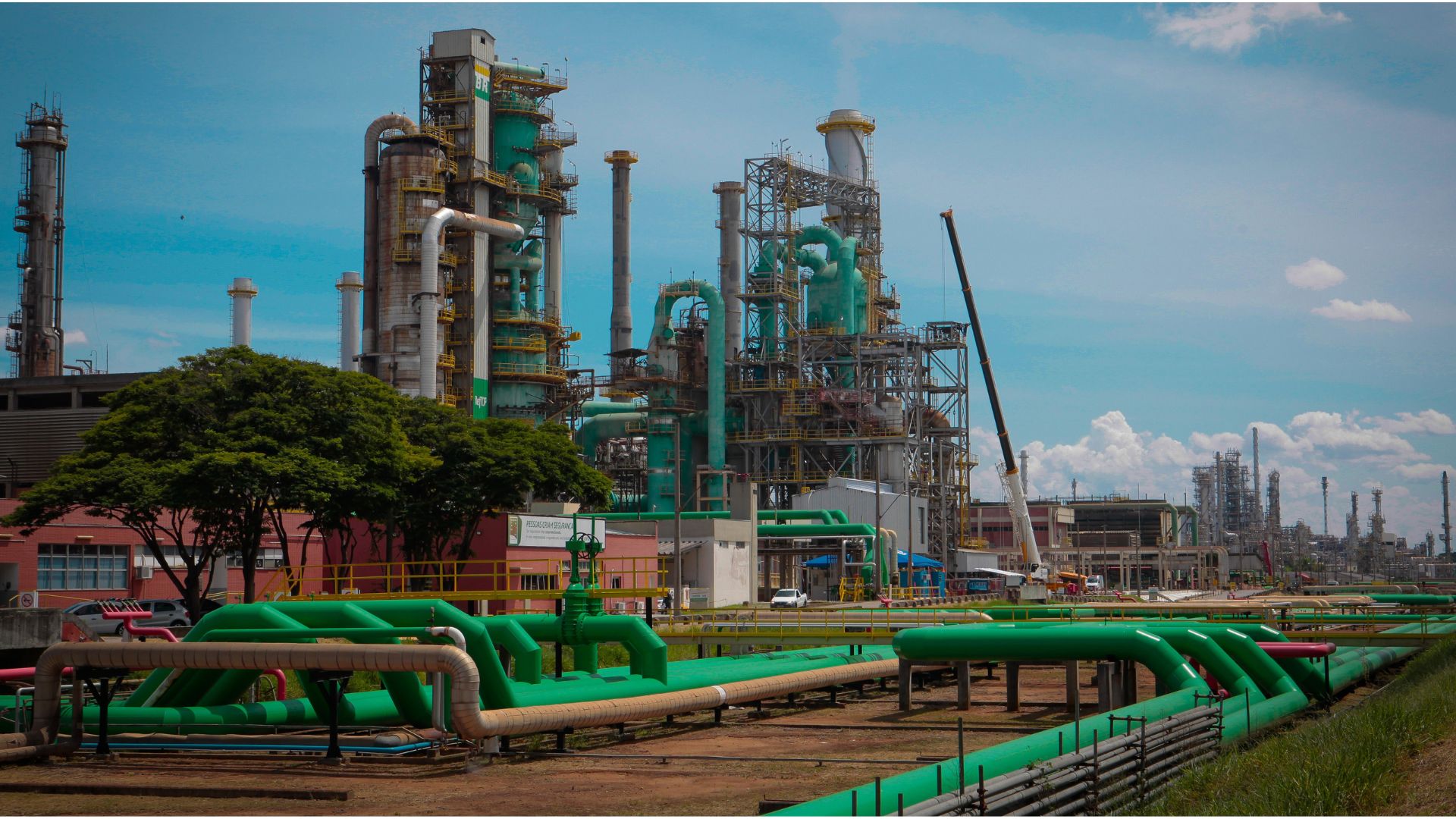
Revap Starts Operation of Modernized HDT and Petrobras Expands S-10 Diesel Production by 80% at the Refinery, Boosting Supply of Less Polluting Fuel in Brazil
-
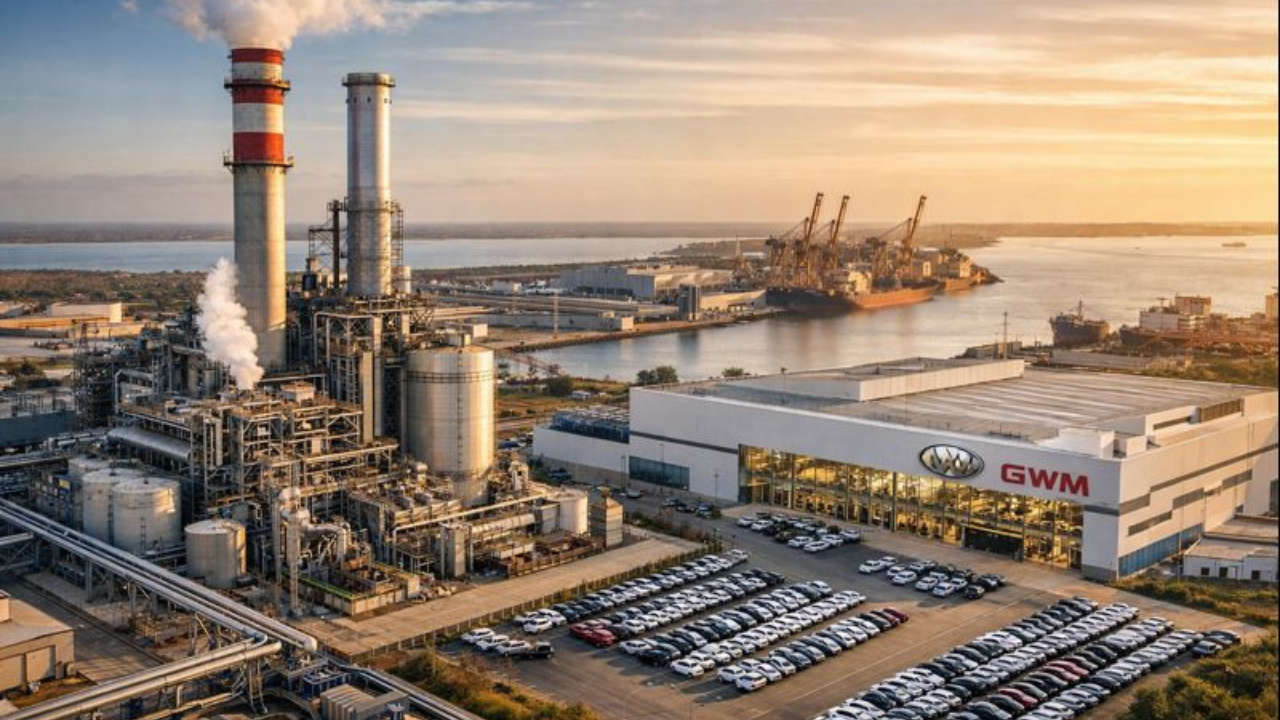
Thermal Power Plant in Rio Grande do Sul Is Key to Attracting GWM

Refineries That Are in More Advanced Sale Processes
Borges says that at the moment, the refinery in the most advanced phase is Isaac Sabbá (Reman), in Amazonas. In addition to the lubricants plant in Ceará (Lubnor) and SIX, the unit processing mined oil shale in Paraná, which are also more advanced.
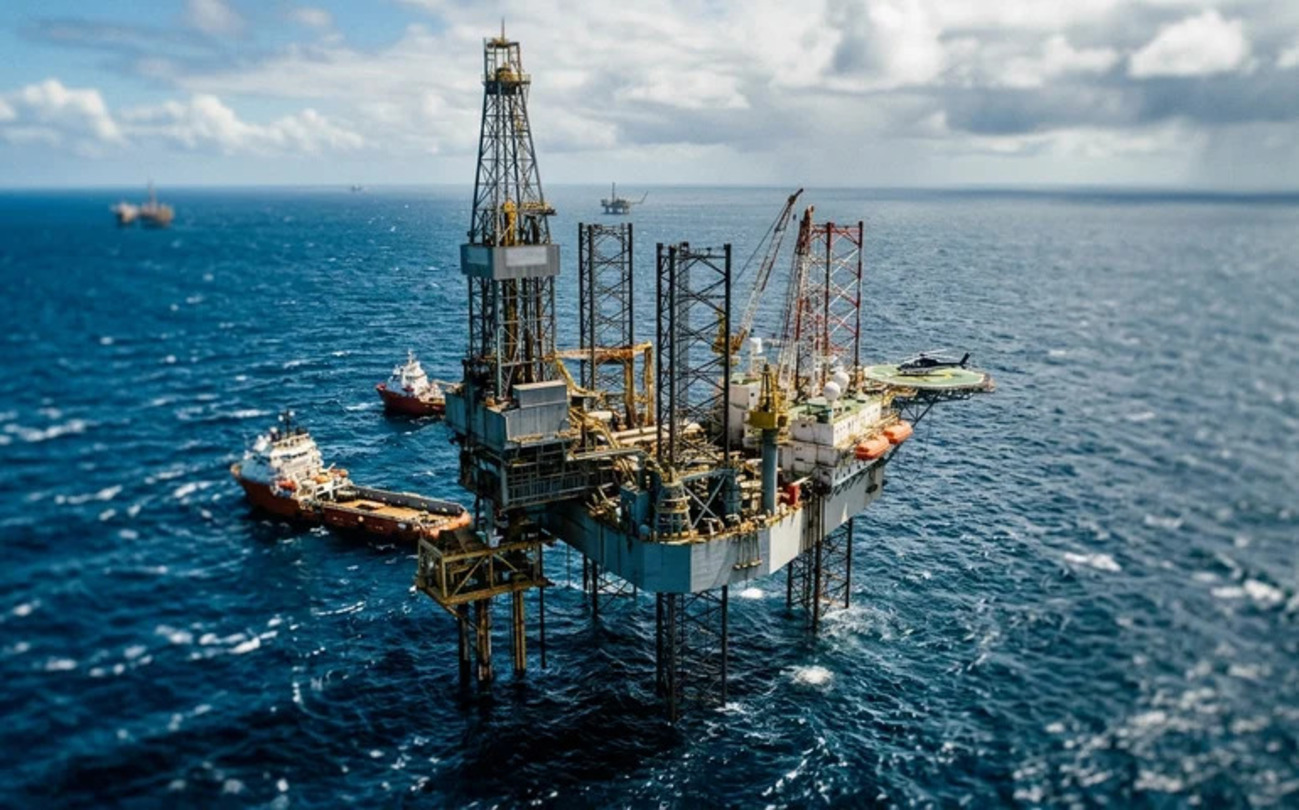
New frontiers in the Equatorial Margin, from the Amazon River Mouth to the Potiguar Basin, are the most promising unexplored areas in Petrobras’s view. However, Fernando Borges called for the release of environmental licenses. “It is very frustrating for an international company not to be able to meet licensing requirements. Patience runs out, as happened in the case [of the Amazon River Mouth] and we lost two partners,” he says.
Also Check This News: Petrobras Says New Competitors in Oil Refineries Could Help Reduce Prices for Consumers
In June, during the Labor, Administration, and Public Service Commission in the Chamber of Deputies, the president of Petrobras said that new competitors in the oil refinery segment could reduce fuel prices for consumers. The state-owned company decided to sell eight refineries, among other assets, to generate cash and reduce its debt, which ended 2020 at US$ 75.5 billion.
The president of Petrobras, General Joaquim Silva e Luna, stated that the state-owned company remains aligned with the PPI (Import Parity Price) as a way to maintain attractiveness in the fuel market. Besides the general, the pricing policy was also advocated by Roberto Castello Branco’s management, who was dismissed by President Jair Bolsonaro (without party) in February 2021. The dismissal occurred after successive fuel price increases.
Luna states that in these two months he has been at the helm of Petrobras, there has been no intervention whatsoever. The CEO of Petrobras also says that what they did was a scenario analysis, verifying the commitments and separating what is structural from what is circumstantial, which should not impact prices.





Seja o primeiro a reagir!