





 Portuguese
  English
  Spanish
  5 min of reading
  0 comments


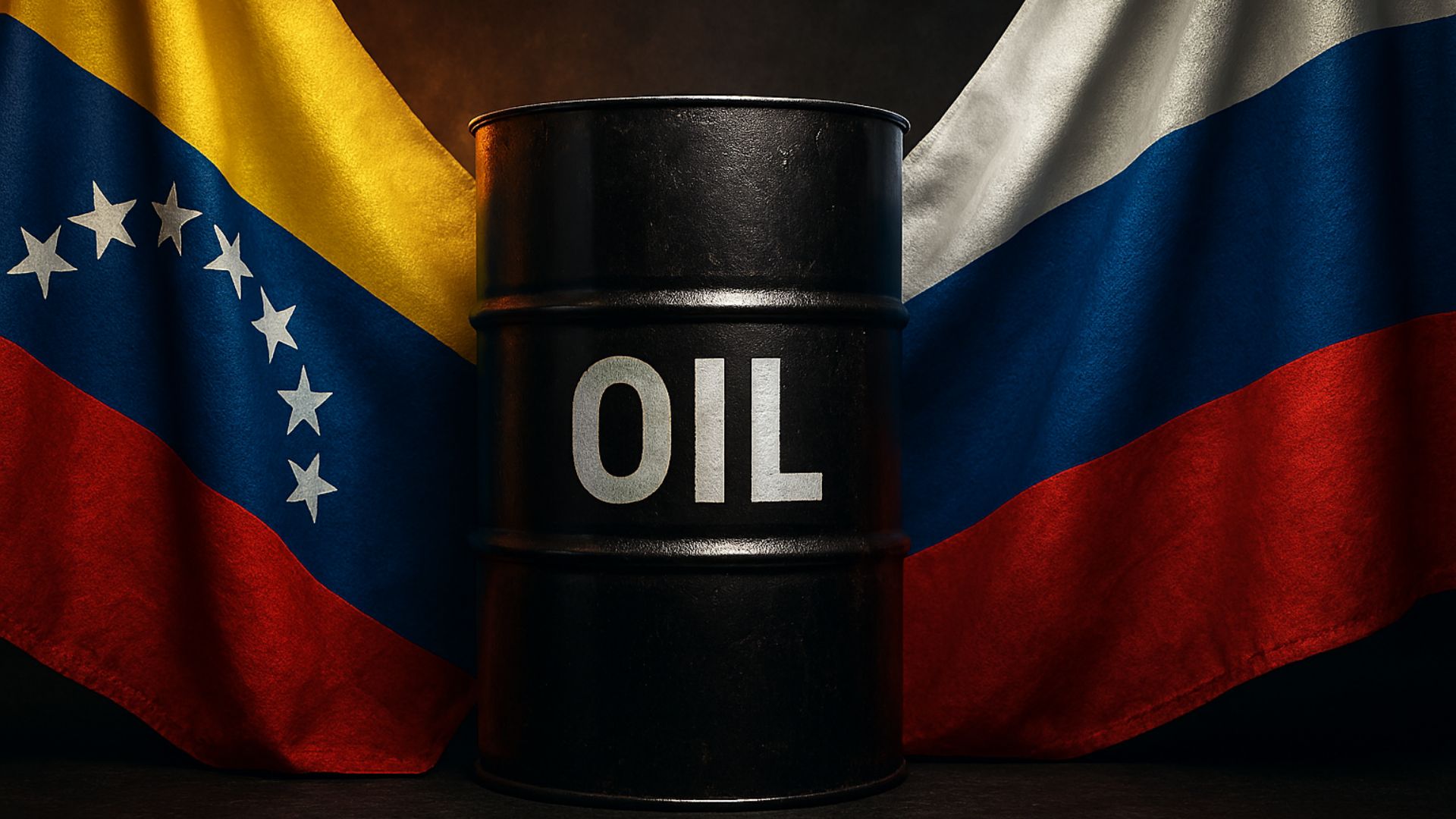
Venezuela Approved the Renewal of Oil Projects with Russia Until 2041, Strengthening PDVSA’s Operations and Expanding Energy Cooperation Between the Countries, Even Under International Sanctions
The National Assembly of Venezuela approved the extension, for another 15 years, ofoil projects conducted in partnership between the Venezuelan state company PDVSA and the Russian company Roszarubezhneft.
According to an article published on the Brasil 247 website this Friday (21), the renewal, valid until 2041, reinforces energy cooperation between Venezuela and Russia in an increasingly pressured international scenario and sanctions imposed against both countries.
History of Energy Cooperation Between Venezuela and Russia
This decision marks a significant strategic move, as it consolidates the Russian presence in the Venezuelan oil sector and ensures a continuous flow of investments that will sustain production in key fields in the west of the country.
-
Brazilian giant expands borders in the Southeast: Petrobras confirms new oil discovery in ultra-deep waters in the pre-salt of the Campos Basin.

-
Alert in the global energy market: Severe tropical cyclone hits the coast and disrupts gas production at major plants in Australia, threatening global supply.

-
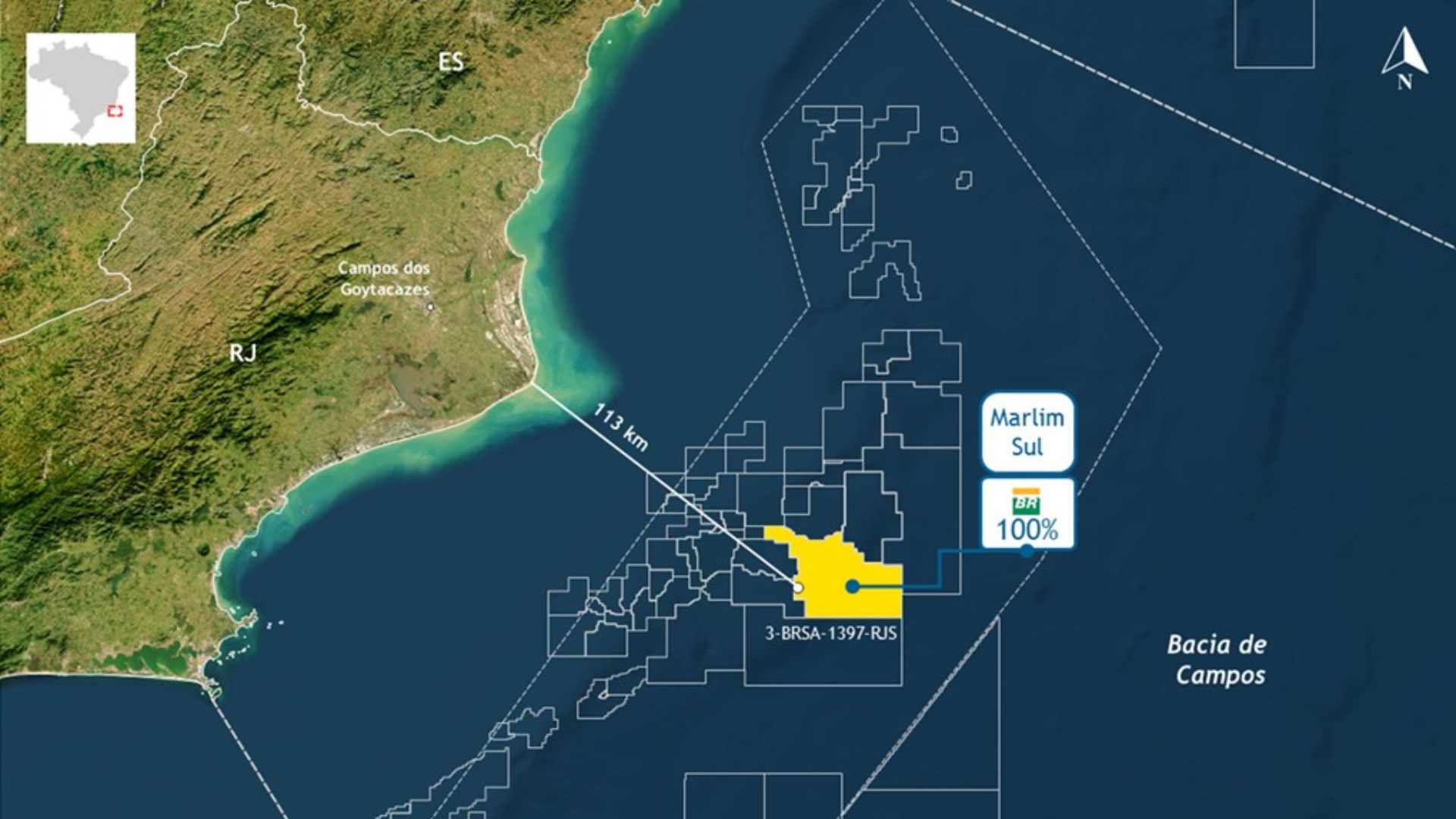
Petrobras finds high-quality oil in the pre-salt at 113 km from RJ and reignites expectations about strategic reserves in the Campos Basin.

-
Ocyan opens registrations for startups focused on innovation in the oil and gas sector and will select projects for Innovation Day with the support of Nexio.

It is a measure that impacts politics, economy, and geopolitics simultaneously. Venezuela, in turn, has found in Russia a partner capable of providing financing, technology, and diplomatic presence.
PDVSA relies heavily on external alliances to sustain its production. Structural problems, declining investments, and financial restrictions have made maintaining agreements with allied countries essential. In this sense, Russia plays a crucial role in ensuring operational continuity and stability in the sector.
Additionally, Venezuela holds some of the largest oil reserves in the world, attracting Russian geopolitical interest. Maintaining a presence in the region increases the Kremlin’s influence in the Western Hemisphere.
Details of the Extension of Oil Projects Between Venezuela and Russia
Oil Projects in Boquerón and Petroperijá (PDVSA – Russia)
The approval of the Venezuelan parliament ensures the continuity of operations in the fields of Boquerón and Petroperijá, located in Zulia state, one of the most traditional areas of national production. These joint ventures are operated jointly by PDVSA and Roszarubezhneft through Petromost.
Both fields had already been operating under previous agreements, and the renewal demonstrates confidence in the operational and economic viability of the projects. This step strengthens the Russian presence in the Venezuelan oil sector and offers PDVSA a route for continuity amid global difficulties.
Projected Production and Investment Amount
Venezuelan lawmakers presented detailed estimates in the plenary session for the renewal. The projected production for the period is 91 million barrels, which represents an average of 16,600 barrels per day, numbers considered ambitious given the current sector conditions.
The estimated investment of US$ 616 million may be allocated to infrastructure maintenance, equipment modernization, geological assessment, and the development of new wells. Additionally, some of the resources may be used to compensate for productivity declines in older areas.
Strategic Role of Roszarubezhneft and Petromost
Roszarubezhneft has taken on a central role in supporting the Russian presence in the Latin American oil sector. Its subsidiary, Petromost, has been responsible for the technical and administrative coordination of these projects.
According to statements from company representatives, Russia already held a relevant stake in Venezuelan production. In June 2024, this stake was around 12%, demonstrating the depth of cooperation between the two nations.
Geopolitics and Impact of International Sanctions
The renewal of the projects until 2041 occurs in a context of intense international pressure. Both Venezuela and Russia face economic sanctions and financial restrictions imposed by the United States and its allies. These measures directly affect companies, banks, and authorities in both countries.
For Venezuela, sanctions limit its capacity to export oil and attract new investments. For Russia, the restrictions mainly affect the financial sector and the energy industry. In this regard, energy cooperation becomes a strategy for survival and political resistance.
The partnership offers an alternative to escape dependence on Western mechanisms, such as the dollar-based financial system. Moscow and Caracas have been working on new payment and compensation systems to facilitate bilateral operations without interference from international banks.
Furthermore, the agreement aligns with the treaty signed in May 2025 by Maduro and Putin, which envisions expanded cooperation in energy, mining, finance, and defense, as well as the creation of a new bilateral financial architecture.
Strategic Treaty Signed Between Venezuela and Russia
Signed on May 7, 2025, the Strategic Partnership Treaty established solid foundations for cooperation between Venezuela and Russia. It was subsequently ratified by the Russian parliament and sanctioned, becoming a central legal instrument in the bilateral relationship.
Among its main points are:
- Cooperation in energy and mining.
- Initiatives to create a financial infrastructure independent of Western systems.
- Agreements in defense, arms control, and security.
- Mutual commitment to resist unilateral sanctions and coercive measures.
The treaty establishes a framework that legally sustains the extension of oil projects, providing predictability and security for both countries.
Economic, Energy, and Strategic Consequences
Impacts for Venezuela
For Caracas, the extension represents:
- Financial stability amid sanctions.
- Guarantee of long-term investments.
- Operational continuity of PDVSA, which has faced capacity declines for years.
- Expansion of Venezuelan influence in the international oil markets.
Impacts for Russia
Russia, in turn:
- Expands its geopolitical presence in Latin America.
- Conquers new energy markets outside of Europe.
- Increases its network of strategic partners.
- Strengthens alternatives to the international financial system.
Effects in the Global Scenario
- Reinforces the trend of alternative political-economic blocs to the West.
- May influence decisions of major producers within OPEC+.
- Impacts global supply and demand forecasts for oil.
Relevance and Implications for the Future of Energy
The extension of projects between Venezuela and Russia until 2041 transcends the economic field and reflects a redefinition of global alliances in the energy sector. In a world marked by energy transition, regional conflicts, and geopolitical disputes, long-term partnerships shape the balance of power.
The renewal demonstrates that, despite international pressures, both countries will continue cooperating and maintaining a relevant presence in the oil market.








Seja o primeiro a reagir!