





 Portuguese
  English
  Spanish
  5 min of reading
  0 comments


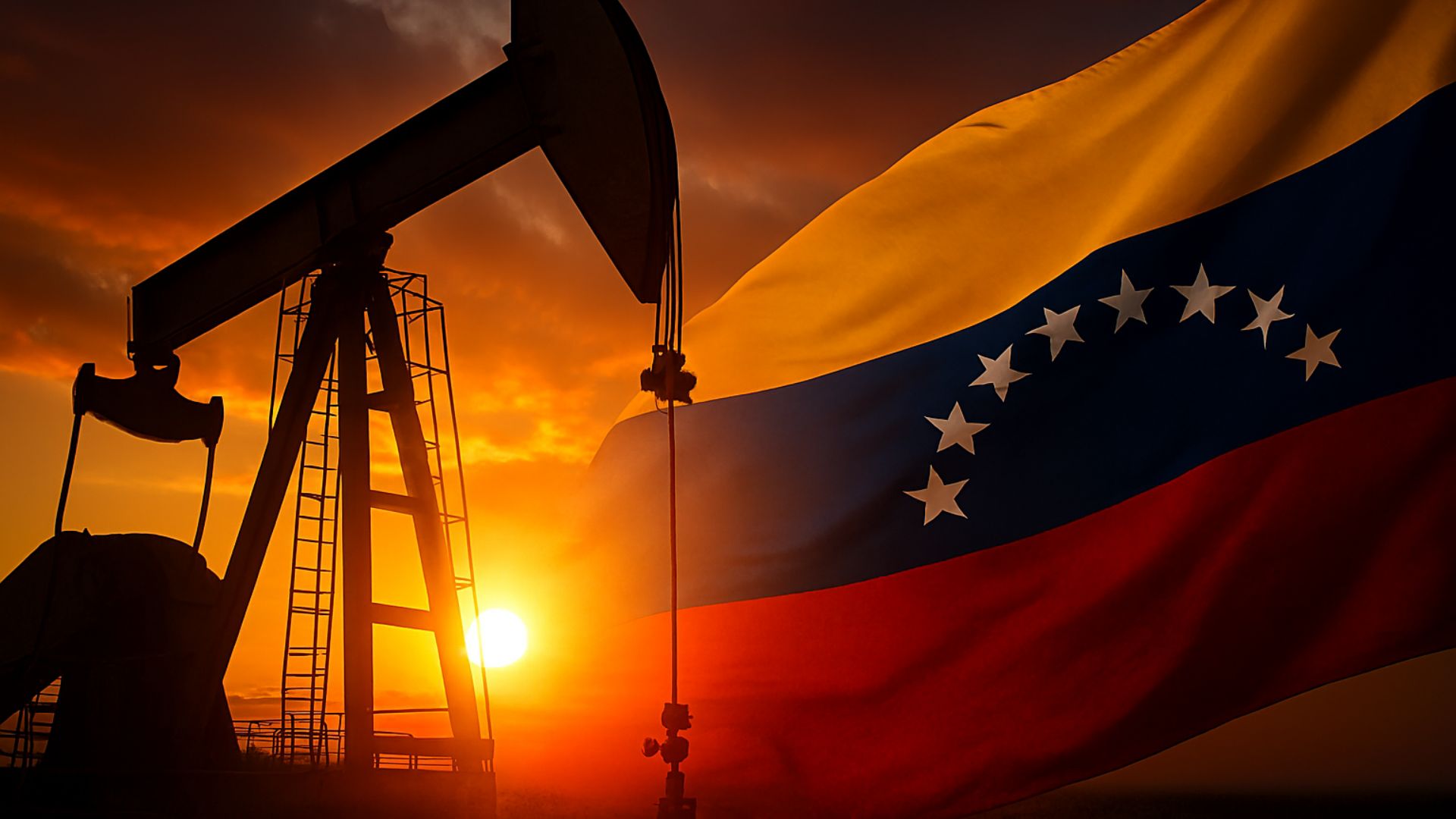
In The Midst Of Increasing Tensions, Nicolás Maduro Seeks Rapprochement With The United States, Offering Oil And Minerals From Venezuela In Exchange For Dialogue And Diplomatic Stability With Washington.
On October 10, 2025, the newspaper The New York Times, with a reprint on the portal InfoMoney, revealed that President Nicolas Maduro offered the United States privileged access to the reserves of oil and minerals from Venezuela. The proposal aims to avoid a possible armed conflict with the U.S. government and pave the way for diplomatic negotiations with Washington.
Geopolitical Context: Tension Between Venezuela And The United States
In a bold diplomatic move, the Venezuelan government seeks to avoid a military escalation with the United States. The proposal includes significant economic concessions, the termination of agreements with U.S. adversaries, and an opening for investments in key sectors of the Venezuelan economy.
The initiative comes amid months of discreet negotiations between Venezuelan authorities and representatives of the Trump administration, aiming to relieve sanctions and restore diplomatic channels.
-
Offshore industrial demand in Macaé surges with the recovery of oil and gas and could grow by up to 396% by 2026 in the Campos Basin.
-
Brazilian giant expands borders in the Southeast: Petrobras confirms new oil discovery in ultra-deep waters in the pre-salt of the Campos Basin.
-
Alert in the global energy market: Severe tropical cyclone hits the coast and disrupts gas production at major plants in Australia, threatening global supply.
-
Petrobras finds high-quality oil in the pre-salt at 113 km from RJ and reignites expectations about strategic reserves in the Campos Basin.


In recent months, tensions between Venezuela and the United States have considerably increased. According to sources from The New York Times, the Trump administration mobilized troops toward the Venezuelan coast, signaling a possible military intervention. In light of this scenario, Maduro sought alternatives to avoid confrontation, offering strategic resources as a bargaining chip.
- The proposal included dominant access to Venezuelan oil, one of the largest in the world.
- It also offered valuable minerals, such as gold, coltan, and lithium, essential for the tech industry.
- Maduro committed to reconsider agreements with countries adversarial to the U.S., such as Iran and Russia.
This diplomatic maneuver aims to ensure the political survival of the regime and avoid a devastating conflict.
Oil And Minerals: The Strategic Assets Of Venezuela
The Venezuela has the largest oil reserves in the world, with about 303 billion proven barrels, according to OPEC data. Additionally, the country is rich in strategic minerals, such as:
- Gold: Venezuela ranks among the top gold producers in Latin America.
- Coltan: used in batteries and electronics, with significant reserves in the Amazon region.
- Lithium: essential for electric vehicles and energy storage.
These resources are highly sought after by global powers, especially the United States. Maduro’s proposal represents an attempt to turn these assets into bargaining instruments.
Chevron And The U.S. Interest In Venezuelan Oil
The American oil company Chevron operates in Venezuela under a special license, even with sanctions in place. According to a report from Bloomberg, the company helped raise Venezuelan production to over 1 million barrels per day. This demonstrates the ongoing interest of the U.S. in exploiting Venezuelan oil.
Chevron’s presence is seen as an economic bridge between the two countries. With the new proposal, Maduro seeks to expand this relationship, offering even more advantages to American companies.
International Reactions To Venezuela’s Proposal
The proposal generated mixed reactions on the international stage. While some analysts see the initiative as a gesture of pragmatism, others point to the risks of excessive submission to U.S. interests.
- Russia and China, Maduro’s strategic allies, may view the proposal as a betrayal.
- Human rights organizations warn of the risk of legitimizing an authoritarian regime in exchange for natural resources.
- Sectors of the Venezuelan opposition criticize the lack of transparency in the negotiations.
Maduro’s offer could reshape the geopolitical map of Latin America. Depending on the response from the United States, the balance of power in the region may undergo significant changes.
United States Evaluates Proposal For Access To Oil And Minerals
There has been no official confirmation that the United States accepted the proposal. However, sources close to the negotiations indicate that Washington is cautiously evaluating the terms. The possibility of avoiding an armed conflict and ensuring access to strategic resources may be appealing to the Trump administration.
- The U.S. Department of State has not officially commented on the matter.
- Political analysts suggest that the proposal could be used as leverage to demand democratic reforms in Venezuela.
- Chevron, for its part, has already signaled interest in expanding its operations in the country.
If accepted, the proposal could mark a new phase in relations between Venezuela and the U.S. On the other hand, if rejected, the risk of military escalation remains.
Economic Implications For Venezuela
The opening to American investments could represent an opportunity for economic recovery for Venezuela, which is facing one of the worst crises in its recent history. According to independent estimates, annual inflation exceeds 300%, and GDP has fallen more than 75% since 2013.
Access to foreign capital and technology could revitalize sectors such as energy, mining, and infrastructure. However, experts warn that without structural reforms and legal guarantees, foreign investment may be limited.
- Oil production could double in five years with adequate investments.
- Mineral exploration could generate billions in revenues for the government.
- The reopening of markets could reduce Venezuela’s dependence on partners like Russia and Iran.
The Role Of Energy Diplomacy In Latin America
Maduro’s proposal places Venezuela within a new logic of energy diplomacy, where natural resources are used as instruments of geopolitical negotiation. This model is already adopted by countries like Saudi Arabia and Qatar, who use oil as a tool for global influence.
Latin America could become a new battleground for energy disputes among global powers. With abundant reserves and a strategic location, Venezuela could play a central role in this scenario.
- The U.S. seeks to reduce its dependence on Middle Eastern oil.
- Venezuela offers geographic proximity and potential for expansion.
- Energy diplomacy may substitute the logic of military confrontations with trade agreements.
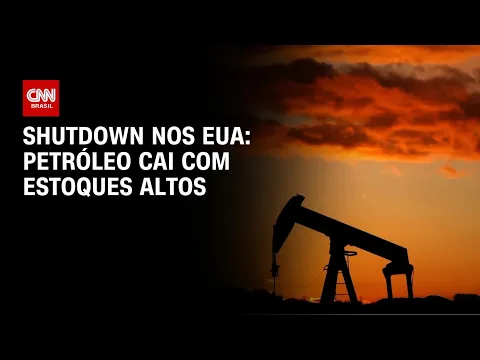

Possible Paths For The Future Of Venezuela–U.S. Relations
The offer of oil, minerals, and concessions made by Nicolas Maduro to the United States represents a risky and strategic diplomatic move. Amid increasing tensions, the Venezuelan leader seeks to avoid armed confrontation and ensure the survival of his regime through economic negotiations.
Venezuela is at the center of a geopolitical dispute involving strategic resources and global interests. The U.S. response will be decisive for the future of the region and could redefine the direction of international diplomacy.
If accepted, the proposal may pave the way for a new era of economic and political cooperation. If rejected, the risk of isolation and conflict remains. The world is closely watching the next steps in this negotiation that could change the fate of Latin America.






Seja o primeiro a reagir!