





 Portuguese
  English
  Spanish
  3 min of reading
  0 comments



Venezuela Just Made A Decision That, For Some, Sounds Like The “Last Act” In A Play Full Of Conflicts: The Withdrawal Of Its Ambassador In Brazil. In A Move That Intensifies The Already Tumultuous Diplomatic Relations Between The Countries, The Venezuelan Government Announced The Decision After Facing A Brazilian Veto To Its Entry Into The BRICS Economic Bloc. According To The Government Of Nicolás Maduro, Brazil Demonstrated “Aggression” And “Hostility” By Preventing The Country’s Adherence To The Group Of Emerging Nations, Which Ultimately Triggered The Return Of Ambassador Manuel Vadell.
The Withdrawal Of The Ambassador In Brazil Was Officially Announced By The Venezuelan Ministry Of Foreign Affairs On Friday, October 30, And Represents A Direct Response To What Maduro Considered A Disrespect By The Brazilian Government. According To The Statement, Ambassador Vadell Was Summoned To Caracas For “Consultations,” Which, In Diplomatic Terms, Is A Sign Of Strong Discontent.
Celso Amorim: The “Thorn In The Side” Of Venezuela?
The Special Adviser On International Affairs To The Brazilian Presidency, Celso Amorim, Has Become A Central Figure In The Criticism From The Venezuelan Government. Caracas Did Not Hold Back In Describing Amorim’s Stance On Venezuela’s Entry Into The BRICS, Calling Him A “Messenger Of U.S. Imperialism.” This Statement Is A Clear Indication That The Maduro Government Sees Amorim As A Defender Of Foreign Interests, Further Aggravating The Diplomatic Deadlock.
This Perception Of The Venezuelan Government Is Not Limited To Amorim, But Reflects A Distrust Regarding Brazil’s Role In The International Arena Itself. According To Political Analysts, This Disagreement Exposes The Ideological Differences That Still Permeate The Relationship Between The Two Countries And Suggests That Brazil Maintains A Cautious Stance In Its Relations With Authoritarian Governments Even Under The Presidency Of Luiz Inácio Lula da Silva.
-
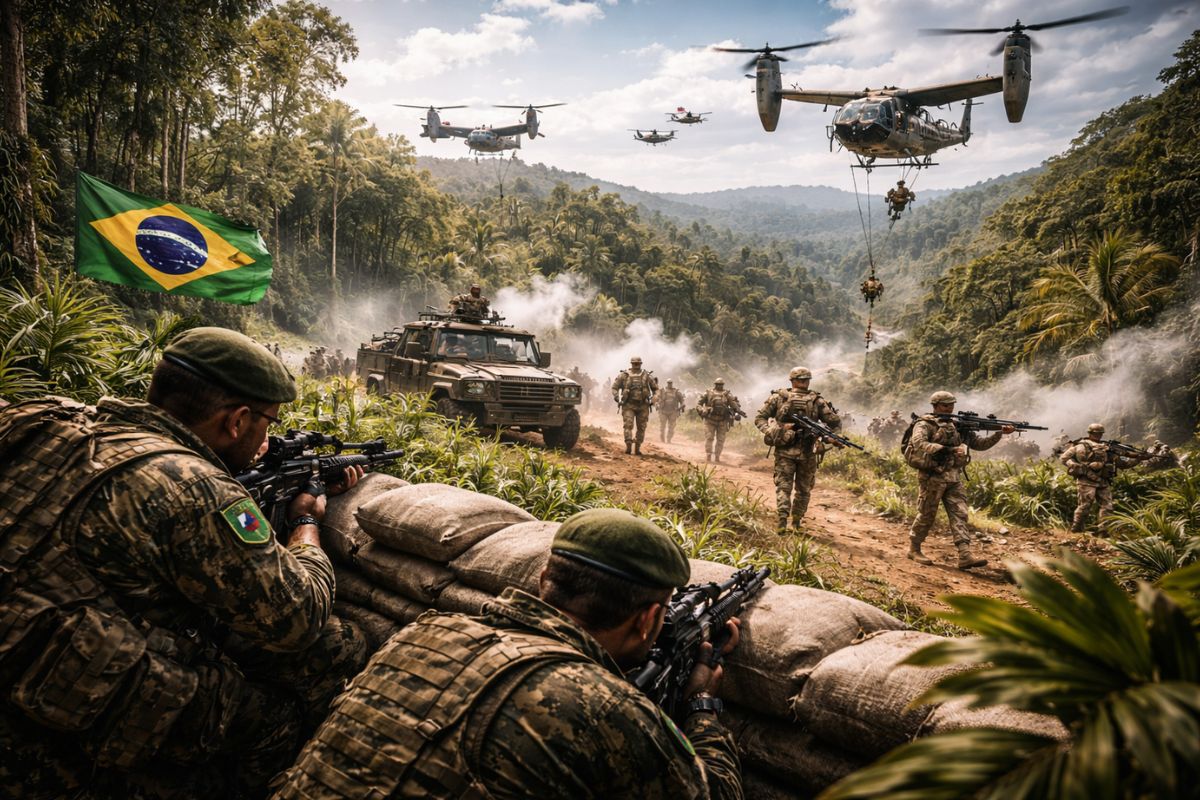
If the USA were to go to war with Brazil, Washington’s greatest fear would not be the attack itself, but facing a vast territory, prolonged resistance, and a costly, chaotic, and unpredictable occupation.
-
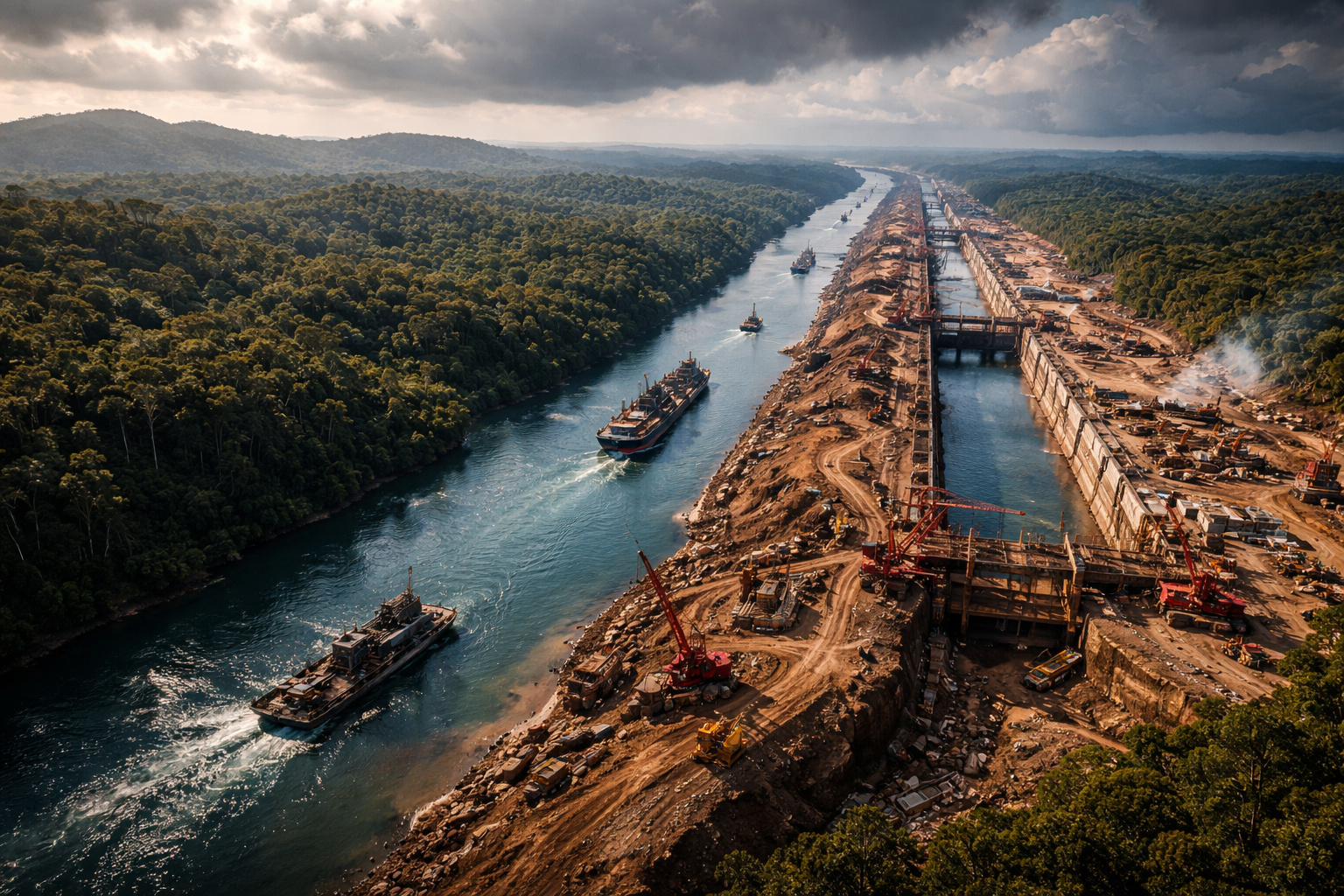
In 2013, Nicaragua sold the concession for a canal to rival Panama to a Chinese billionaire who lost 85% of his fortune, disappeared, and was declared bankrupt. Now the project resurfaces with a new route, a new Chinese partner, and a cost of $64.5 billion.
-
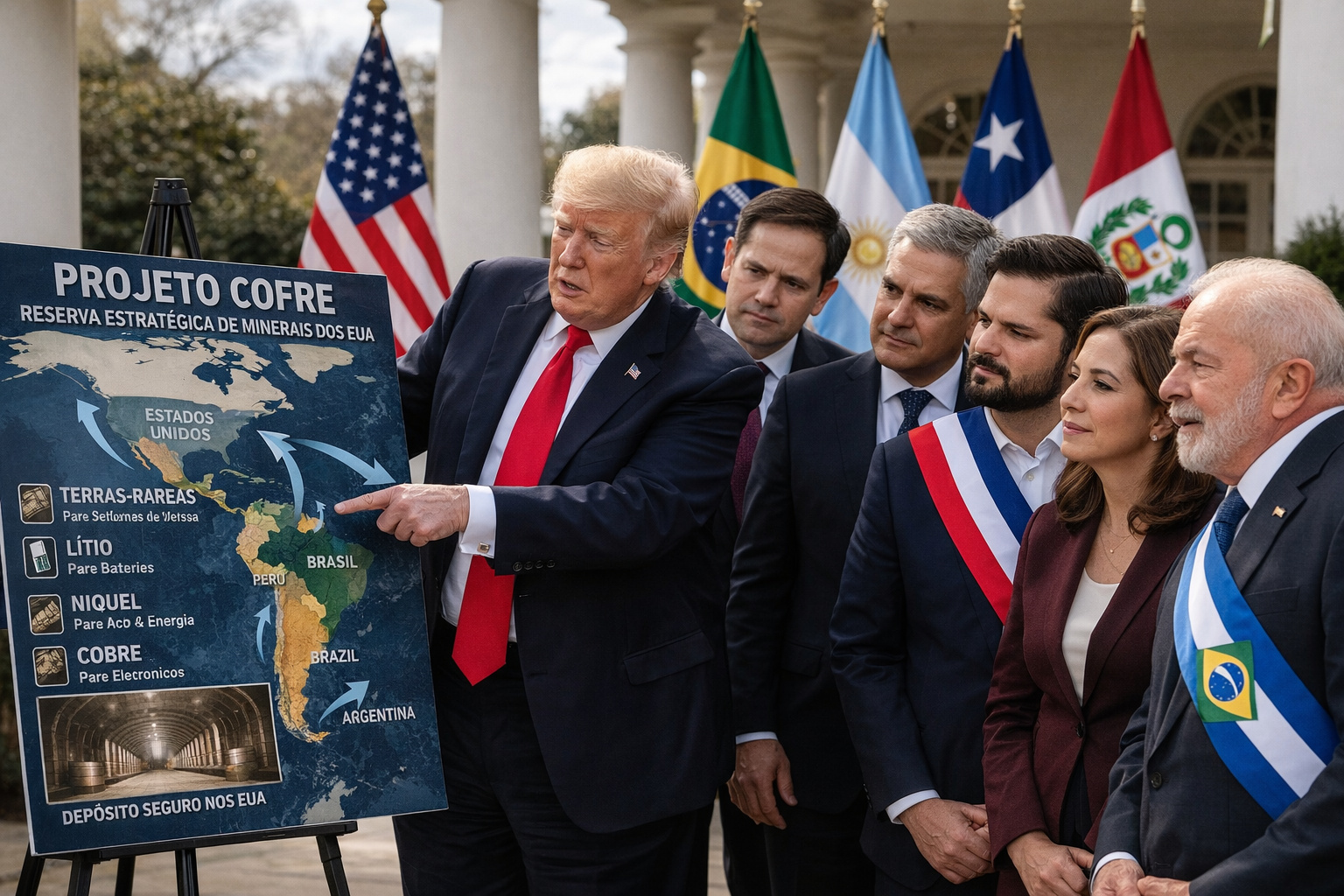
The USA announces a mysterious billion-dollar vault project to store critical minerals, but what intrigues experts is not just the plan itself, but why Latin America, including Brazil, has entered the center of this global dispute against China.
-
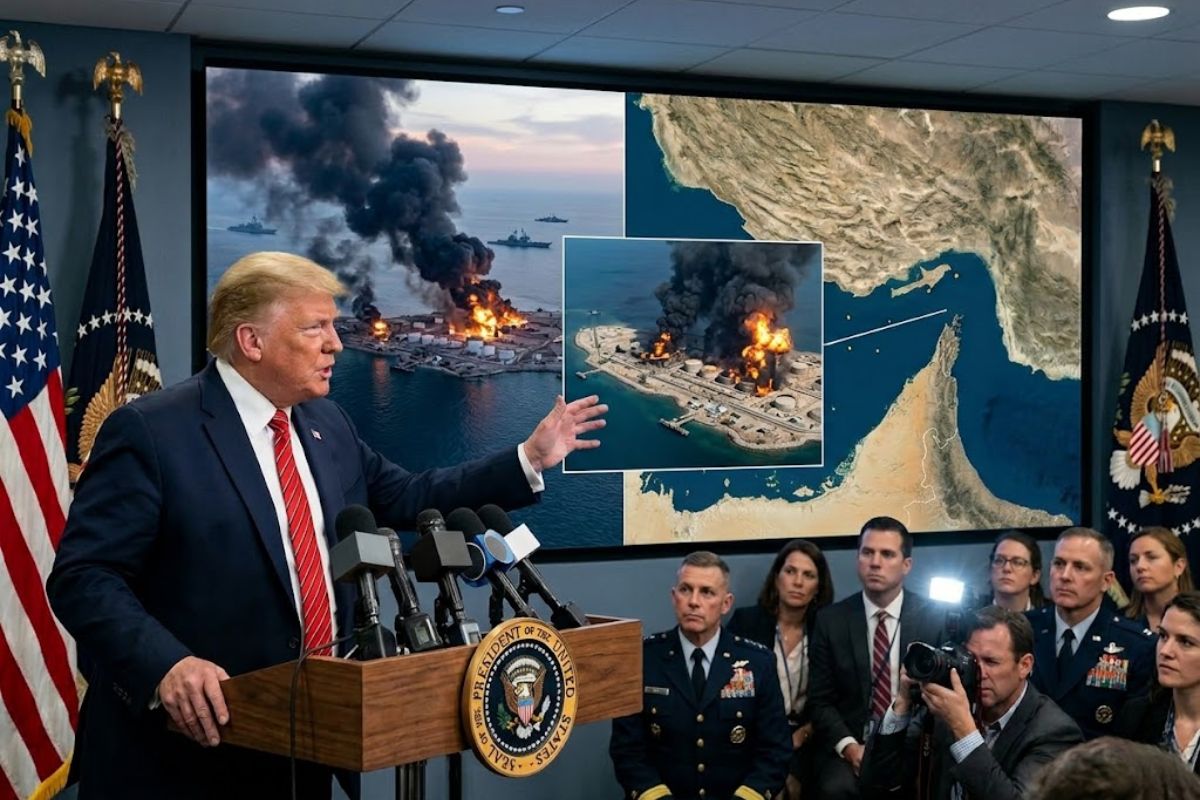
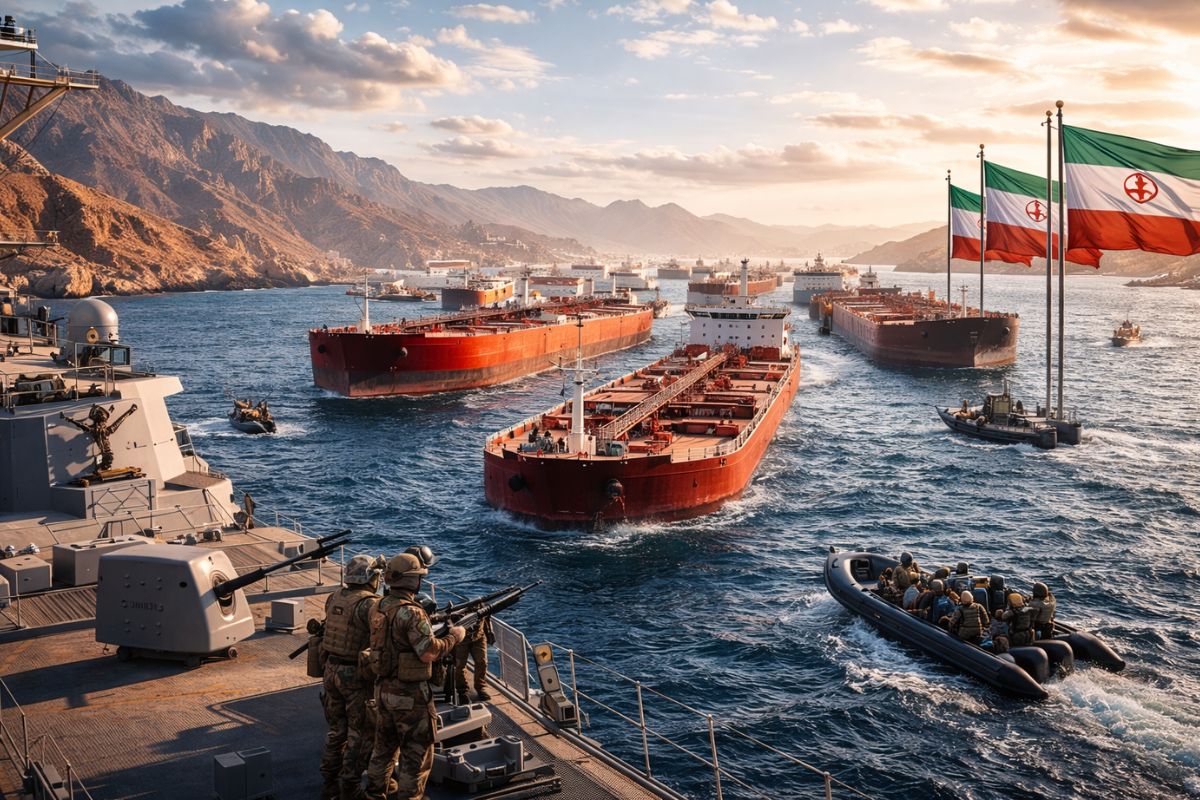
Trump Announces Bombing of U.S. Military Targets on Iranian Island Responsible for About 90% of Iran’s Oil Exports, Warns of Further Attacks if Navigation in Strategic Strait of Hormuz Is Threatened
Consequences Of The Veto To Venezuela In The BRICS
The Brazilian Veto To Venezuela’s Entry Into The BRICS Economic Bloc Was A Severe Blow To Maduro’s International Aspirations. The Venezuelan Government Claimed To Have The Support Of Other Members Of The Group During The Recent Summit In Kazan, But Brazil Stood Firm, Reiterating Its Opposition To The Membership. This Decision Contributed To A Diplomatic Strain Between The Two Countries, Whose Relationship Already Has A History Of Frictions And Partial Reconciliations.
The Continuity Of The Veto Also Reflects A Diplomatic Line Already Existing During The Previous Government Of Jair Bolsonaro, When Venezuela Was Widely Isolated From The Regional Scene. Thus, The Current Brazilian Government Finds Itself In A Delicate Position, Trying To Balance National And Regional Interests While Avoiding A Direct Approach To The Venezuelan Regime.
Next Steps And Impacts For Brazilian Diplomacy
With The Withdrawal Of The Ambassador In Brazil, Predictions For The Future Of The Relationship Between The Two Countries Become Increasingly Uncertain. According To Diplomatic Sources, The Recall Of Manuel Vadell Suggests That Venezuela May Review Its Strategy Of Approaching Brazil, While The Brazilian Government, Through The Itamaraty, Will Need To Assess The Possible Impacts Of This Break. International Analysts Indicate That Brazil May Find Itself Pressured To Reconsider Its Position In The Context Of Bilateral Relations And Even In Strategic Alignments Within Latin America.
In This Scenario, Brazil Faces The Challenge Of Balancing Its Foreign Policy To Maintain A Position That Respects Both Democratic Values And Its Economic And Regional Security Interests. The Final Decision Regarding The Relationship With Venezuela Is Awaited With Great Anticipation And May Be An Important Thermometer Of Brazil’s Stance Toward Governments Considered Authoritarian.
The Withdrawal Of The Ambassador In Brazil Is, Therefore, More Than Just A Simple Response Of Displeasure. It Represents A Turning Point In Brazil-Venezuela Relations And Raises Questions About The Next Chapters Of A Relationship Full Of Tensions And Reapproaches.








Seja o primeiro a reagir!