





 Portuguese
  English
  Spanish
  3 min of reading
  8 comments


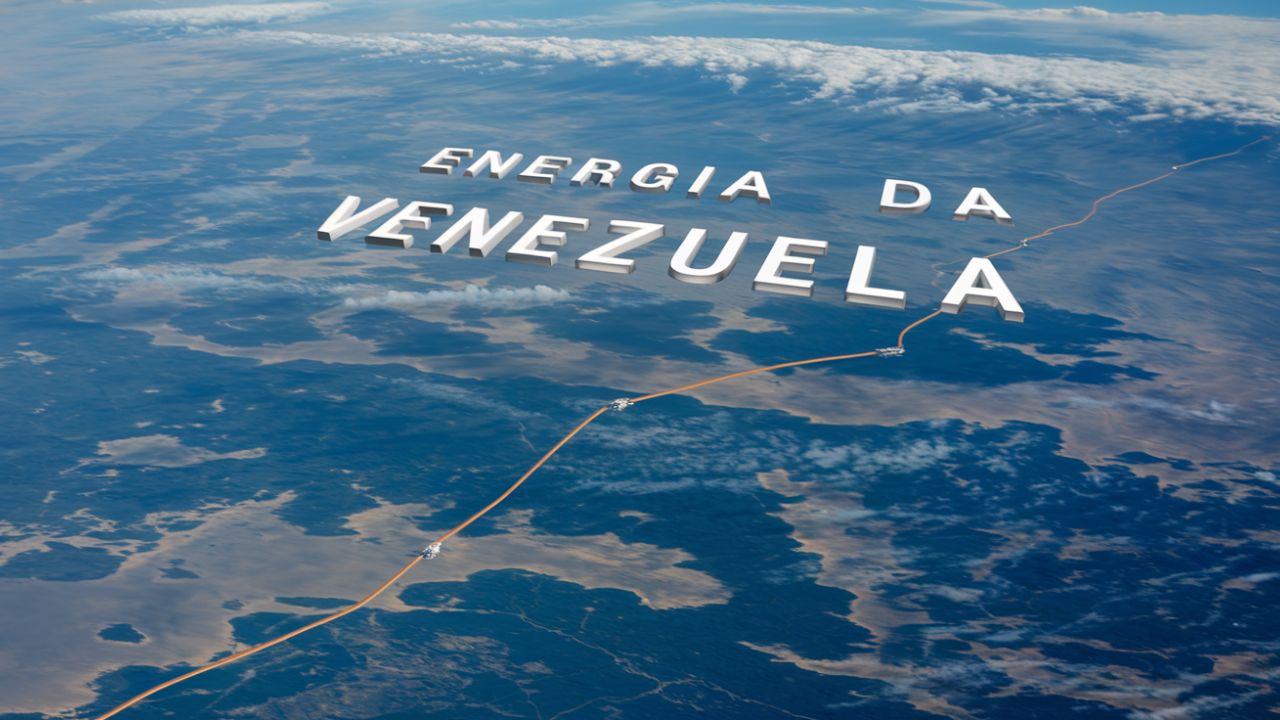


After Years of Isolation from the National Interconnected System, Roraima Restarts Receiving Energy from Venezuela, with Initial Import of 15 MW and Operational Reserve of 30 MW to Ensure Stability. The Supply Will Be Operated by Bolt Energy Between January and April 2025.
The state of Roraima restarted receiving electric energy from Venezuela as of this Friday (14), marking a new phase in the energy supply of the region. The National Electric System Operator (ONS) announced that commercial import began around 7:15 AM, bringing a new chapter for the only Brazilian state that is not part of the National Interconnected System (SIN).
Although there is still no official decree from the National Electric Energy Agency (Aneel) regarding this decision, the operation follows criteria defined by the Electric Sector Monitoring Committee (CMSE). However, this resumption raises questions about the benefits and risks of this dependence.
The Resumption of Energy Import

Roraima, which has previously received energy from Venezuela, now counts again on imported electricity from the neighboring country. The operation was authorized after 96 hours of tests conducted between January and February, ensuring technical feasibility. Initially, the import will be limited to 15 megawatts (MW), with a rotating operational reserve of 30 MW to maintain supply stability.
-
A new Brazilian shopping center worth R$ 400 million will be built in an area equivalent to more than 4 football fields, featuring 90 stores, 5 cinemas, a supermarket, a college, and parking for 1,700 cars, potentially generating 3,000 jobs.

-
Larger than entire cities in Brazil: BYD is building a 4.6 km² complex in Bahia with a capacity for 600,000 vehicles per year, but the discovery of 163 workers in conditions analogous to slavery has shaken the entire project.

-
With an investment of R$ 612 million, a capacity to process 1.2 million liters of milk per day, Piracanjuba inaugurates a mega cheese factory that increases national production, reduces dependence on imports, and repositions Brazil on the global dairy map.

-
Brazilian city gains industrial hub for 85 companies that is equivalent to 55 football fields.


Bolt Energy will be responsible for the import during the period from January to April 2025. Meanwhile, local thermoelectric plants continue to operate using natural gas, biomass, and diesel oil, complementing the energy supply.
Why Does Roraima Depend on Energy from Venezuela?
Unlike other Brazilian states, Roraima is not part of the National Interconnected System (SIN), which means its energy matrix must be managed independently. This exclusion primarily occurs due to the lack of transmission infrastructure connecting the state to the rest of Brazil.
Historically, Venezuelan energy has been the main source of electricity for Roraima, coming from the Guri Hydroelectric Plant. However, economic and political problems in Venezuela interrupted this supply, forcing the state to rely primarily on thermoelectrics. Now, with the resumption of external supply, Roraima hopes to reduce costs and ensure greater energy stability.
Impacts and Challenges of the New Import
The resumption of supply may bring immediate benefits, such as reducing electricity generation costs, as thermoelectrics use expensive and polluting fuels. Additionally, the increased energy supply may improve service quality for consumers and boost the state’s economic development.
However, there are challenges to consider. Dependence on a country facing economic and political instability may pose long-term risks. Any issues at the Guri Plant or decisions by the Venezuelan government could directly impact the supply. Thus, the need for a more stable energy solution for Roraima remains on the agenda.
How Will Supply Be Throughout 2025?
The supply will be operated by Bolt Energy, which will follow the schedule established by the CMSE. The initial phase anticipates imports from January to April 2025, allowing the system to adjust to the new electricity offer.
Before the official restart, 96 hours of tests were conducted at the beginning of the year, ensuring that integration could be made safely and without compromising the stability of the electrical grid. If the supply occurs efficiently, the model could be extended or adjusted as necessary.








Mais um apagão hoje (16/02/2025)
Ontem aqui em Roraima já deu um apagão
Por que não concluem o linhão de Tucuruí e interliga logo o Estado de Roraima ao restante do BRASIL?