





 English
  Francês
  Alemão
  Italiano
  Japonês
  Norueguês
  Portuguese
  Spanish
  2 min of reading
  0 comments


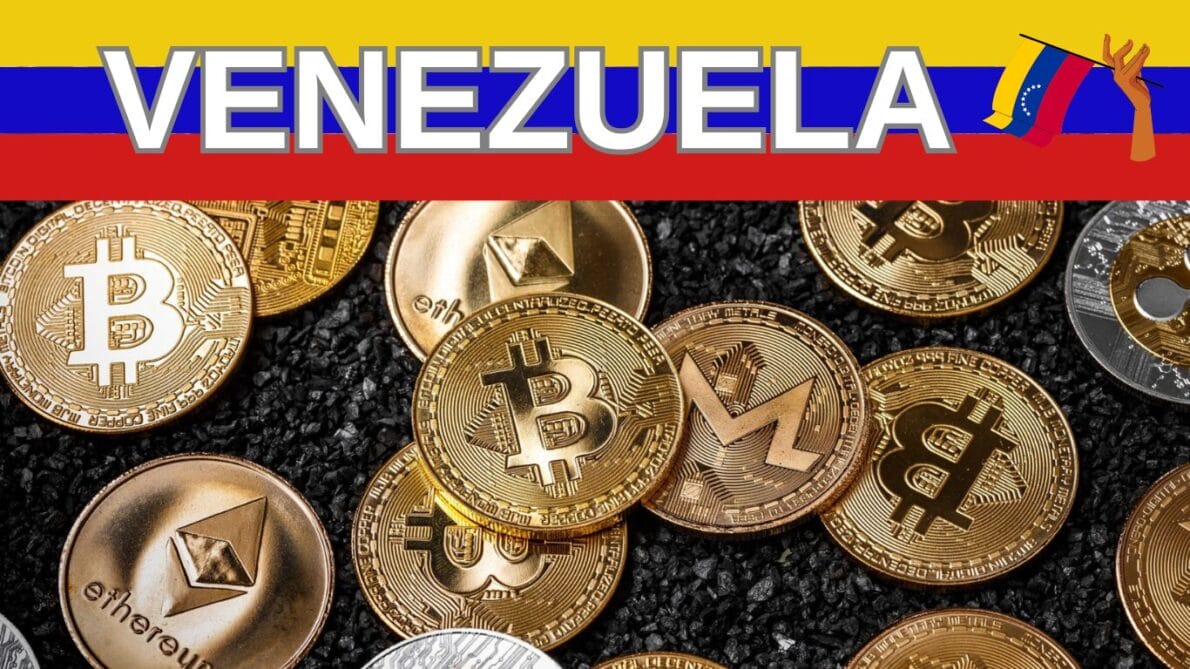
Venezuela Seeks Financial Independence by Integrating Cryptocurrencies into Oil Transactions
According to colunafinanceira, in a strategic move to circumvent economic sanctions, Venezuela has been adopting cryptocurrencies as a means of payment in the oil market. The leadership of Nicolás Maduro sees digital currencies as a way out of the restrictions imposed by the United States, thus seeking greater autonomy in international transactions.
Encrypted Transactions: A New Horizon for Venezuelan Oil
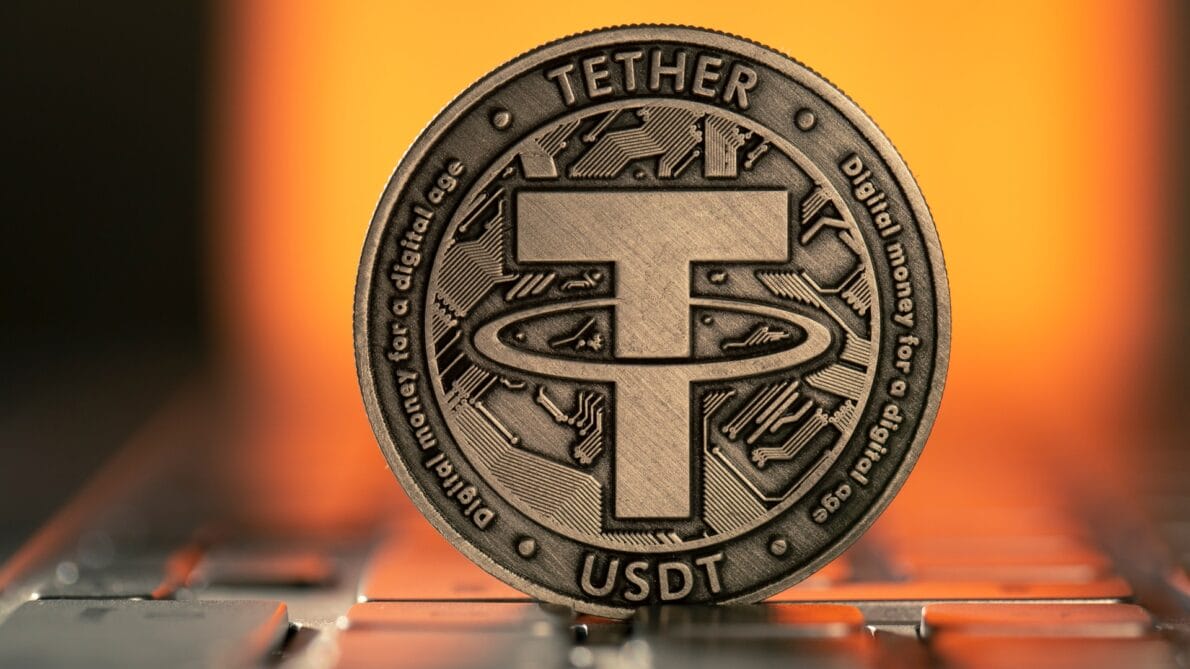
The adoption of Tether (USDT), a stablecoin pegged to the US dollar, reflects the search for stability and security in international oil sales. This strategic choice allows Venezuela to conduct transactions that are less susceptible to blockades and sanctions, given the less traceable nature of cryptocurrencies.
Scandal and Innovation: PDVSA’s Path to Modernity
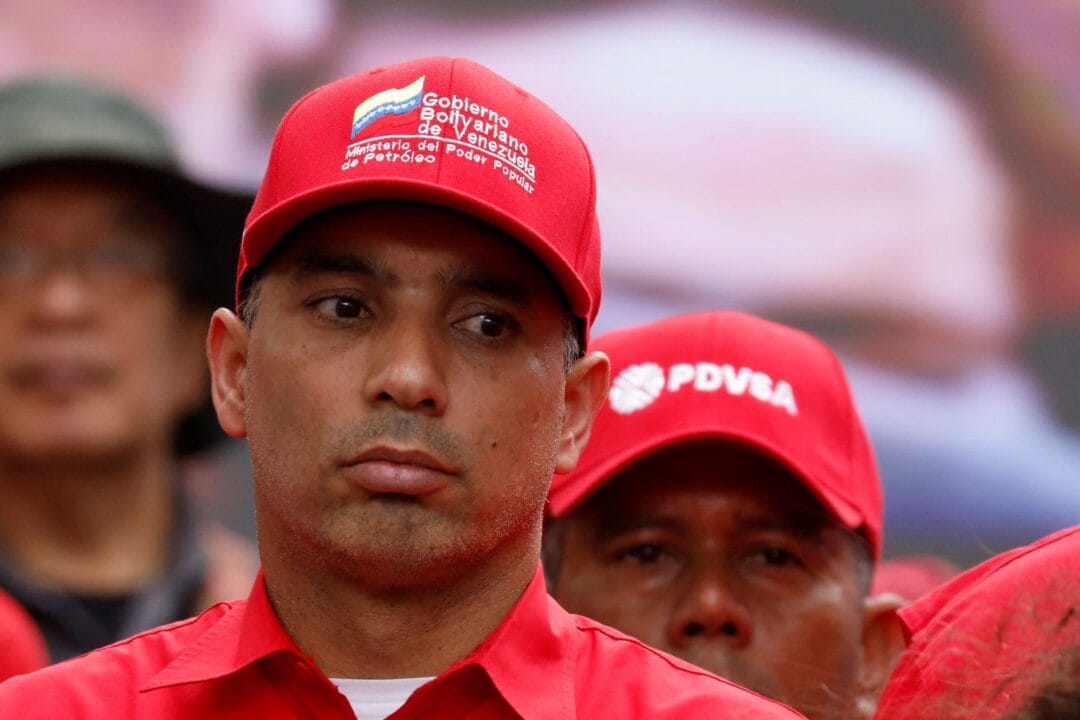
Despite a past marked by corruption scandals, the state-owned company Petróleos de Venezuela (PDVSA) is reinventing itself by requiring clients to possess cryptocurrencies for new contracts. This change aims not only at security in transactions but also at integrating Venezuela into an increasingly digital global market.
-
Unemployment rises again to 5.8% at the beginning of 2026, raising alarms about the end of temporary positions and its impact on the Brazilian job market.

-
Document organization can cut invisible costs in small businesses, a simple step that prevents waste, rework, and losses in daily operations.

-
Chinese giant worth nearly R$ 4 billion that manufactures cables for electric cars, solar energy, and robotics wants to open a factory in SC.

-
Many employers do not know, but the law guarantees domestic workers a 25% increase in salary during trips, 50% for overtime, 20% for night shifts, and 17 additional benefits that can lead to labor lawsuits if not paid.


Challenges and Opportunities: Venezuela Adopts Cryptocurrency and Surprises Everyone
Although the initiative is promising, Venezuela faces significant challenges, mainly regarding restrictions on exchanges and intermediaries. These barriers hinder the expansion of cryptocurrency use but also represent an opportunity for the country to develop a more independent and robust oil trading system.
Venezuela and the Decentralization of the Oil Market
Venezuela is building a path to a new era in oil trading. By selling oil for cryptocurrencies, the country not only challenges the dominance of the dollar and the imposed restrictions but also demonstrates the petroleum industry’s adaptability to new economic and technological paradigms. With this approach, Venezuela positions itself at the forefront of a movement that could reshape international trade relations.
And what do you think about all this? Do you think Brazil could do the same? Leave your thoughts in the comments!








Seja o primeiro a reagir!