





 Portuguese
  English
  Spanish
  2 min of reading


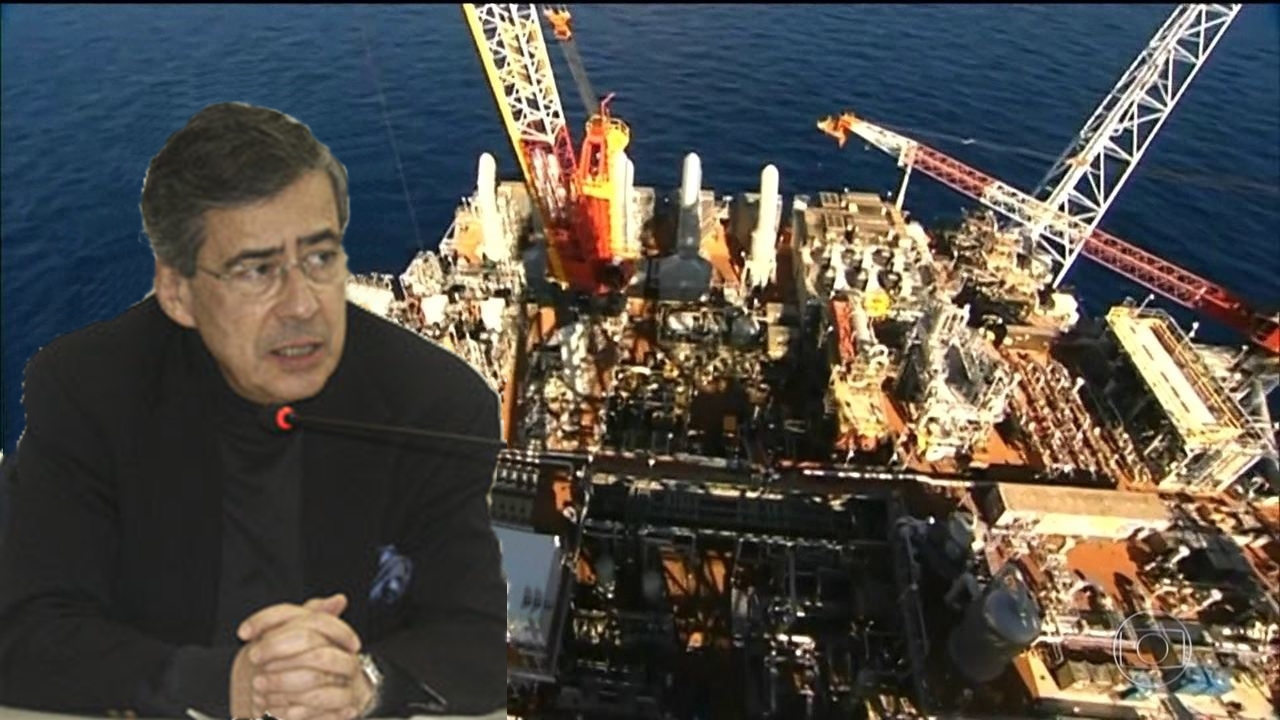
Paulo Henrique Amorim Says in Video That Oil Auctions Were a Coup to End Petrobras and Hand Over Crown Jewels to Exxon Mobil
Paulo Henrique Amorim – The company of the Brazilian people, Petrobras, has allied with American Exxon, the largest oil company in the world today, to explore areas adjacent to the pre-salt that belong to the Brazilian people. The purpose is to explore an area that, in layman’s terms, is next to the pre-salt already explored by the state-owned company “in the name of the Brazilian people”; in fact, Exxon has won 10 adjacent areas, which in Paulo Amorim’s view, were acquired for a price well below what they were actually worth, around 1 billion dollars.
In the reporter’s opinion, if the “coup” (referring to Dilma’s impeachment) had not occurred, the areas would have been explored by Petrobras. The risk, however, is that these areas could be as rich as the pre-salt; thus, “the prime cut” would go to Exxon, while Brazilians would be left with the less valuable parts. In another auction of hydroelectric plants from Cemig, Chinese, French, and Italian companies managed to acquire hydroelectric plants that were the flagship of the state-owned company; that is, day by day, electricity generation is falling into foreign hands.
-
Government unlocks R$ 554 million for a highway that has been requested for decades and accelerates the duplication of BR.
-
Without bricks, without cement, and without endless construction: the cardboard house that is assembled in modules and can be moved.

-
Billions of barrels on the equatorial margin could lead Amapá to double its oil production in Brazil — the state aims to enter the route of companies in the Campos Basin, attract investments, and boost jobs and businesses in the oil and gas sector.
-
Without bricks, without cement, and without endless construction: the cardboard house that is assembled in modules and can be moved.
Watch the Full Video of Paulo Henrique Amorim


In your opinion, is it a good idea for the government to privatize so many of Brazil’s resources for the benefit of foreign entities, or should we wait for a domestic company to have the necessary competence and expertise to handle activities in this segment and keep the economic machine running in some way? The fact is that our companies no longer have the financial strength due to the crisis; measures have been taken, for better or for worse, and the answers to all of this will only be seen in the future.









Seja o primeiro a reagir!