





 Portuguese
  English
  Spanish
  2 min of reading
  0 comments


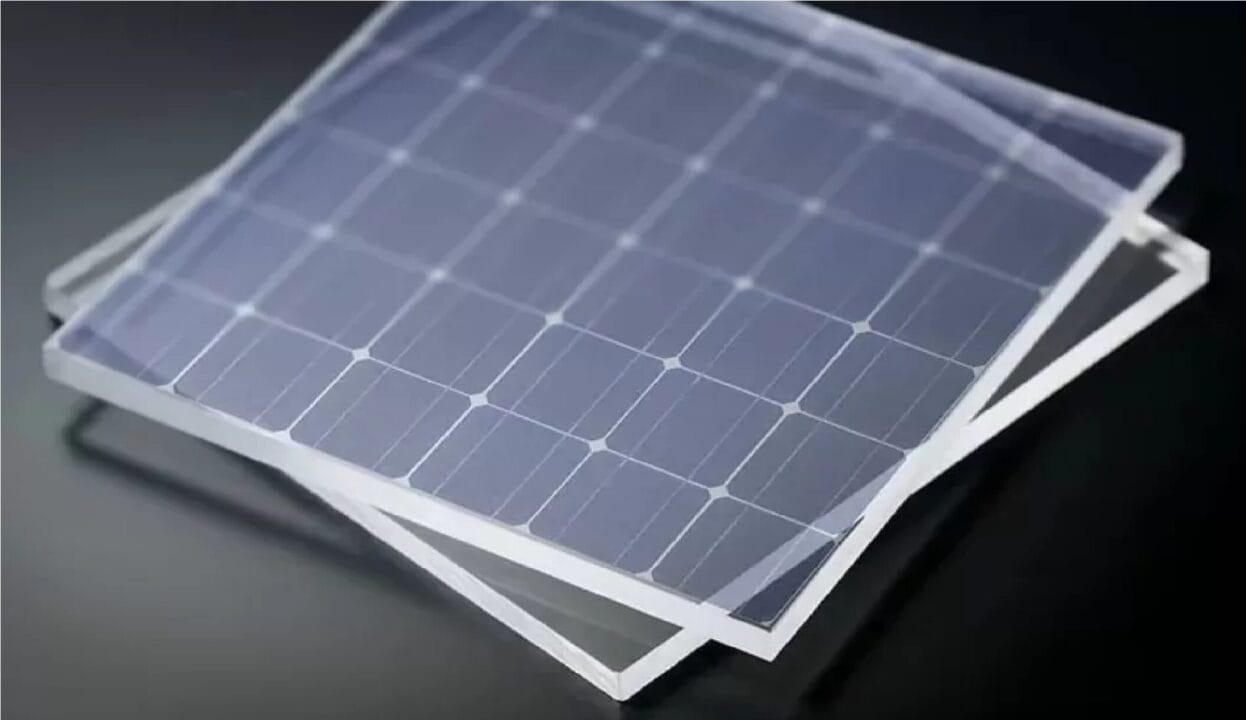
Learn About The Revolutionary Bimetallic Glass That Produces Green Hydrogen And Energy From Solar Light!
A new milestone in renewable energy has been achieved with the development of an innovative bimetallic glass, equipped with high-performance supercrystals, that has broken the world record by producing green hydrogen using solar light, according to the website Portal Energia.
Currently, solar energy is one of the most popular energy sources, with many consumers interested in installing photovoltaic solar panels to reduce their electricity bills. The bimetallic glass promises a significant innovation in this field, as it not only produces more energy but also has the ability to generate hydrogen from solar light.
The Role Of Hydrogen In The Energy Transition And The Contribution Of Bimetallic Glass
Hydrogen is considered crucial for the energy transition, and obtaining this resource from solar energy is an important goal. The bimetallic glass developed by a team of scientists at Ludwig Maximilians University (LMU) in Munich, Germany, stands out by achieving a world record in the eco-friendly production of hydrogen using solar light.
-
Renewable energy advances over protected areas in Brazil, and a survey by the Energy Transition Observatory reveals silent impacts that challenge environmental conservation and pressure sensitive traditional territories.

-
Rio Grande do Sul accelerates energy transition: State invests in renewable technologies and consolidates decarbonization strategies and pathways to attract billions in new industrial investments.

-
With 160,000 m² of collectors, an area larger than 20 football fields, Silkeborg, in Denmark, hosts a solar thermal plant that heats 19,500 homes and could become the largest solar heating plant in the world.

-
A study reveals the expansion of renewable energy procurement in Brazil and shows how companies are taking advantage of opportunities to reduce expenses, ensure energy efficiency, and strengthen strategic environmental commitments.


Professor Emiliano Cortés and his team focused on plasma nanostructures to concentrate solar energy, demonstrating their efficiency in producing hydrogen from formic acid with the help of solar light. This advancement was published in the scientific journal Nature Catalysis and is a milestone in photovoltaic solar technology.
Nanotechnology In Solar Energy Capture And Hydrogen Production
The research focused on creating nanoscale particles from plasmonic materials, such as gold, that strongly interact with solar light photons, generating high-energy electrons. These nanoparticles were organized to maximize interaction with solar light, significantly increasing energy absorption.
The revolutionary bimetallic glass not only established a world record in hydrogen production using solar energy, but also offers great potential for industrial applications. By combining plasmionic and catalytic materials, this technology represents a significant advance in capturing and utilizing solar energy efficiently and sustainably.
The development of this bimetallic glass is an important step toward sustainable energy production, highlighting its ability to play a crucial role in the energy transition. The research team has already patented this glass structure, indicating its potential to revolutionize the way we capture and use solar energy worldwide.









Seja o primeiro a reagir!