





 Portuguese
  English
  Spanish
  7 min of reading
  1 comment


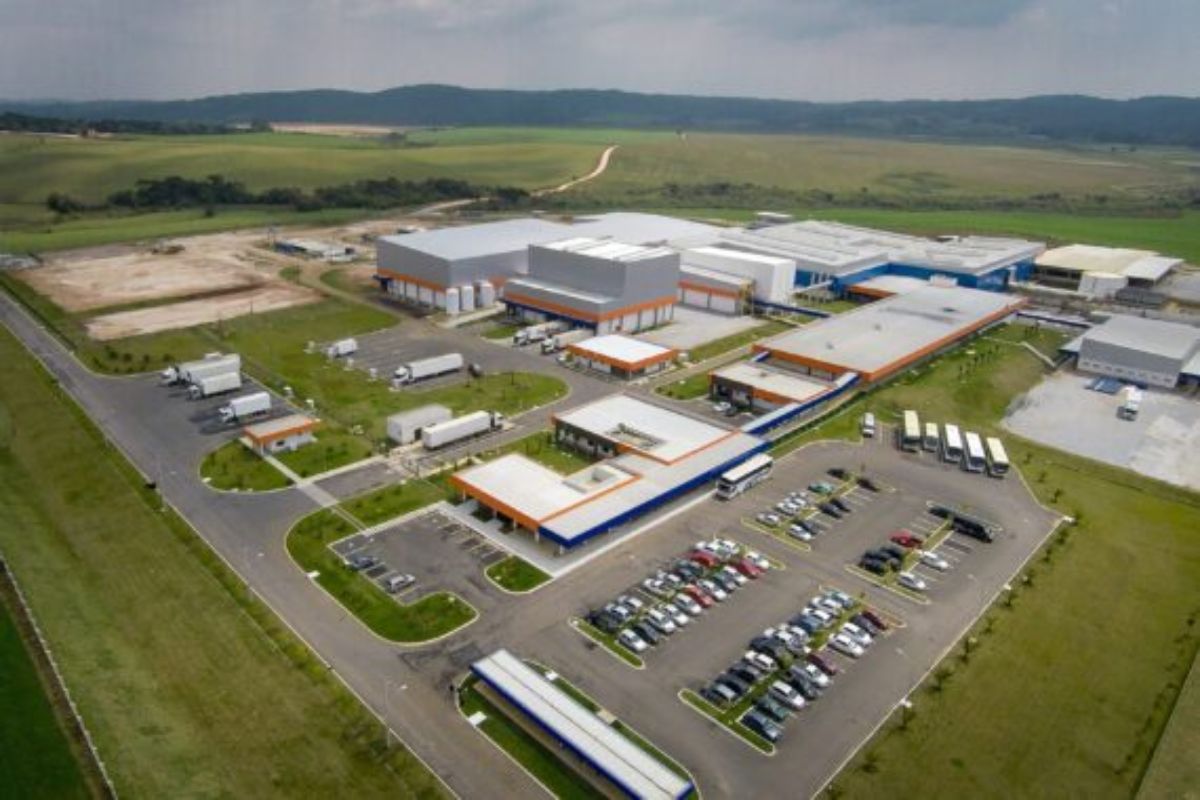


In Brazil Where the Meat Packer Usually Has a Powerful Surname, Aurora Alimentos Became a Meat Giant in the Brazilian Agricultural Business Using Cooperativism in a Producer Cooperative to Grow Without an Heir in Charge of Everything.
Over the decades, this cooperative that started small in Chapecó faced farmers’ distrust, export crises, fierce competition from Sadia, Perdigão, Seara, BRF, and JBS, and still grew in silence, without control scandals and without a single owner having the final word. The Story of Aurora Shows How a Company That Came from the Base of Cooperativism Became a Meat Giant and Today Is on the Table of Millions of Brazilians.
A Sector Dominated By Meat Titans
In the Brazilian Animal Protein Sector, the Battlefield Always Seemed Reserved for Giants. Sadia and Perdigão Fought a War Until They Ended Up Inside BRF, Seara Became a Piece Contested by Major Groups, and JBS Went from an Interior Meat Packer to One of the Largest Meat Producers in the World. It’s an Environment of Billion-Dollar Investments, Historical Family Groups, and Operations That Seem to Function Like Entire Cities at the Same Time.
-
The government requests the Federal Revenue Service for a new system to automate the income tax declaration, reducing errors, time, and bureaucracy for millions of Brazilians.

-
Pix in installments, international Pix, and contactless payment without internet: the Central Bank revealed the new features coming to the tool that is already used by almost every adult in Brazil.

-
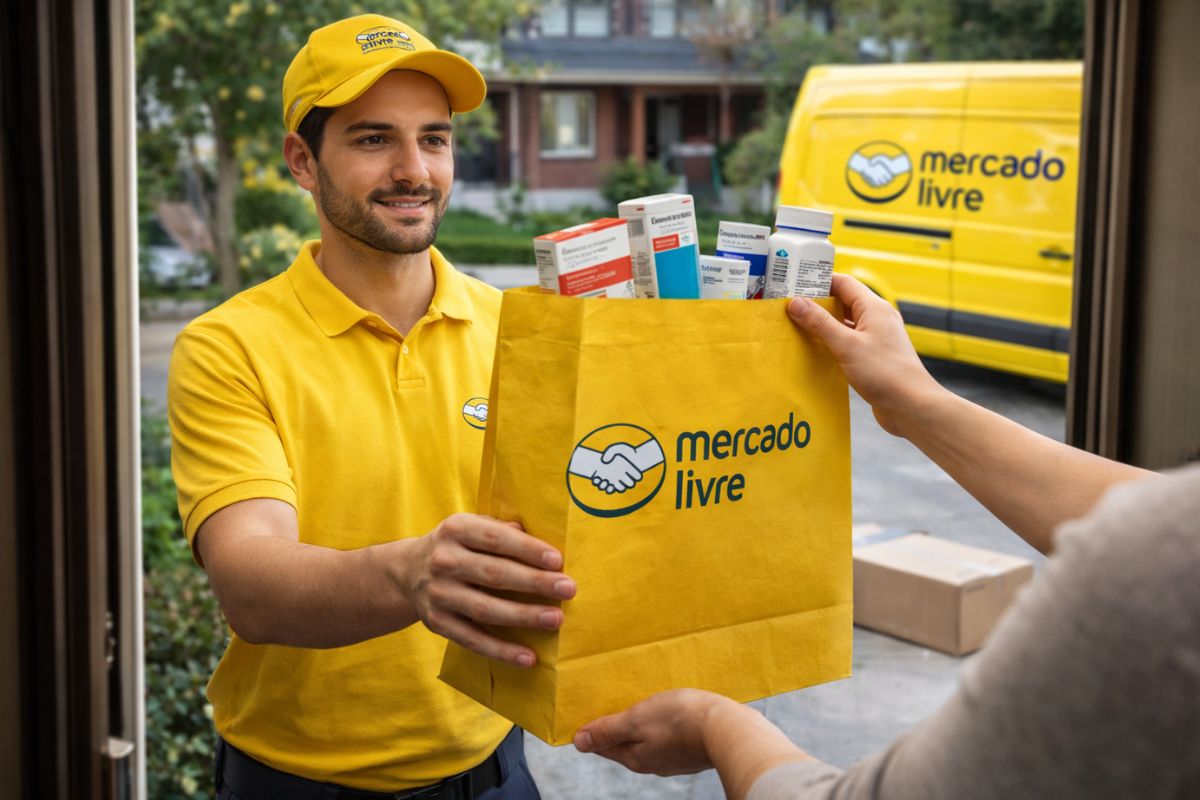
Mercado Livre has just started selling medications with delivery in up to three hours to your door, and this move could completely change the way Brazilians buy medicines on a daily basis.
-
In Dubai, rising tensions from the war in the Middle East are causing super-rich individuals to leave the Gulf and direct their fortunes to a new financial refuge in Asia.

In This Scenario, No One Would Imagine That a Cooperative from the Interior of Santa Catarina, Without a Dominant Clan and Without a Tycoon Behind the Scenes, Would Come Close to This Crowd.
Still, While Headlines Spoke of Mergers and Acquisitions Among Giants, Aurora Became a Meat Giant with Its Own Path, Less Noisy, Slower, but Built on Thousands of Small Properties Connected.
The Stubborn Trucker Who Planted the Seed


The Story Doesn’t Begin in the Boardroom; It Starts in the Cab of a Truck. Auri Luís Bodanese Was Born in Rio Grande do Sul, in a Family Connected to the Land, and at 22 He Moved to Chapecó, at a Time When the City Had More Dust than Asphalt and More Stuck Trucks than Loaded Ones.
By Driving Through the Countryside, He Saw Up Close the Drama of Those Raising Pigs Without Buyers and Harvesting Grains Without a Fair Price.
This Look at the Suffering of the Chain’s Base Pushed Auri Toward Cooperativism. He Came Closer to Groups of Farmers, Helped Structure Local Initiatives, and Participated in the Creation of Cooperatives That Later Formed COPERAL, in Western Santa Catarina.
From There, It Became Clear to Him That If Each Producer Fought Alone, Little Would Change. But if Organized in a Network, They Could Gain Scale and Negotiate on Equal Footing with the Big Companies.
What Makes a Cooperative Different from a Regular Business

Before Understanding How Aurora Became a Meat Giant, It’s Necessary to Understand the Ground in Which It Was Planted. In the Cooperative, There Is No Boss Commanding Alone; There Is a Group of People Who Come Together Voluntarily to Achieve Common Economic and Social Goals.
Each Member Has the Right to One Vote, Regardless of the Size of Their Production, and the Profit Is Shared Among the Base or Reinvested in the System Itself.
This Model Was Born Back Then, During the Industrial Revolution, Specifically to Allow Workers and Small Producers to Stop Being Held Hostage by the Large Industries. In the Santa Catarina Countryside, It Gained New Life. The Initial Challenge, However, Was Enormous.
No Farmer Wanted to Deliver Bags of Grain to an Entity That Practically Didn’t Exist Yet, Without a History, Without a Reference. Auri and Other Leaders Spent Months Talking, Visiting Properties, Explaining That the Cooperative Paid, That the Money Came Back, That No One Was Left Empty-Handed.
From Eight Cooperatives to Aurora, the Meat Giant
When the Idea Took Off, Came the Step That Would Change Everything. In 1969, Eighteen Leaders Representing Eight Cooperatives from the West Gathered to Discuss a Practical Problem.
If Producers Were Already Organized to Deliver Pigs, Why Continue to Depend on Outside Companies to Slaughter and Process What They Themselves Raised? The Answer Came in the Form of a Decision: To Create a Central Cooperative to Industrialize the Region’s Pork Production. Thus, the Central Aurora Alimentos Cooperative Was Born.
The Big News Is That Aurora Was Born as Everyone’s. Instead of a Single Owner, It Is a Second-Degree Cooperative, Made Up of Individual Cooperatives That, in Turn, Belong to Producer Families.
The Individual Cooperatives Elect Representatives Who Vote at the Central, Approve Projects, Evaluate Investments, and Define the Course of the Business. There Is No Heir in Charge, No Lifetime President, No Dominant Family; There Is Voting and Shared Responsibility.
The Virtuous Circle That Explains Why Aurora Became a Meat Giant

This Arrangement Creates a Powerful Chain Reaction. The Producer Stops Being Just a Supplier of Raw Materials and Becomes the Owner of the Result.
When the Central Invests in a Meat Packer, Factory, or New Plant, the Improvement Comes Back in Technical Assistance, More Stable Prices, and Participation in Profits. The System Is Designed so That Industrial Growth Translates into Safety and Predictability for Those with Their Feet in the Mud.
Another Point Is the Pact Among Affiliated Cooperatives. They Don’t Compete with Each Other for Producers or Price. Each One Organizes Its Region, Supports Local Families, and Directs Production to the Nearest Industrial Units. This Prevents “Self-Cannibalization” Within the System and Strengthens the Whole.
From This Base, Aurora Became a Meat Giant Because It Managed to Combine Something Rare in Agriculture: The Scale of a Large Company with the Logic of Cooperation.
When the Cooperative Becomes an Industrial Machine
With Cooperativism Already Consolidated, Aurora Stopped Being a Charming Promise to Become Heavy Operation. What Started with the Idea of Slaughtering 200 Pigs a Day Turned Into an Industrial Park That Today Slaughters About 35,000 Pigs Daily, Processes More Than 1.3 Million Birds Per Day, and Around 1.5 Million Liters of Milk Per Day, With a Portfolio of Over 850 Products, Including the Entire Line of Processed Pork. This Places the Brand in More Than 77 Percent of Brazilian Households and Present in Over 80 Countries.
When Such Numbers Appear on the Radar, the Cooperative Ceases to Go Unnoticed. In the Agro 100 Ranking Released by Forbes in Early 2025, Aurora Emerges as the 17th Largest Company in the Brazilian Agro Sector, with Revenue Exceeding 21 Billion Reais, and Rises to 5th Place When the Focus Is Only on Food and Beverages.
For a System That Was Born with Farmers Distrustful of Delivering Half a Bag of Grain, This Shows Why Aurora Became a Meat Giant in Practice, Not Just in Discourse.
David the Cooperator Among Billion-Dollar Goliaths
While Sadia and Perdigão Were Born as Family Businesses and Ended Up Merged into BRF, While Seara Went Through Different Groups Until It Landed in the Hands of a Multinational, and While JBS Grew from Generation to Generation of the Same Family Until It Became a Global Power, Aurora Followed the Same Path It Started, Without a Single Owner. That’s Why So Many People Compare Its Trajectory to a Modern Version of David Facing Several Goliaths in the Agribusiness.
But Here the Slingshot Is Not a Stroke of Luck; It Is the Sum of Thousands of Small Producers Who Decided to Walk Together.
Cooperation Became a Competitive Weapon and Explained How Aurora Became a Meat Giant Without Needing a Controlling Family, Without Going Public, and Without Relying on a Single Power Center.
Crises, Stumbles, and the Litmus Test of the Cooperative Model
Growing in the Animal Protein Sector Has Never Been a Straight Line. In 2017, During Operation Weak Meat, the Whole World Began to Look at Brazilian Meat Packers with Suspicion. China, One of the Main Destinations for Aurora’s Pork,
Shut Down Completely. There Were More Than 400 Containers of Products from the Cooperative Held in Chinese Ports, Tons of Goods Stopped Without Knowing If They Would Be Released or Destroyed.
In 2024, the Scare Came from Birds, with an Outbreak of Newcastle Disease in States of the South, Including Areas Where Aurora Operates. Because It Is a Zoonosis, the Incident Brought New Restrictions, Extra Certificates, and Even Temporary Suspension of Imports.
Even So, the Year Ended as One of the Most Relevant in the History of the Cooperative, with Revenues Close to 25 Billion Reais, More Than One-Third Coming from Exports and the Rest from the Domestic Market. Instead of Retreating, Aurora Continued to Invest, Expanded Its Portfolio, Entered Noble Cheeses, and Showed That a Cooperative System Can Also Play the Game of Big Players.
The Future of Those Who Became a Meat Giant Without a Billionaire Owner
By Now, It’s Clear That It Wasn’t Coincidence. Aurora Became a Meat Giant Because It Managed to Transform the Logic of Helping Each Other into a Long-Term Business Strategy, Without Giving Up Democratic Governance and a Direct Link with Those Who Produce.
While Many Companies Need to Balance Shareholder Pressure, Reputational Crises, and Price Wars, the Cooperative Continues to Respond, Above All, to the Base That Sustains It.
In a Brazil That Still Associates Large Agro Companies with Famous Surnames or Financial Groups, Aurora’s Story Serves Almost as an Uncomfortable Reminder That There Is Another Path. A Slower, More Collective, More Laborious Path, but That Can Place a Brand Among the Largest in the Country Without Taking Control from Those in the Field.
And You, After Learning This Story, What Do You Think of This Model Where a Cooperative Became a Meat Giant Without a Billionaire Owner or Heir in Charge of Everything? Is It the Type of Organization You Trust More, or Do You Still Prefer the Traditional Giants?








Modelo de sucesso com participação intensa dos produtores e lucrativa!!!
Parabéns, que as VITÓRIAS AUMENTEM!!!