





 Português
  Inglês
  Espanhol
  4 min de leitura
  0 comentários


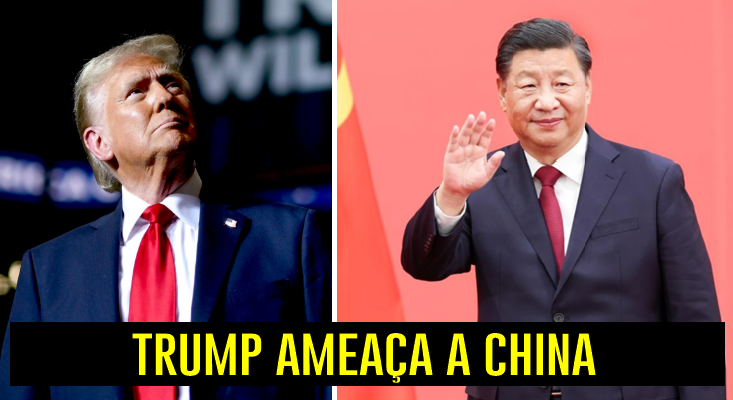
With The Victory Of Donald Trump, Economic Threats To China, With Tariffs And Sanctions That Could Deeply Impact The Chinese And Global Economy
Recently, Trump declared that he may impose tariffs of up to 60% on imports of Chinese products. With the victory of Donald Trump, this measure represents significant pressure on the Chinese economy, the second largest in the world, which is in a scenario of economic vulnerability and faces a series of structural challenges.
Next, we explore the main reasons why this threat may deeply impact Chinese growth.
Crisis In China’s Real Estate Market
In 2018, China’s real estate market played a crucial role in the economy, accounting for about a quarter of the country’s economic activity.
-
If the USA were to go to war with Brazil, Washington’s greatest fear would not be the attack itself, but facing a vast territory, prolonged resistance, and a costly, chaotic, and unpredictable occupation.

-
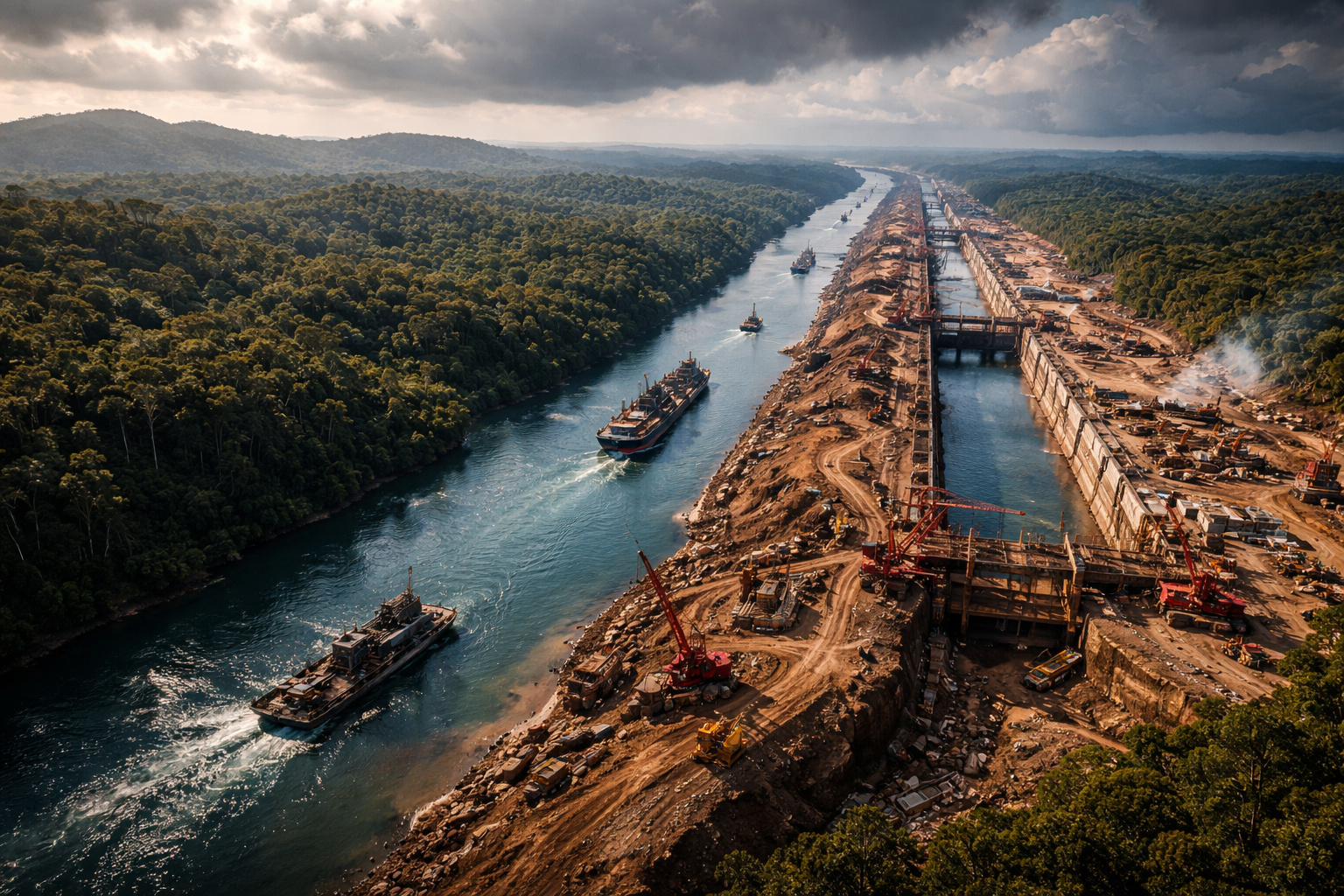
In 2013, Nicaragua sold the concession for a canal to rival Panama to a Chinese billionaire who lost 85% of his fortune, disappeared, and was declared bankrupt. Now the project resurfaces with a new route, a new Chinese partner, and a cost of $64.5 billion.
-
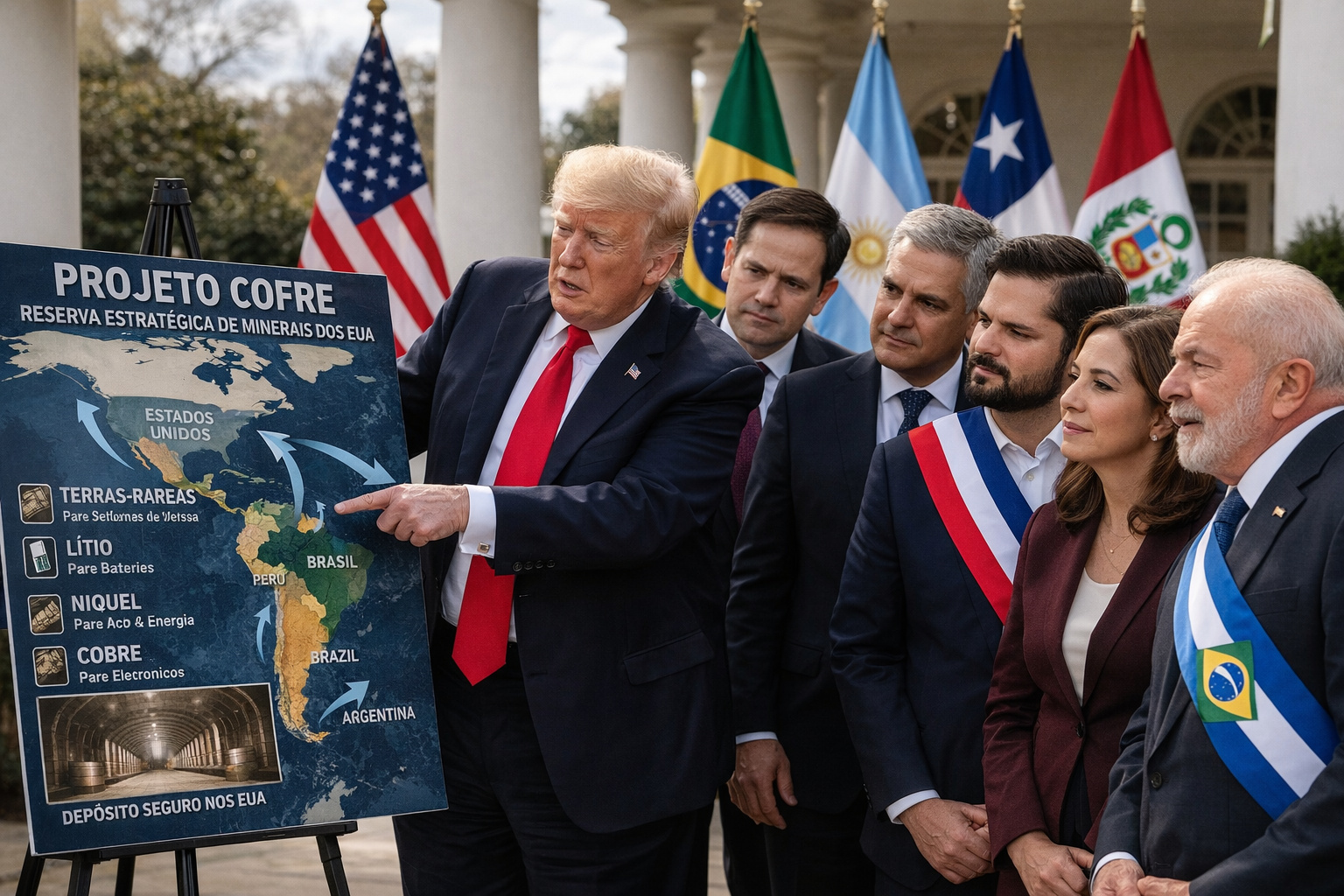
The USA announces a mysterious billion-dollar vault project to store critical minerals, but what intrigues experts is not just the plan itself, but why Latin America, including Brazil, has entered the center of this global dispute against China.
-
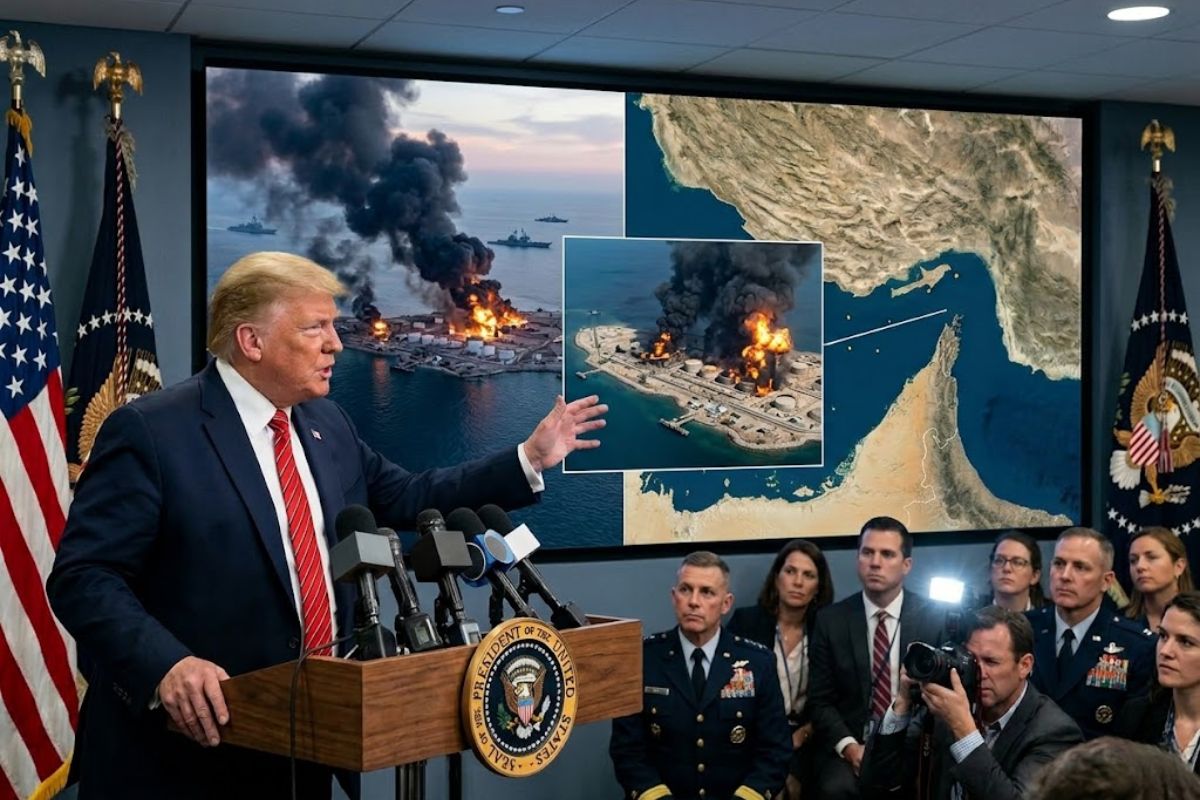
Trump Announces Bombing of U.S. Military Targets on Iranian Island Responsible for About 90% of Iran’s Oil Exports, Warns of Further Attacks if Navigation in Strategic Strait of Hormuz Is Threatened

This booming sector provided a significant source of revenue for local governments, which relied on land auctions to finance residential projects and maintain regional financial health. This scenario, however, began to change in 2021, when the real estate market entered a crisis.
With the collapse of this sector, local government revenues plummeted, and the prospects for a market recovery are bleak.
The oversupply of properties and the loss of confidence among investors and buyers indicate that the real estate sector may never again play the same role as a driver of the Chinese economy.
This situation increases the country’s vulnerability to new economic shocks, such as tariffs that may be imposed by the United States.
Public And Private Debt
The real estate crisis also resulted in a debt burden for local governments in China. The indebtedness of municipal and provincial governments has become unsustainable, restricting the country’s ability to respond to any new crisis.
In 2023, the International Monetary Fund (IMF) estimated the total debt of the Chinese government sector at around 147 trillion yuan (approximately US$ 20.7 trillion). Adding household and corporate debts, the amount exceeds 350 trillion yuan, which represents about three times the size of the Chinese economy.
To alleviate this pressure, the central government in Beijing has already aligned fiscal support policies, but the burden is enormous. High indebtedness not only reduces China’s fiscal flexibility but also limits its ability to implement economic stimuli that could offset the impacts of American tariffs.
Weak Internal Demand
Another critical factor is the weakness of internal demand. The share of Chinese household consumption in GDP is below 40%, about 20 percentage points behind the global average.
This reduced consumption is due to a variety of factors, such as low wages, insufficient pensions, high youth unemployment, and a weak social safety net. As a result, the Chinese economy is heavily dependent on exports and, consequently, vulnerable to fluctuations in global trade.
Strengthening internal demand would require considerable effort from the Chinese government to restructure national income distribution. This includes promoting reforms that reduce the tax burden on families and increase investments in social security, retirement, and health.
However, to date, the authorities have focused on modernizing the export-oriented manufacturing sector, which has led to advances, especially in the production of electric vehicles, solar energy, and batteries.
Deflationary Pressures
The crisis in the real estate sector, rising debt, and low consumption have fueled deflationary pressures in the Chinese economy.
Since the policy of redirecting resources from the real estate sector to the manufacturing sector was implemented, what many Western governments see as a strategy to increase industrial capacity, deflation has become a concern.
These deflationary pressures manifest in both industrial production and consumer prices. In 2018, producer price inflation in China was 4.6%; however, in September 2024, that number fell to -2.8%.
This deflationary scenario threatens economic growth, as it discourages consumption and negatively impacts business confidence.
If new tariffs affect external demand for Chinese products, the situation could worsen even further, amplifying the excess industrial capacity.
Limited Space For Yuan Depreciation
Another point of vulnerability is the limited capacity of the Chinese government to depreciate the national currency, the yuan. In 2019, the yuan ended the year about 10% weaker against the dollar, which helped offset the tariffs imposed by Trump during his first term.
However, to neutralize a possible 60% tariff, the yuan would need to depreciate about 18% against the dollar, which would bring it to an exchange rate close to 8.5 yuan per dollar – a level not seen since the Asian financial crisis of the 1990s.
Additionally, Chinese authorities have expressed concern about the potential outflow of capital. In 2024, authorities already attempted to prevent the yuan from falling below 7.3 against the dollar, indicating the difficulty of implementing a full depreciation.
This leaves the Chinese economy in a delicate position, with little room to cushion the impact of tariffs on external trade.
Other Factors Aggravating China’s Economic Situation
During the COVID-19 pandemic, the U.S. government injected trillions of dollars in stimuli into the economy, which indirectly benefited China, as American consumers spent a portion of those resources on Chinese products.
Furthermore, Russia’s invasion of Ukraine resulted in Moscow’s exclusion from Western markets, increasing demand for Chinese products.
However, these events, which provided a temporary boost to China, are unlikely to be repeated. The economic recovery of Western countries post-pandemic and the restructuring of supply chains to reduce reliance on Chinese products indicate that the current scenario is less favorable for Beijing.
Victory Of Donald Trump
With the victory of Donald Trump, the threat of new 60% tariffs represents a significant challenge for China.
The second largest economy in the world, already facing a real estate crisis, high indebtedness, weak internal demand, and deflationary pressures, may see its growth further hindered if tariffs are effectively implemented. Donald Trump’s victory could be a headache for China.










Seja o primeiro a reagir!