





 Portuguese
  English
  Spanish
 3 min of reading


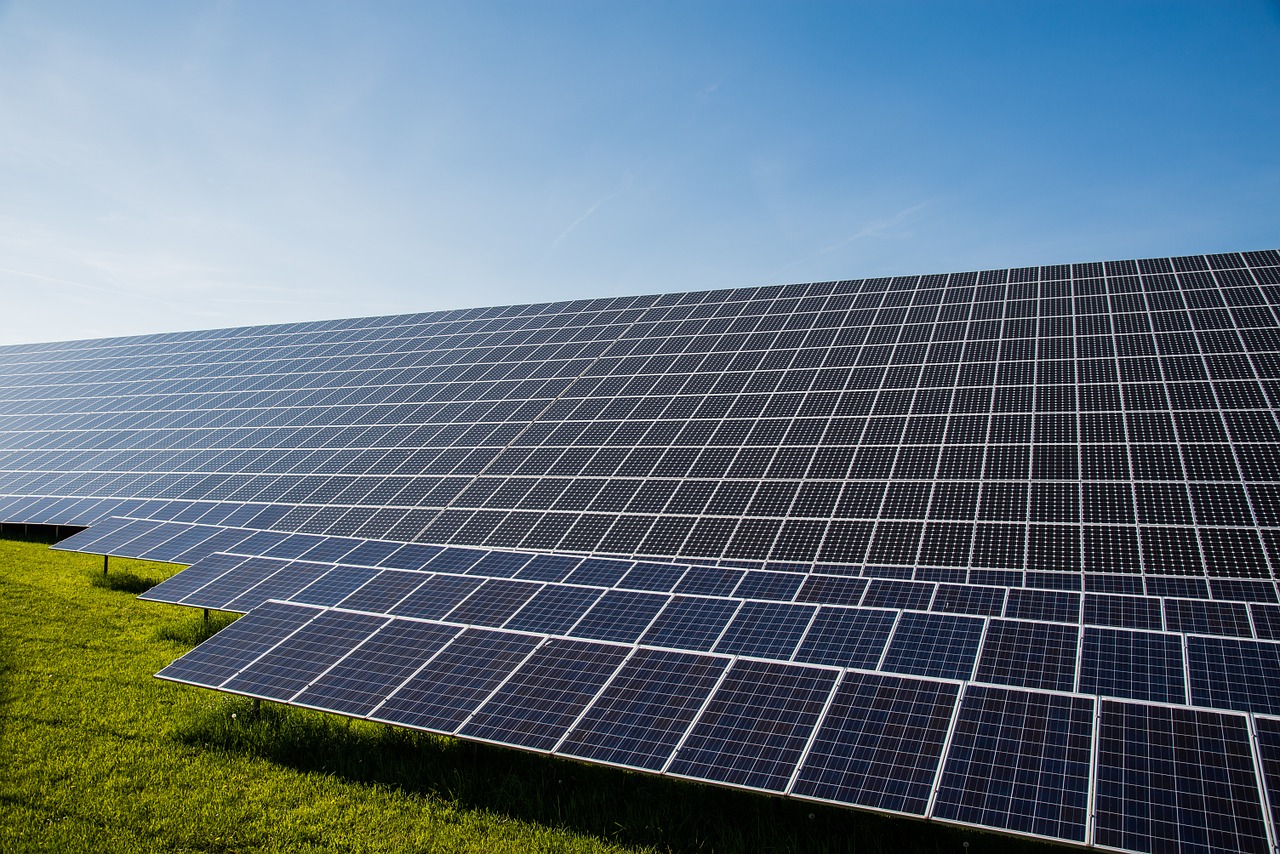
Vivo Is Set to Invest in the Renewable Energy Sector and Will Inaugurate Photovoltaic Plants in the State of Sergipe. The Energy Units Installed in Lagarto and Itabaiana Will Serve 280 Consumer Units of the Company and Bring Socio-Environmental Benefits.
On the last Wednesday (07/27), Vivo announced that it will inaugurate, still this week, in partnership with the Gera Group, two photovoltaic plants in the distributed generation model in the state of Sergipe. Together, the renewable energy sources will produce 860 MWh/year and will ensure socio-environmental advantages, one of the company’s new purposes.
The New Initiative Is Part of Vivo’s Project to Implement 85 Renewable Source Plants
In this sense, it is important to highlight that the initiative is part of a new project by the company aimed at implementing 85 plants using solar, hydro, and biogas sources across the country, with 33 of them already in operation. For the Northeast, the construction of 13 energy units is planned, seven of which are already operational, considering the new launches. The new plants in Sergipe will serve 280 consumer units of Vivo.
The energy unit in the municipality of Itabaiana is installed at Km 216 of the SE Highway, next to the village of Boeiro. The one in Lagarto is located on the BR 235 highway, in Sítio Vermelho. Considering the construction and operation stages, the units together create 141 jobs. In the distributed generation model, the energy produced in the plants is fed into the local utility grid, in this case, Energisa SE, and transforms into credits for the consumer company’s use.
-
Renewable energy advances over protected areas in Brazil, and a survey by the Energy Transition Observatory reveals silent impacts that challenge environmental conservation and pressure sensitive traditional territories.

-
Rio Grande do Sul accelerates energy transition: State invests in renewable technologies and consolidates decarbonization strategies and pathways to attract billions in new industrial investments.

-
With 160,000 m² of collectors, an area larger than 20 football fields, Silkeborg, in Denmark, hosts a solar thermal plant that heats 19,500 homes and could become the largest solar heating plant in the world.

-
A study reveals the expansion of renewable energy procurement in Brazil and shows how companies are taking advantage of opportunities to reduce expenses, ensure energy efficiency, and strengthen strategic environmental commitments.

Besides bringing advantages to the environment, due to being renewable and low-impact, the distributed generation model helps alleviate the distribution system and reduces costs, inefficiencies, and losses in transmission. Furthermore, it brings benefits to people, businesses, and the planet, as renewable energy also contributes to reducing CO2 emissions and helps mitigate global warming, which causes climate change and environmental imbalance.
The Company’s Consumption Has Been 100% Renewable Since 2018
Thus, present in the lives of thousands of Brazilians, with over 112 million accesses in fixed and mobile networks in the country, Vivo is also a large consumer of energy. Therefore, its energy consumption has been 100% renewable since 2018, derived from distributed generation, the Free Energy Market, and the purchase of renewable production certificates, the I-RECs, meaning wind energy.
The expansion of distributed generation across Brazil marks the company’s commitment to sustainable development and helps change the energy matrix, as the plants in distributed generation will be 61% from solar sources, 30% from hydro sources (small hydropower plants), and 9% from biogas. In total, the units will produce over 711 thousand MWh/year, sufficient energy to supply a city with up to 320 thousand inhabitants.
Moreover, Vivo also heavily engages in energy efficiency initiatives to reduce consumption. Its energy efficiency projects resulted in 62.38 GWh of savings in 2021 alone. A signatory of agreements and institutions promoting clean and conscious energy consumption, such as RE100, the company is focused on the future.
The environmental challenge for Vivo Group to reduce energy consumption per traffic unit by 90% by 2025 compared to 2015 continues, maintaining 100% of its electricity generated from green sources.









Seja o primeiro a reagir!