





 English
  Francês
  Alemão
  Italiano
  Japonês
  Norueguês
  Portuguese
  Spanish
  3 min of reading
  0 comments


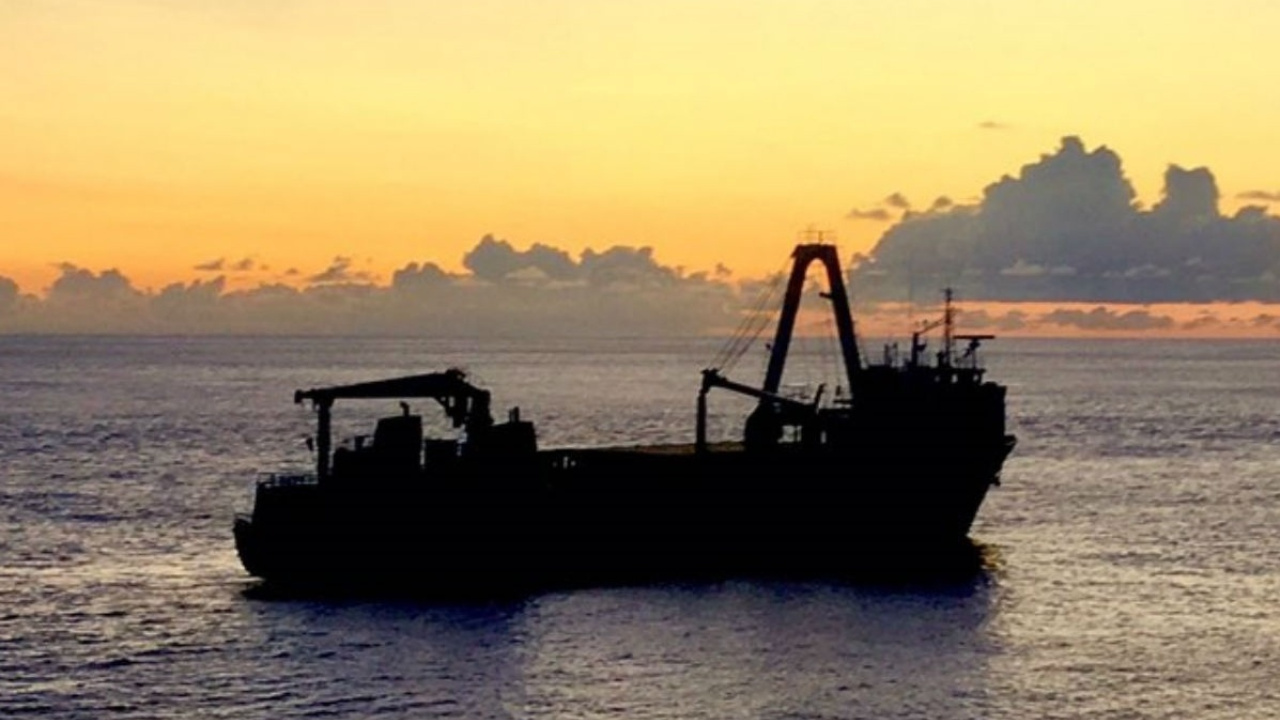
Scheme with “Ghost Ships” Allows Iran to Evade International Sanctions and Maintain Oil Exports, Generating Around US$ 50 Billion Per Year for the Revolutionary Guard.
Oil has returned to the center of a billion-dollar machine that operates away from the spotlight. Even under strict international sanctions, Iran maintains a heavy flow of exports. Much of this revenue supports the powerful Revolutionary Guard.
The Revolutionary Guard in Iran does not operate solely as a military force. It controls a vast economic empire. It is present in strategic sectors such as construction, infrastructure, and the petrochemical industry. Major national projects go through companies linked to the group. Conglomerates valued in the billions of dollars orbit its structure.
However, it is oil that guarantees the primary source of revenue.
-
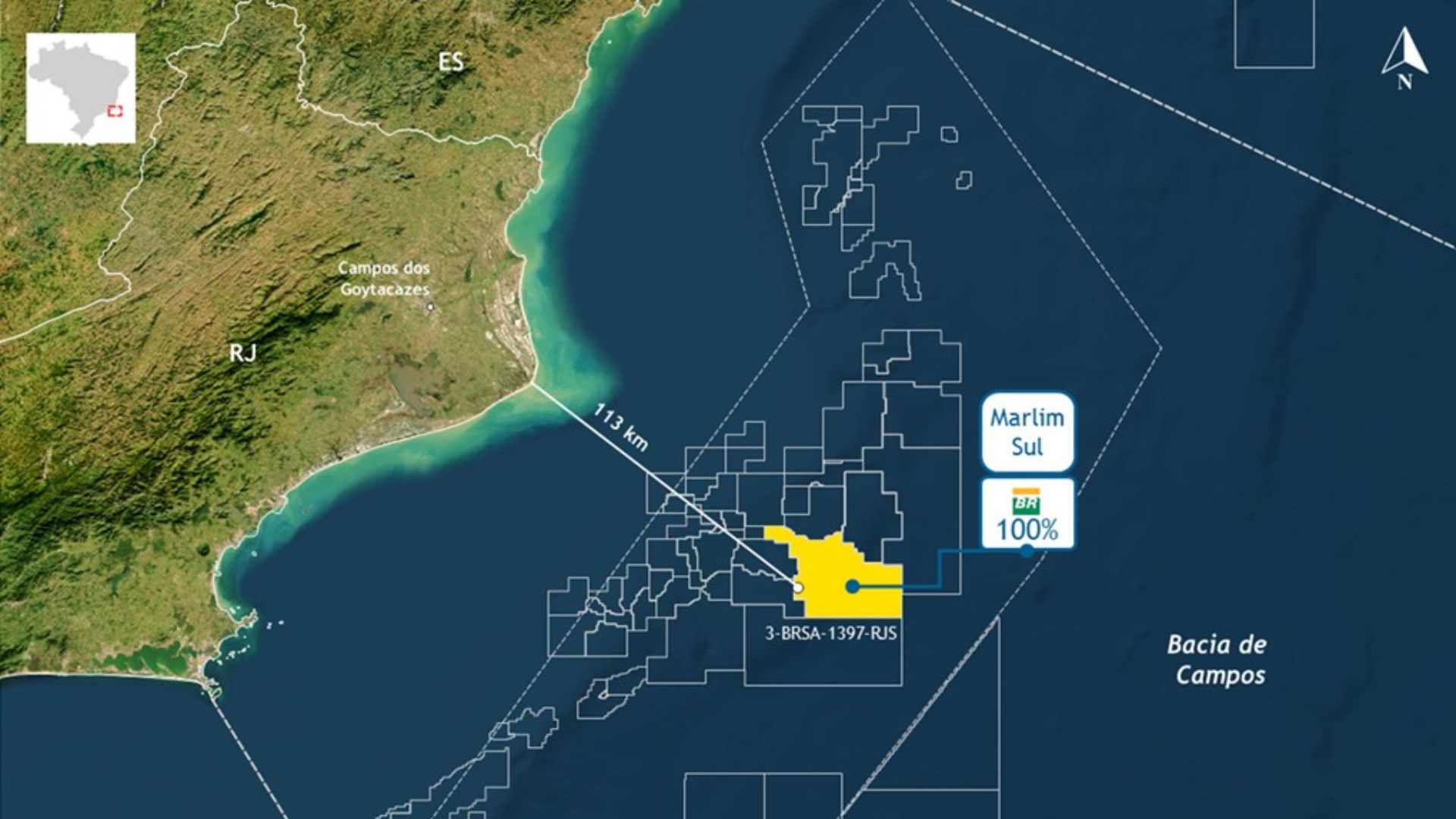
Petrobras announces new oil discovery in the pre-salt of the Campos Basin and reinforces Brazil’s prominence with high-quality reserves that can increase production and energy revenues.
-
Alert in the fuel market: Analysts and a former director of ANP warn that oil prices may worsen in the coming months due to global instability.
-
Ocyan brings executives and digital solutions to Macaé Energy 2026 and highlights offshore expansion with Nexio and a new base in Macaé.

-
Petrobras advances 4.6% with rising oil prices and the dollar, reigniting the debate on macro risks, pricing policy, and fiscal impact in Brazil.

International Sanctions and the Creation of the “Ghost Ships”
The sanctions imposed on Iran officially restrict the sale of oil in the international market. Still, every day, around two million barrels leave the Iranian coastline.
The operation occurs quietly. As they approach regions like Indonesia and Malaysia, vessels turn off their tracking systems. They disappear from the radar. For this reason, they have become known as “ghost ships.”
At sea, the oil is transferred to another vessel. This second ship sails under a different flag. Later, the cargo’s primary destination is China.
This exchange makes it difficult to identify the origin of the product. Thus, Iranian oil continues to circulate, even under embargo.
A Parallel Market Generating US$ 50 Billion Per Year
The clandestine machinery has created a highly lucrative parallel market. Estimates indicate that the scheme generates around 50 billion dollars per year for the Revolutionary Guard.
This amount finances both the internal structure and external operations. Meanwhile, inside the country, the reality is different.
At the end of January, the rial reached its lowest value in history. Inflation continues to pressure prices. The population faces growing difficulties.
Still, oil revenue remains a key piece for sustaining the state apparatus. Amid diplomatic isolation and trade restrictions, the regime found an alternative route at sea to maintain the flow of billions.








Seja o primeiro a reagir!