





 Portuguese
  English
  Spanish
  3 min of reading
  0 comments


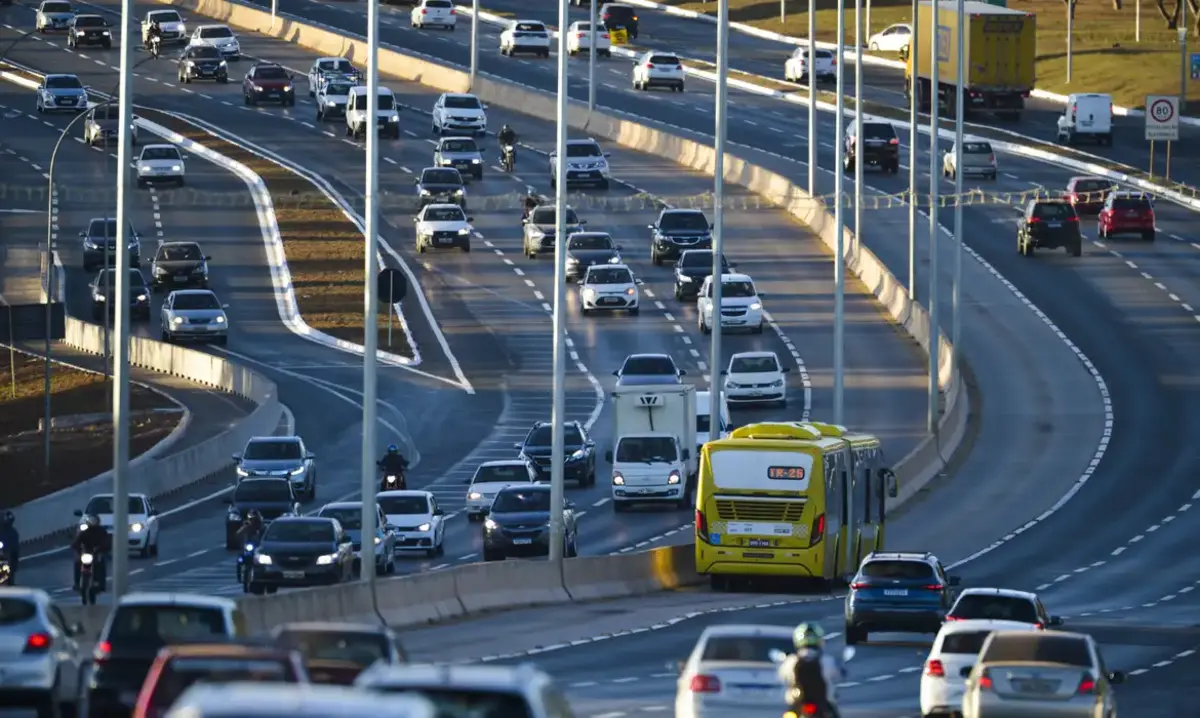
Project Proposes National Exemption of IPVA for Vehicles 21 Years or Older, Ending Differences Between States and Benefiting Owners of Classic Cars
The Chamber of Deputies is discussing a proposal that could bring relief to millions of drivers in Brazil: the national exemption of IPVA for passenger cars manufactured until 2004. Today, each state defines its own rules regarding the tax, which generates inequality and confusion among vehicle owners.
Unification of Rules Across the Country
The goal of the project is to unify the legislation, establishing a single criterion valid throughout the country. Currently, IPVA (Tax on the Ownership of Motor Vehicles) is one of the main sources of state revenue, generating around R$ 70 billion in 2024.
However, the lack of a standardized rule allows the same vehicle to be exempt in one state while still paying tax in another.
-
The government requests the Federal Revenue Service for a new system to automate the income tax declaration, reducing errors, time, and bureaucracy for millions of Brazilians.

-
Pix in installments, international Pix, and contactless payment without internet: the Central Bank revealed the new features coming to the tool that is already used by almost every adult in Brazil.

-
Mercado Livre has just started selling medications with delivery in up to three hours to your door, and this move could completely change the way Brazilians buy medicines on a daily basis.

-
In Dubai, rising tensions from the war in the Middle East are causing super-rich individuals to leave the Gulf and direct their fortunes to a new financial refuge in Asia.


Under the proposal, all passenger cars 21 years or older — that is, manufactured until 2004 — would be automatically exempt, regardless of the state in which they are registered.
Progress and Possible Approval in 2026
The process is still ongoing. The project is undergoing debates in Congress and public hearings that assess the fiscal and social impacts. If approved by the end of 2025, the new rule could come into effect as early as 2026.
Financial Relief for Families with Classic Cars
The measure would provide immediate financial relief for families that depend on older vehicles, with market values ranging between R$ 10,000 and R$ 30,000. An example cited is the 2004 Volkswagen Gol, which has an approximate value of R$ 15,000 in the FIPE table.
In states with a 4% rate, such as São Paulo, the IPVA for such a vehicle amounts to R$ 600 per year. With the exemption, the owner would no longer incur this cost.
This saving could be used to cover maintenance expenses, fuel, and other essential needs. Additionally, the end of the tax on models like Palio, Corsa, Fiesta, and Vectra could boost the used car market and encourage the preservation of older vehicles.
Ending Regional Differences in IPVA Taxation
The proposal also corrects existing distortions among the states. In Santa Catarina, for example, exemption only occurs after 30 years. In Minas Gerais, there is no age-based exemption. With the new rule, these differences would be eliminated, promoting greater tax balance.
States Prepare for Loss of Revenue
On the other hand, governors and finance secretaries express concern. Since IPVA represents an important source of revenue for areas such as health, education, security, and infrastructure, the change may affect state budgets, particularly those with older vehicle fleets.
To offset potential losses, states may review other exemptions, increase rates for newer vehicles, or create new sources of revenue, such as environmental fees. Implementation will require careful planning to ensure the maintenance of essential public services.
With information from Tribuna de Minas.








Seja o primeiro a reagir!