





 Portuguese
  English
  Spanish
  4 min of reading
  0 comments



Drivers Across Brazil Face New Challenge When Refueling In July Due To Temporary Suspension Of Fuel Oversight, Raising Concerns About The Quality Of Products Sold At Gas Stations. Situation Requires Caution Throughout The Month.
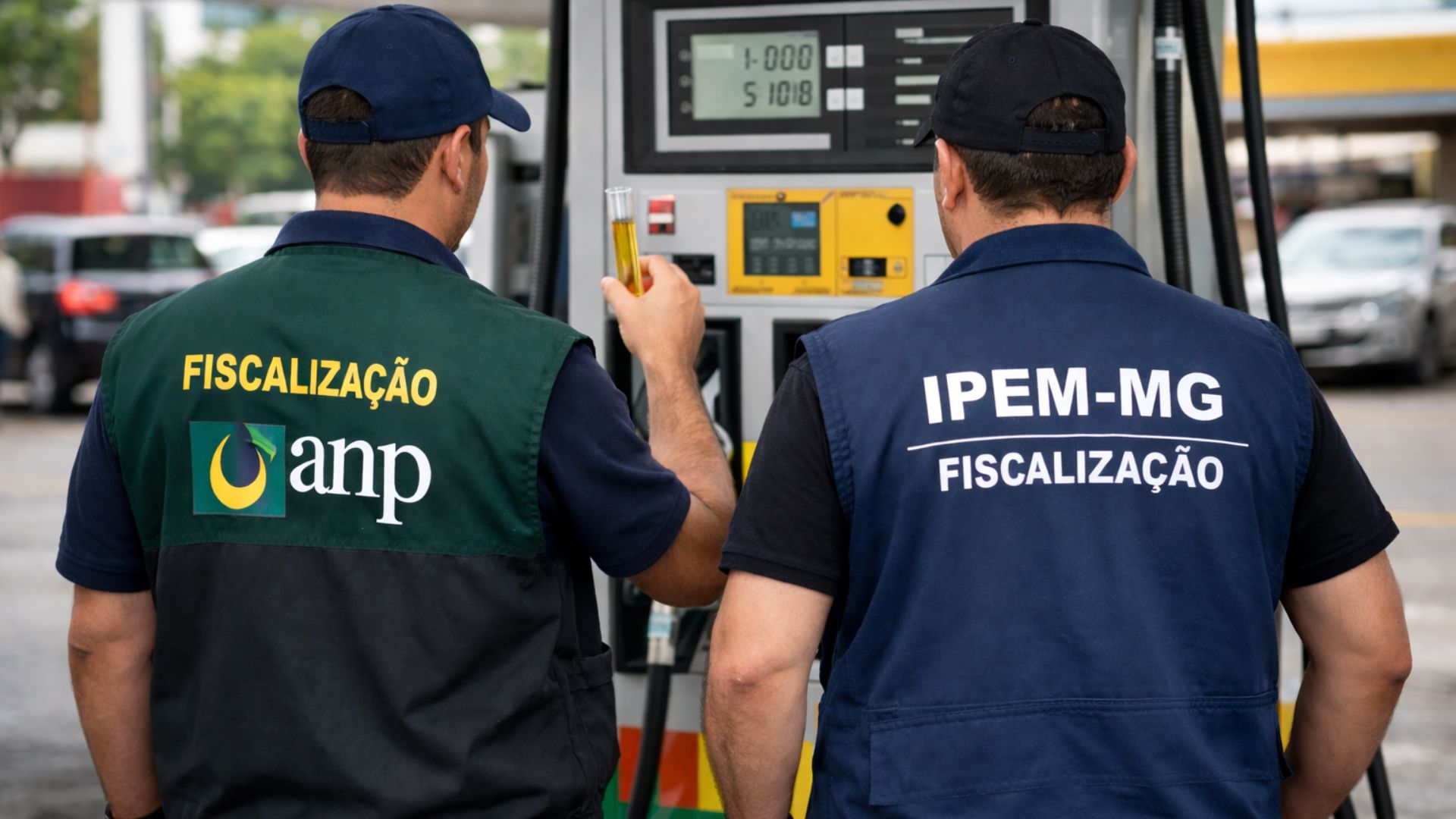
Starting July 1st, drivers across Brazil should be extra cautious when refueling their vehicles due to the temporary suspension of the Fuel Quality Monitoring Program (PMQC).
According to the National Agency of Petroleum, Natural Gas and Biofuels (ANP), throughout July 2025, there will be no systematic oversight of the quality of gasoline, ethanol, and diesel sold at gas stations across the country.
The alert is even more important given the average price of gasoline, which reached R$ 6.23 per liter in the last week of June, according to an official survey by ANP.
-
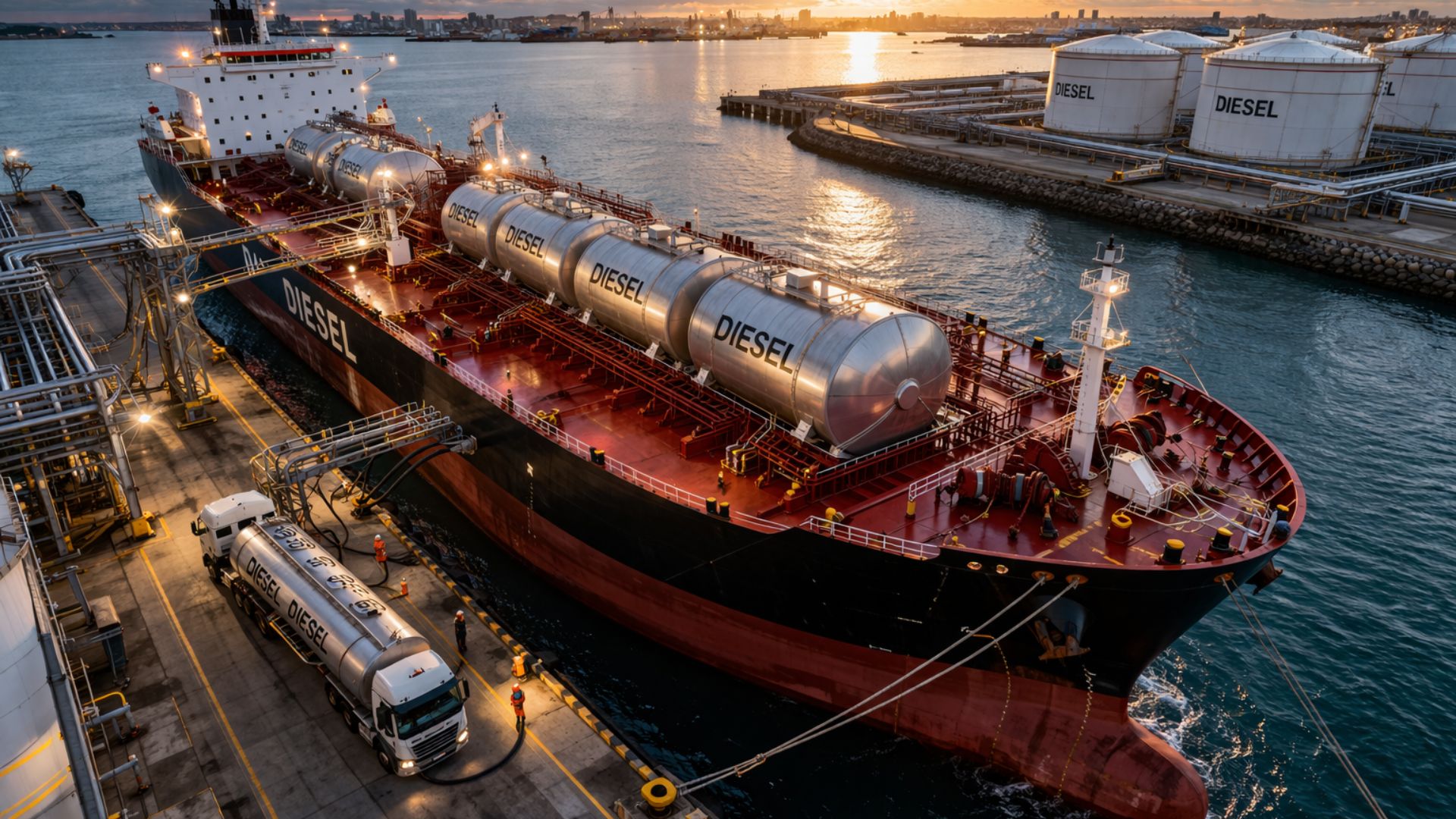
Former president of IBP highlights that dependence on diesel imports pressures prices in Brazil, increases vulnerability to global crises, and underscores the need for more robust and sustainable energy policies.
-
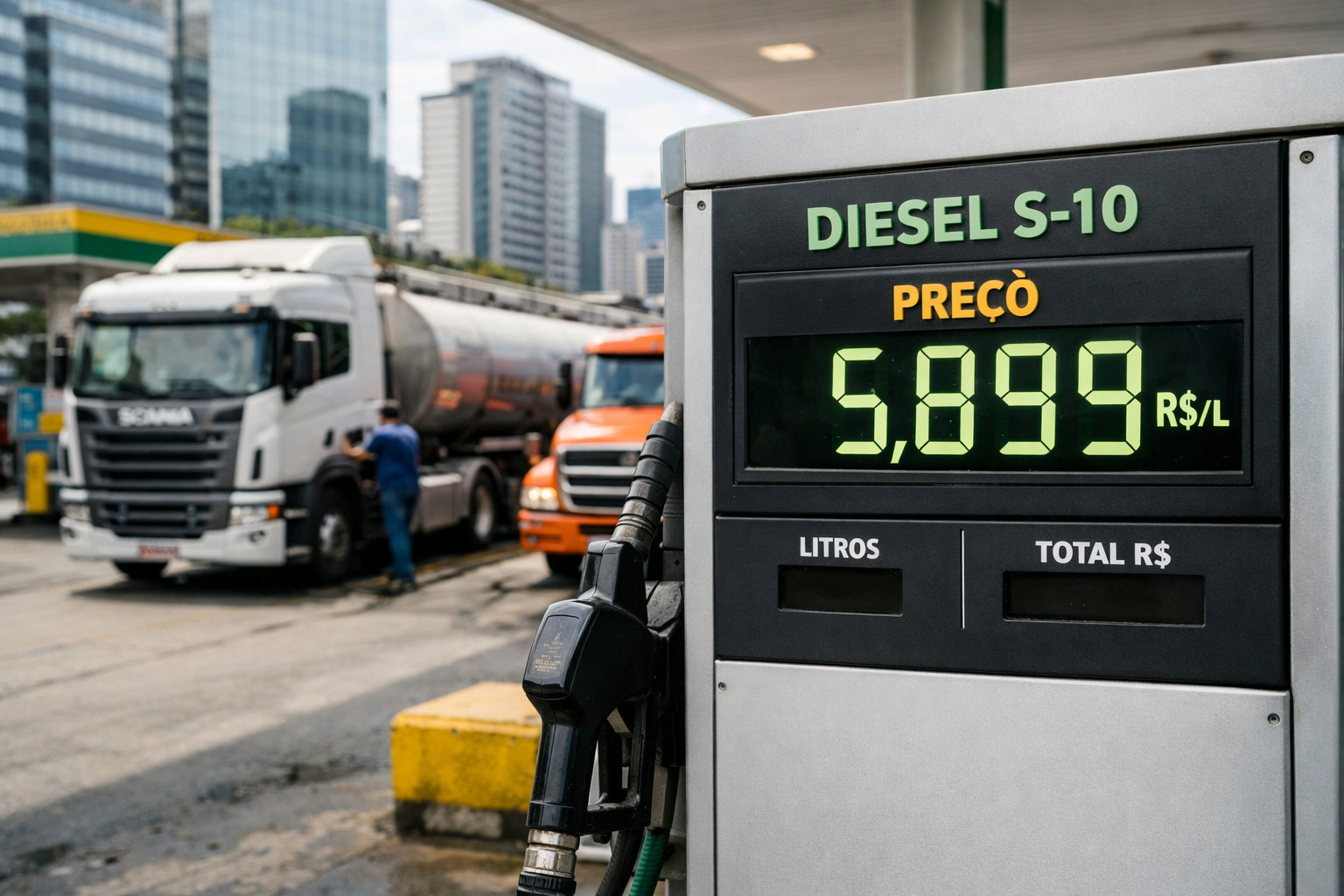
Middle East War Drives Up Oil Prices, And Petrobras Increases Diesel: Fuel Reaches R$ 3.65 Per Liter At Distributors
-
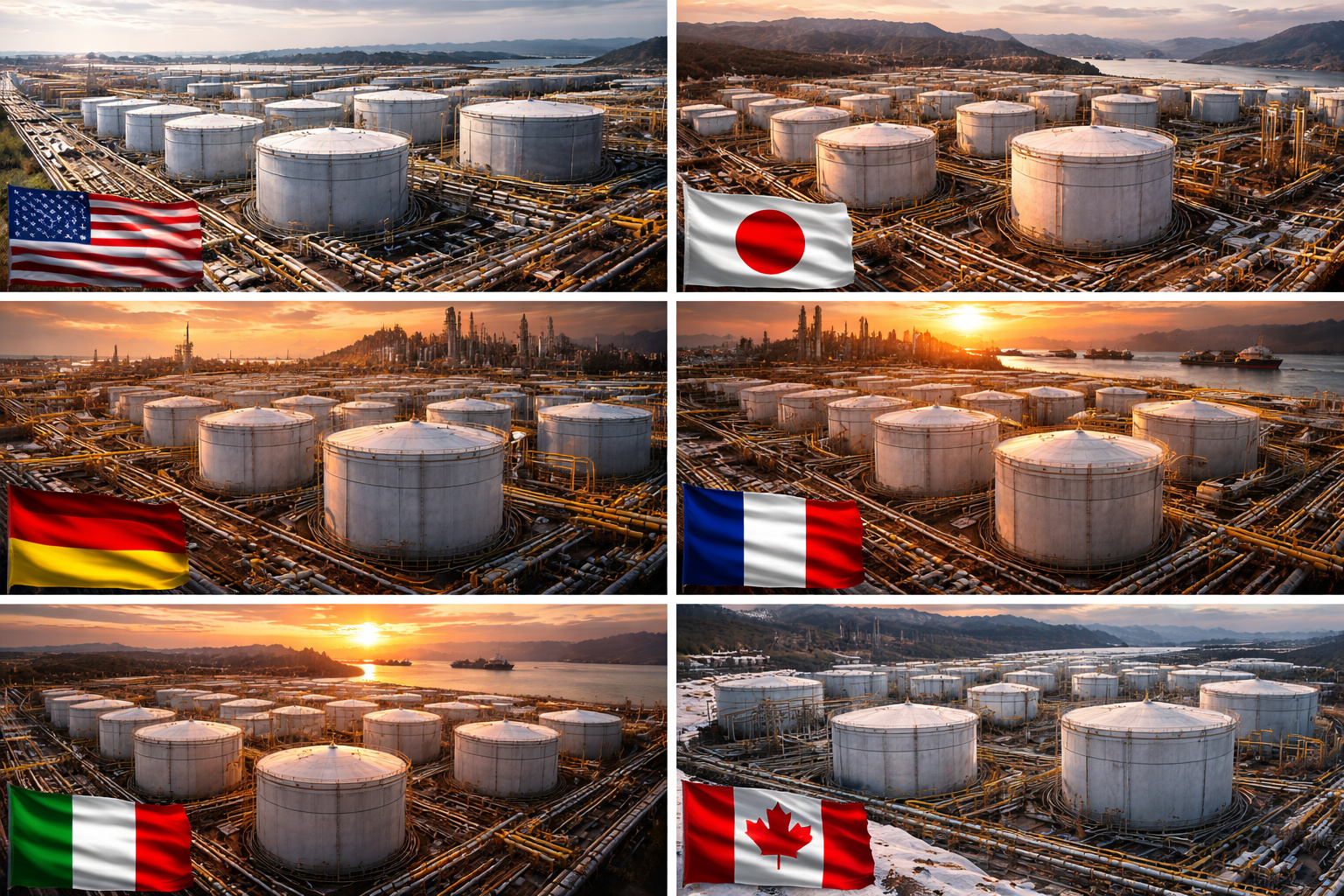
Oil Soars to Nearly $120, Middle East Tensions Shake Global Market, and a Little-Known Detail Returns to Energy Debate: The Gigantic Strategic Reserves Hidden by G7 Countries — See How Many Millions of Barrels Each Nation Holds in Reserve to Face a Global Crisis
-
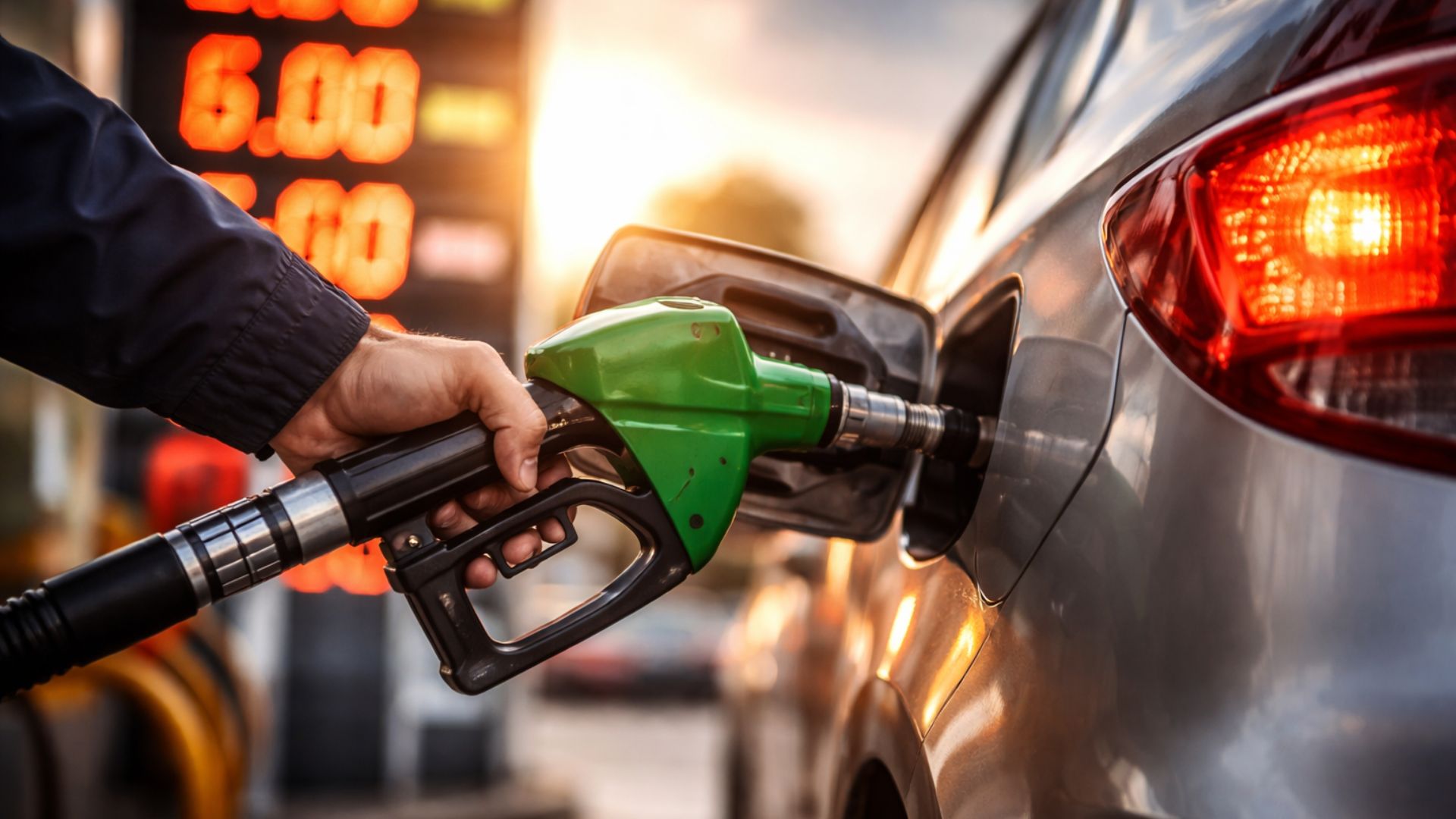
Gasoline And Diesel May Change Course In Brazil: International Oil Pressure Renews Debate On Prices And Direct Impact On Drivers’ Wallets

The interruption of monitoring occurs in a context of budget constraints.
Data from ANP indicates that, in 2013, the agency had authorization for discretionary expenses equivalent to R$ 749 million (amount adjusted by the Extended Consumer Price Index – IPCA).
In 2024, this amount dropped drastically to R$ 134 million, representing a reduction of 82%.
For the year 2025, the initial approved budget was R$ 140.6 million, but, after Decree No. 12,477 of May 30, 2025, there was a new resource blockage, resulting in yet another cut of R$ 27.7 million, limiting the agency’s resources to R$ 105.7 million.
Fuel Quality Oversight: Importance of Monitoring
The Fuel Quality Monitoring Program was created in 1998 and has since conducted monthly collections of samples of gasoline, ethanol, and diesel at fuel retail stations across all regions of Brazil.
These samples are randomly selected and sent to the ANP’s Research and Technological Analysis Center (CPT) in Brasília, as well as to partner laboratories at universities and specialized institutions.
The goal is to verify whether the fuels meet the technical parameters established by the agency.
When oversight indicates the sale of fuel outside specifications or with adulterated quality, gas stations may be fined, with penalties ranging from R$ 20,000 to R$ 5 million.
In more severe cases, equipment may be sealed, and the establishment receives an identification banner stating “INTERDITADO PELA ANP” (CLOSED BY ANP).
Reopening only occurs after a new inspection and authorization from the regulatory agency or accredited representatives.
What Changes for the Consumer During the Suspension of Oversight
Without regular monitoring, oversight of fuel quality is compromised.
The risk of drivers refueling with adulterated products increases.
This requires extra attention from consumers, especially considering the possibility of variations in vehicle performance and even damage to the engine.
Experts emphasize that during this period, care in choosing the gas station is even more important to avoid losses.
Essential Precautions When Refueling Without Oversight
With the suspension of oversight, it is recommended to choose trusted fuel stations, preferably from nationally recognized networks.
Establishments with a history of quality are less likely to sell adulterated fuel, according to industry experts.
Additionally, beware of prices significantly below the regional average, as this may indicate potential irregularities in the product sold.
If a driver notices changes in vehicle performance shortly after refueling — such as difficulty starting the engine, fluctuations in idle, or acceleration failures — it is essential to seek advice from a trusted mechanic.
These symptoms may indicate the presence of impurities or additives outside the standards, harming engine performance and increasing fuel consumption.
How to Identify Signs of Adulterated Fuel
The most common warning signs include:
- Engine Cranks But Takes Time To Start, Especially In The Morning
- Excessive Fluctuation Of The Tachometer While The Vehicle Is Stationary
- Acceleration Failures Or Loss Of Power, Especially When Starting The Movement
- Excessive Fuel Consumption, Even Without Changes In Usage Patterns
These indicators may manifest individually or in combination, and, in addition to affecting performance, tend to increase fuel expenses.
What To Do If You Suspect Adulterated Fuel
Upon noticing any of these signs, the recommendation is to not use the remaining fuel in the tank.
While emptying the tank completely may seem like a way to avoid waste, experts point out that it could lead to even greater losses due to repairs and maintenance.
The recommendation is to immediately consult a qualified professional to drain and clean the system.
For complaints, the consumer can contact the National Consumer Secretariat (Senacon), linked to the Ministry of Justice and Public Security, which maintains a dedicated channel for such complaints.
It is also possible to contact the State Program for Consumer Protection and Defense (Procon) in your state, which oversees gas stations and can intervene in cases of irregularity.
Reliable Gas Stations and Strategic Choice During Suspended Monitoring
Large companies, in addition to undergoing periodic oversight, tend to invest more in quality and traceability of products.
In a scenario without direct ANP oversight, refueling at these locations is a preventive measure that reduces the risk of acquiring fuel outside standards.
Stay alert also to newly opened establishments or those with little-known brands, as in situations of lower control, attempts at fraud in the sector increase.
The suspension of the Fuel Quality Monitoring Program occurs at a time of high prices, heightening consumer concern.
Although oversight will return in August, July necessitates maximum attention from Brazilian drivers.
In light of this scenario, how do you assess your confidence in the gas stations in your city? Have you experienced problems with adulterated fuel? Share your experience and help alert other drivers!








Seja o primeiro a reagir!