





 Português
  Inglês
  Espanhol
  3 min de leitura
  0 comentários


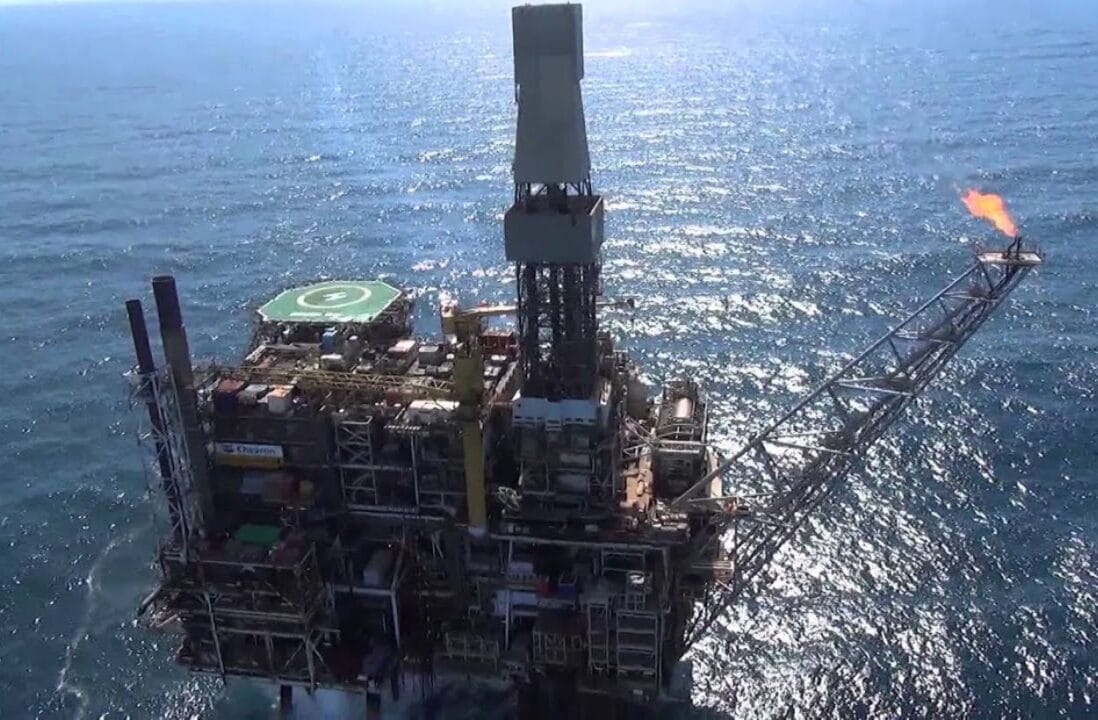
Discover The Fascinating Process That Converts Crude Oil Into Gasoline, A Technological Journey Inside The Refinery That Highlights Innovation And The Complexity Of Engineering In The Fuel Sector.
The production of gasoline is an intricate process that begins with crude oil and ends with a refined fuel ready for use. At the Presidente Bernardes Refinery in Cubatão, this process is carried out with precision and efficiency, transforming oil into gasoline, diesel, and other essential products for daily life.
Crude oil, extracted from the depths of the ocean, begins its journey being transported by ships to the shore, from where it travels through pipelines to the refinery. Initially stored in large tanks, the oil is prepared for distillation, where it will be separated into different fractions.
The Distillation And Catalytic Cracking Process


At the refinery, the oil is heated and introduced into the distillation columns, where separation occurs at various levels based on the boiling points of the components. Fractional distillation allows the isolation of fractions such as naphtha, a precursor of gasoline.
-
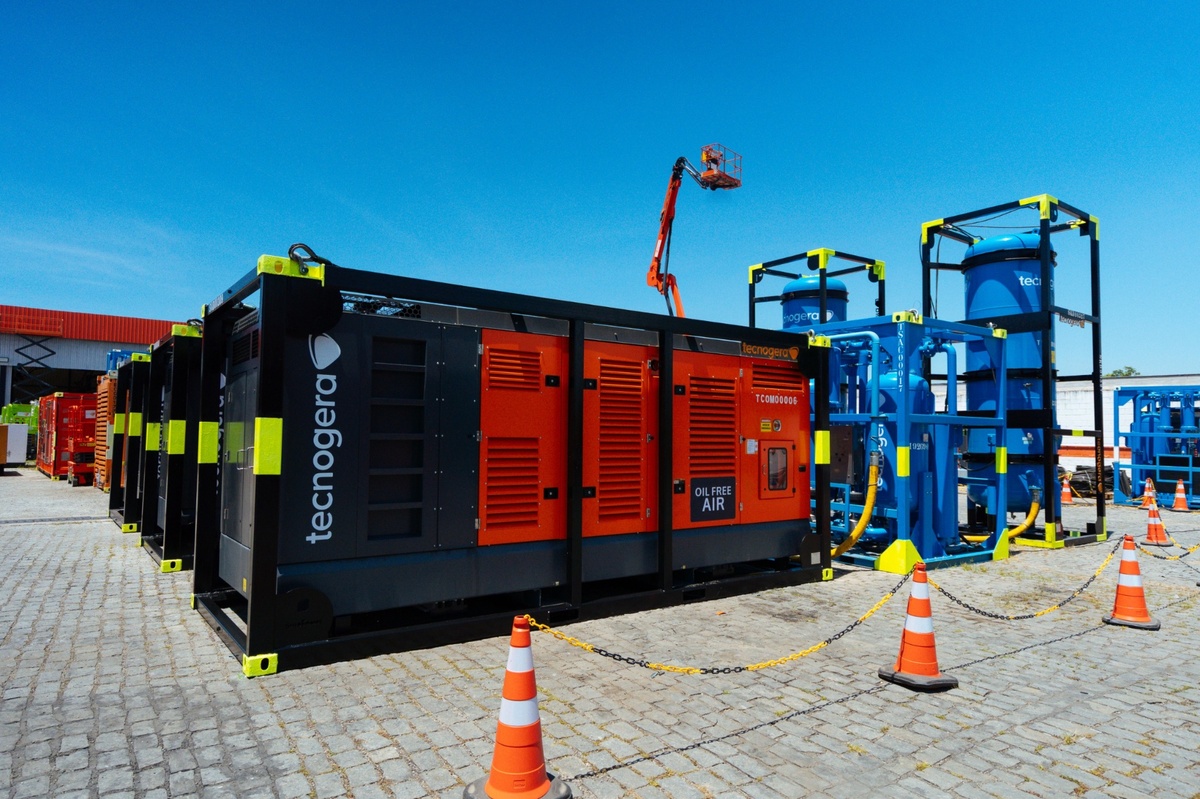
Offshore industrial demand in Macaé skyrockets with the recovery of oil and gas and could grow by up to 396% by 2026 in the Campos Basin.
-
Offshore industrial demand in Macaé surges with the recovery of oil and gas and could grow by up to 396% by 2026 in the Campos Basin.
-
Brazilian giant expands borders in the Southeast: Petrobras confirms new oil discovery in ultra-deep waters in the pre-salt of the Campos Basin.

-
Alert in the global energy market: Severe tropical cyclone hits the coast and disrupts gas production at major plants in Australia, threatening global supply.


Some heavier fractions undergo an additional process called catalytic cracking, where they are broken down into smaller molecules suitable for conversion into high-quality gasoline. This process utilizes a catalyst and high temperatures to achieve the transformation.
The Removal Of Impurities, A Crucial Step In Gasoline Production
A crucial step in gasoline production is the removal of sulfur, which can be harmful to both the environment and engines. This process involves chemical and physical treatment, ensuring that gasoline meets quality and environmental standards.
Before being sold, gasoline undergoes rigorous quality testing to ensure its performance and safety. The octane rating, for example, is meticulously checked to ensure that the fuel will withstand extreme conditions without causing damage to the engine.
Sustainability And Innovation
In addition to conventional gasoline, the refinery is also involved in producing more sustainable fuels, such as diesel R, which incorporates vegetable oil in its composition. These initiatives reflect a commitment to reducing greenhouse gas emissions and promoting a greener future.
Gasoline production is a complex process that involves advanced science, precise engineering, and a commitment to quality and sustainability. At the Presidente Bernardes Refinery, the path from crude oil to gasoline is an example of the technological and innovative ability of the fuel sector, essential for powering today’s world and creating a more sustainable tomorrow.
Gasoline: Composition, Origin, And Characteristics

Gasoline is predominantly a mixture of hydrocarbons, with molecules containing between 5 to 12 carbon atoms. This chemical diversity results in different properties, such as boiling point and energy capacity, which are optimized for its use as fuel. In addition to hydrocarbons, gasoline contains additives that enhance performance, reduce pollutant emissions, and stabilize the mixture.
Oil, a natural resource composed of a wide range of hydrocarbons, is the primary raw material for gasoline. Through refining processes such as fractional distillation and catalytic cracking, the desired components are isolated and transformed to form gasoline, adjusting it to meet the quality and performance specifications required for internal combustion engines.
But What Are Its Main Characteristics?
The fundamental characteristics of gasoline, such as octane rating, volatility, and chemical composition, define its quality and suitability for use in engines. The octane rating, in particular, is crucial in preventing premature detonation of the fuel in the engine, ensuring smooth and efficient combustion.
Although gasoline does not have a specific scientific name due to its mixed nature, it is often categorized by the types of hydrocarbons that predominate in its composition. Historically, gasoline evolved from a byproduct of oil refining to one of the most important and refined fuels, specifically designed to power vehicle engines.
The use of gasoline as fuel began in the late 19th century, driven by the growing demand from the emerging automotive industry. Its development was marked by continuous innovations aimed at improving the performance of internal combustion engines and meeting environmental requirements, which led to the evolution of gasoline formulations over time.










-

Uma pessoa reagiu a isso.