





 Portuguese
  English
  Spanish
  3 min of reading
  5 comments


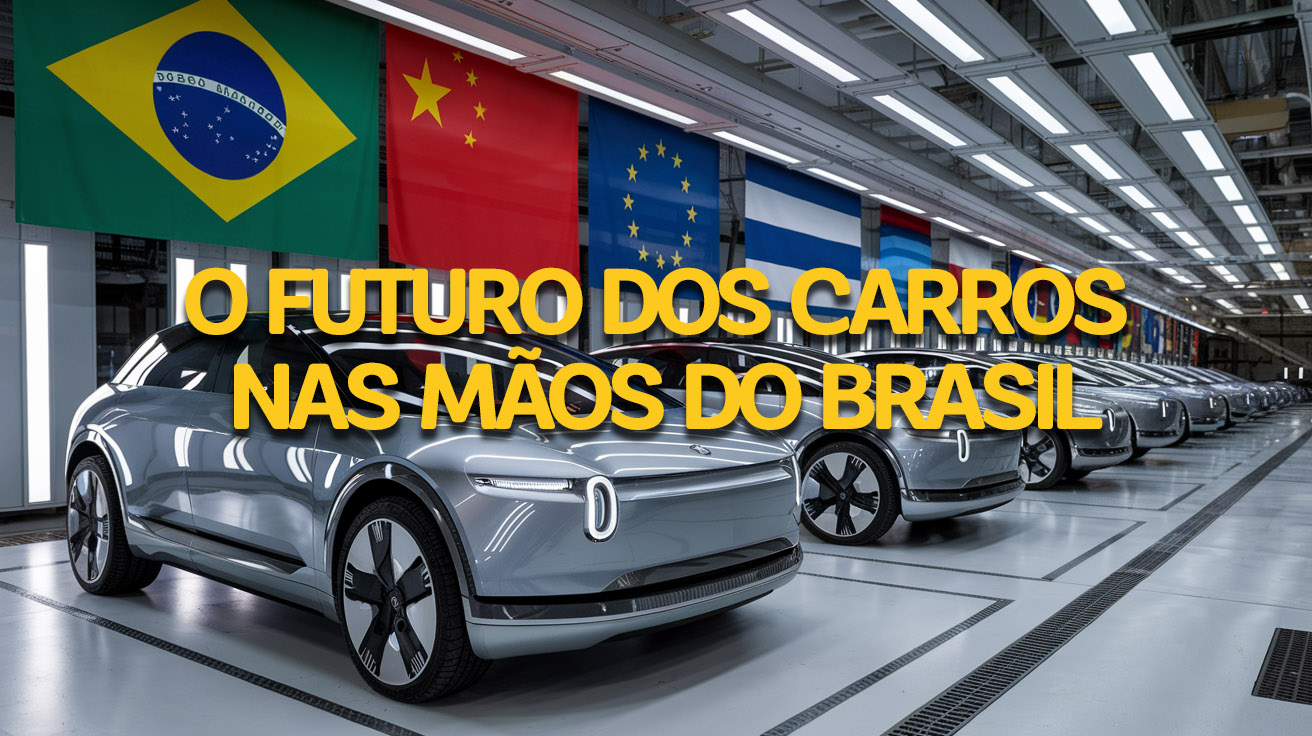


Brazil Becomes The Stage For The Battle Between Automotive Industry Giants And Chinese Powers. With Billions In Investments And Transformations In The Market, The Country Is Shaping The Future Of The Global Car Industry. Are We Ready To Lead?
The backstage of the global automotive industry has never been so turbulent. Amid crises at major traditional automakers and the impressive rise of Chinese brands, Brazil emerges as a true board where this dispute unfolds.
But what is at stake, after all? How are the decisions made here shaping the future of cars worldwide? The answer involves billions of reais, electric cars, and a deep transformation in the market.
The Global Landscape: Crisis And Reinvention In Automakers
-
A new Brazilian shopping center worth R$ 400 million will be built in an area equivalent to more than 4 football fields, featuring 90 stores, 5 cinemas, a supermarket, a college, and parking for 1,700 cars, potentially generating 3,000 jobs.

-
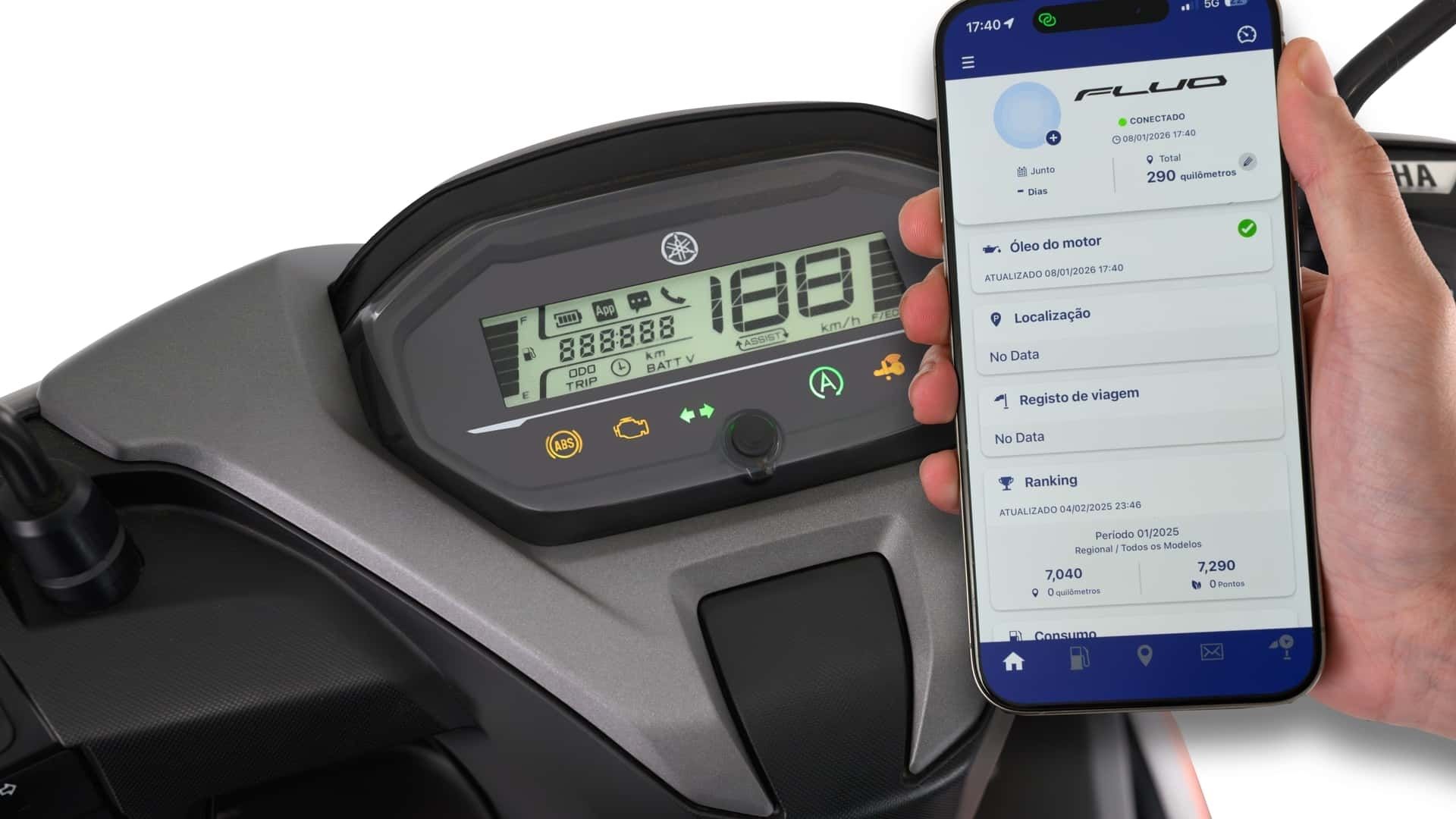
Costing R$ 16,000, the new Yamaha features a 125 cc hybrid engine with electric assistance, delivers 8.3 hp, includes ABS, optimized fuel consumption, Y-Connect connectivity, 25 liters of storage space, and a surprising 4-year warranty in the urban segment.
-
Larger than entire cities in Brazil: BYD is building a 4.6 km² complex in Bahia with a capacity for 600,000 vehicles per year, but the discovery of 163 workers in conditions analogous to slavery has shaken the entire project.

-
With an investment of R$ 612 million, a capacity to process 1.2 million liters of milk per day, Piracanjuba inaugurates a mega cheese factory that increases national production, reduces dependence on imports, and repositions Brazil on the global dairy map.


According to the channel InvestNews BR, the crisis affecting major automakers like Stellantis and Volkswagen is not only local but global.
Both face stagnating sales, rising costs, and challenges in keeping up with technological advancements, especially in the electric vehicle sector.
These challenges pressure the giants to seek alternatives to remain relevant.
Stellantis, for example, emerged in 2021 from the merger between Fiat Chrysler and PSA Peugeot.
As highlighted by InvestNews BR, the idea was to reduce costs by sharing components among group brands and to accelerate the electrification of its fleet.
However, the pandemic disorganized production chains, and the company still struggles with a limited portfolio of electric cars.
Despite investments, global demand for electric vehicles has not grown at the expected pace, creating an environment of pressure and adjustments.
Volkswagen, which also faces similar challenges, announced a $5 billion investment in Rivian, an American automaker specializing in electric vehicles, to improve its software technology and vehicle architecture.
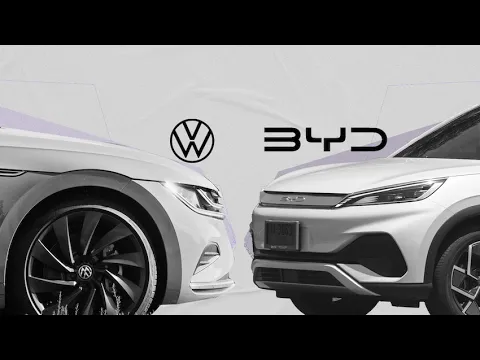
However, competition from Chinese automakers remains intense, especially in Volkswagen’s largest market, China, where the company lost its lead to BYD in 2023.
The Chinese Dominance In The Automotive Sector
According to InvestNews BR, China not only dominates global electric vehicle production but has also become the world’s largest exporter of vehicles, surpassing Japan and Germany.
This success is the result of a decades-long plan, driven by the Chinese government, which secured the entire production chain in the country – from programmers and factories to batteries and logistics.
The Chinese competitiveness is also evidenced by the progress of BYD, which produces up to 80% of its car components internally, and CATL, the global leader in batteries for electric vehicles, which supplies even competitors like Tesla, BMW, and Volkswagen.
This dominance has generated protectionist reactions in markets like the United States and Europe, which have imposed additional tariffs to contain the Chinese advance.

Brazil At The Center Of The Dispute
With about two million cars sold annually, the Brazilian automotive market is strategic for automakers.
As pointed out by InvestNews BR, while global car sales are declining, Brazil continues to grow, even with the elimination of the popular car and a low electrification rate.
The entry of Chinese brands such as BYD and GWM into Brazil is transforming the market.
At the same time, the government has reintroduced import taxes on electric vehicles but has created tax incentives for automakers that invest in sustainable technologies.
This strategy has attracted billions in investments.
According to InvestNews BR, companies like Stellantis, Volkswagen, Toyota, and GM have promised to invest more than R$ 100 billion in Brazil by 2030.
These resources aim not only to strengthen their local presences but also to use the country as a base to serve other Latin American markets.
An Opportunity For Brazil?
The dispute between traditional and Chinese automakers puts Brazil in a privileged position.
With significant investments in factories and infrastructure, the country can establish itself as an important hub in the global automotive industry.
However, it remains to be seen whether these promises will be fulfilled and how local and foreign brands will respond to market changes.
And you, do you believe that Brazil is prepared to lead the future of the global automotive industry? Share your opinion in the comments!








Assim como as montadoras tradicionais estão perdendo na China, não tem como vencer no Brasil. O ponto são as tecnologias. Mudou, e as chinesas estão à frente . E carro elétrico vai predominar por aqui tbm qdo cair is custos das baterias. Se um elétrico custar 50 bao irão comprar a combustível a 80…
Todas as montadoras de automóveis hoje no Brasil não estão se preparando para o futuro, futuro este de carros elétricos, apostando nos híbridos. Como há um prazo para extinção dos carros a combustão no Brasil as montadoras estão ignorando este prazo. E vamos fazer uma análise: hoje dizem que o álcool bio diesel e sustentável pois não e! Na produção dos dois combustíveis e necessário o preparo da terra para a produção, arar a terra. Isto gasta combustível e óleo para o motor advindo do petróleo. No passo seguinte vem com todo maquinário para o plantio das sementes ou mudas. Logo depois e a coleta e transporte da cana, soja, milho ou outro tipo de matéria prima para produção dos combustíveis. Na parte de produção industrial temos a transformação das matérias primas em combustíveis, tendo o gasto com energia para está transformação, que tem uma parcela no aquecimento ambiental. Na etapa final temos o transporte e venda para o consumidor final.
Bom, este e a saga do combustíveis chamados de sustentáveis. No caso dos veículos elétricos.
Temos as baterias e um motor elétrico que não necessecita de nenhum produto derivado do petróleo ou dos Bio combustível.
Precisamos de um suporte nos abastecimento dos mesmos nas estradas e cidades. E como aconteceu com as garrafas pets,latas de alumínio que era um problema ambiental hoje somos referência na reciclagem e na logística reversa. Não podendo esquecer que temos uma fonte inesgotável de energia que e a solar!
Cássio só pra te lembrar hoje neguinho/ branquinho mata até a mãe por dinheiro. Vc tem noção real do faturamento real de todas unidades da Petrobras, vc acha que os nossos politicos estão preocupados com veículos elétricos. Venezuela um paízinho de **** e futura trilhões em Petrolio.
Só vai ” colar ” os híbridos ou híbridos plug in. Brasil não tem pontos de abastecimento pra grandes deslocamentos. Ainda são muito caros para as classes menos abastadas. Enfim, elétricos só pras cidades .