





 Portuguese
  English
  Spanish
  4 min of reading
  2 comments


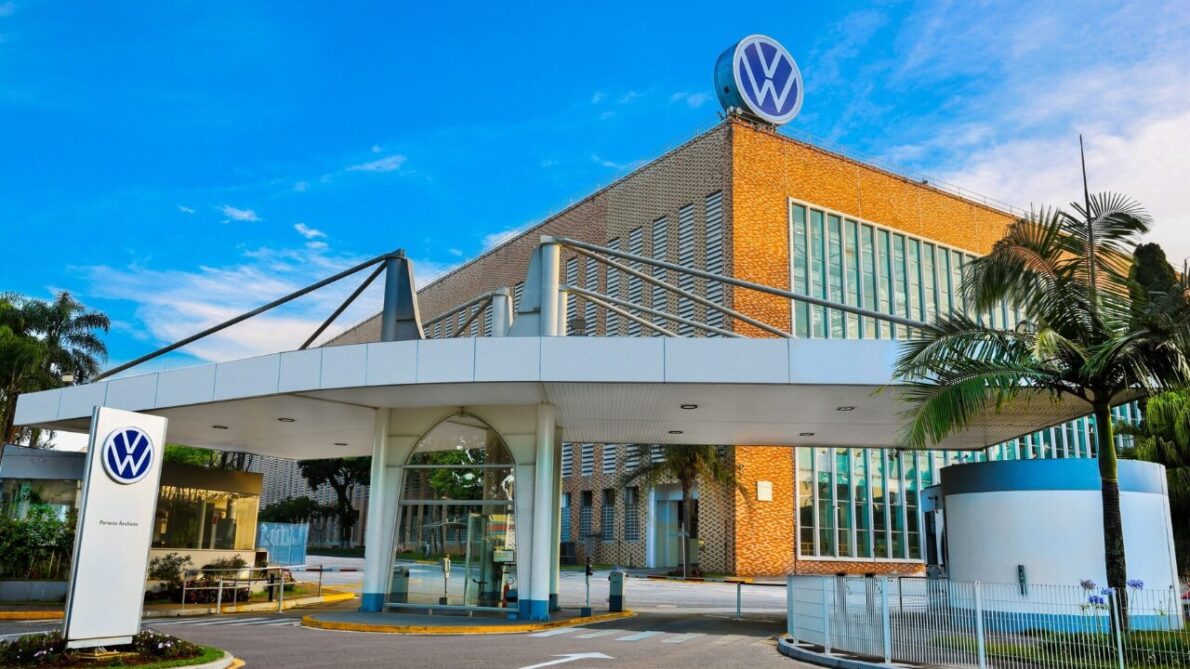

Volkswagen Announces R$ 13 Billion Investment to Modernize Factories in São Paulo, Focused on Vehicle Electrification.
The Volkswagen will make a significant investment of R$ 13 billion in its factories located in the state of São Paulo. This investment, which will extend until 2028, reinforces the automaker’s commitment to Brazil, especially at a time of transition to more sustainable technologies in the automotive sector. The German automaker, which has a strong presence in the state, has two automobile factories in São Bernardo do Campo and Taubaté, in addition to an engine production unit in São Carlos.
Focus on Vehicle Electrification
The main focus of the investment will be on vehicle electrification. This is a strategic move by Volkswagen to align with global trends in sustainable mobility.
Electrification has proven to be one of the most promising paths to reducing pollutant emissions and meeting the growing demand for more eco-friendly vehicles.
-
Historic bankruptcy of Centauro shocks the market, and the century-old company puts more than 500,000 products, machines, and complete infrastructure up for online auction.
-
New shoe factory in Ceará is expected to create 400 jobs and strengthen the local economy.
-
No one imagined it, but a mixture of sawdust with a mineral that fights fires surprises scientists with a result that changes the course of fire-resistant construction.

-
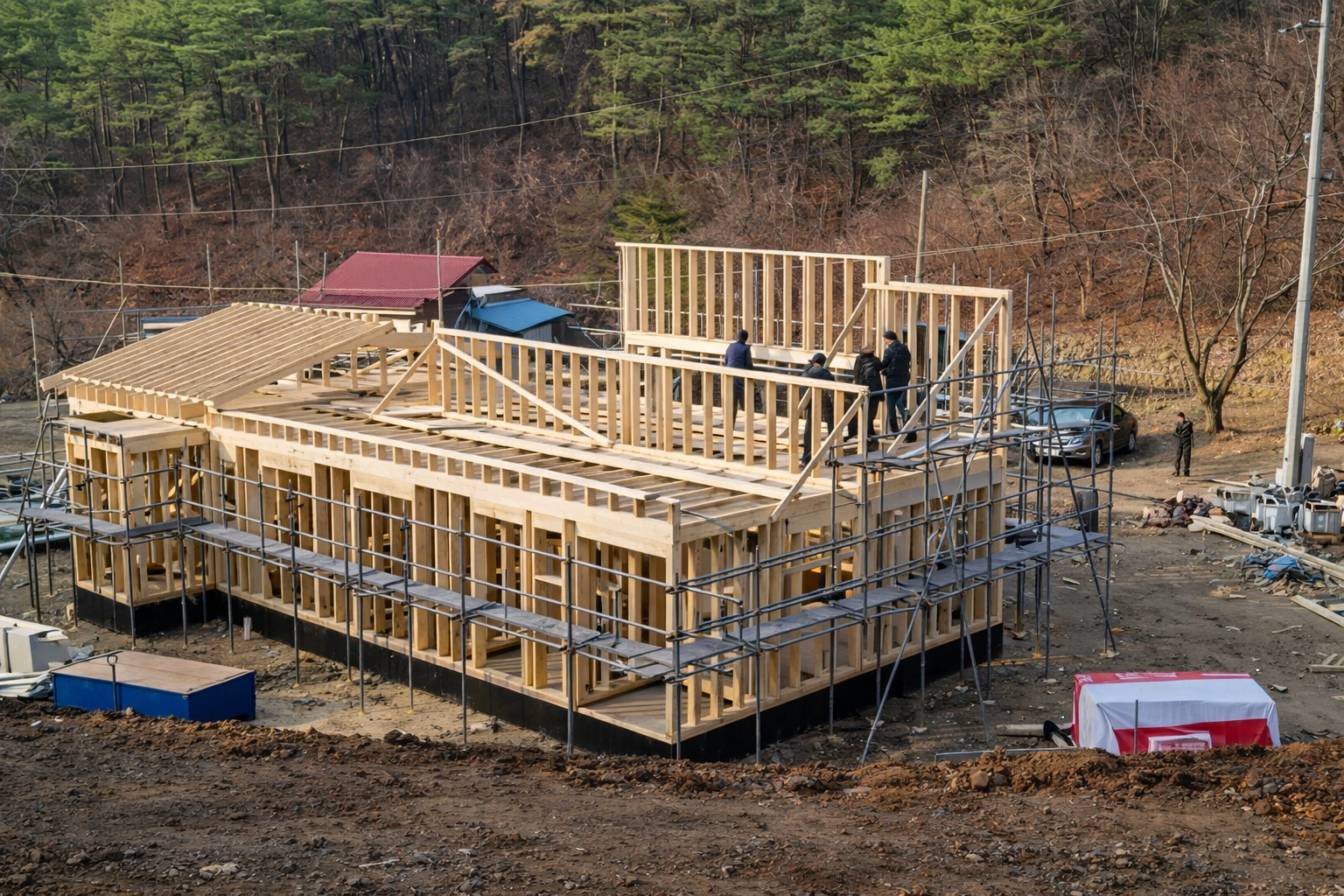
From empty land to a high-end house, wooden construction uses a lightweight system, metal structure for the foundation, ventilated ceramic cladding, and special windows to create an efficient and comfortable living space throughout the year.

The investment is in line with Volkswagen’s global plan, which aims to expand the production of electric and hybrid vehicles.
In Brazil, the automaker has focused its efforts on adapting production lines to accommodate this new reality, betting on the future of electric mobility.
Volkswagen will benefit from an important incentive granted by the São Paulo government through the ProVeículo program.
This program allows automotive companies to release accumulated ICMS (Tax on Circulation of Goods and Services) credits to invest in their operations. In Volkswagen’s case, it will involve the return of R$ 1 billion in ICMS credits that were retained.
The program was updated in February of this year and is part of a set of public policies to encourage the expansion and modernization of the automotive sector in São Paulo.
The state government has previously utilized this strategy, as seen in the case of Toyota, which announced in April last year an investment in hybrid car production at its factory in Sorocaba.
Economic Impact and Job Creation at Volkswagen Factories
The announcement of the R$ 13 billion investment by Volkswagen not only demonstrates the company’s confidence in the Brazilian market but also is expected to have a significant positive impact on the local economy.
The expansion of factories and the introduction of new technologies should create new job opportunities in São Paulo, both direct and indirect.
The automotive industry is one of the pillars of the São Paulo economy, and investments like this are crucial to ensure the state’s competitiveness in the global landscape.
It is expected that Volkswagen’s new projects will drive the development of the entire production chain, from parts and components suppliers to logistics and maintenance services.
Volkswagen operates three important production units in the state of São Paulo. The largest one is located in São Bernardo do Campo, in the ABC region of São Paulo.
This factory, where the official investment announcement is taking place, is responsible for assembling the models Virtus, New Polo, Nivus, and Saveiro.
The São Bernardo plant is one of the oldest and most traditional Volkswagen factories in Brazil, having begun operations in the 1950s.
The Taubaté factory, on the other hand, focuses on producing compact models, while the unit in São Carlos is dedicated to manufacturing engines that equip the vehicles produced by the automaker in Brazil and other markets.
These units form a robust industrial complex that has been a key player in Volkswagen’s operations in Latin America.
Challenges and Opportunities for the Future
Although the announcement of a large investment is positive news, Volkswagen also faces significant challenges.
The transition to electrification requires not only technological adaptations in factories but also the training of its workforce and the creation of adequate infrastructure for electric vehicle charging.
Moreover, the automaker will need to deal with regulatory and environmental issues that may impact the pace of implementing new projects.
However, the commitment to invest in new technologies and the partnership with the state government indicate that Volkswagen is prepared to face these challenges and seize the opportunities that arise along the way.
Volkswagen and the Brazilian Market
Brazil has been a strategic market for Volkswagen for decades. The automaker is one of the sales leaders in the country and has a base of loyal customers.
The R$ 13 billion investment in São Paulo reinforces the importance of the Brazilian market for Volkswagen and signals that the company is willing to continue investing in the country, even in a challenging economic scenario.
With a focus on electrification and new technologies, Volkswagen also aims to remain competitive in a market that is becoming increasingly demanding in terms of sustainability and innovation.
The company is confident that its new initiatives will help solidify its position as one of the leading automakers in the country.
The announcement of the R$ 13 billion investment in São Paulo by Volkswagen is an important milestone for the Brazilian automotive industry.
With a focus on electrification and modernization of factories, the automaker demonstrates its commitment to the future of the sector and its confidence in the Brazilian market.
Volkswagen’s partnership with the São Paulo government, through the ProVeículo program, also highlights the importance of public policies to encourage economic and technological development in the state.








China, obrigando o cartel, a se atualizar. Ou investe ou fica sem o subsídio do plano Mover. Janeiro e fevereiro de 2025, o preço absurdo dos carros começam a derreter, graças a china e o subsídio do plano Mover. Outras montadoras caminham para o mesmo lugar.
Muito bom e importante é que seja permanente este importante investimento da VW no Brasil, como sempre aconteceu como o primeiro país fora da Alemanha a ter fábrica, portando é muito bom para todos!!