





 Portuguese
  English
  Spanish
 5 min of reading
  0 comments


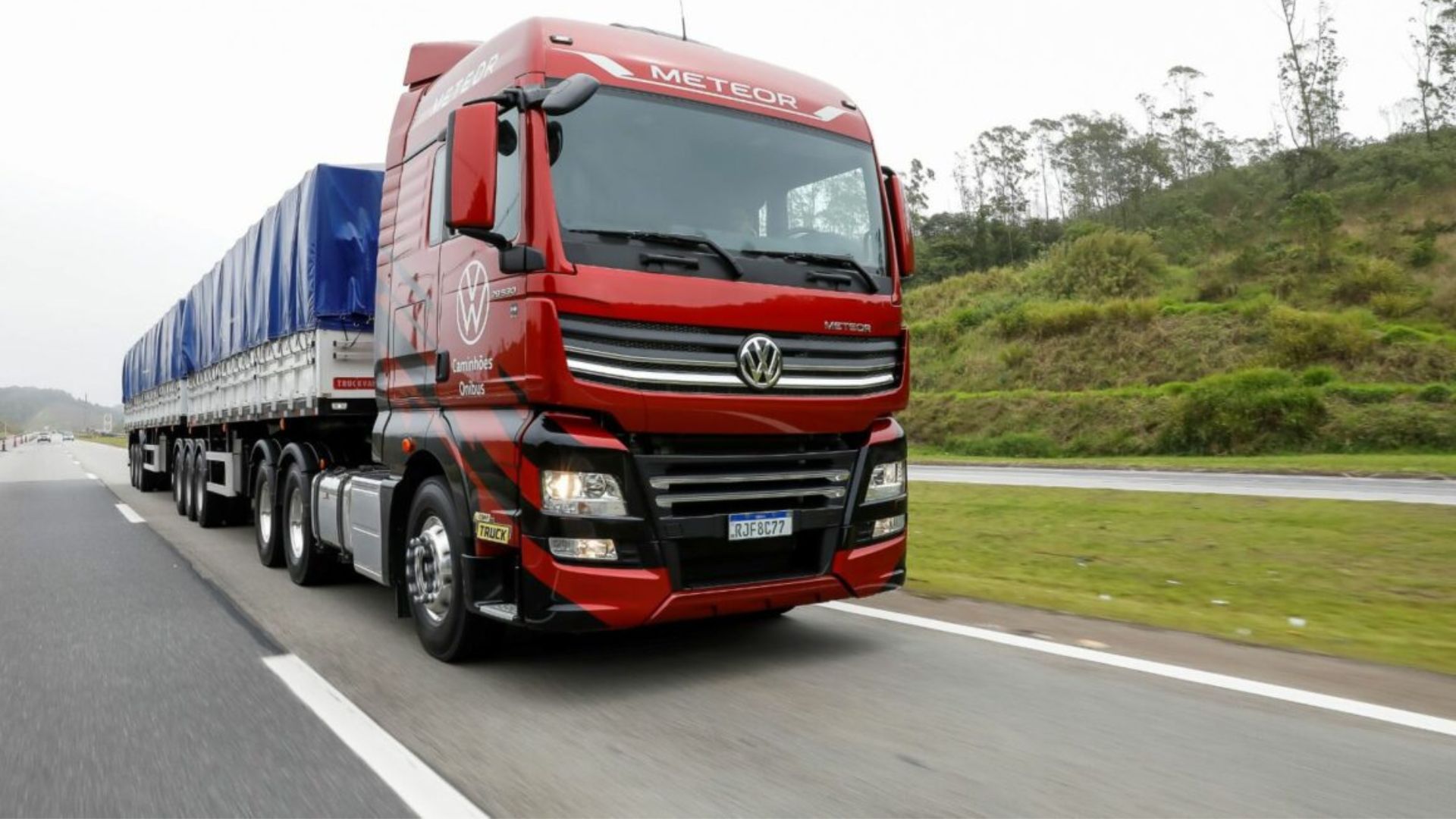
Partnership Between Volkswagen Trucks and EcoRodovias Marks Progress in Decarbonization of Road Transport, with Tests of 100% Renewable Biodiesel Promising Greater Efficiency and Lower Environmental Impact
In a pioneering initiative in Brazil, Volkswagen Trucks and Buses and EcoRodovias have begun testing B100, a 100% renewable biodiesel made from soybean oil.
The project aims to evaluate the performance, consumption, and reliability of the fuel under real operating conditions in road transport, with the potential to reduce CO₂ emissions by up to 90%.
According to Rodrigo Chaves, Vice President of Engineering at Volkswagen Trucks and Buses, the partnership with EcoRodovias to test B100 reinforces the commitment to sustainable solutions and low carbon.
-
The Economist states that Brazil has a “secret weapon” against expensive oil and highlights how the country can reduce economic impacts even in international scenarios of high volatility.

-
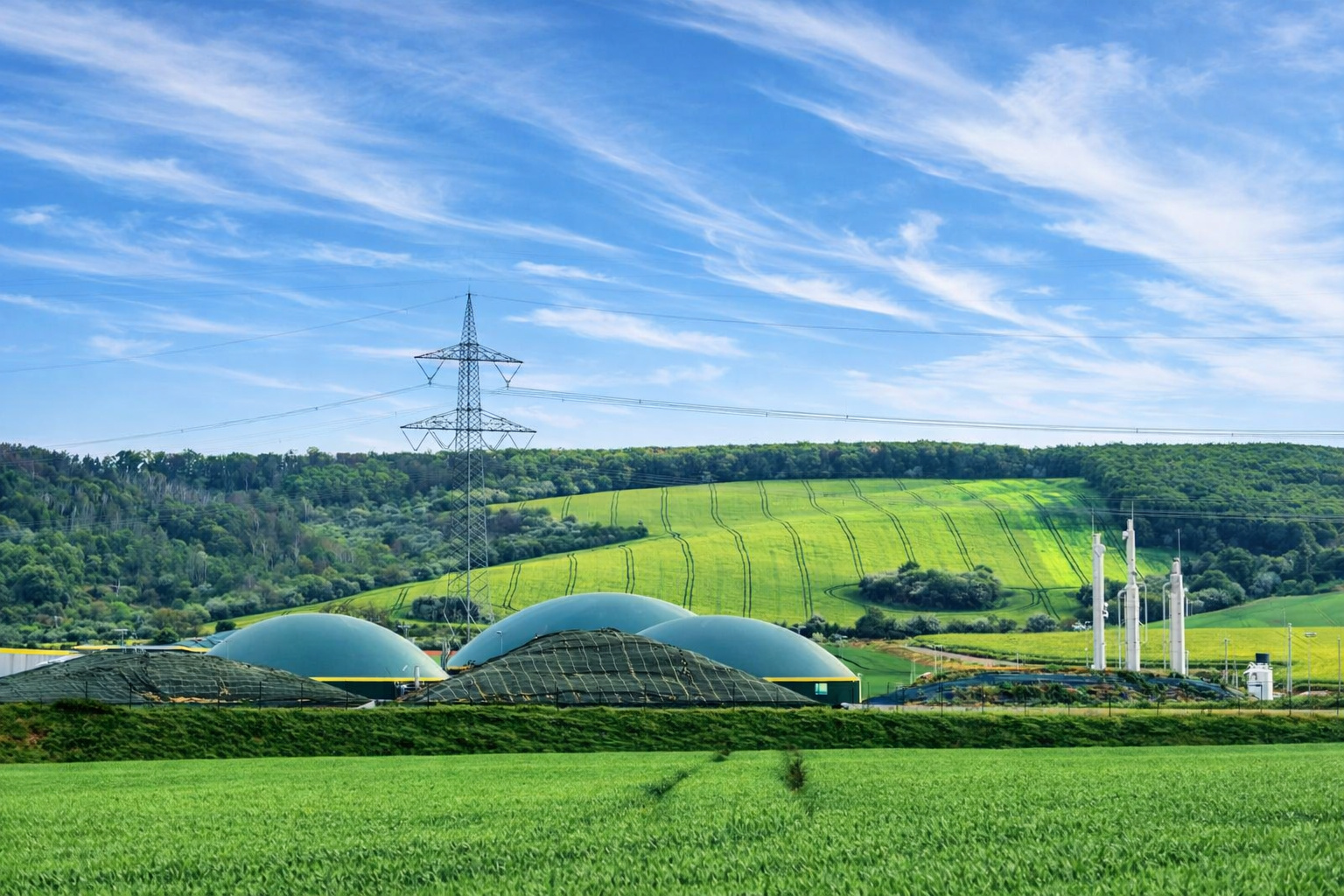
Brazil accelerates decarbonization in the South: International forum in Foz do Iguaçu gathers leaders to discuss the advancement of biomethane in the energy matrix and the potential of “caipira pre-salt.”
-
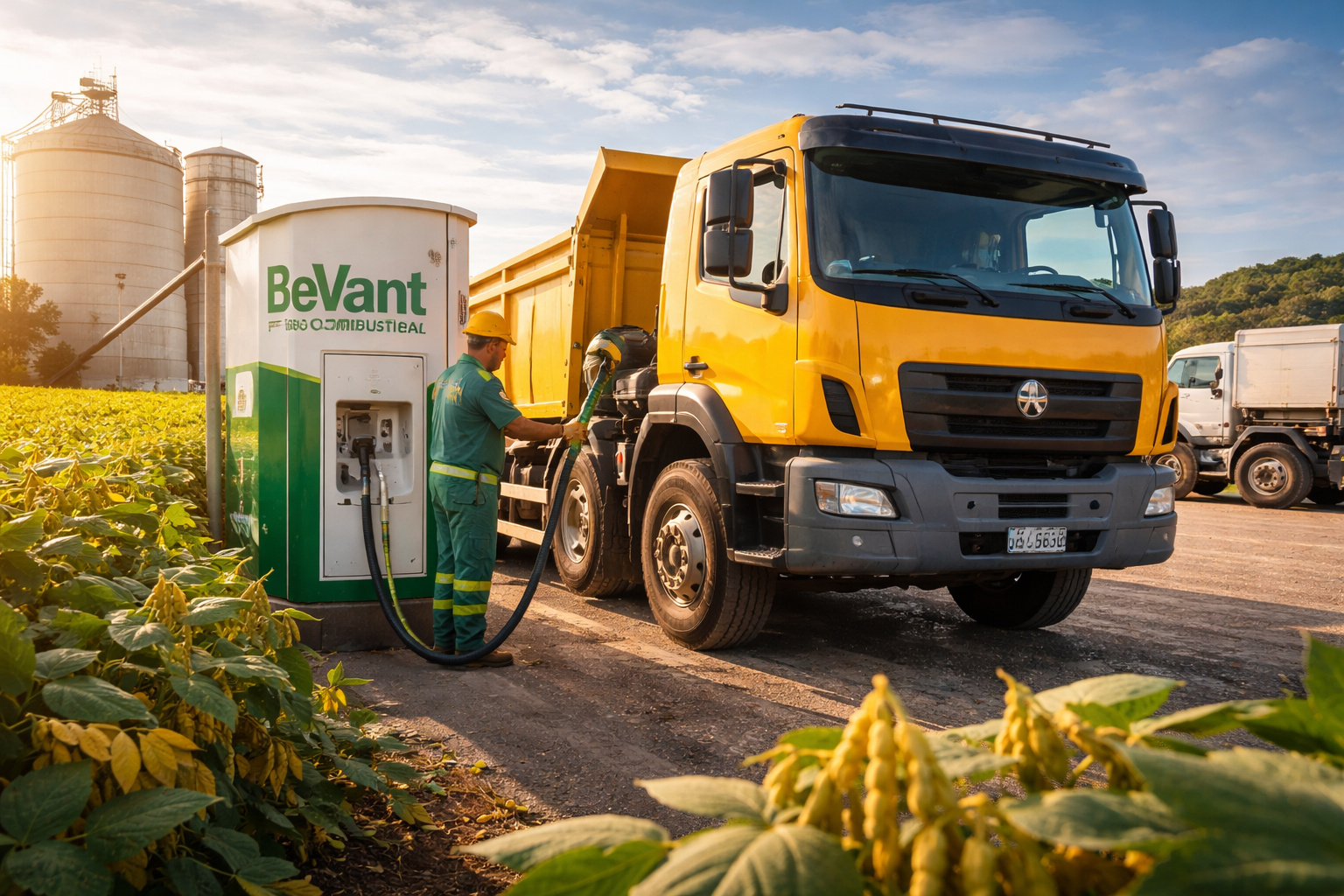
As diesel prices soar due to conflicts in the Middle East, a Brazilian city decides to test a little-known biofuel that promises to completely replace fossil fuel without adaptation and could change the future of energy in the country.
-
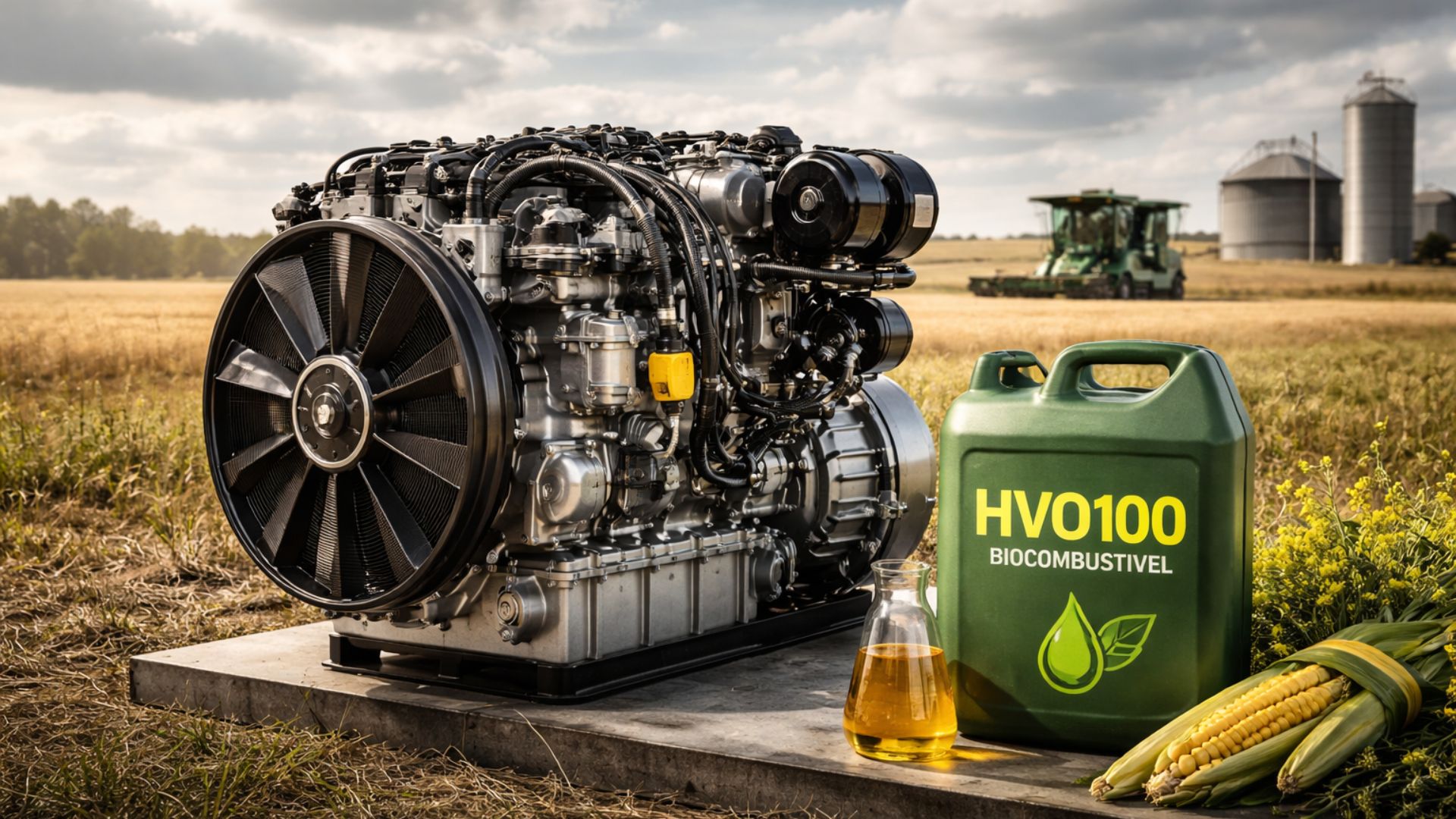
Innovation with biofuel engines transforms agribusiness by replacing diesel without the need for major adaptations, ensuring energy efficiency and helping to reduce dependence on oil.
Sustainable Innovation in Road Transport
The partnership between Volkswagen Trucks and EcoRodovias represents a significant step forward in the search for sustainable solutions in the road transport sector.
The tests are being carried out on the Ecovias do Noroeste Paulista, in the interior of São Paulo, and involve four vehicles from the manufacturer: one Meteor 29.530 (tow truck), two Delivery 11.180 (tow trucks), and one Constellation 17.190 (water truck).
This initiative is part of the Volkswagen Trucks’ Future Program and EcoRodovias’ ESG 2030 Agenda, which aim to accelerate the energy transition and reduce environmental impact in logistics operations.
100% Renewable Biodiesel: Environmental and Operational Benefits
B100 is a pure biofuel, derived exclusively from plant sources—in this case, soybeans. Produced by the company Brejeiro, with a plant in Orlândia (SP), the biodiesel will be stored in a tank in Araraquara for continuous supply during the 12 months of testing.
According to studies by the National Petroleum Agency (ANP), Abiove, and the Energy Research Company (EPE), the use of B100 can reduce carbon dioxide emissions by up to 90% compared to traditional fossil diesel.
In addition to reducing greenhouse gas emissions, 100% renewable biodiesel contributes to reducing particulate matter and other atmospheric pollutants, improving air quality in high-traffic areas.
Monica Jaén, Sustainability Director at EcoRodovias, highlighted that B100 offers significant environmental benefits with minimal technical adjustments needed for its implementation.
Volkswagen Trucks and EcoRodovias: Commitment to Decarbonization
This initiative aligns with the decarbonization targets of both companies. Volkswagen Trucks aims to replace fossil diesel with renewable alternatives in its line of commercial vehicles, while EcoRodovias plans to reduce its Scope 1 (direct) and Scope 2 (indirect) emissions by 25% by 2026 and 42% by 2030.
These targets reflect the companies’ commitment to the United Nations Sustainable Development Goals (SDGs), especially regarding action against climate change and the promotion of clean energy.
“We remain firm in our commitment to sustainability and innovation”, reinforced Rodrigo Chaves, emphasizing the manufacturer’s role in the energy transition of the sector.
Volkswagen Trucks Conducts Tests with B100
The trucks involved in the tests received specific technical adjustments to operate with B100. Refueling will be done by a Petroservice convoy truck, subcontracted by F8 Fuel, ensuring efficient logistics and quality control.
During the testing period, there will be continuous monitoring of the vehicles to assess:
- Performance in different driving conditions
- Fuel consumption
- Wear of mechanical components
- Maintenance cycle and operational reliability
This technical monitoring is essential to validate the use of 100% renewable biodiesel as a viable alternative in road transport. The data collected will be used for future adjustments and to develop guidelines that can be replicated by other companies in the sector.
Impact of Volkswagen Trucks’ Initiative on Road Transport
The project could serve as a model for other concessionaires and manufacturers, encouraging the large-scale adoption of renewable fuels. Replacing traditional diesel with alternatives such as B100 represents an important step towards the decarbonization of the road transport sector.
According to data from the ANP, Brazil produced approximately 6.3 billion liters of biodiesel in 2024, with growth expectations driven by initiatives like this. National production is sufficient to meet growing demand, especially if there are regulatory and fiscal incentives for the use of biofuels.
In addition to environmental benefits, the use of B100 can generate positive impacts on the economy by strengthening the soybean production chain, creating jobs in the field, and reducing dependence on imported fossil fuels.

100% Renewable Biodiesel and Economic Viability
Although the cost of B100 is still higher than that of conventional diesel, studies indicate that the difference tends to decrease with increased production scale and public incentive policies. The economic viability of 100% renewable biodiesel depends on factors such as:
- Stability in the supply of raw materials
- Distribution infrastructure
- Tax incentives and government subsidies
- Technological adaptation of vehicles
Volkswagen Trucks and EcoRodovias are betting on long-term viability, considering the environmental and reputational gains that adopting B100 can provide.
Volkswagen Trucks Sees Sustainability as a Competitive Differentiator
Companies that invest in renewable fuels and sustainable practices are likely to stand out in the market, especially in an environment of increasing pressure for environmental responsibility. Adopting B100 can become a competitive differentiator for transport companies, concessionaires, and manufacturers of commercial vehicles.
Additionally, consumers and investors are increasingly attentive to companies’ ESG practices. Transparency in sustainability actions and the adoption of clean technologies are factors that influence purchasing and investment decisions.
Volkswagen Trucks and EcoRodovias are at the forefront of this transformation, showing that it is possible to reconcile operational efficiency with environmental responsibility.
Path Open for New Sustainable Solutions
The start of tests with B100 represents a milestone in the search for sustainable solutions in Brazil. The partnership between Volkswagen Trucks and EcoRodovias shows that it is possible to unite innovation, environmental responsibility, and operational efficiency.
With the potential to reduce CO₂ emissions by up to 90%, the 100% renewable biodiesel emerges as a promising alternative for the decarbonization of road transport. The initiative can inspire other companies and accelerate the transition to a cleaner and more resilient energy matrix.









Seja o primeiro a reagir!