





 English
  Francês
  Alemão
  Italiano
  Japonês
  Norueguês
  Portuguese
  Spanish
  3 min of reading
  2 comments


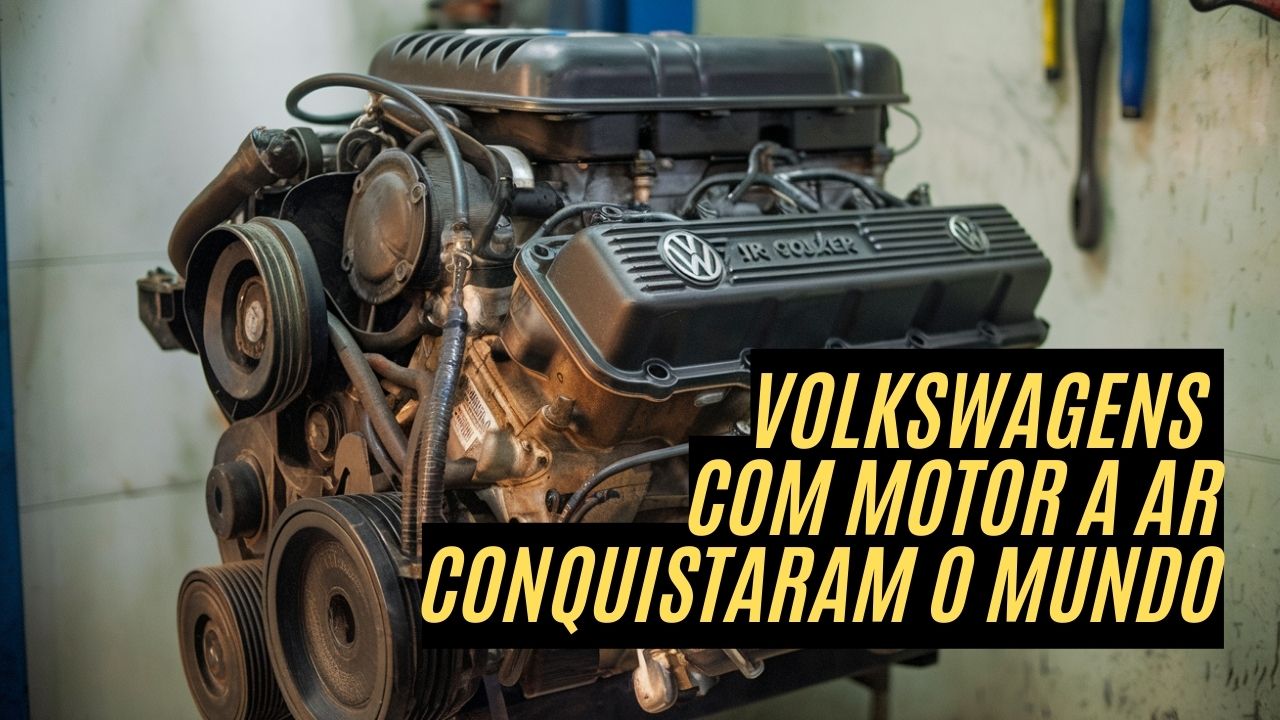

The History of Volkswagen Began Modestly, With the Creation of Vehicles Equipped With Air-Cooled Engines, Known for Their Robustness and Simplicity. These Models Not Only Conquered the European Market, But Also Left an Indelible Mark Around the World, Especially in Brazil, Where “Volkswagens” Gained Popularity and Are Still Seen on the Streets. The Innovation of the Air-Cooled Boxer Engine Transformed These Cars Into Global Phenomena, Reaching Their Peak in the Post-War Decades.
The Appeal of Volkswagen Vehicles With Air-Cooled Engines Resided in Their Reliability and Ease of Maintenance. This Type of Engine Simplified the Mechanics, Making These Cars Accessible for a Population That Needed Economic and Durable Transportation, Especially in Rural Areas. The Journey of These Iconic Vehicles, Their Importance to the Automotive Industry, and How They Became a Landmark in Brazil and Around the World.
The Origin of Volkswagen With Air-Cooled Engines
In the 1930s, the German government Sought to Develop an Affordable Car for the Public, and Adolf Hitler Specified a Model That Would Be Efficient and Capable of Transporting a Family. He Collaborated With Engineer Ferdinand Porsche, Who Used an Air-Cooled Engine as Reference, Ideal for Rural Environments, Where Maintenance Was More Difficult.
Inspired by the Manufacturer Tatra, Which Already Used a Similar Engine, Porsche Developed the First Prototype of What Would Become the Volkswagen, a Popular Vehicle That Would Be Mass-Produced After World War II.
-
Engineers propose a fourth traffic light for intersections – the change promises to affect crossings, queues, and waiting times.

-
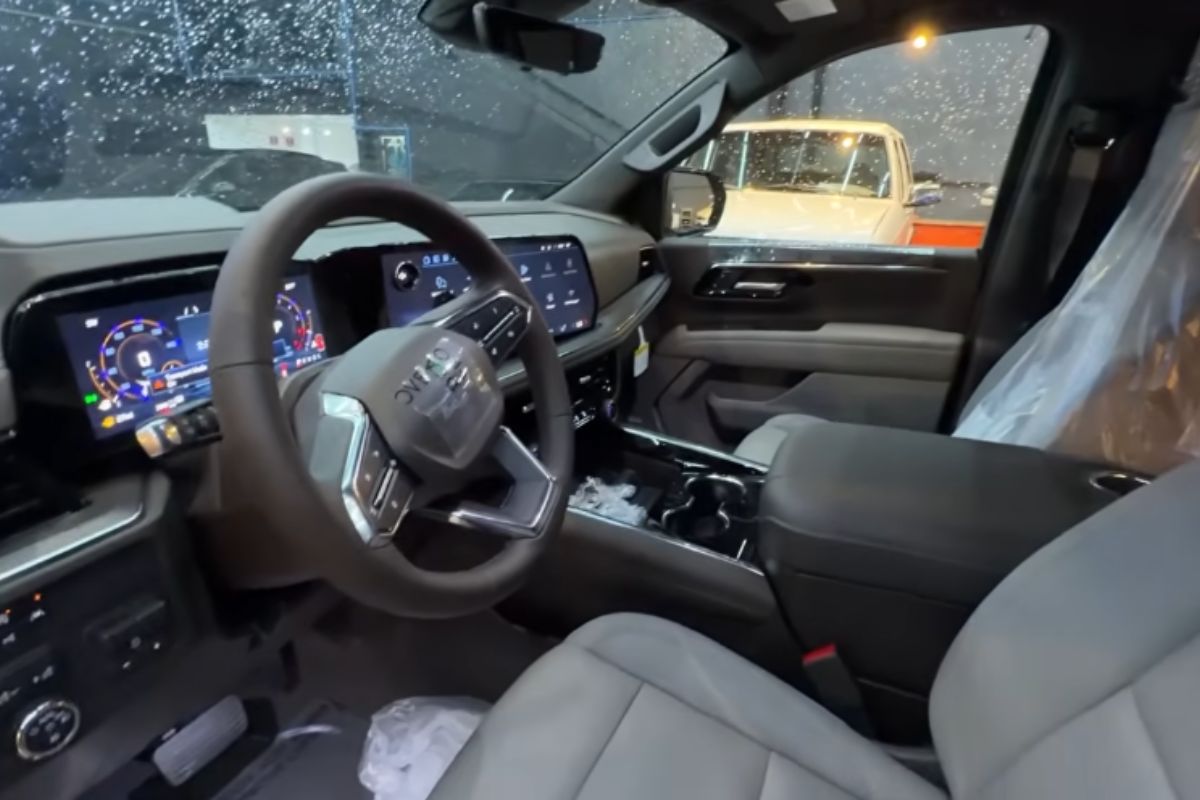
Chevrolet Suburban Z71 lands in Brazil with a V8 engine, off-road design, air suspension, seven seats, and colossal size, a rare version imported for around R$ 1.3 million with luxury and exclusivity.
-
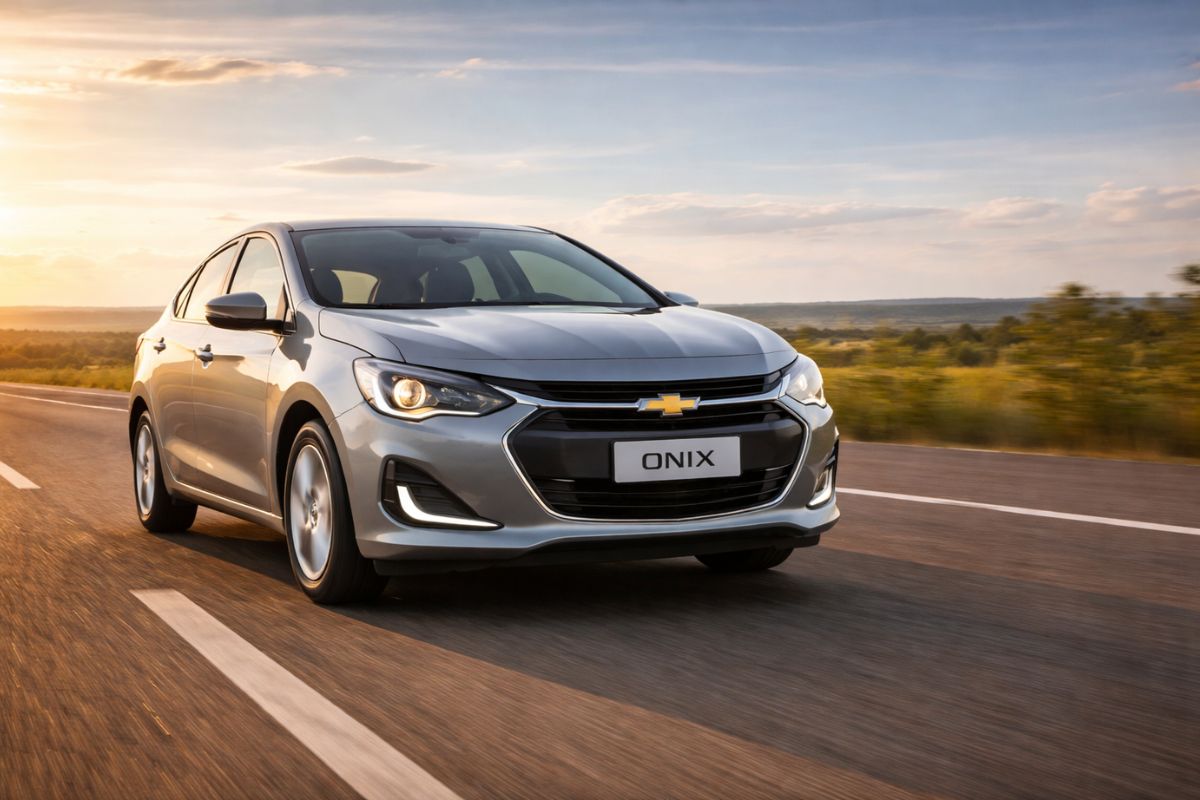
The Chevrolet Onix 1.0 turbo achieves 17.7 km per liter on the highway and ranks among the three most economical cars in Brazil in 2026, alongside two more expensive Toyota hybrids available at dealerships.
-
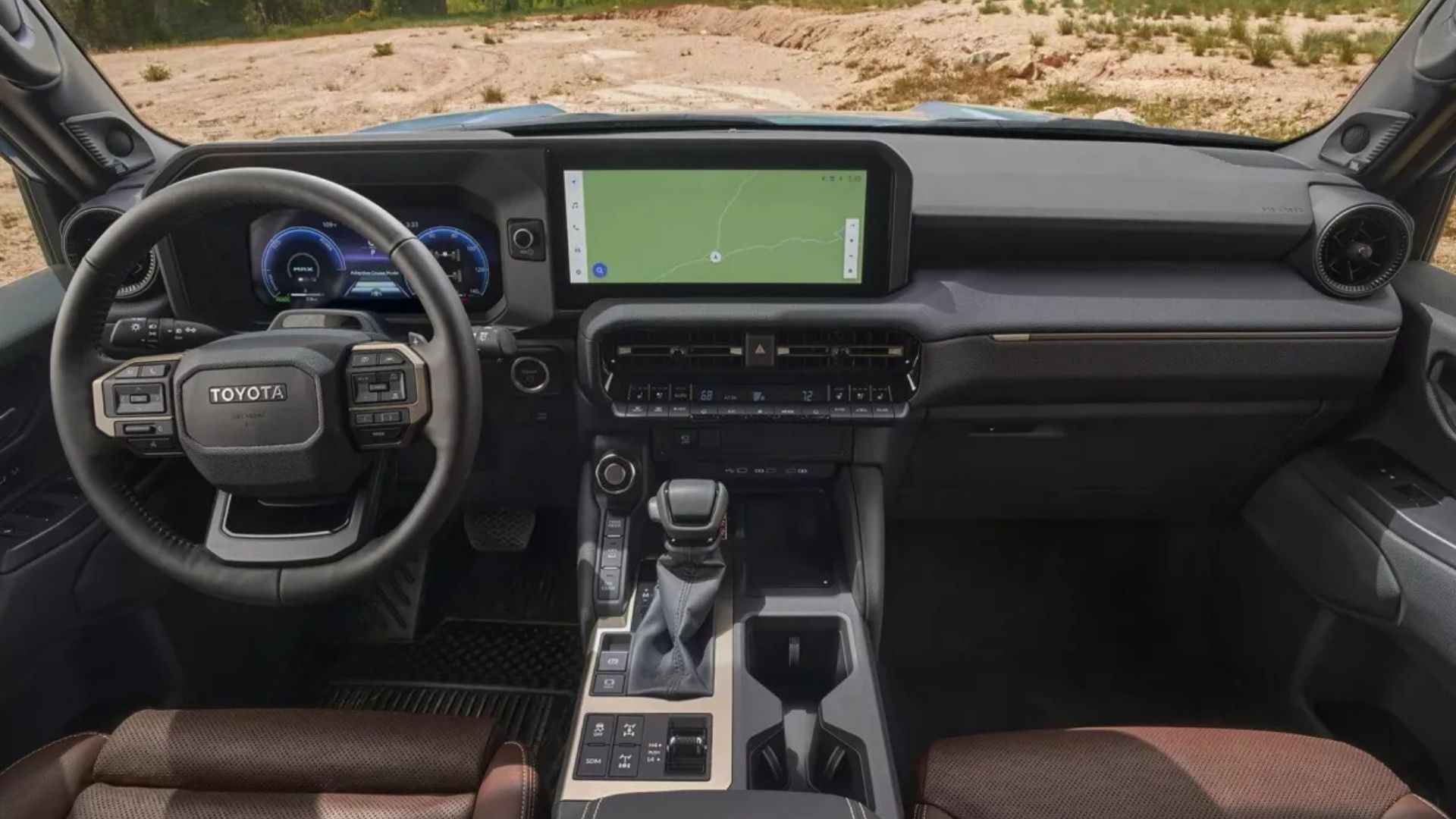
Little sister of the Hilux: Toyota launches Land Cruiser FJ with 4 radical versions, 2.7 engine with 166 hp and 4×4 traction with locking.

The Air-Cooled Engine Technology Was Particularly Effective: The Air-Cooling System Eliminated the Need for Radiators and Coolant Liquids, Making It Resistant to Hot and Cold Climates. This Was Essential for Rural Areas, as the Air-Cooled Engine Was Simple to Repair and, in Many Cases, Allowed Owners to Perform Basic Repairs Themselves.
Conquest of Markets and Expansion in Brazil
After the War, Volkswagen Began Manufacturing the Volkswagen Sedan, Commonly Known as the Beetle, Which Became a Symbol of Practicality and Durability. In Brazil, the Brand Established a Factory in São Bernardo do Campo in 1957, Solidifying Its Presence With the Kombi and the Beetle. These Vehicles Were Suited to Brazilian Conditions, Which Featured Dirt Roads and Long Distances, Where the Air-Cooled Engine Excelled for Its Resistance and Simplicity.
Characteristics of Volkswagen With Air-Cooled Engines
Vehicles With Air-Cooled Engines Had Unique Mechanics. With a Four-Cylinder Boxer Engine, These Models Were Compact and Lightweight, Facilitating Driving and Maneuvering. The Rear Engine and Synchronized Transmission Ensured Efficiency and Reliability. The Suspensions Were Adapted to Handle Uneven Terrain, and the Backbone Chassis Contributed to Balanced Weight Distribution.
In Addition, the Air-Cooled Engine Generated High Torque at Low RPMs, Ideal for Rough Terrain. These Characteristics Made Air-Cooled Volkswagens Valuable on Unpaved Roads, Especially in Brazil, Where the Beetle Was Widely Used in Rural Areas. The Simplicity of the Design Allowed Local Mechanics to Perform Maintenance Easily, Further Strengthening the Acceptance of These Models.
The Lasting Legacy
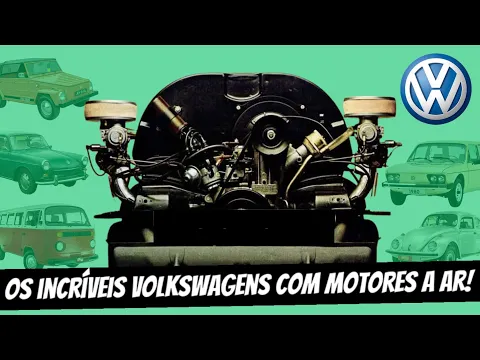

Over the Decades, Volkswagen Launched Several Models That Maintained the Air-Cooled Engine, Such as the Beetle, the Kombi, and the Sports Karmann Ghia. These Vehicles Became Symbols of Automotive Culture, With the Beetle Gaining Millions of Admirers Worldwide. In 1972, the Beetle Surpassed the Sales Record of the Ford Model T, Becoming the Best-Selling Car at That Time.
In Brazil, the Beetle and the Kombi Established Themselves as Versatile Utility Vehicles and Are Still Used by Collectors and Enthusiasts. In 1993, Then-President Itamar Franco Encouraged the Production of the Beetle, Known as the Itamar Beetle, Marking a Final Phase of Success for the Air-Cooled Engine in the Country.
Volkswagen, With Its Vehicles Equipped With Air-Cooled Engines, Not Only Conquered the Global Market But Also Established a Legacy That Endures to This Day. These Cars Were the Foundation of the Brand’s Growth, Which Became One of the Largest Automakers in the World. The Simplicity, Economy, and Robustness of Air-Cooled Models Marked the History of the Automotive Industry and Captured Generations of Consumers.


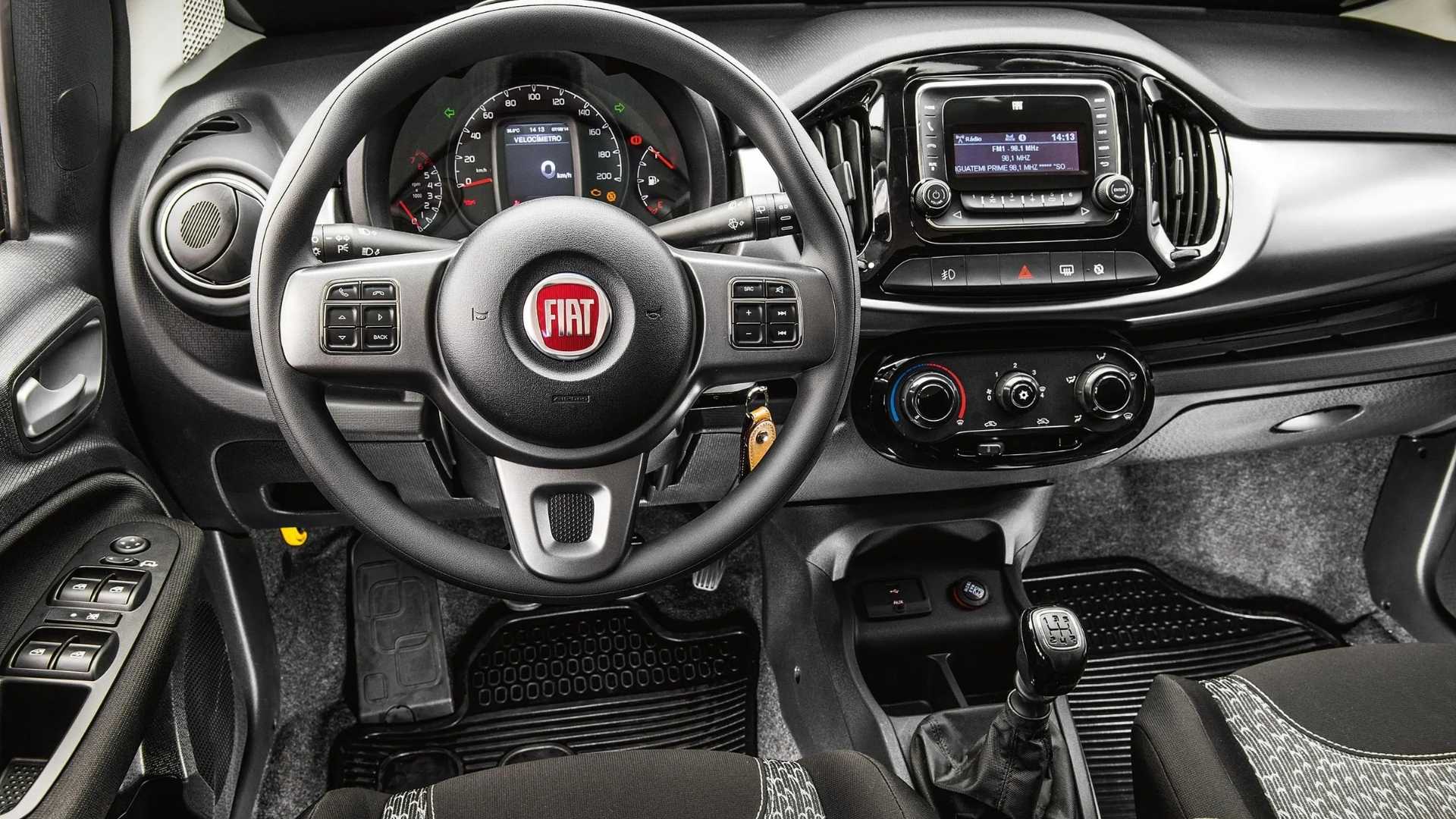







Na foto da chamada da matéria a 1ª lá em cima, o motor é a água…
Pensei que era um motor a ar diferente…..🤔🤔🤔🤔