





 English
  Francês
  Alemão
  Italiano
  Japonês
  Norueguês
  Portuguese
  Spanish
  5 min of reading
  0 comments


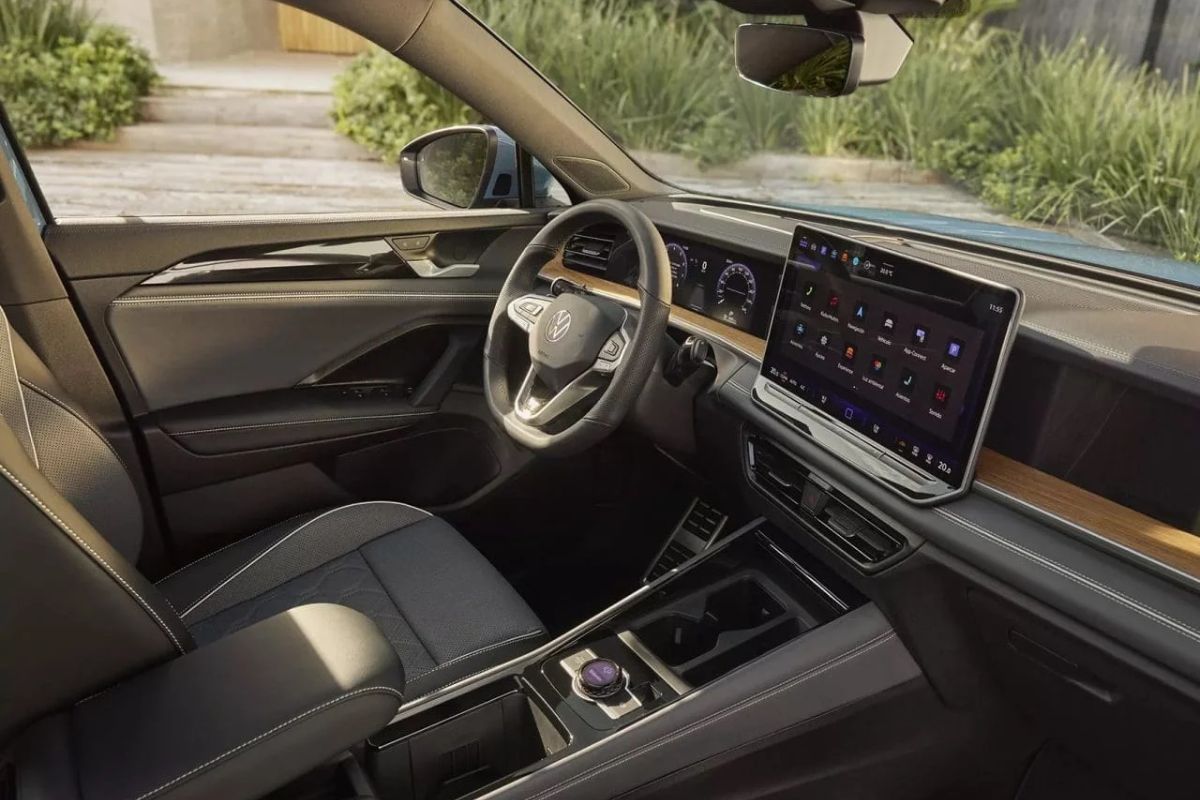
The new Tiguan arrives in stores in May with a 2.0 turbo engine from the EA888 Evo 5 family, delivering 272 horsepower and going from 0 to 100 km/h in 7.4 seconds. The Volkswagen SUV bets on 3D navigation, adaptive suspension, a 15-inch screen, and all-wheel drive 4Motion to face the GWM Haval H6, BYD Song Plus, and Jeep Commander.
Volkswagen presented the new Tiguan this Tuesday, March 24, in São Paulo. The model will hit stores in May for R$ 299,990 and features design, engine, and equipment updates that position the SUV directly against Chinese competitors that have been gaining ground in the Brazilian market. The new Tiguan comes equipped with a 2.0 turbo engine with 272 horsepower, all-wheel drive 4Motion, and a voice assistant integrated with ChatGPT, in addition to adaptive suspension, a 15-inch multimedia screen, and an autonomous parking system. The model has a 17-year history in Brazil and has sold over 65,000 units.
According to g1, the new Tiguan competes directly with the GWM Haval H6, BYD Song Plus, Jeep Commander, and CAOA Chery Tiggo. Volkswagen bets on a combination of a powerful engine, embedded technology, and the reliability of a well-known engine in the Brazilian market to differentiate itself from imported rivals from China. The 2.0 turbo engine from the EA888 family, now in the Evo 5 generation, is a familiar sight for consumers, which eliminates uncertainties about maintenance and operation in daily use. On the other hand, the absence of a hybrid version may weigh in the comparison with competitors that already offer electrification.
2.0 turbo engine with 272 horsepower: what the new Tiguan delivers in performance

The engine of the new Tiguan is the 2.0 turbo from the EA888 family, Evo 5 generation. It is a two-liter four-cylinder turbo that delivers 272 horsepower and 35.7 kgfm of torque. The SUV goes from 0 to 100 km/h in 7.4 seconds, a competitive number for the category.
-
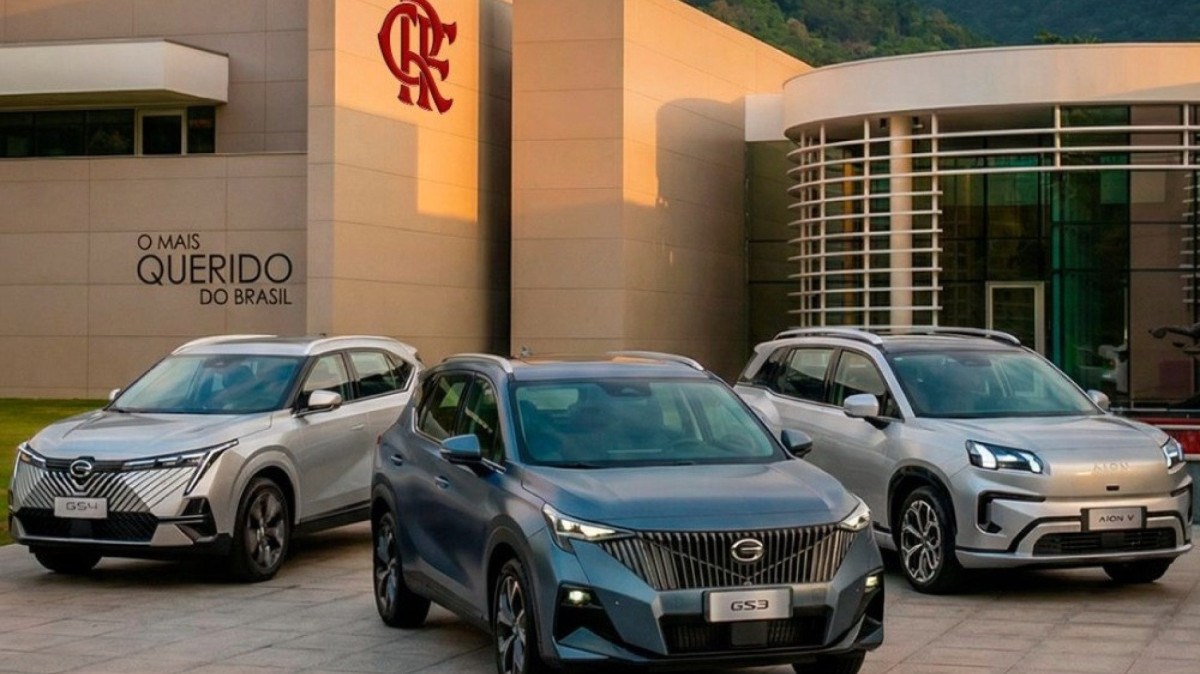
After launching the new GS3 with a 1.5 turbo engine producing 170 hp, GAC partners with Flamengo, enters the field with the largest fan base in Brazil, and accelerates an ambitious offensive to gain scale and confidence in the national market.
-
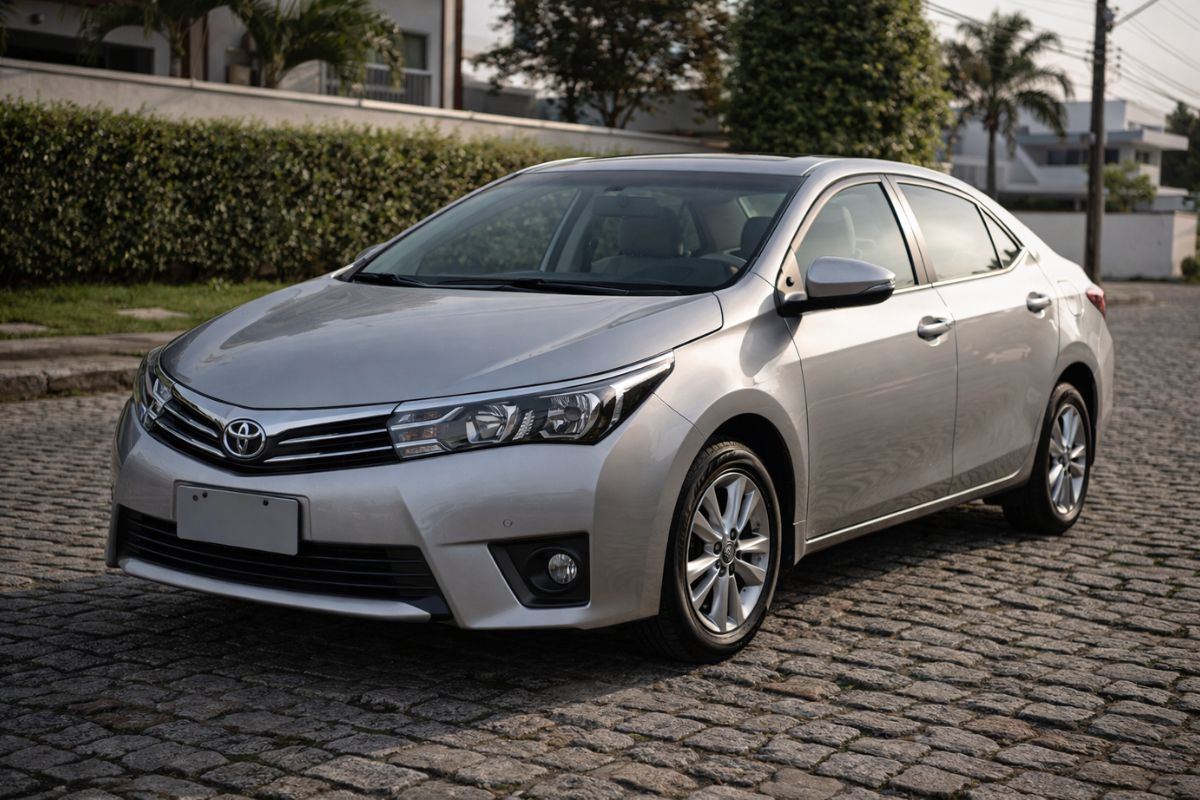
The Corolla from 2015 to 2019 depreciates so little that a 10-year-old model is still worth over 76 thousand reais, and owners treat this sedan as a safe investment thanks to its reputation for durability that no competitor has been able to match.
-
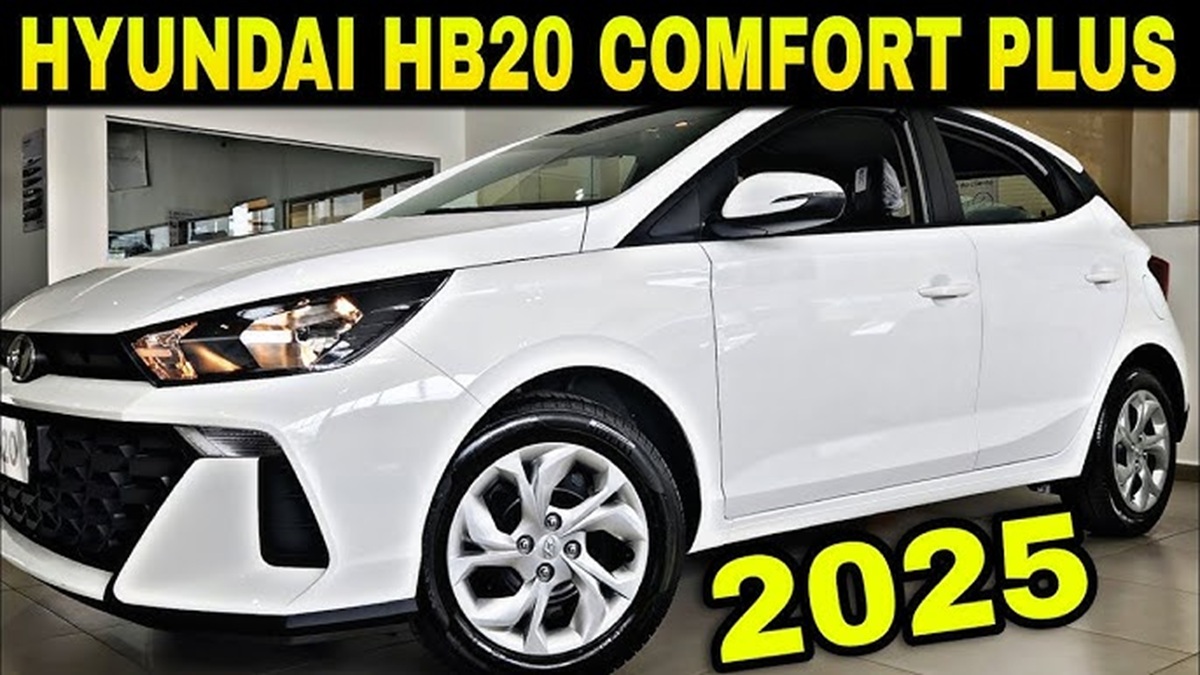
Is it worth considering a financed 2025 HB20 Comfort? A simulation with R$ 50,000 in the bank shows installments ranging from R$ 5,687 to R$ 2,365.
-
Road surveillance in Rio de Janeiro enters a new phase with the installation of more than 140 speed cameras on highways RJ-106 and RJ-104, and DER-RJ expands speed control in high-traffic areas.

The transmission is an eight-speed automatic from Aisin, the same used in the Volkswagen Atlas. The traction system is all-wheel drive on demand, primarily operating with front-wheel drive and engaging the rear axle when necessary.
The official consumption measured by Inmetro is 8.9 km/l in the city and 12.1 km/l on the highway. The new Tiguan is fueled exclusively with gasoline. One of the less visible but relevant advancements is in aerodynamics: the drag coefficient has been reduced from 0.33 to 0.28, which means less air resistance and directly contributes to reduced fuel consumption, especially on highways.
The absence of a hybrid version, already available in Europe, is a gap that Volkswagen attributes to the lack of assembly of these systems in Mexico, from where the model is imported.
Adaptive suspension and 4Motion traction: the dynamics of the new Tiguan

The new Tiguan features DCC Pro suspension control, with adaptive dampers that have separate compression and rebound control, using two valves instead of one. This change allows for a more precise adjustment of the suspension behavior according to the type of pavement and driving style.
The model also incorporates an electronic differential that distributes power between the wheels, improving stability and safety in situations of loss of grip.
The suspension architecture maintains a MacPherson front axle and multi-link rear axle, based on the MQB Evo platform, an evolution of the base already used by Volkswagen in various models.
The new Tiguan’s 4Motion all-wheel drive system has been updated with new energy management and rear coupling, functioning as on-demand traction: under normal conditions, it operates with front-wheel drive and engages the rear axle only when necessary.
ChatGPT at the wheel and a 15-inch screen: the embedded technology of the new Tiguan
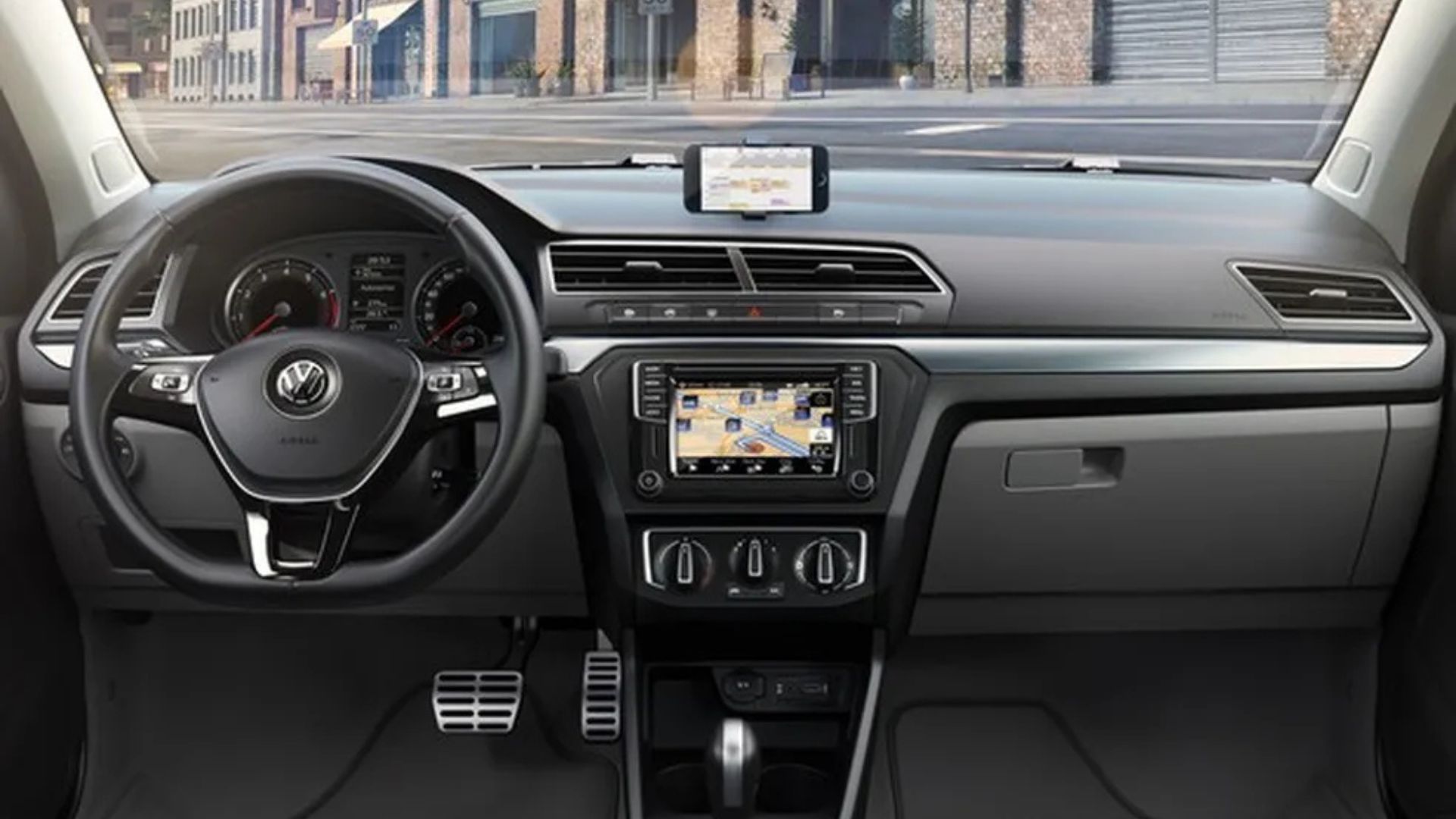
Inside, the new Tiguan debuts a new generation of digital architecture. The multimedia center has a 15-inch screen, the digital instrument panel has 10.25 inches, and there is a head-up display that projects information onto the windshield.
The model also features a voice assistant integrated with ChatGPT, capable of understanding commands in natural language. The Atmosphere mode allows for adjusting cabin lighting and sound, and there is wireless charging of 15 watts with cooling for the phone, as well as USB-C ports of 45 watts.
Among the driving assistants, the new Tiguan offers blind spot alert, a 360-degree camera, collision warning with autonomous braking, adaptive cruise control, and sign reading. There are six airbags.
In terms of lighting, the IQ Light HD Matrix system delivers over 750 lumens of luminous flux and allows continuous use of high beams without dazzling other vehicles. The seats have electric adjustment, a massage system with 10 chambers, and automatic ventilation and heating. The trunk has 459 liters, and the rear seat is adjustable to expand the cargo area.
The new Tiguan against the Chinese SUVs: price, equipment, and what is at stake
With a price of R$ 299,990, the new Tiguan enters a segment where Chinese SUVs have been gaining rapid ground. The GWM Haval H6, BYD Song Plus, and CAOA Chery Tiggo offer generous equipment packages, hybrid versions, and competitive prices.
Volkswagen responds with brand tradition, a well-known engine in Brazil, and a level of embedded technology that seeks to match what the Chinese offer.
The absence of a hybrid version is the most vulnerable point of the new Tiguan in this comparison. Models like the BYD Song Plus already offer plug-in hybrid engines with significantly lower consumption.
On the other hand, the new Tiguan bets on the trust that Brazilian consumers have in Volkswagen and the network of dealerships spread across the country, a differential that Chinese brands are still building. The success of the model will depend on how much the buyer values tradition and post-sale infrastructure against the price and technology of competitors.
Would you buy the new Tiguan?









Seja o primeiro a reagir!