





 English
  Francês
  Alemão
  Italiano
  Japonês
  Norueguês
  Portuguese
  Spanish
  5 min of reading
  1 comment


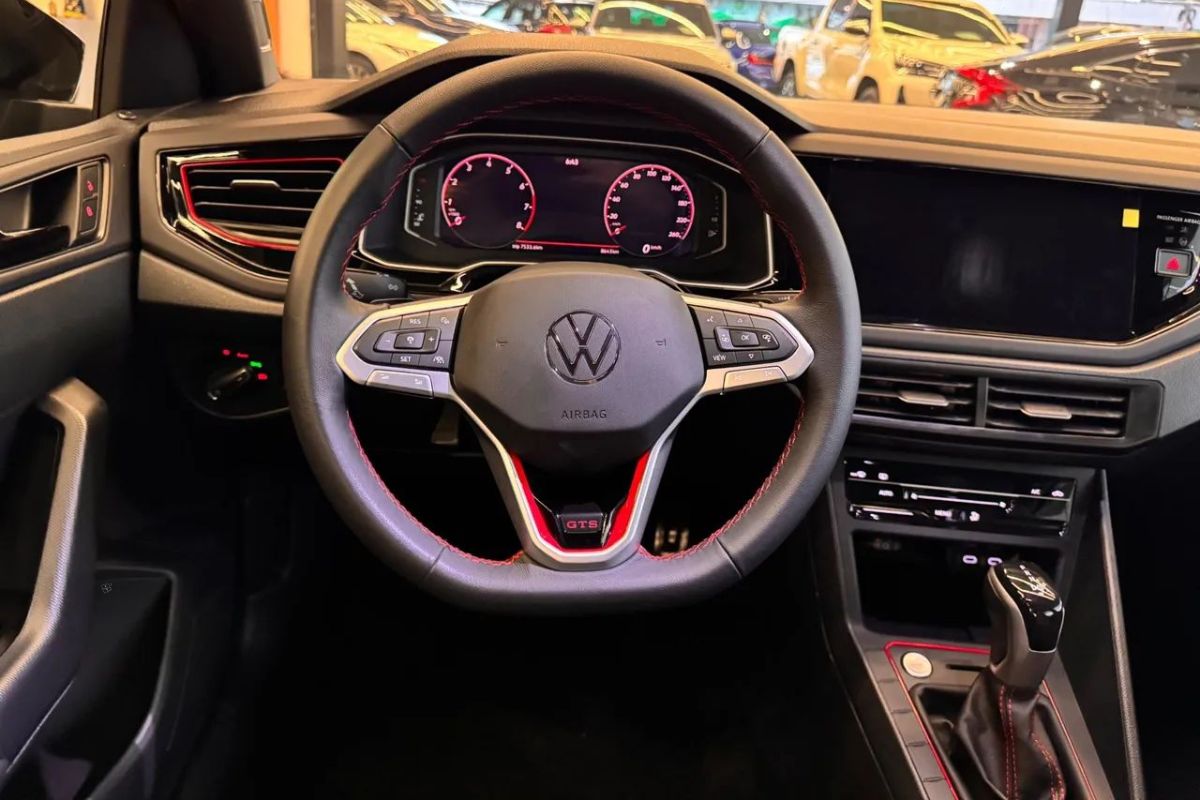

Volkswagen Nivus GTS 2026 Drives 450 Km In Evaluation, Rises To Around R$ 180 Thousand, Disappoints In 0 To 100 Compared To Promised But Surprises In The Curve, Combines 1.4 TSI 250 TSI Engine With AQ250 Automatic Transmission, Exclusive Suspension Adjustments, Real Consumption With Ethanol Of 7.6 Km/L (Urban) And 11.8 Km/L (Highway), Package With ACC, Lane Maintenance, Blind Spot, Reverse Camera And Comfort Items Like Inductive Charger And Climatronic Air Conditioning
The Volkswagen Nivus GTS 2026 comes to real use with a straightforward proposal: to deliver a sporty reading of the compact coupe-SUV without breaking away from the project’s foundation. In 450 km of evaluation, the price has risen and is already nearing R$ 180 thousand, and the performance on the stopwatch did not match the official promise of 0 to 100 km/h; at the same time, the dynamics in curves impress and the chassis adjustment exceeded visual appeal.
More than just launch controversy, the Volkswagen Nivus GTS 2026 reveals a set focused on suspension tuning, steering precision and stability, maintaining the versatility of the trunk and the everyday use of a Nivus — only with 1.4 TSI engine (150 hp and 25.5 kgfm), AQ250 transmission, and flavor of Eco, Normal, and Sport modes with soundaktor.
Price and Positioning: Where the GTS Fits
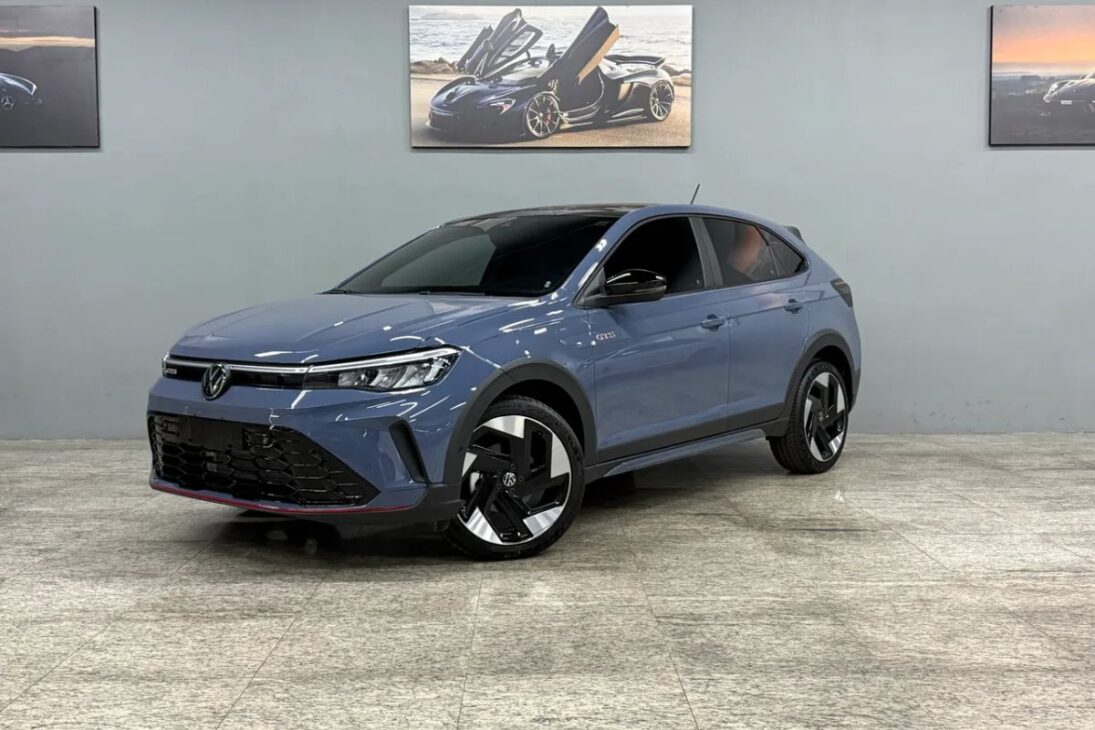
The repositioning has raised the Volkswagen Nivus GTS 2026 to the range of R$ 180 thousand (without paint and without the optional 18″ wheels).
-
Engineers propose a fourth traffic light for intersections – the change promises to affect crossings, queues, and waiting times.

-
Chevrolet Suburban Z71 lands in Brazil with a V8 engine, off-road design, air suspension, seven seats, and colossal size, a rare version imported for around R$ 1.3 million with luxury and exclusivity.
-
The Chevrolet Onix 1.0 turbo achieves 17.7 km per liter on the highway and ranks among the three most economical cars in Brazil in 2026, alongside two more expensive Toyota hybrids available at dealerships.
-
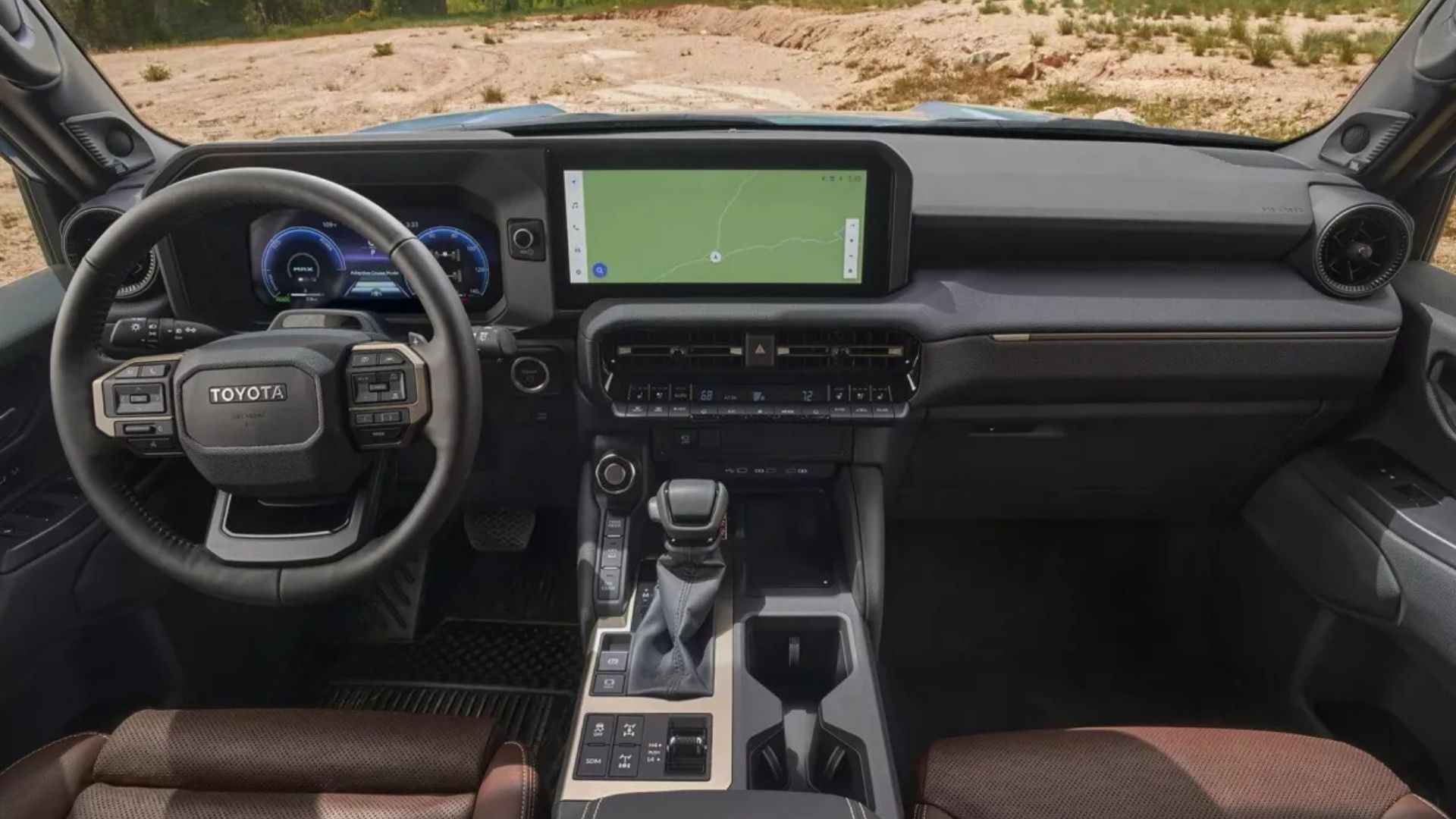
Little sister of the Hilux: Toyota launches Land Cruiser FJ with 4 radical versions, 2.7 engine with 166 hp and 4×4 traction with locking.

It is more expensive than at launch and targets those looking for a compact with a sporty proposal and content above the common Nivus.
For reference, the 18″ wheels (215/45) are optional, cost R$ 2,110 and change the dynamic feel — an option designed for those who want to prioritize grip and response, accepting a little less comfort.
It is not a “bargain price,” it is a positioning: the GTS occupies the historical role of a civilized sporty version of the line, without extremes, but with its own content and signature.
Engine, Transmission and Performance: The Stopwatch Doesn’t Lie, The Delivery Convincing
Under the hood, the Volkswagen Nivus GTS 2026 features a 1.4 TSI (150 hp and 25.5 kgfm) paired with the AQ250 automatic transmission. On the track, the 0–100 km/h was recorded at 9.1 s measured with VBOX, above the promised 8.4 s, and behind rivals like Pulse Abarth and Fastback Abarth.
Despite the number, the powertrain calibration is consistent: the transmission keeps the engine in the good torque range, avoids response “holes” and, in Sport, makes the car more ready (including in the ACC’s acceleration).
Honest Summary: it is not the fastest in a straight line, but it responds well in daily use and works finely tuned with the chassis.
Chassis, Suspension and Brakes: Where the GTS Truly Delivers
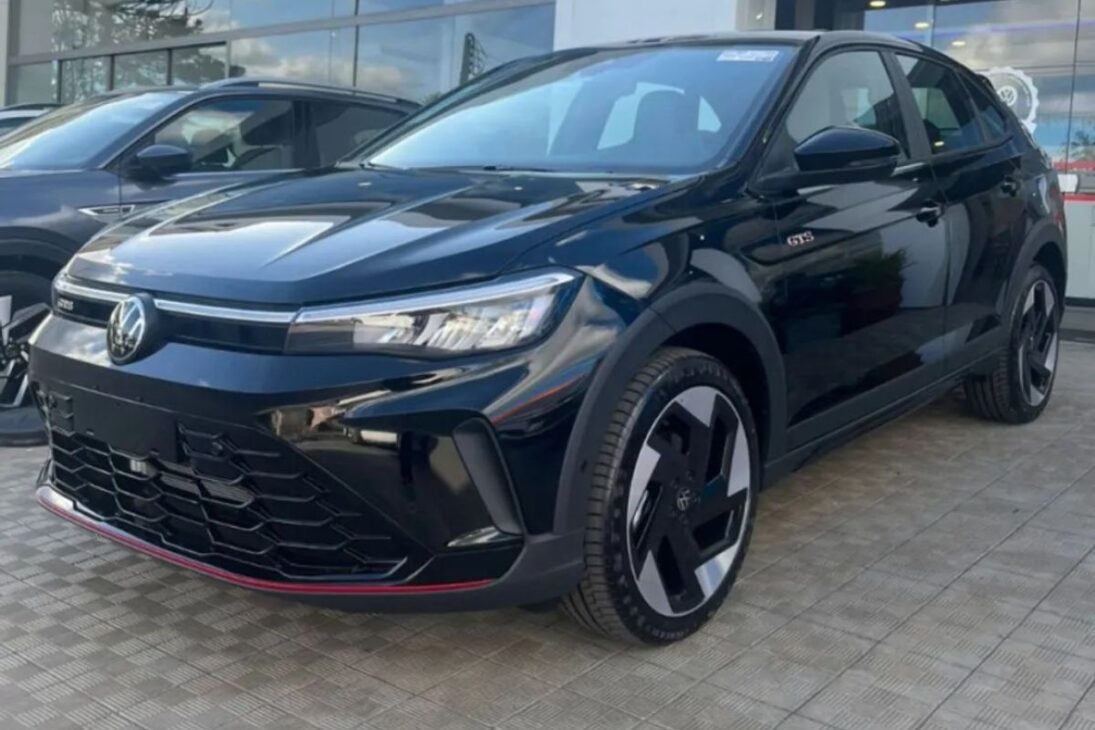
Here lies the trump card. The Volkswagen Nivus GTS 2026 received: 2 mm drop, new shocks at all corners, revised front suspension bushings and arms, and specific rear springs.
In practice, the car enters and exits corners “on track”, with precise steering and little roll. In winding sections and undulating surfaces, the grip is high and the tires don’t “squeal” easily, indicating suspension balance and load transfer.
In brakes, progressive modulation and consistent bite convey confidence. It’s the package that distinguishes the GTS: refined dynamics, more than acceleration numbers.
Consumption and Real Use: Numbers With Ethanol and The Role of Modes
Driving 450 km with ethanol, the Volkswagen Nivus GTS 2026 recorded 7.6 km/l in the city and 11.8 km/l on the highway.
In Eco, the air conditioning operates at lower power to reduce impact on consumption; in Sport, the car becomes more responsive and the ACC resumes speed with more vigor.
In everyday use, it is possible to extract fluidity without sacrificing consumption, as long as the torque is used early and traffic and slopes are anticipated — the electronics help, but the right foot remains decisive.
Space, Trunk and Ergonomics: Where It Works and Where It Falls Short
In the back, the space does not favor very tall passengers; more enveloping front seats take away some centimeters for knees. In front, the driving position is good, with wide adjustments and a flat-bottomed steering wheel.
The trunk of 415/416 L (VDA) is competent for the category and surpasses that of some direct rivals, maintaining the proposal of practical coupe SUV.
Point of attention: if the priority is to comfortably carry three adults in the back, it’s worth testing with the family before making a decision.
Equipment and Assistances: Correct Content, Debatable Choices
In the Volkswagen Nivus GTS 2026, the list includes ACC, lane maintenance/centering, blind spot alert, reverse camera, Park Assist, Virtual Cockpit, Climatronic air conditioning, inductive charger, two USB-C, electrochromic mirror, and folding mirrors.
Recurring criticisms: reverse camera with only fair definition and absence of “wow” items (like matrix headlights). Within the GTS proposal, Volkswagen privileged chassis and dynamics — a choice that pleases drivers and frustrates those who wanted more “show-off”.
Direct Comparisons: When It Makes Sense and When It Doesn’t
Against Pulse Abarth and Fastback Abarth, the Volkswagen Nivus GTS 2026 loses in 0–100 and wins in the curve. If your benchmark is pure acceleration, the Abarths deliver more “punch”.
If you are looking for trajectory precision, well-balanced braking, communicative steering, and a tight package, the GTS stands out. Price is the other side: it is above the Pulse and close to the Fastback, which requires a cold cost-benefit evaluation.
In clear Portuguese: those who buy based on technical specifications tend to look at the Abarths, while those who buy based on how the car handles the corner tend to choose the GTS.
Verdict: Is It Worth Paying R$ 180 Thousand?
The Volkswagen Nivus GTS 2026 is not the “king of 0–100”, it is the “king of the curve” within its niche. High price and some showroom savings weigh against it; chassis tuning, steering, braking, and powertrain coherence weigh in its favor.
If your priority is driving — and not just accelerating in a straight line — the package makes sense, especially with the 18″ wheels. If the budget is a red line and you want more “punch” in acceleration, the Abarths may close the deal better.
For your use, what weighs more in the Volkswagen Nivus GTS 2026: curve “on track” or stronger 0–100? Would you pay R$ 180 thousand for superior chassis tuning even with basic reverse camera and absence of “showroom” items? Tell how your routine is (city/highway, mileage, passengers) and which rival would be in your real comparison — we want to hear from those who live it in practice.









weed gummies bulk orders with discounts