





 Portuguese
  English
  Spanish
  3 min of reading
  0 comments


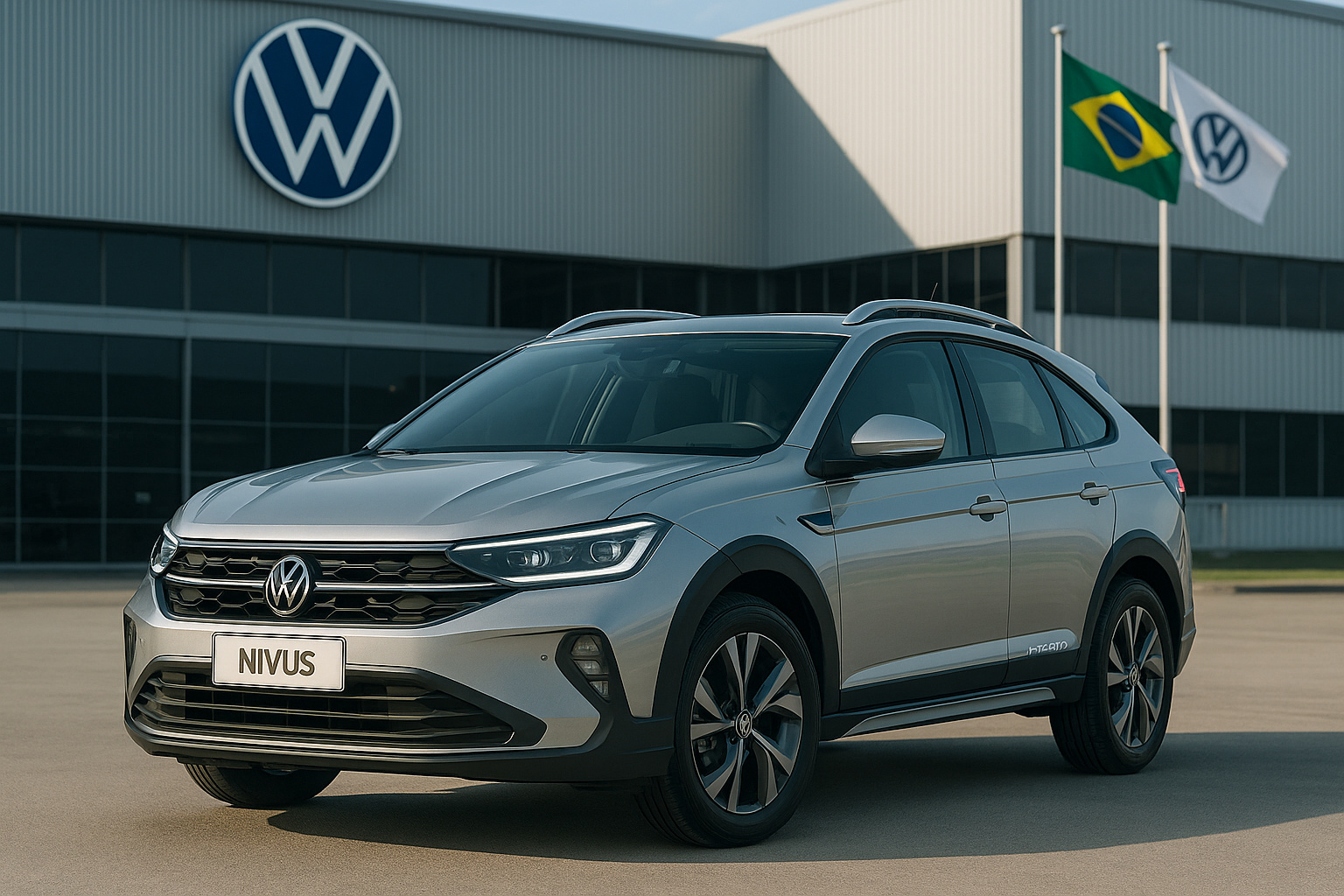
VW Invests Billions In Hybrid Cars In Brazil And Novo Nivus Is Set To Launch Flex Technology With High Cost-Benefit And Focus On The National Market.
VW Accelerates Electrification In Brazil And Prepares Novo Nivus Hybrid To Dominate The Automotive Market
A VW confirmed, this Friday (10/31), that all vehicles produced in Brazil will have a hybrid version starting in 2026. The decision marks a historical turning point in the brand’s portfolio.
The announcement took place at the Anchieta factory, in São Bernardo do Campo (SP). The ceremony was attended by Geraldo Alckmin, Vice President of the Republic, and Aloizio Mercadante, President of BNDES.
The automaker stated that it will democratize electrification in the country. Thus, VW will offer hybrid cars in different modalities with a strong focus on cost-benefit. In this way, the brand seeks to expand its advantage in the Brazilian and South American automotive market.
-
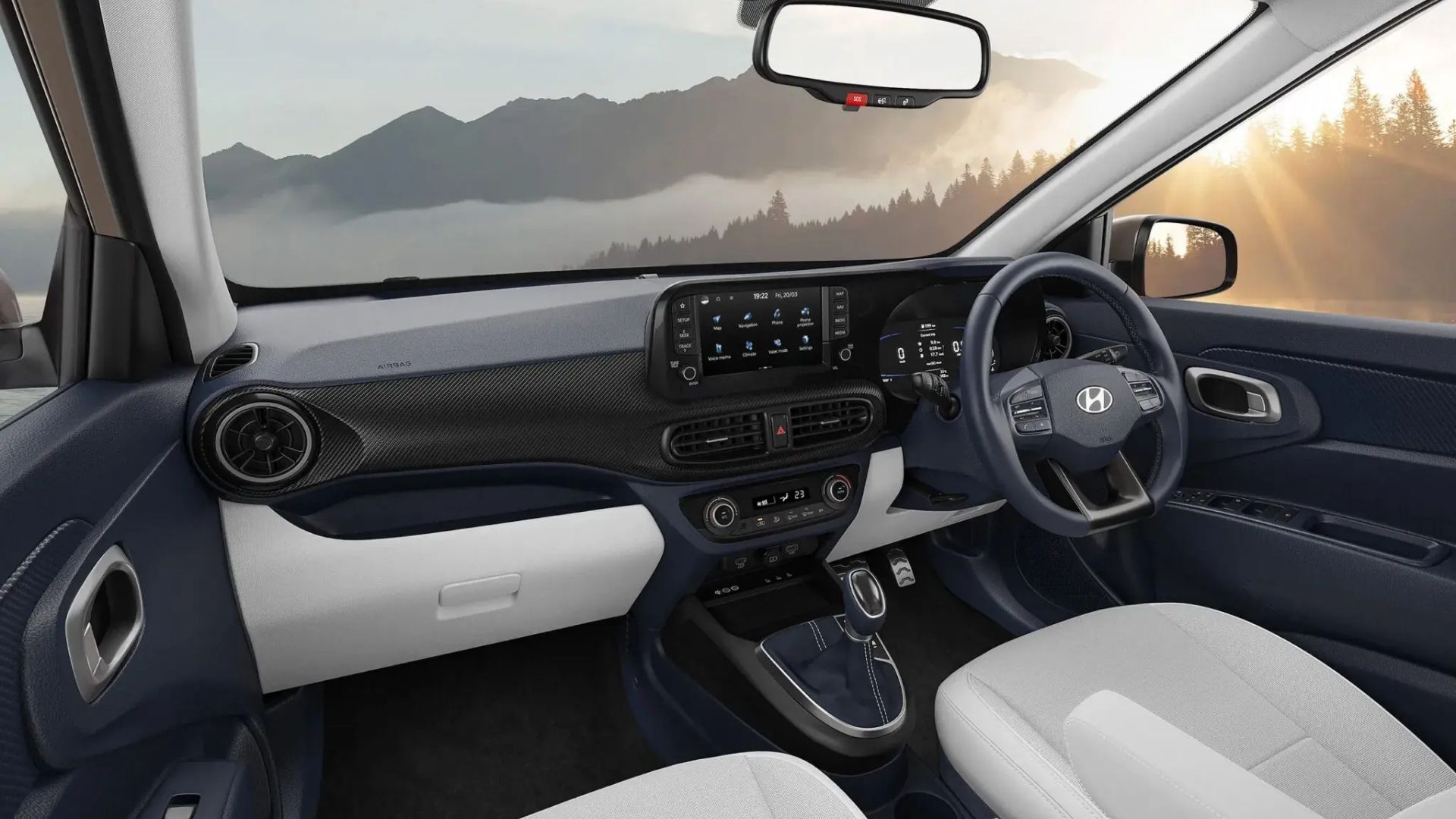
For R$ 32,000, a brand new Hyundai car is a rival to the Kwid with a 1.2 engine producing 82 hp, 6 airbags as standard, multimedia with wireless Android Auto, up to 391 liters in the trunk, and a refreshed look for 2026 in India.
-
He bought a new car in 1983, locked it in the barn in 1988, and no one opened the door for 38 years until the family discovered what was stored inside and realized it looked like something out of a movie.

-
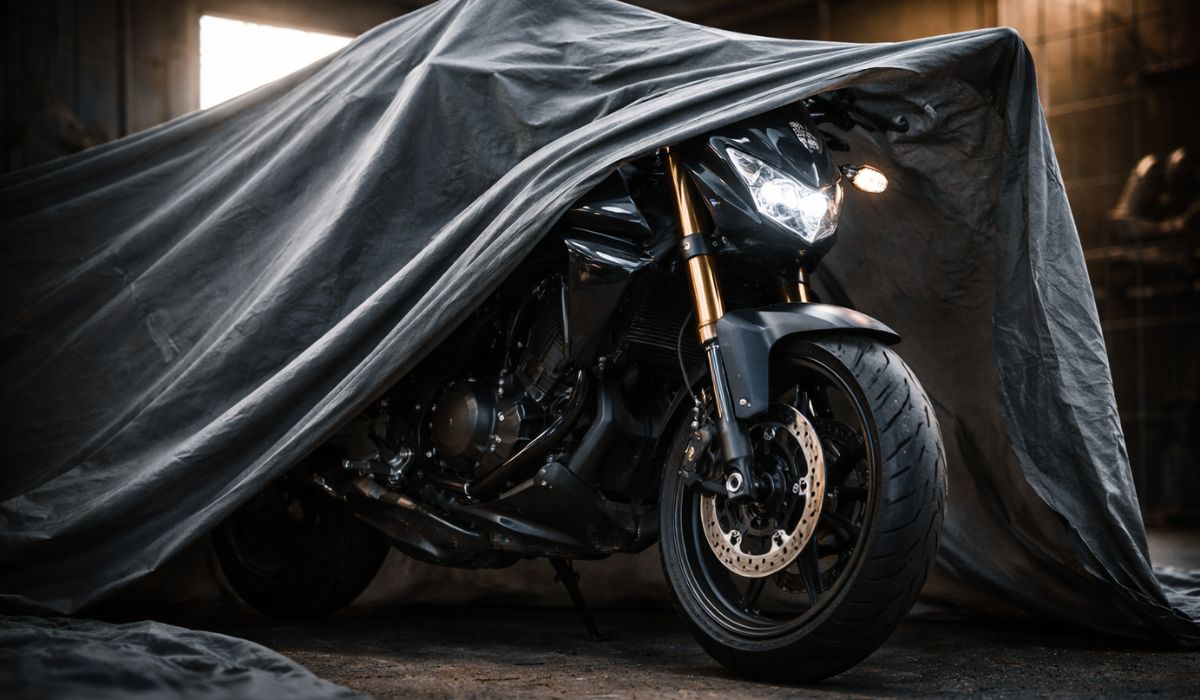
A 250cc motorcycle that can reach 560 km with a 14-liter tank, features disc brakes on both wheels and is among the most well-known in Brazil.
-
Man finds over 200 rare cars abandoned on a lot and tries to do the impossible in 8 hours with a surprise at the end.


To accelerate this change, VW obtained R$ 2.3 billion from BNDES. The amount will finance the production of hybrid engines, advancements in assisted driving technologies, and improvements in vehicle connectivity.
With this, the company strengthens its strategy and prepares more modern, efficient, and affordable models for consumers in the country.
Novo Nivus Hybrid Is Set To Launch A New Phase For VW With A Focus On Cost-Benefit
In addition to the investment, VW confirmed that the first model of the new electrified era is expected to be the Novo Nivus hybrid, produced in São Bernardo. The crossover, already one of the brand’s sales leaders in the country, will gain a HEV flex system, a combination that unites full hybrid technology with the use of ethanol, reinforcing the national bet on biofuels.
“A new era of electrification for Volkswagen in Brazil begins. Starting in 2026, every new Volkswagen developed and manufactured in the region will have electrified versions,” said Ciro Possobom, CEO of Volkswagen in Brazil. “We will offer hybrids in all modalities, democratizing access to electrification and advanced technologies,” he added.
This configuration positions the Nuevo Nivus as a strategic alternative for consumers looking for hybrid cars with superior cost-benefit, without relying on external charging.
VW Hybrid Cars Will Have Options For Various Profiles In The Automotive Market
The brand revealed that its new phase will include everything from MHEV (mild hybrids) to PHEV (plug-in), including HEV flex, which is considered the most suitable for Brazil.
Furthermore, while the Nuevo T-Cross continues to be produced in São José dos Pinhais (PR), the Nuevo Nivus remains at the Anchieta factory, reinforcing its position as a natural candidate for the debut of the hybrid MQB37 platform.
The move reflects international trends: in Europe, the Volkswagen T-Roc already adopts full and mild hybrid systems, with a 1.5 turbo engine that will also be produced in São Carlos (SP). Thus, the Brazilian structure is aligned with VW’s global technology.
Advanced Technology To Enhance VW’s Competitiveness
VW is also betting on ADAS, intelligent systems that assist in driving and increase safety, along with connectivity solutions. Therefore, the strategy aims to ensure that future models offer features once found only in premium segments — strengthening the cost-benefit and expanding market share in the automotive sector.
Thomas Schäffer, global CEO of Volkswagen, had already emphasized that Brazil is strategic for the expansion of hybrids, especially due to the acceptance of technologies that do not rely exclusively on electric charging.
Conclusion: VW Aims To Lead The Hybrid Era In Brazil
With the billion-dollar investment, the focus on hybrid cars, and the expectation of launching the Novo Nivus hybrid with a strong cost-benefit appeal, Volkswagen positions itself to lead the transformation of the Brazilian automotive market.
Thus, the brand combines electrification, biofuels, and advanced technology to ensure a dominant presence in the coming years.










-

-

2 pessoas reagiram a isso.