





 Portuguese
  English
  Spanish
  4 min of reading
  21 comments





Economist Fernando Ulrich Highlights That the Exit of the Megainvestor Exposes Bubble Risks in the Chinese Electric Vehicle Sector, With Possible Impacts in Brazil and Worldwide
Warren Buffett’s decision to completely exit his position in BYD and the warning from the CEO of Great Wall Motors (GWM), who spoke of an “automotive Evergrande,” raised a red flag in the global electric mobility sector. Economist Fernando Ulrich emphasizes that the move exposes the fragility of business models that are heavily reliant on subsidies and state credit in China, which could create turbulence on an international scale.
According to Ulrich, Buffett’s Berkshire Hathaway has made more than ten times its investment since 2008 with the appreciation of BYD, but decided to entirely close its position in early 2025. The investor saw no more margin of safety, given increasing risks in an industry marked by an oversupply, aggressive accounting practices, and artificially boosted demand due to government incentives.
The Weight of Subsidies in the Electric Vehicle Industry
Economist Fernando Ulrich highlights that much of the profitability of BYD and its competitors stems from direct and indirect subsidies for both consumers and manufacturers.
-
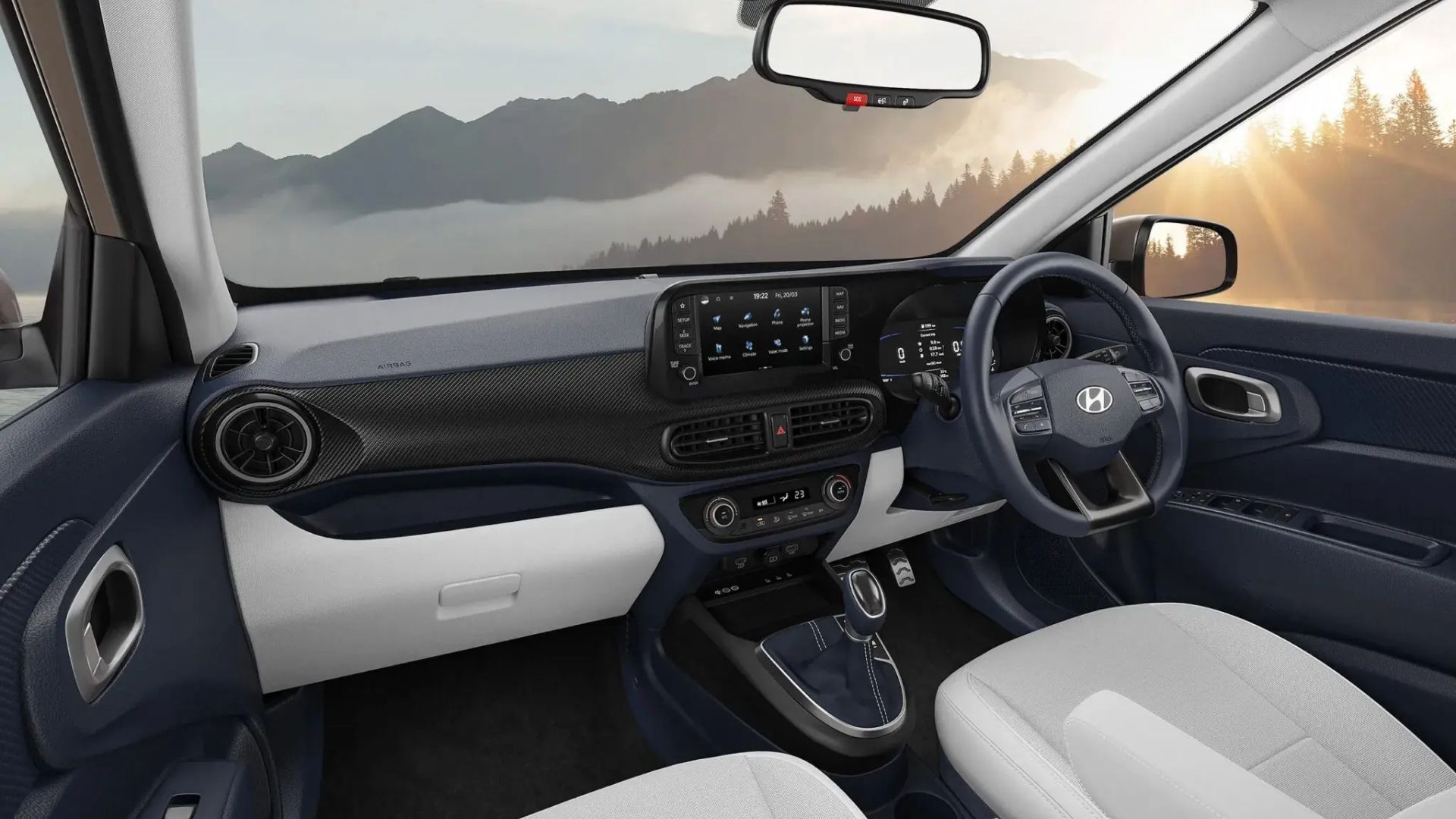
For R$ 32,000, a brand new Hyundai car is a rival to the Kwid with a 1.2 engine producing 82 hp, 6 airbags as standard, multimedia with wireless Android Auto, up to 391 liters in the trunk, and a refreshed look for 2026 in India.
-
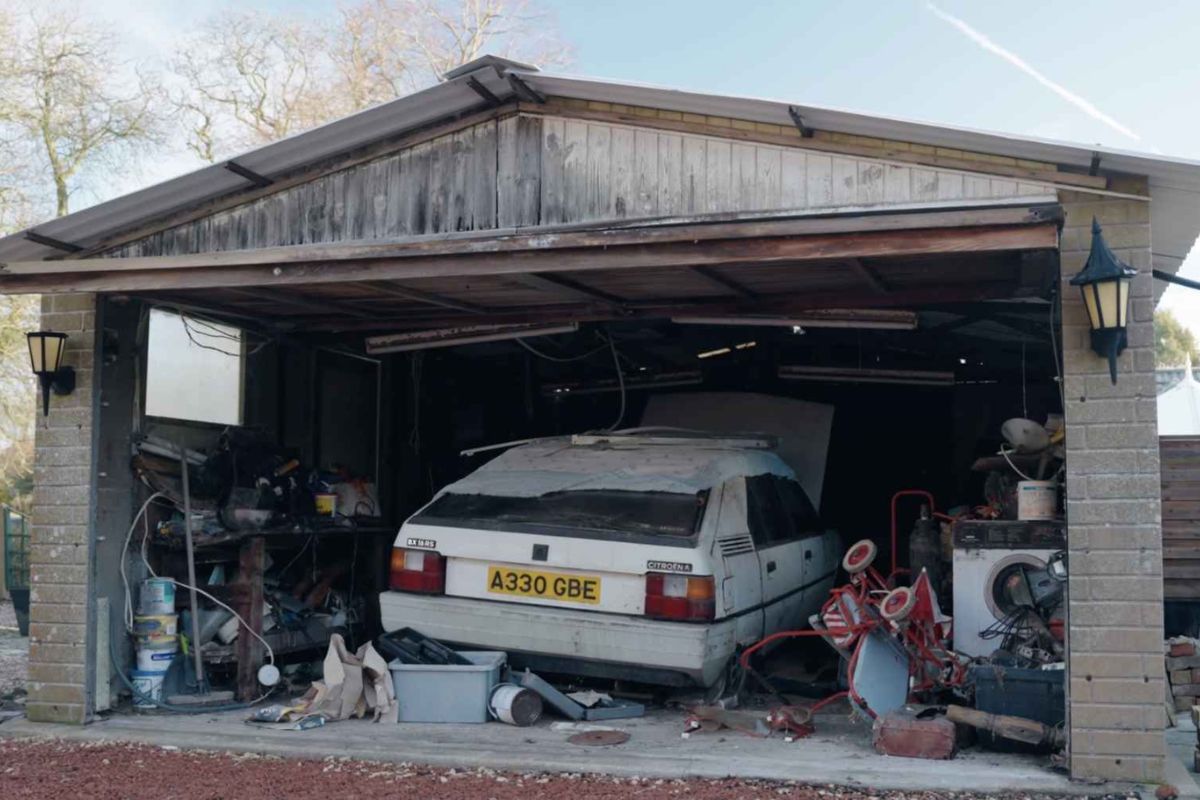
He bought a new car in 1983, locked it in the barn in 1988, and no one opened the door for 38 years until the family discovered what was stored inside and realized it looked like something out of a movie.
-
A 250cc motorcycle that can reach 560 km with a 14-liter tank, features disc brakes on both wheels and is among the most well-known in Brazil.
-
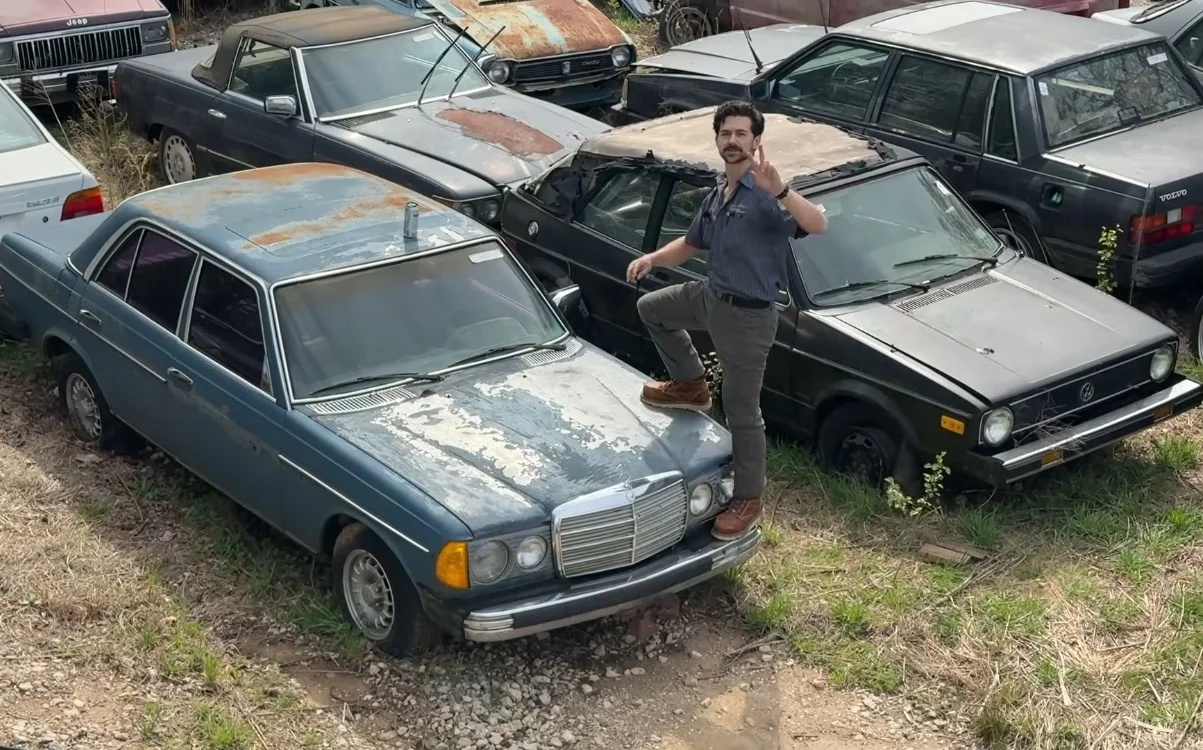
Man finds over 200 rare cars abandoned on a lot and tries to do the impossible in 8 hours with a surprise at the end.

In the case of BYD, estimates suggest that around 25% of the net profit in 2024 resulted from government incentives, recorded in the balance sheet as “other subsidies.”
This scenario raises doubts about the sustainability of the sector.
Without tax benefits, targeted credit lines, and tax reductions, the actual demand for electric vehicles could be lower, reducing manufacturers’ ability to remain competitive in the long term.
Questioned Financial Strategies
Another point raised by Ulrich is the use of financial maneuvers to bolster cash flow, such as delaying payments to suppliers.
While traditional manufacturers like Toyota and Honda typically take 30 to 50 days to settle commitments, BYD has postponed payments for more than 130 days.
In practice, suppliers end up financing part of the operation, masking the company’s real level of indebtedness.
Reports from analytical firms, such as GMT Research, have already classified the practice as “disguised financing,” which can distort the financial health presented to the market.
The Warning from GWM: An “Automotive Evergrande”
Jack Wei, CEO of Great Wall Motors, stated in an interview that “the Evergrande of the automotive industry already exists, it just hasn’t collapsed yet”.
The comparison refers to the Chinese real estate crisis that began with the bankruptcy of the construction firm Evergrande, a symbol of a bubble that dragged on for years and affected the entire economy of the country.
According to Ulrich, if a similar collapse occurs in the electric vehicle sector, the impacts would be even broader.
This is because the automotive industry has a global presence, with supply chains involving Europe, the United States, and Latin America.
Brazil, which is already one of the main markets for Chinese brands, would also feel direct impacts.
Repercussions for Global Markets and Brazil
The potential crisis in the Chinese electric vehicle sector could lead to devaluation of stocks related to electric mobility, a pullback in investments for new factories, and pressures on international suppliers.
In Brazil, where BYD and GWM are expanding operations, a possible slowdown could jeopardize local production plans and affect jobs in the automotive sector.
Ulrich emphasizes that, although governments may intervene to save strategic companies, Jack Wei’s statement itself shows that the sector is experiencing an excessive moment comparable to the pre-collapse of the Chinese real estate market.
This reinforces the need for caution among investors and close monitoring by governments that view the automotive industry as a pillar of growth.
The exit of Warren Buffett from BYD and the harsh words from the CEO of GWM serve as a double alert: on one hand, the unsustainability of businesses dependent on subsidies; on the other, the risk of a crisis that transcends borders and reverberates throughout the global economy.
And you, do you think that BYD and other Chinese manufacturers will be able to sustain themselves without massive subsidies? Or are we facing a bubble that could burst like Evergrande’s? Leave your opinion in the comments — we want to hear from those who live and follow this market in practice.











Os grandes da indústria do petróleo está sentindo o golpe!
Não se esqueçam gente que grandes empresas automotivas mundiais, principalmente as americanas estão com sérios problemas diante da ofensiva chinesa sobre eles. A propaganda negativa é umas das armas que elas normalmente trabalham para derrubar os concorrentes que trazem preços e tecnologias igual ou melhor do que as deles sempre com o objetivos de nos oferecerem carroças com preços de mustang.
É muito simples, está acontecendo uma poda natural das companhias chinesas, depois de incentivar o crescimento do setor as empresas com o melhor desempenho continuam e as demais se vão. BYD só vai ter problemas com carros elétricos se o uso de veiculos voadores crescer, mas não duvido que futuramente teremos voadores elétricos.