





 English
  Francês
  Alemão
  Italiano
  Japonês
  Norueguês
  Portuguese
  Spanish
  4 min of reading


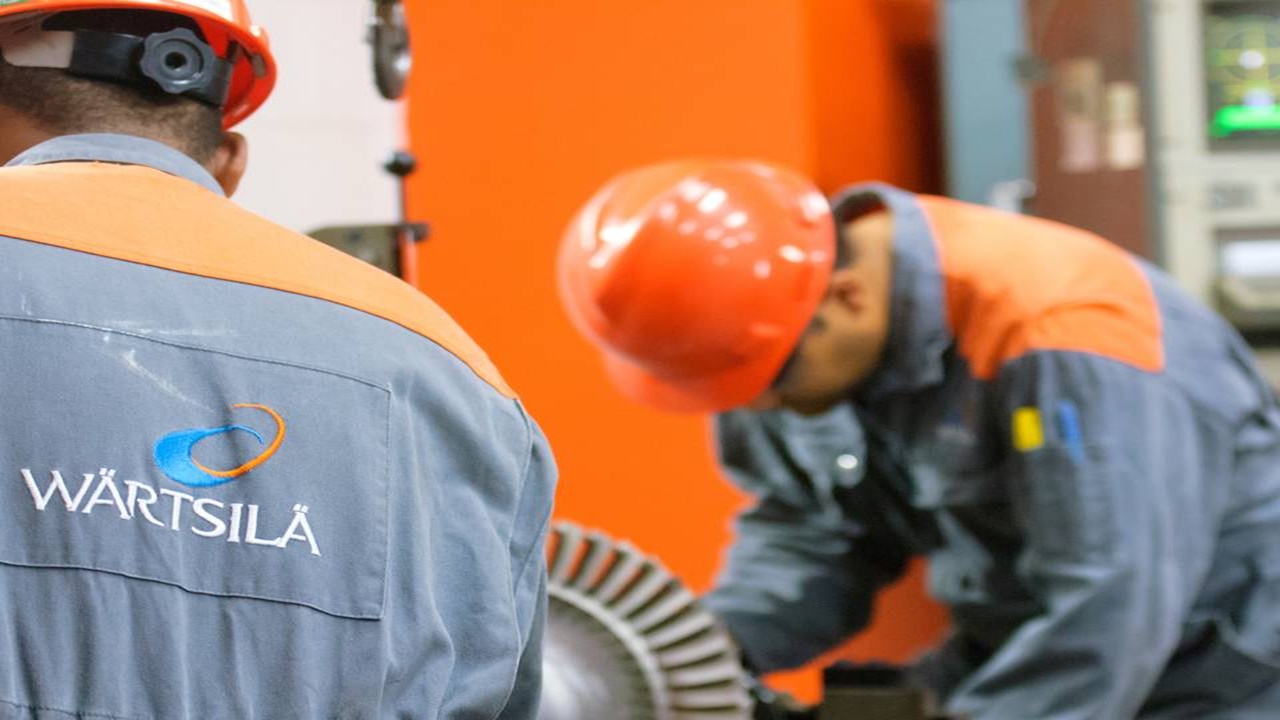
Wärtsilä Evaluates 31 Gas Engines to Find the Ideal Parameters to Operate on Pure Hydrogen and Expects to Have an Engine and a Plant Concept Capable of Operating on 100% Hydrogen by 2025.
Wärtsilä, the Finnish multinational supplier of marine equipment for shipbuilders, shipowners, and operators of vessels and offshore facilities, has begun testing its thermal balance engines using pure hydrogen and expects to have an engine and a plant concept capable of operating on 100% hydrogen by 2025, which will enable the transition to decarbonized energy systems worldwide.
Read Also
- American Multinational Invites Candidates Without Experience from Various Fields for Job Openings Starting in November at Its Offices in Brazil for the Trainee Program 2021
- Hydrated and Anhydrous Ethanol: From the Plant to the Pump, See the Difference Between the Fuels Used for Refueling, but in Different Ways
- China Challenges Google and Builds the World’s Most Powerful Quantum Computer
- World’s First 3D Printed Steel Bridge, Made from 4500kg of Stainless Steel, Has Come to Revolutionize Civil Construction, Infrastructure, and Global Architecture
- Pyrite, the Shiny Yellow Mineral known as Fool’s Gold for Deceiving the Less Experienced, May Leave Fools Rich!
The forecast is that green hydrogen will cover 13% of global energy demand by 2070, but currently, there are no commercially available engines that can effectively use the fuel, which could jeopardize global net-zero ambitions.
Wärtsilä is now pioneering a historic testing program for its thermal balance gas engines to be converted to use pure hydrogen as fuel.
-
New shoe factory in Ceará is expected to create 400 jobs and strengthen the local economy.
-
No one imagined it, but a mixture of sawdust with a mineral that fights fires surprises scientists with a result that changes the course of fire-resistant construction.

-
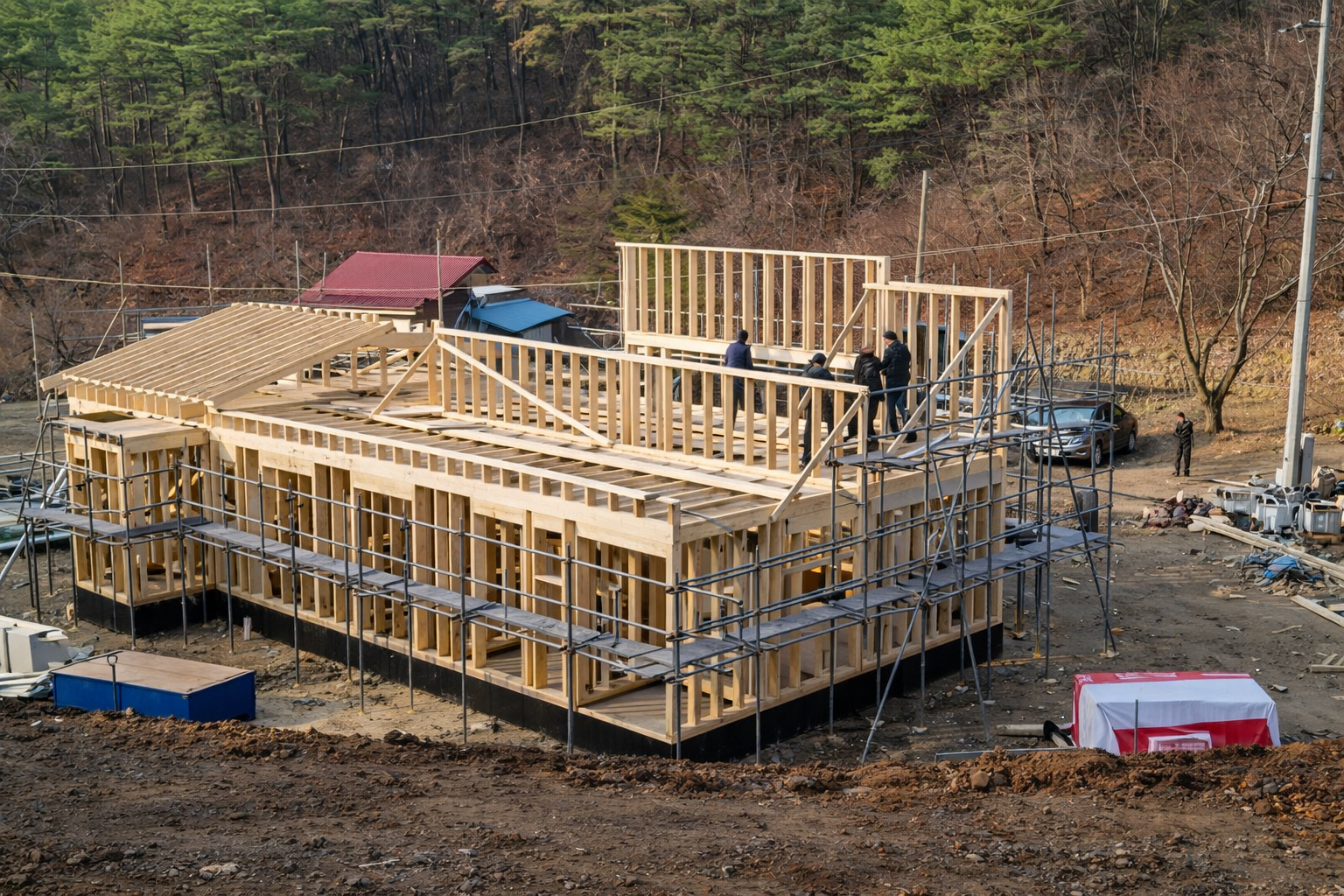
From empty land to a high-end house, wooden construction uses a lightweight system, metal structure for the foundation, ventilated ceramic cladding, and special windows to create an efficient and comfortable living space throughout the year.
-
From vacant land to a high-end house, wooden construction uses a lightweight system, a metal structure for support, ventilated ceramic cladding, and special windows to create an efficient and comfortable living space throughout the year.

Modify Gas Combustion Engines
The project in Vaasa, Finland, will evaluate Wärtsilä’s existing technology of 31 gas engines to find the ideal parameters to operate on hydrogen. Currently, Wärtsilä’s gas engines are used for flexible power generation balance for energy systems with high levels of renewable energy.
Green hydrogen, developed from renewable energy through electrolysis, and hydrogen-based green fuels will provide long-duration energy storage.
They will work in conjunction with renewable generation and short-duration storage (such as lithium-ion batteries) to create safe and fully decarbonized energy systems. According to Wärtsilä’s energy system model, over 11,000 GW of wind and solar energy is needed in the G20 alone to create 100% renewable energy systems.
It will require 933 GW of carbon-neutral thermal balance capacity to allow this amount of renewable energy to be integrated and stabilize these future energy systems. The ability to modify existing engines to use hydrogen fuels and hydrogen when broadly available is crucial to achieving global decarbonization goals.
Internal Combustion Engine is a Key Technology for Enabling Renewable Energy Growth
The internal combustion engine is a key technology for enabling renewable energy growth today, providing the flexibility needed to support the intermittent generation of wind and solar energy.
Many countries are investing in new, highly efficient engines to support the sustainable acceleration of renewable energy. Being able to modify engines in the future to use carbon-neutral fuels, such as green hydrogen and hydrogen-based green fuels, means that energy companies can invest safely now to enable 100% renewable systems required by mid-century, without the risk of investing in stranded assets.
Håkan Agnevall, CEO of Wärtsilä, said, “This is a historic moment in the global energy transition. Global societies will need to invest billions in the necessary infrastructure to develop green hydrogen, but this investment depends on having market-ready engines that can operate with the fuel when it becomes available.”
“Our model shows that a significant amount of thermal balance is needed by mid-century to achieve the transition to 100% renewable energy. By developing engines today that can run on hydrogen tomorrow, we are preparing energy systems for the future to become 100% renewable by 2050.”
Wärtsilä’s Business
Wärtsilä’s grid balancing portfolio, consisting of power plants, energy storage systems, and energy management, efficiently manages a high proportion of renewable energy. It also creates conditions to produce future carbon-neutral fuels that can decarbonize energy-intensive sectors, from energy to mobility.
Wärtsilä is one of the world leaders in the implementation of thermal balancing and energy storage technology. It offers essential flexibility needed to rapidly accelerate the global shift to 100% renewable energy systems.
It has installed a total of 74 GW of plant capacity in 180 countries worldwide, including an increasing percentage of thermal balance and over 80 energy storage systems.
Wärtsilä’s engines can reach full load in two minutes and can currently run on natural gas, biogas, synthetic methane mixtures, or hydrogen, with a mixing possibility of up to 25% hydrogen already tested today.
At the same time, Wärtsilä is testing engines for ammonia and methanol, two future alternative fuels that will support the decarbonization of the maritime sector and help the International Maritime Organization achieve its goal of reducing GHG emissions from the sector by 50% by 2050.










Seja o primeiro a reagir!