





 Portuguese
  English
  Spanish
  5 min of reading
  0 comments



Washington Is On High Alert After China Cuts Exports Of Vital Ore For Missiles And Fighters. The Decision Could Paralyze Western Armed Forces And Present A Logistical Nightmare For The USA.
Tensions between Washington and Beijing escalated further this week. A new report published by American military sources and broadcast by CNN indicates that China is drastically restricting the export of a vital ore for the production of missiles and fighters, as part of its geopolitical strategy of influence and retaliation.
According to defense and intelligence analysts in the United States, the Chinese decision could compromise the national security of NATO countries, generate critical disruptions in arms supply chains, and force the strategic activities of Western armed forces to be paralyzed in the coming months.
What Is The Vital Ore Being Cut By China?


Although the name of the material has not been officially disclosed by American authorities, sources linked to the Pentagon and the defense industry indicate that the element in question belongs to the group of rare earth metals – more specifically, gallium or germanium, both used in the manufacture of:
-
If the USA were to go to war with Brazil, Washington’s greatest fear would not be the attack itself, but facing a vast territory, prolonged resistance, and a costly, chaotic, and unpredictable occupation.

-
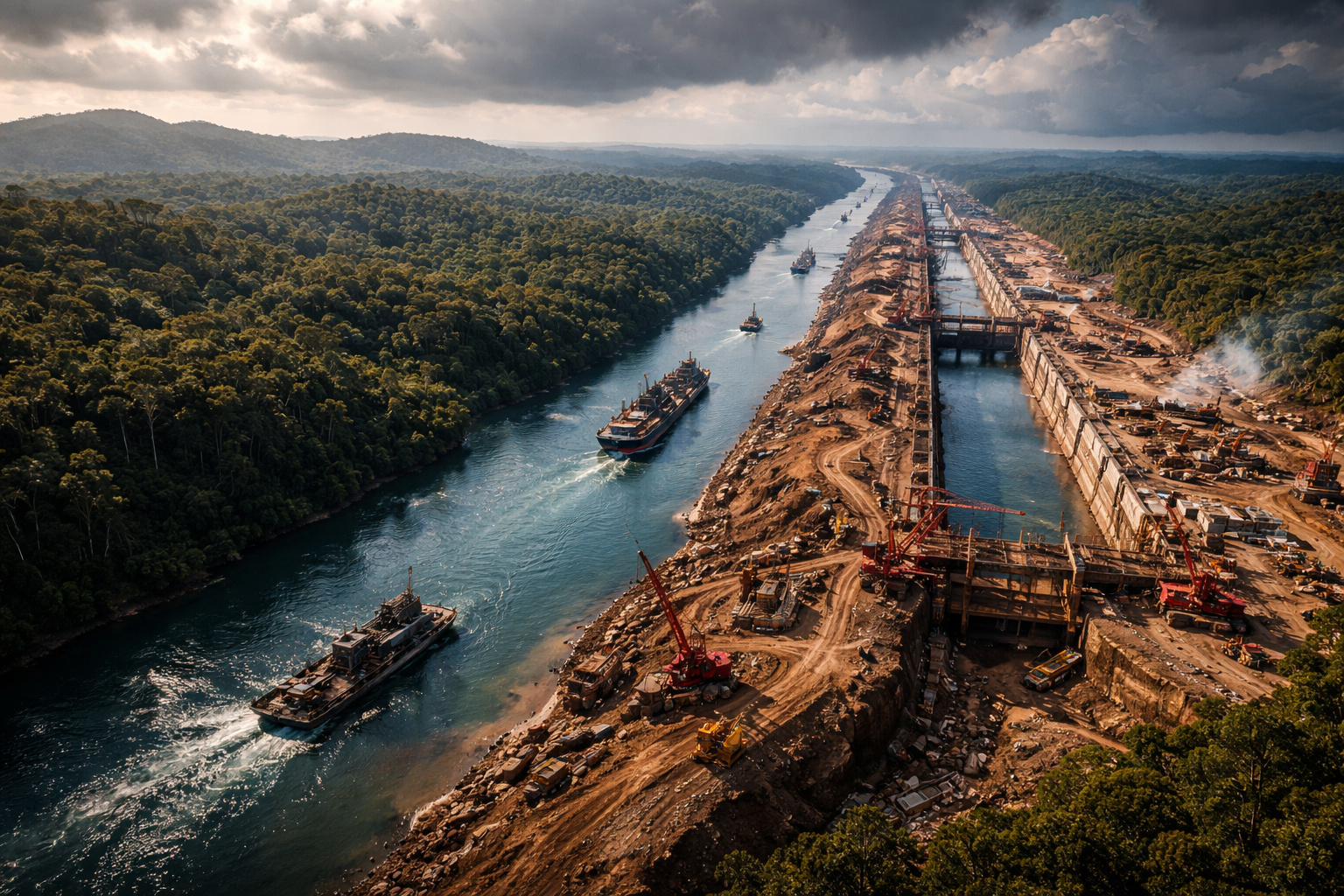
In 2013, Nicaragua sold the concession for a canal to rival Panama to a Chinese billionaire who lost 85% of his fortune, disappeared, and was declared bankrupt. Now the project resurfaces with a new route, a new Chinese partner, and a cost of $64.5 billion.
-
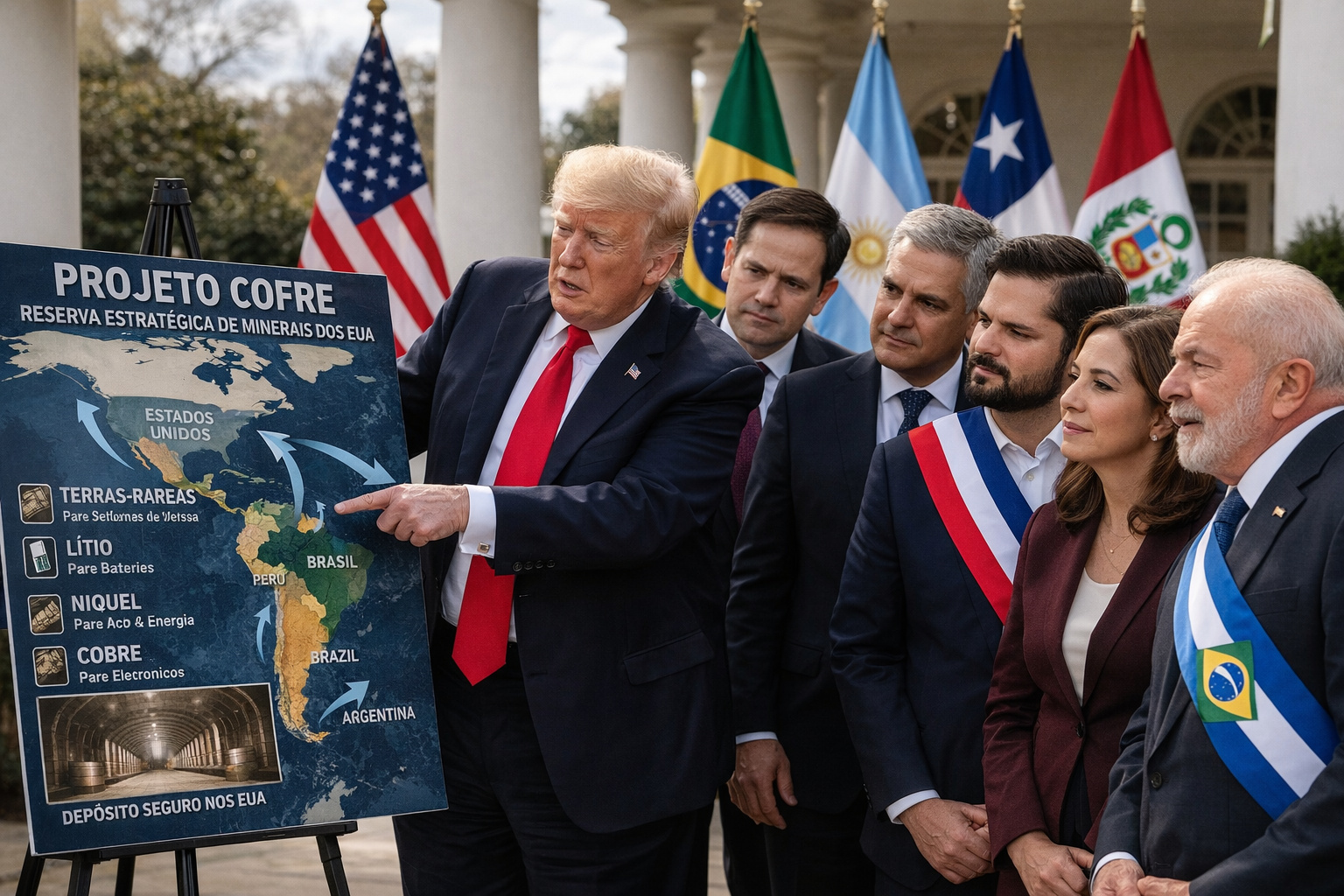
The USA announces a mysterious billion-dollar vault project to store critical minerals, but what intrigues experts is not just the plan itself, but why Latin America, including Brazil, has entered the center of this global dispute against China.
-
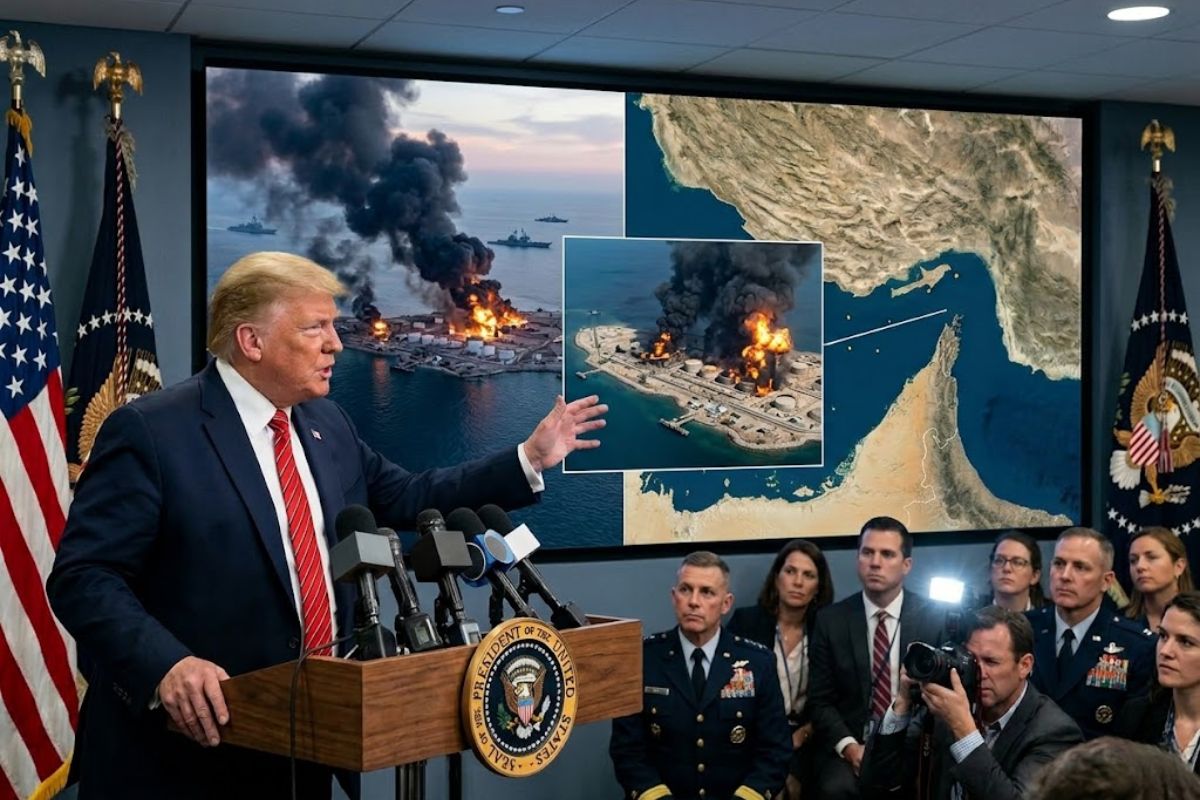
Trump Announces Bombing of U.S. Military Targets on Iranian Island Responsible for About 90% of Iran’s Oil Exports, Warns of Further Attacks if Navigation in Strategic Strait of Hormuz Is Threatened

- Radar-Guided Missiles
- Fifth-Generation Fighters
- Military Communication Satellites
- Electronic Warfare Equipment
- Hypersonic Missile Systems
These metals are essential for the construction of semiconductor components and optical sensors that ensure the effectiveness and precision of modern weapon systems. According to experts, “without these minerals, an aircraft like the F-35 simply would not function.”
The Chinese Monopoly On Rare Earths: A Geopolitical Weapon
China controls over 85% of global rare earth refining, and this strategic advantage has been used as a pressure tool in recent years. The current cut in exports comes after the United States reinforced alliances in the Indo-Pacific and increased technological sanctions against Chinese companies.
This is not the first time that Beijing has used its dominance over strategic resources as a geopolitical tool. In 2010, for example, Japan was the target of a similar action after a territorial dispute. Now, the impact is global — and military.
Washington On Alert: Real Risk Of Military Paralysis
The U.S. Department of Defense classified the scenario as “alarming”. General Lloyd Austin, U.S. Secretary of Defense, stated in a closed statement that the cut could directly affect the production capacity of strategic equipment in the next six months, if the current stock of materials runs out.
The U.S. Air Force has already initiated an urgent audit of its supply contracts and is seeking alternative sources in allied countries such as Australia and Canada. However, these countries do not have sufficient installed capacity to meet demand in the short term.
The alert from Washington extends to European allies. According to the Military Society, NATO officials are already in emergency talks with alternative suppliers. The dependence on China by countries such as Germany, the United Kingdom, and France could hinder the supply of:
- Parts For Patriot Missiles
- Thermal Sensors For Leopard Tanks
- Stealth Technology For Rafale And Typhoon Aircraft
This vulnerability raises questions about the military autonomy of the West and the urgency to establish secure and independent supply chains free from the influence of authoritarian regimes.
The Race For Self-Sufficiency: Ongoing Projects
Several countries have already been working on plans to reduce dependence on minerals processed by China, but progress has been slow.
In the United States, the Defense Production Act has been activated to accelerate investment in domestic mines and refining plants, but it is still in its infancy. Lynas Rare Earths in Australia is one of the few companies outside China with significant production capacity but faces logistical bottlenecks.
The European Union has also launched the European Raw Materials Alliance, focusing on rare earths and strategic metals. However, the bloc still imports over 95% of these minerals from Asia, compromising its autonomy.
China’s Strategy: Technological And Military Containment
According to analysts in Washington, Beijing’s goal is clear: to force adversaries to retreat from sanctions and strategic alliances in the Indo-Pacific, especially in the Taiwan Strait and the South China Sea routes.
By cutting the supply of vital ore for fighters and missiles, China aims to destabilize the current military balance without firing a shot. It is a form of asymmetric warfare, where natural resources become silent weapons.
Experts Warn Of A Scenario Of Increasing Vulnerability
Military geopolitics expert Michael Pillsbury, an advisor to the State Department, stated to the American press:
“We are not just talking about economics or diplomacy. We are facing a new form of warfare: the control of critical resources that sustain the technological superiority of our armed forces.”
Retired General Mark Hertling added:
“If stocks are not reallocated in a timely manner, the West could face a partial military blackout, especially in surveillance systems and air defense.”
What Could Happen If The Chinese Cut Continues?
Experts are working with three possible scenarios:
Reversal Of The Cut Due To Diplomatic Pressure
If China faces trade sanctions or retaliations from the WTO, it may partially relent on the blockade of strategic ore.
Partial Stabilization By New Suppliers
Australia, Vietnam, and Brazil could increase production but not at a pace sufficient to meet all NATO armed forces’ needs.
Prolonged Global Defense Crisis
Interruptions in the production of fighters, satellites, and missiles in the U.S. and Europe will force strategic revisions, delays in military contracts, and increased vulnerabilities toward threats such as Russia and Iran.
China vs. Washington: A Technological And Strategic Cold War
The episode of mineral cuts is another chapter in the new Cold War between China and the United States, where technological dominance, strategic resources, and industrial dependence have become weapons.
Washington believes that by restricting vital ore for the production of missiles and fighters, China is exploiting the fragility of an overly globalized economy, and a defense system is excessively dependent on a single supplier.
Can Brazil Be A Key Piece On This Board?
With large mineral reserves and rare earth projects in Pará, Minas Gerais, and Bahia, Brazil emerges as a potential strategic partner for the U.S. and Europe. However, there is still a lack of refining infrastructure and legal security to attract significant investments in the sector.
Analysts suggest that public policies aimed at strategic mining and bilateral cooperation agreements could transform Brazil into a reliable supplier of critical materials, paving the way for a more active participation in global defense alliances.
The alert issued by Washington is not just a momentary reaction but a reflection of the new reality of the 21st-century wars. The control of vital ores for the production of missiles and fighters has become a silent weapon, with the potential to neutralize entire armed forces without the need for direct confrontations.
As the United States and its allies seek alternatives, China demonstrates that in the current geopolitical chess game, whoever controls the resources controls the power.










Seja o primeiro a reagir!