





 Portuguese
  English
  Spanish
  4 min of reading
  0 comments


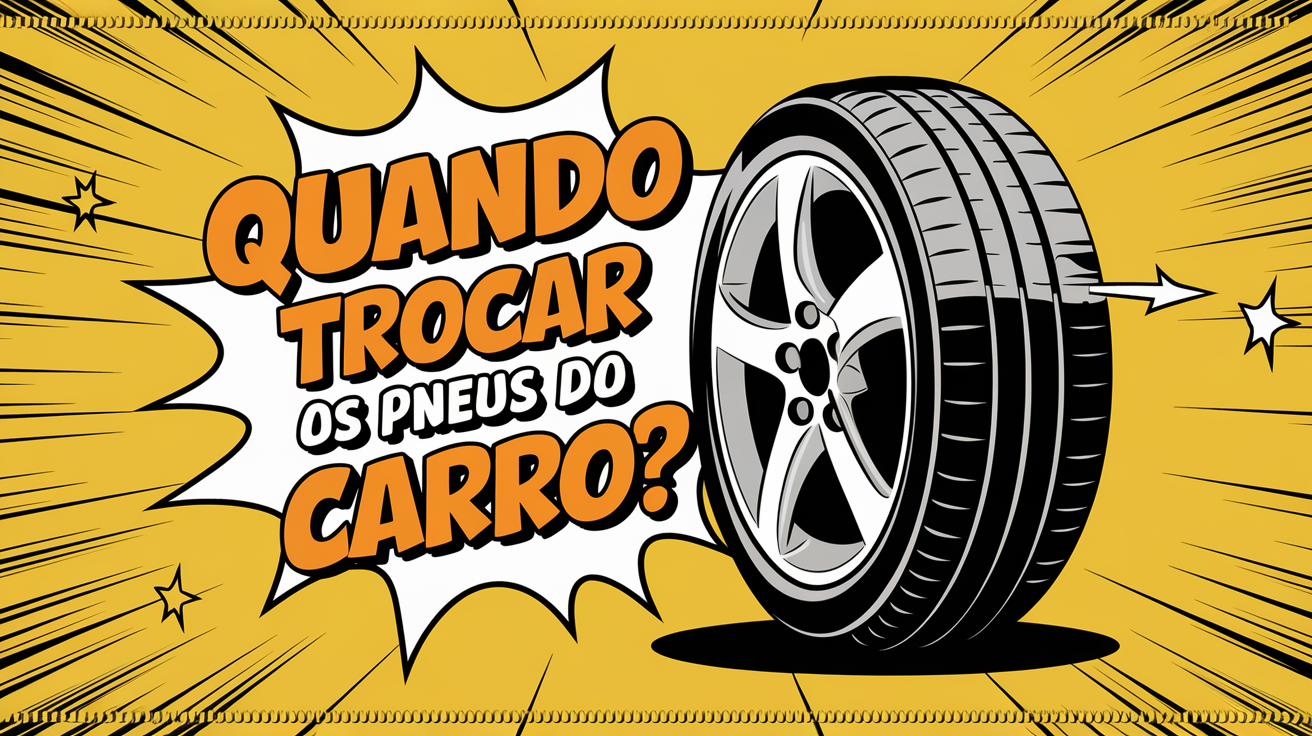
Find Out How to Identify the Right Time to Change Your Car Tires, Ensure Stability, Efficiency, and Safety During Trips, and Avoid Problems That Can Weigh on Your Wallet.
The car tires are much more than rubber that touches the pavement. They play an essential role in the vehicle’s safety, stability, and efficiency. Knowing when and how to change your car tire is a fundamental skill for any driver, and it can prevent accidents and unnecessary expenses. If you want to ensure a safe and smooth journey, keep reading to discover everything about tire maintenance and replacement.
When Is The Right Time to Change Tires?
Knowing how to identify the right moment to change your car tire is crucial. Besides directly influencing your safety, driving with worn or damaged tires can result in fines and even loss of control of the vehicle.


Tread Depth
The tread depth is one of the first signs to be observed. Tires have an indicator called TWI (Tread Wear Indicator), which appears when the depth reaches 1.6 mm. This mark is the minimum limit for the tire to have good grip, especially on wet surfaces. Ignoring this signal can increase the risk of hydroplaning and reduce stability.
-
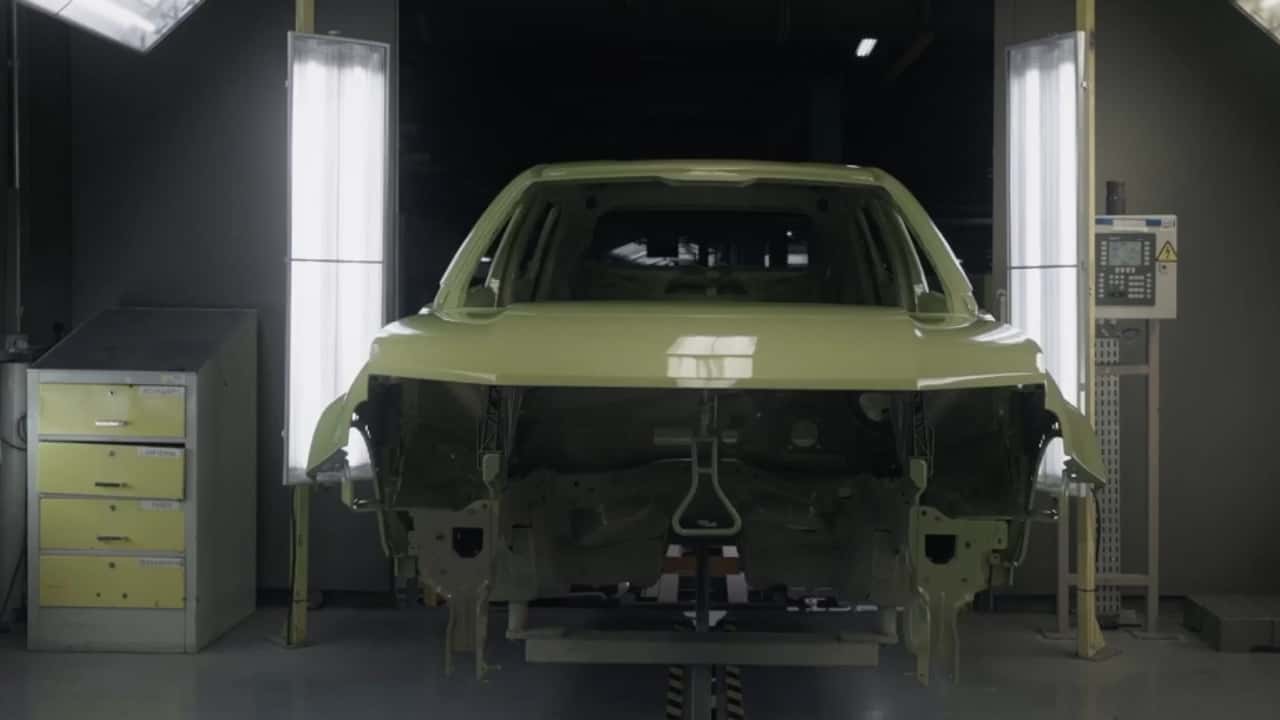
Jeep Avenger begins production in Brazil, debuting as the brand’s new entry-level SUV and inaugurating an unprecedented phase by becoming the first national Jeep manufactured outside of Goiana, as part of a R$ 3 billion plan.
-
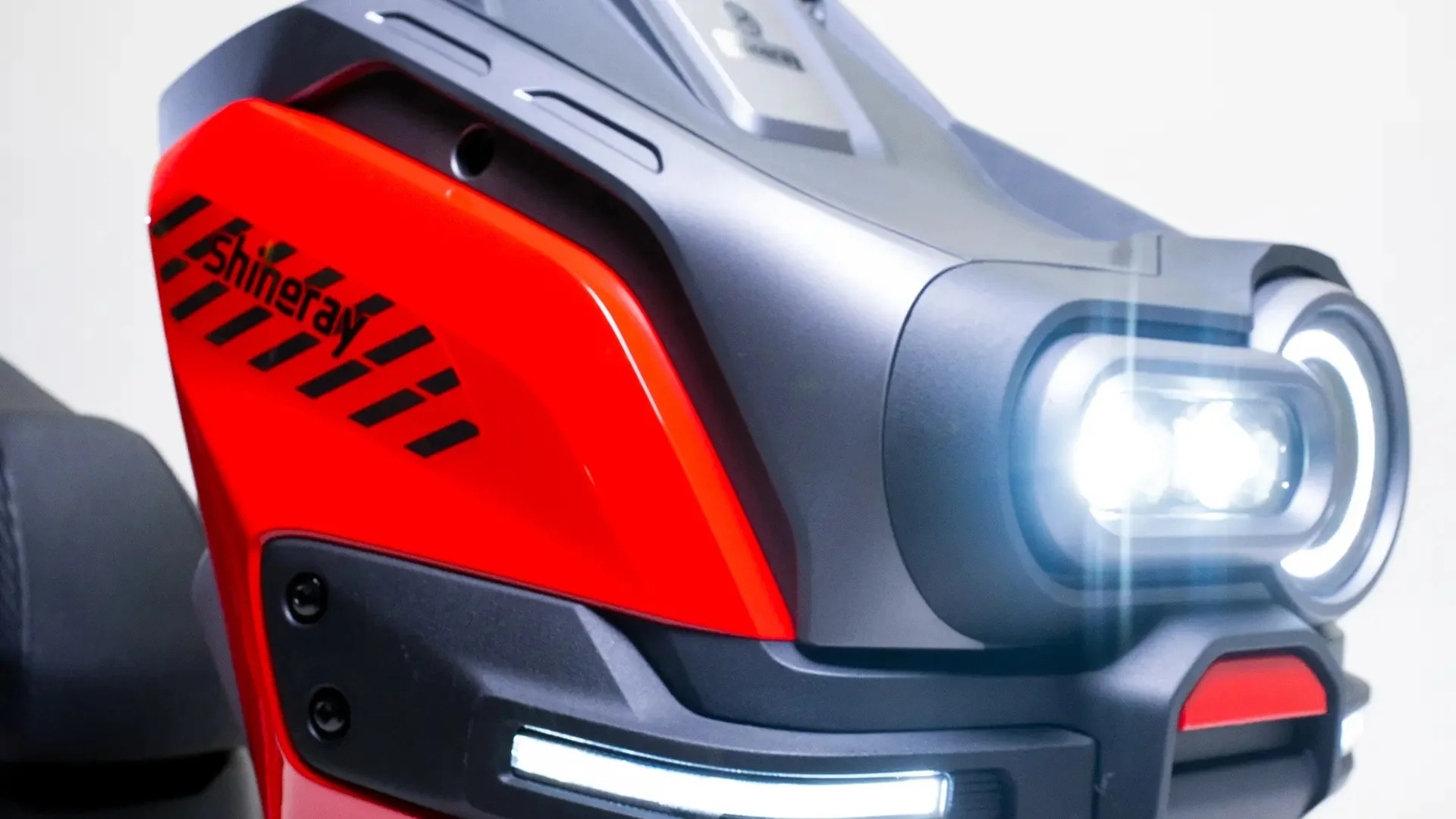
Costing R$ 12,490, the new Shineray Urban Lite 150 “cheap one” arrives in Brazil with a CVT transmission, digital dashboard, and LED lights, making it more affordable than the Biz and targeting those who want to abandon the bus.
-
Ducati brings to Brazil the Superleggera V4 Centenario: 228 hp that become 247 with a track kit, carbon fiber and carbon-ceramic brakes, estimated price between R$ 1.5 and 2 million, deliveries only in 2027.

-
Used cars with electric steering for R$ 30,000: check out 5 practical and economical options for everyday use.

Drying and Cracks
Another important alert is the signs of drying and cracks in the rubber. This happens over time, even if the tire is not completely worn. Dried tires are more likely to rupture, which can cause accidents, especially at high speeds or on rainy days.
Lifespan and Mileage
The lifespan of tires varies between 5 and 6 years, depending on use and tire type. In terms of mileage, the average is between 40,000 and 60,000 km. If the tire is over 10 years old, even if it looks visually fine, it is recommended to change it. The rubber loses its properties over time, compromising safety.
How to Choose the Right Tire?
Choosing the ideal tire for your car is just as important as knowing when to change it. Tires that are out of the manufacturer’s specifications can impact drivability, fuel consumption, and even the suspension of the vehicle.
Manufacturer Specifications
Always consult the car manual to check the recommended dimensions and characteristics. Changes in dimensions can compromise the vehicle’s stability and performance.
Type of Use
If you mostly drive in urban areas, all-purpose tires can be a good choice. For those who frequently hit the road, high-performance models offer better grip and comfort.
Care After Changing Tires
After changing your tires, some care is essential to ensure maximum performance and safety:
- Alignment and Balancing: These steps prevent irregular wear and ensure the vehicle maintains stability, especially at high speeds;
- Regular Inflation: Check the tire pressure every 15 days. Keeping the correct pressure increases lifespan and improves fuel consumption;
- Tire Rotation: Perform tire rotation every 10,000 km to ensure even wear.
Is Changing Tires at Home Safe?
Changing a tire at home is possible, but it requires care. Make sure to have the proper equipment, such as a hydraulic jack, wrench, and a flat, safe space to perform the service. However, for mounting and dismounting wheels, it’s best to seek professional assistance. This avoids damage to the tires and potential accidents.
Investing in preventive tire maintenance can prevent risky situations, such as blowouts and lack of grip. Furthermore, it helps save money, as irregular or premature wear can be corrected with regular alignment and inflation.
Take Good Care of Your Tires
Knowing when and how to change your car tire is one of the most important responsibilities of any driver. Besides ensuring your safety, taking care of tires also protects your wallet and enhances the vehicle’s performance.
Stay alert to signs of wear, follow the manufacturer’s specifications, and always prioritize preventive maintenance. With these precautions, you will be ready to drive safely and smoothly on any road.










Seja o primeiro a reagir!