





 English
  Francês
  Alemão
  Italiano
  Japonês
  Norueguês
  Portuguese
  Spanish
  4 min of reading
  0 comments


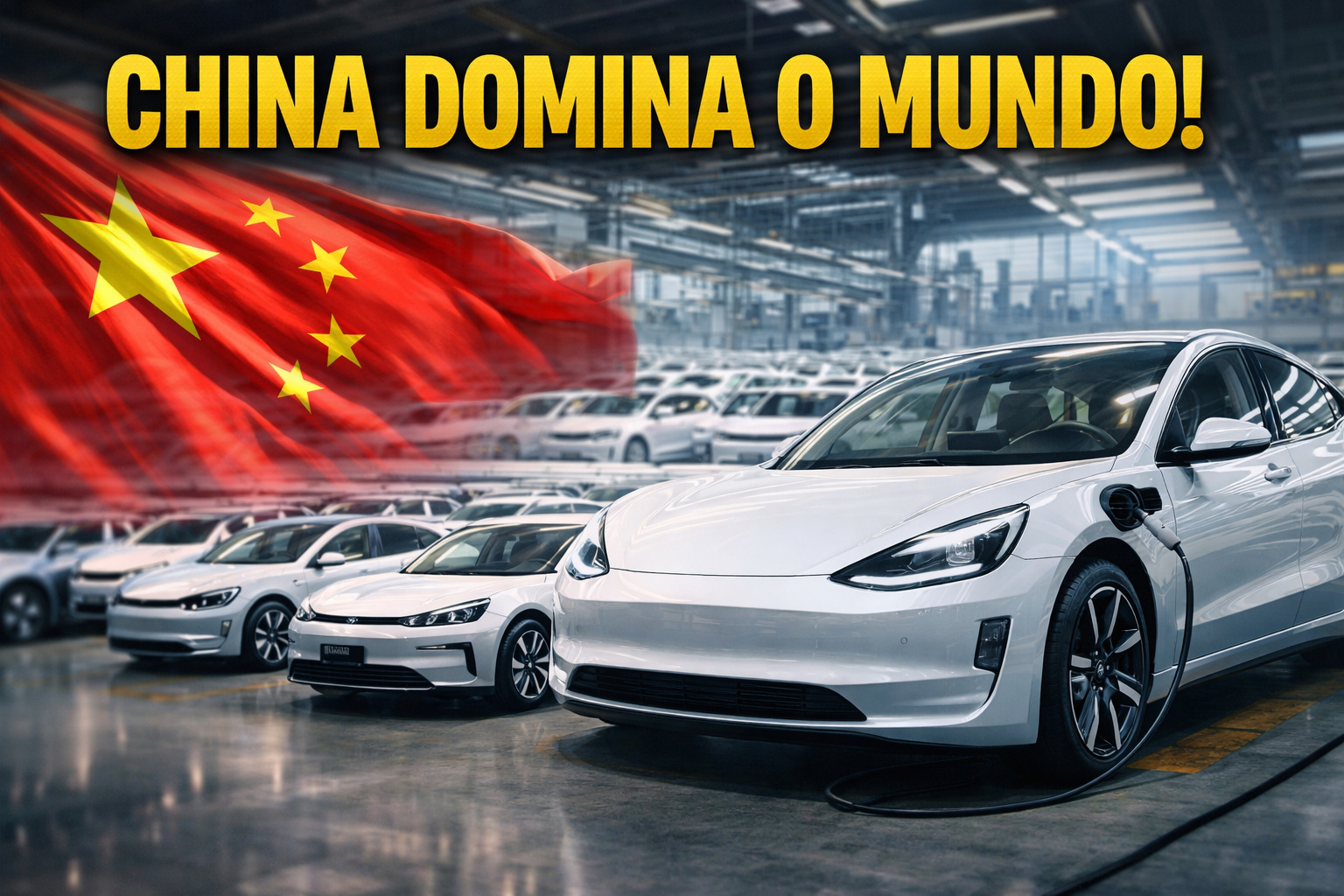
China becomes the largest vehicle manufacturer in the world with more than 30 million per year and leads the electric car revolution with global scale.
In 2023 and 2024, data consolidated by global industrial associations and widely reported by outlets such as Reuters and Bloomberg confirmed a historic turning point in the automotive industry: China not only maintained its position as the largest vehicle manufacturer in the world but also surpassed Japan to become the largest global exporter in the sector. With an annual production exceeding 30 million vehicles, the country accounts for about one-third of total global production, consolidating a leadership that began in 2009 when it surpassed the United States in total volume. This transformation is not just quantitative. It marks a structural shift in the center of power in the global automotive industry.
How China became the largest vehicle manufacturer in the world
The rise of China in the automotive industry is the result of a combination of mutually reinforcing factors. The first is scale. The country has built an industrial park capable of producing millions of vehicles per year with a high level of automation.


The second is the domestic market. China has the largest consumer market for automobiles on the planet, which ensures constant and predictable demand. The third is industrial policy. The Chinese government has strongly encouraged the sector with subsidies, financing, and long-term planning.
-
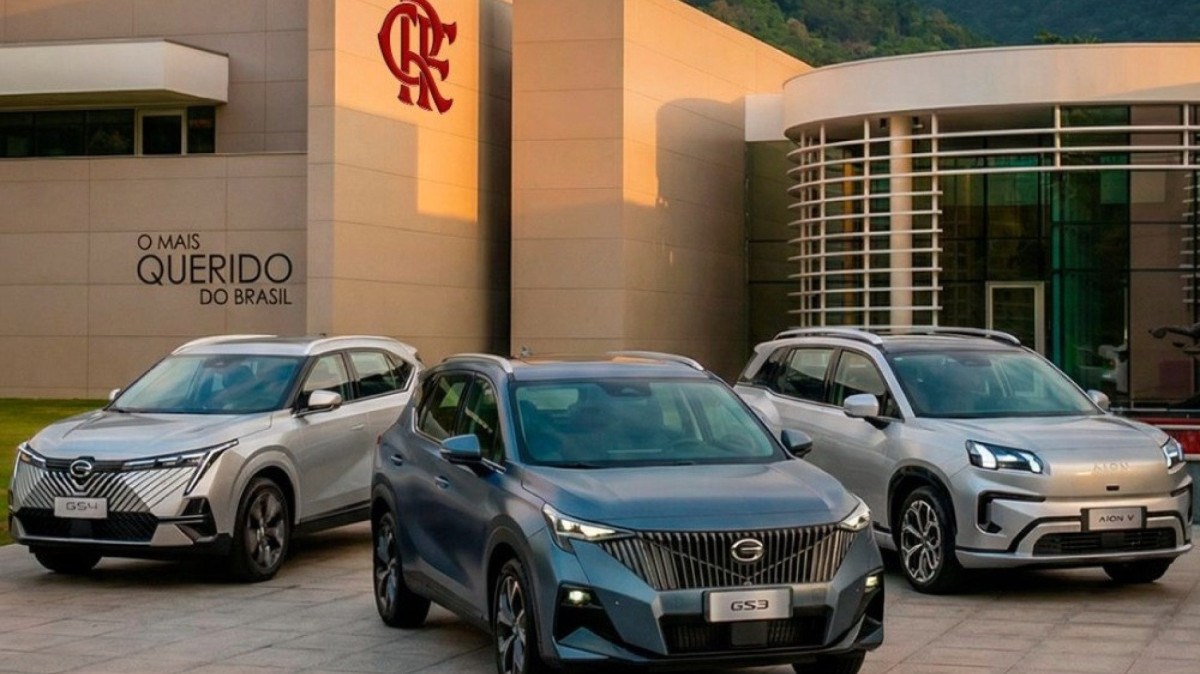
After launching the new GS3 with a 1.5 turbo engine producing 170 hp, GAC partners with Flamengo, enters the field with the largest fan base in Brazil, and accelerates an ambitious offensive to gain scale and confidence in the national market.
-
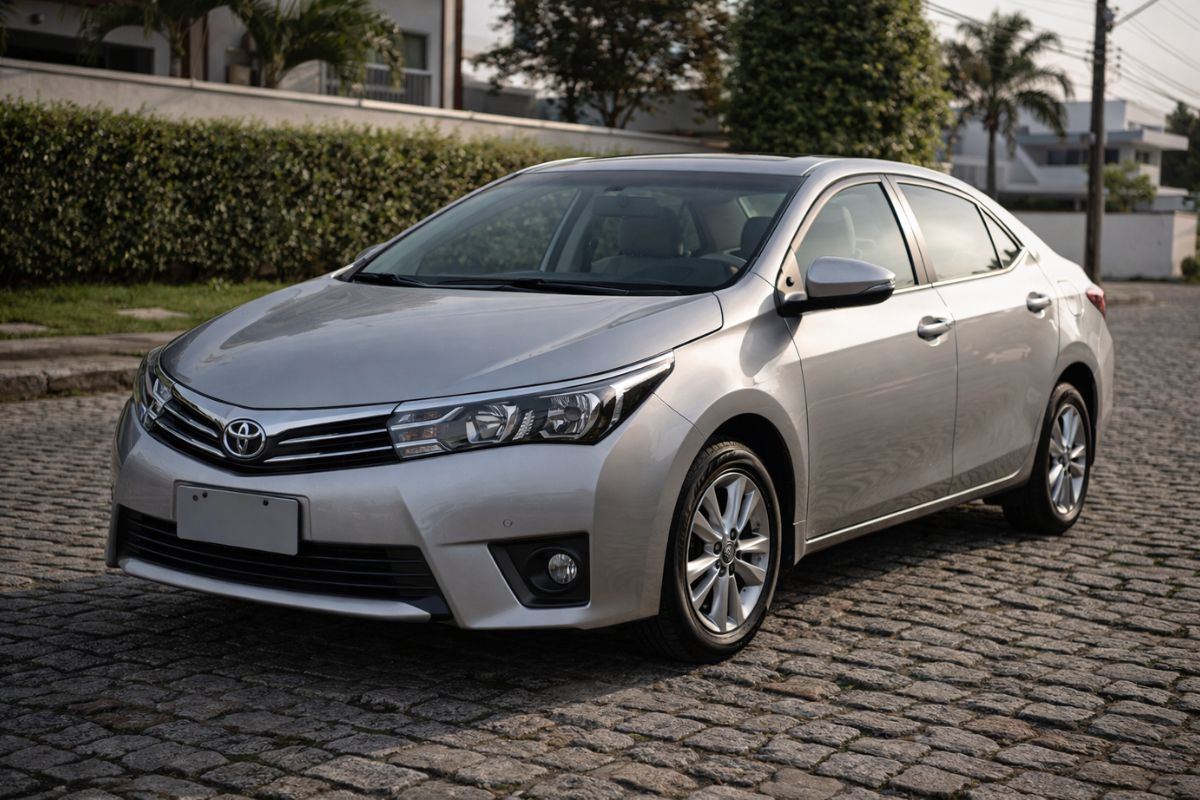
The Corolla from 2015 to 2019 depreciates so little that a 10-year-old model is still worth over 76 thousand reais, and owners treat this sedan as a safe investment thanks to its reputation for durability that no competitor has been able to match.
-
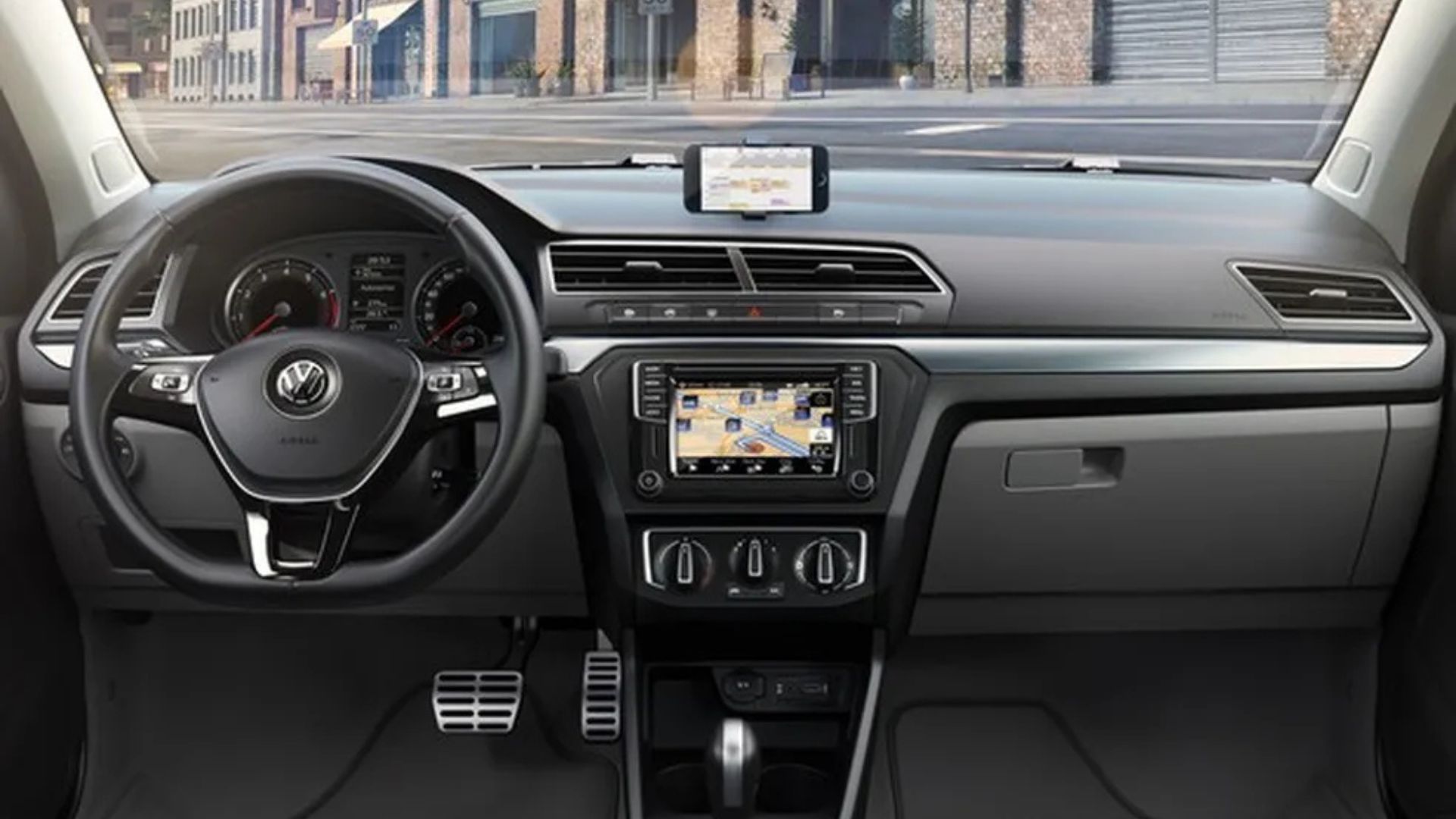
Is it worth considering a financed 2025 HB20 Comfort? A simulation with R$ 50,000 in the bank shows installments ranging from R$ 5,687 to R$ 2,365.

-
Road surveillance in Rio de Janeiro enters a new phase with the installation of more than 140 speed cameras on highways RJ-106 and RJ-104, and DER-RJ expands speed control in high-traffic areas.


This combination has created an environment where mass production, innovation, and competitiveness have developed simultaneously.
Production above 30 million vehicles per year
The number that defines Chinese leadership is volume. With more than 30 million vehicles produced annually, China is far ahead of any other country. For comparison:
- Japan produces about 8 to 10 million;
- Germany is at a similar level;
- The United States is also below the Chinese mark.
This scale difference is not marginal. It is structural.
The recent turn: China also becomes the largest exporter
If just a few years ago China mainly dominated its domestic market, the scenario has changed rapidly. In 2023, the country surpassed Japan and became the largest exporter of vehicles in the world. This means that it not only produces more but also sells more abroad. This advance indicates industrial maturity and global competitiveness.
The biggest differentiator for China is not just the quantity of vehicles but the type of technology it leads. The country dominates the electric vehicle segment. Companies like BYD have become global leaders, producing complete electric cars, batteries, and electronic systems.
China controls a large part of the production chain, especially in battery manufacturing, which is the most critical component of electric vehicles.
Why Japan and Germany lost leadership in volume
Japan and Germany continue to be references in quality and automotive engineering. However, they have lost leadership in volume for several reasons:
- Lower production scale;
- Focus on higher value-added vehicles;
- Slower transition to electric vehicles.
These factors do not diminish their importance but explain the change in the global ranking.
The Chinese model: scale, speed, and integration
The success of China can be summarized in three pillars:
- Scale: Massive production with reduced costs;
- Speed: Ability to quickly adapt to new technologies;
- Integration: Control of the production chain, especially in batteries.
This model allows the country to advance faster than traditional competitors.
Global impact of Chinese leadership
The rise of China is redefining the global automotive market. Among the main effects are increased international competition, reduced prices in some segments, and accelerated electrification. Automakers from other countries are being pressured to adapt.

The trend is that Chinese leadership will remain in the short and medium term, especially in the electric segment. The competition now is not just for volume but for technology. In this scenario, the ability to innovate will be as important as the ability to produce.
A structural change in the center of the automotive industry
China has not only taken the lead in vehicle production. It has redefined the global balance of the sector.
With scale, technology, and integration, the country has consolidated a position that goes beyond the automotive industry and is directly connected to the global energy transition.
The result is a new market configuration, where the protagonism is no longer exclusive to Japan, Germany, and the United States and has a new center of gravity.









Seja o primeiro a reagir!