





 English
  Francês
  Alemão
  Italiano
  Japonês
  Norueguês
  Portuguese
  Spanish
  5 min of reading
  0 comments


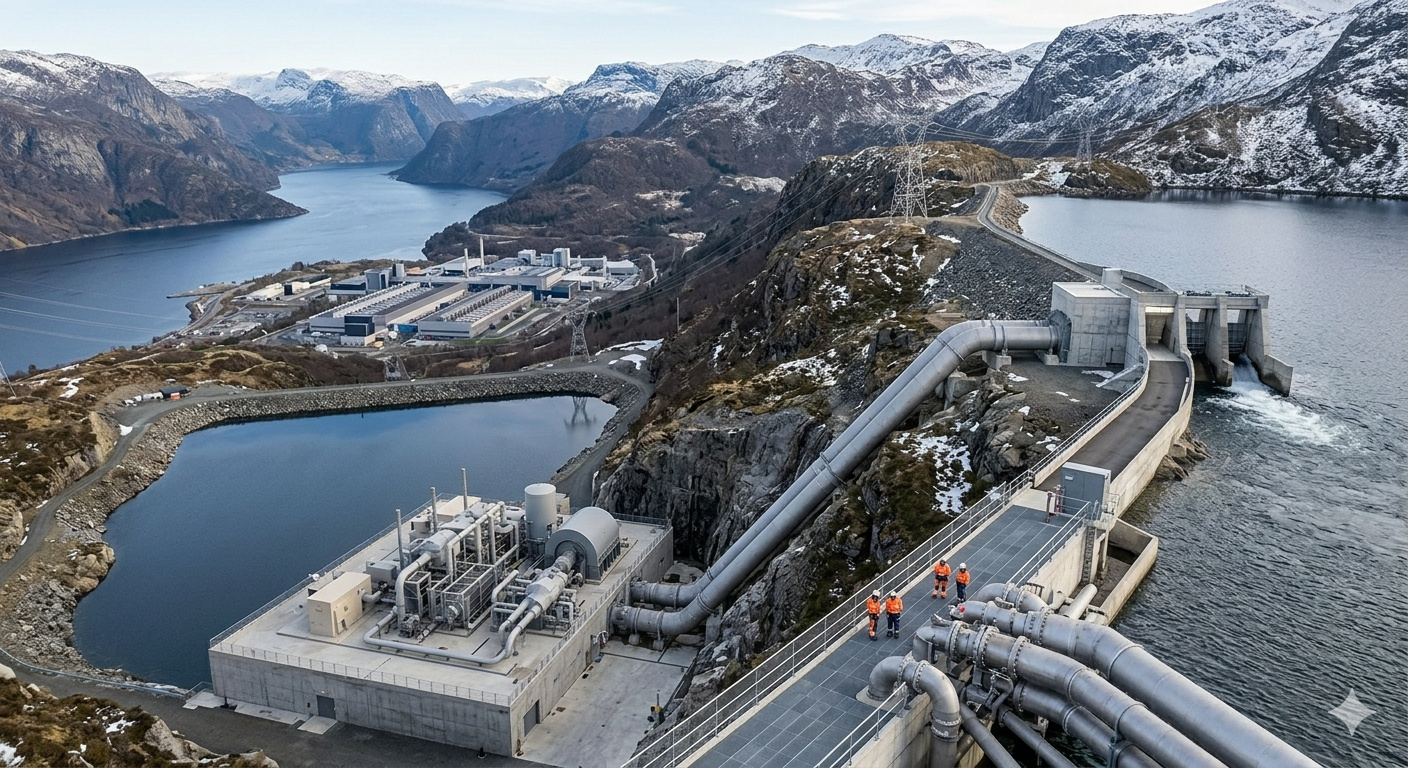
Norway invests over R$ 1.3 billion in a plant that pumps water 360 meters to store energy and supply the aluminum industry with clean electricity.
In November 2025, Norsk Hydro announced the investment in the construction of the Illvatn pumped storage plant, located in Luster, Norway, aimed at strengthening the supply of renewable energy for its industrial operations. According to an official statement from Hydro, published on November 14, 2025, on the company’s institutional website, the project represents the largest hydropower development by the company in over 20 years. The project draws attention for a technical detail that summarizes its scale: it will pump water more than 360 meters uphill to store energy in the form of gravitational potential, releasing this energy later when industrial demand increases. According to Norconsult, the company contracted for the technical detailing of the project, the system is expected to pump water up to 360 meters in height between the reservoirs and generate 107 GWh of net renewable energy per year.
How Norway’s “water battery” works and why it replaces conventional solutions
The system adopted by the Illvatn plant is known as pumped hydro storage, a consolidated technology that has been scaled up to meet the needs of the energy transition.
The operation is straightforward but extremely efficient. During periods of low demand or excess generation, especially in the summer when there is greater availability of energy — the plant uses electricity to pump water from a lower reservoir to an upper reservoir. In the case of Illvatn, this water rises from about 1,018 meters to approximately 1,382 meters above sea level, accumulating potential energy.
-
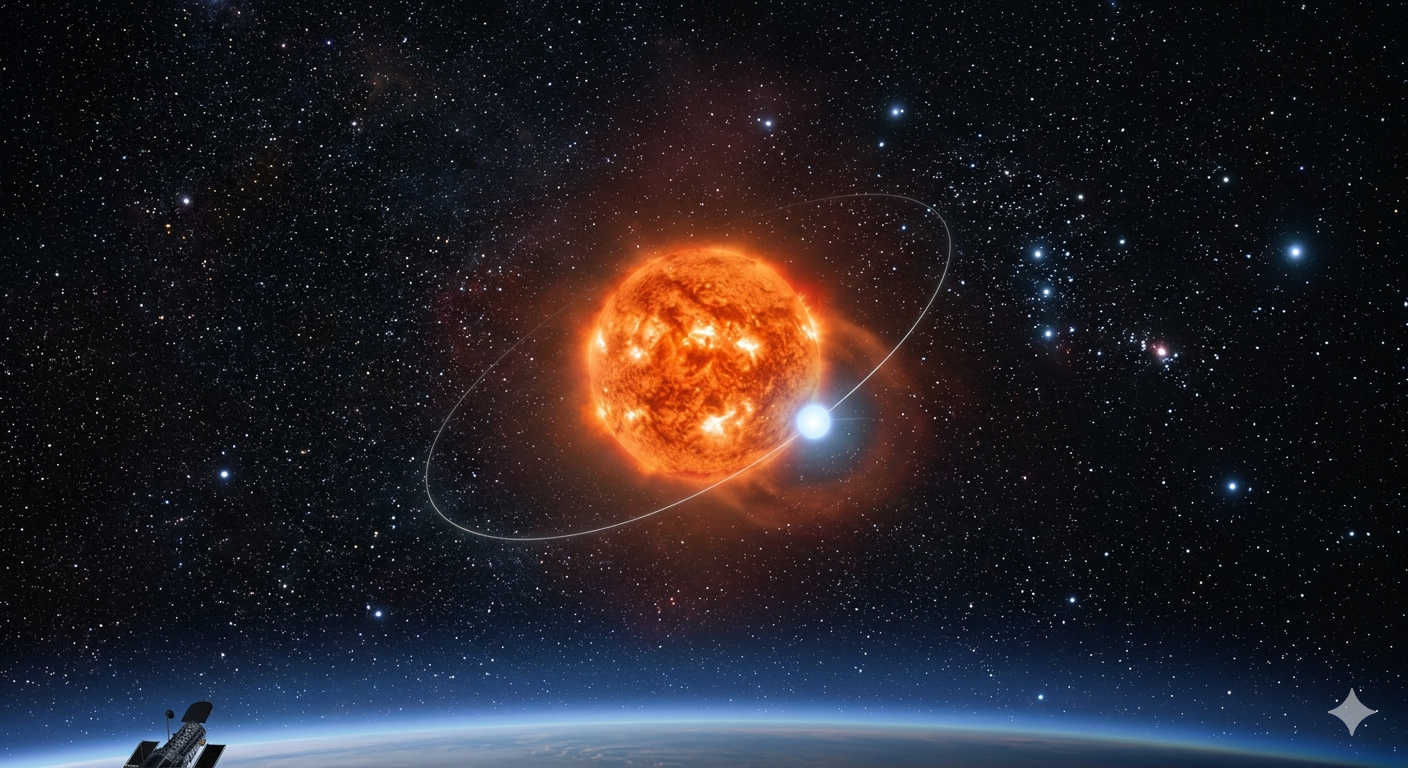
At 640 light-years from Earth, Betelgeuse revealed in 2025 a secret hidden for decades: a possible companion star with up to 1.5 solar masses orbiting the supergiant every ~6 years, unprecedented evidence that may explain its brightness variations without indicating an imminent supernova.
-
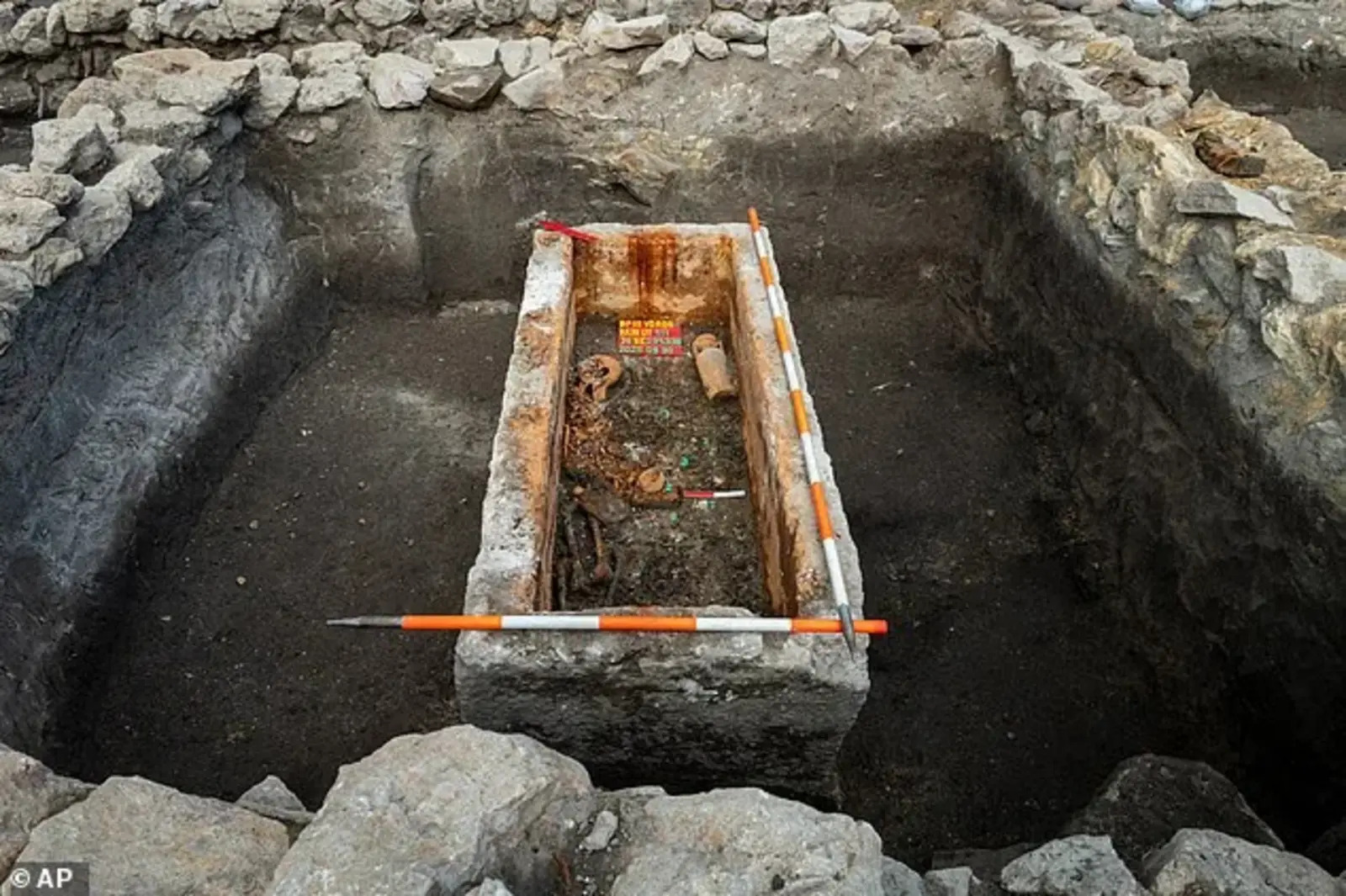
Archaeologists open a sealed Roman coffin that has been closed for 1,700 years and find a young woman surrounded by 140 coins, intact vases, and luxury items.
-
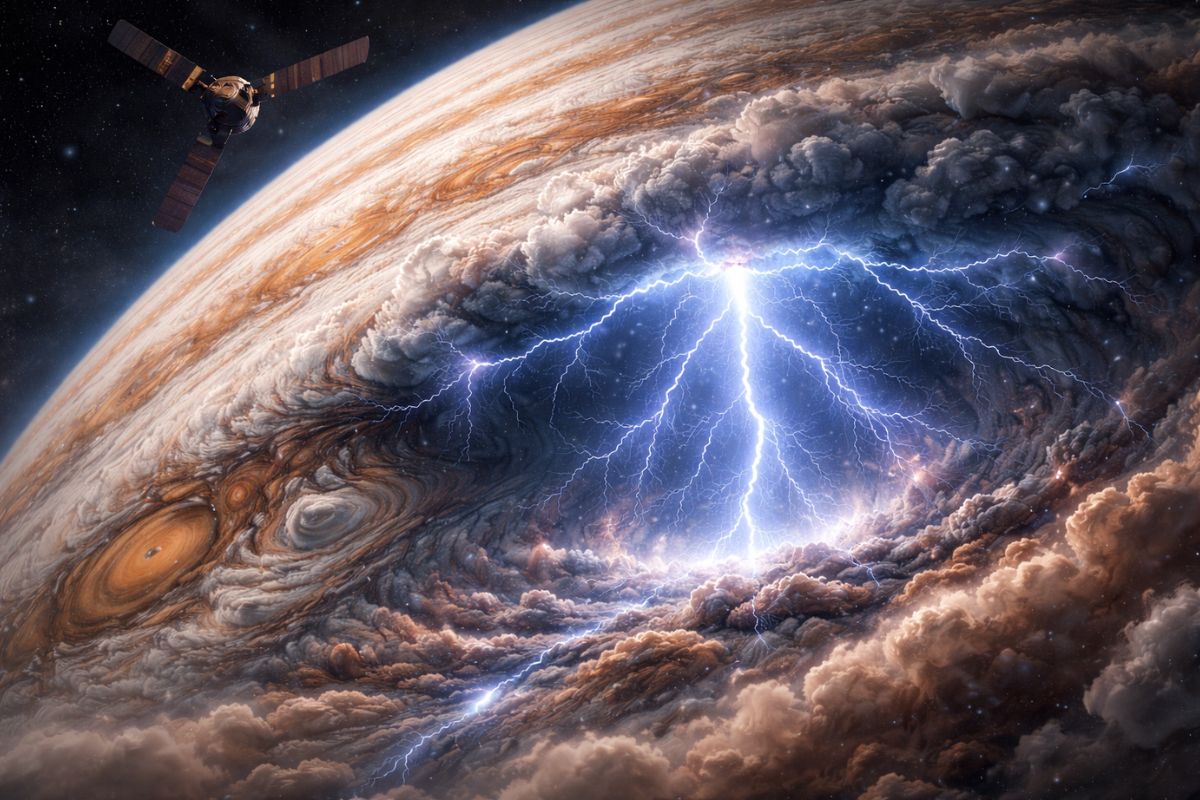
Storms on Jupiter generate lightning up to 100 times stronger than that on Earth, and data from the Juno spacecraft reveal extreme discharges in the planet’s superstorms.
-
Brazilian discovery leads cancer cells to collapse, reverses the logic of treatment, and may pave the way for therapies with less resistance and less damage to healthy body cells.

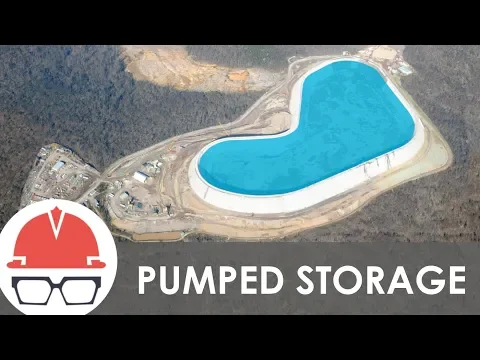

When demand increases, especially in winter, the water is released back down, passing through turbines and generating electricity instantly.
This process transforms water into a long-term energy storage form, something that chemical batteries still cannot do efficiently on a large scale and for long periods.
Why Norway is investing billions in this technology
The decision to invest over NOK 2.5 billion (about R$ 1.3 billion) in this project is directly linked to a strategic need: to ensure stable energy for heavy industry, especially aluminum production.
Aluminum manufacturing is one of the most electricity-intensive industrial activities on the planet. Any instability in supply can interrupt continuous processes and generate significant losses.
Norsk Hydro, one of the largest aluminum producers in the world, relies on reliable and predictable energy to maintain its operations. The Illvatn plant emerges as a solution to balance the natural variation of hydropower generation and energy demand throughout the year.
Instead of relying on fossil sources to compensate for fluctuations, the country is expanding its renewable storage capacity, reinforcing its energy model based on hydropower.
The 360-meter difference that transforms water into stored energy
One of the most impressive aspects of the Illvatn project is the altitude difference between the reservoirs, which exceeds 360 meters.
This height is crucial because it defines the amount of energy that can be stored. The greater the elevation difference, the more potential energy is accumulated in the water.
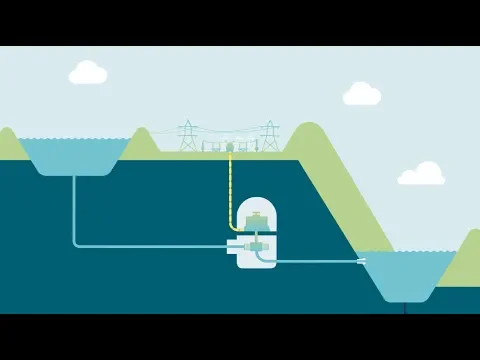
In the case of the Norwegian plant, this configuration allows for the efficient storage of large volumes of energy, taking advantage of the country’s mountainous geography.
This type of project is only viable in regions with rugged terrain and availability of water resources, which makes Norway one of the ideal locations for this type of infrastructure.
Capacity of up to 107 GWh places the project among the most relevant systems in Europe
The estimated annual capacity of the Illvatn plant ranges between 84 and 107 GWh, depending on operational conditions and project revisions.
This volume of energy positions the system as a relevant piece within the European energy matrix, especially in the context of integration with intermittent renewable sources, such as wind energy.
Large-scale energy storage is considered one of the main challenges of the global energy transition, and solutions like pumped storage are seen as essential to stabilize electrical grids increasingly dependent on variable sources.
Why water batteries can be more efficient than lithium batteries on a large scale
Although lithium-ion batteries dominate the debate on energy storage, projects like Illvatn show that there are more efficient alternatives for specific applications.
Chemical batteries are ideal for short-term storage and decentralized use. However, when the goal is to store large amounts of energy for weeks or months, cost and degradation make these solutions less viable.
Pumped storage, on the other hand:
- has a lifespan of decades
- has a lower cost per MWh stored
- does not depend on critical minerals
- offers high capacity on an industrial scale
This combination makes the technology one of the most strategic for national energy systems.
The role of the Illvatn plant in the European energy transition
Europe is undergoing an accelerated decarbonization process, with strict targets for emission reductions and the expansion of renewable sources. In this scenario, the ability to store energy is as important as the ability to generate it.
Projects like Illvatn allow countries with high renewable participation to maintain stability in the electrical grid, reducing the need for backup thermal plants.
In the case of Norway, which already has a predominantly renewable matrix, the challenge is not to generate clean energy, but to manage when that energy is available.
Project timeline and when the plant will be operational
The Illvatn plant was officially approved in November 2025, with implementation stages starting shortly after the investment decision.
The current forecast indicates that the system should be operational between 2028 and 2029, after the completion of civil works, turbine installation, and integration with the electrical system.
The timeline includes the construction of tunnels, reservoirs, and complex hydraulic infrastructure, which explains the several-year timeframe until it becomes operational.
An invisible infrastructure that redefines the future of energy
Unlike large solar parks or wind turbines, the Illvatn plant is a discreet infrastructure, practically invisible on the surface. But its impact is structural.
It represents a shift in how energy is stored and distributed, transforming natural resources into storage systems capable of sustaining entire economies.
While the global debate focuses on new batteries, Norway bets on a solution based on basic physics, geography, and scale that could become one of the pillars of future energy.









Seja o primeiro a reagir!