





 Portuguese
  English
  Spanish
 2 min of reading
  0 comments


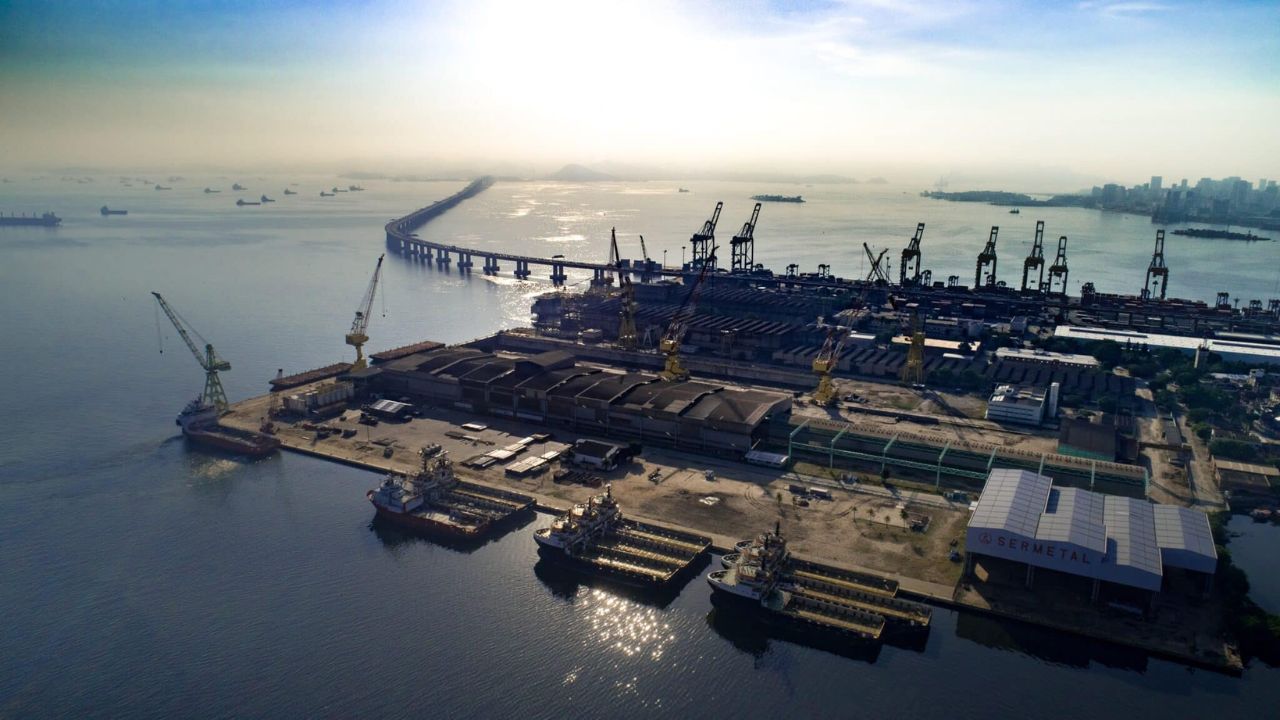
Wilson Sons Adopts Renewable Energy at Offshore Base in Rio, Eliminating 22 Tons of CO₂ Annually and Reinforcing Efficiency and Environmental Commitment.
Wilson Sons began operating this month with 100% renewable energy at its Offshore Support Base in Guanabara Bay. The initiative is already resulting in the elimination of about 22 tons of CO₂ equivalent per year and a reduction in the use of fossil fuels. Sustainable electricity now powers all areas of the base, bringing environmental and economic gains for the company and its clients.
Renewable Energy Replaces Diesel and Optimizes Vessel Operations
By providing shore power for docked vessels, Wilson Sons allows these ships to turn off their own diesel generators.
This represents a reduction in operational costs and a significantly cleaner operation.
-
Renewable energy advances over protected areas in Brazil, and a survey by the Energy Transition Observatory reveals silent impacts that challenge environmental conservation and pressure sensitive traditional territories.

-
Rio Grande do Sul accelerates energy transition: State invests in renewable technologies and consolidates decarbonization strategies and pathways to attract billions in new industrial investments.

-
With 160,000 m² of collectors, an area larger than 20 football fields, Silkeborg, in Denmark, hosts a solar thermal plant that heats 19,500 homes and could become the largest solar heating plant in the world.

-
A study reveals the expansion of renewable energy procurement in Brazil and shows how companies are taking advantage of opportunities to reduce expenses, ensure energy efficiency, and strengthen strategic environmental commitments.

All consumed energy is certified through the international I-REC seal, which proves its origin from renewable sources, such as solar and wind.
This supply encompasses lighting, offices, workshops, and the systems that directly support the ships — an innovation that raises the environmental standard of offshore activities.
The Executive Director of Offshore Support Bases, Mariana Jannuzzi, highlighted the strategic importance of the change:
“We remain committed to our decarbonization journey, focusing on innovative and responsible solutions throughout our entire chain of operations,” she stated.
According to her, the impact of renewable energy extends beyond the base, positively affecting the entire logistics chain linked to offshore operations.
Located in the Caju neighborhood, the Rio Base has five docking berths and an area of over 65,000 square meters.
Its strategic geographic position makes it a key point in supporting pre-salt activities, offering services such as cargo handling, material and equipment storage, environmental support, fluid plant, and operations for drilling campaigns.
Other Structures Strengthen Wilson Sons’ Presence in the Offshore Sector
In addition to the unit in Rio, Wilson Sons also operates a base in Niterói, with the advantage of being the only private terminals in Guanabara Bay with docking on both shores.
Another highlight is the Guaxindiba Pipe Park, located 20 km from the Niterói Base, which carries out storage and specialized services in an area of 63,000 m², including inspection and hydro-blasting of pipes with highly qualified teams.
With the implementation of renewable energy in its operations, Wilson Sons reinforces its role as a leader in sustainable logistical solutions in the maritime sector.
The energy transition in its bases represents a concrete step towards decarbonization and innovation in offshore support.
Wilson Sons demonstrates that it is possible to combine operational efficiency, cost reduction, and environmental commitment — a model that meets present demands and anticipates future needs.








Seja o primeiro a reagir!