





 Portuguese
  English
  Spanish
  4 min of reading
  0 comments


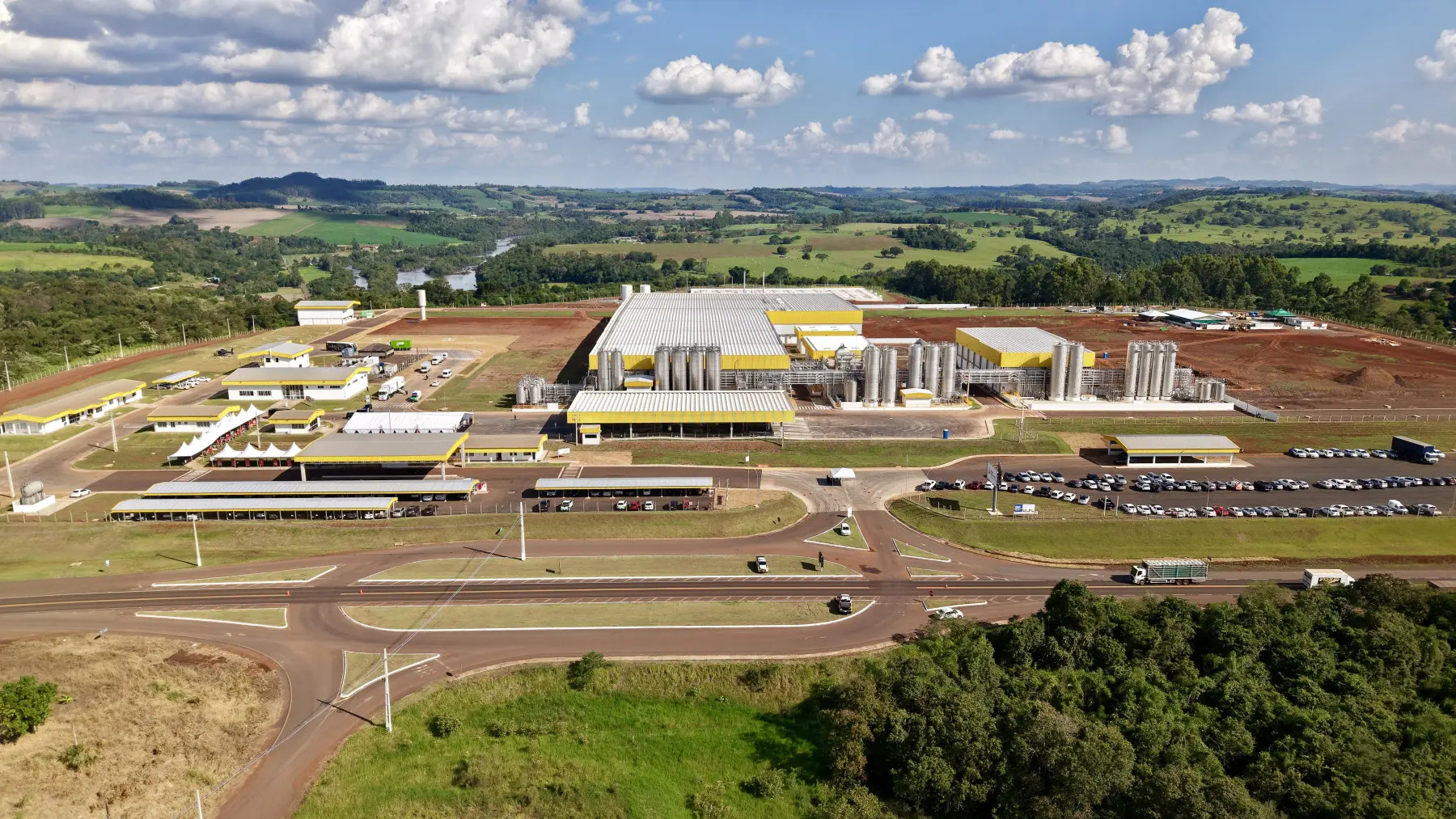
Piracanjuba inaugurates a factory worth R$ 612 million in Paraná on March 26, 2026, with a capacity of 1.2 million liters per day.
On March 26, 2026, the Piracanjuba Group inaugurated one of the largest cheese factories in Brazil, located in the state of Paraná. According to information released by the Compre Rural portal, the facility received an investment of approximately R$ 612 million and was designed to process up to 1.2 million liters of milk per day. The most impactful fact is that this capacity places the plant among the largest in the country in the dairy segment, significantly expanding national production and strengthening the milk production chain. The inauguration marks a new phase of industrial expansion for the company, focusing on scale, efficiency, and competitiveness. The information was released by the Government of Paraná.
Large-scale industrial structure expands productive capacity
The new unit was designed with a focus on large-scale production, utilizing automated industrial processes and high-efficiency systems.
With the capacity to process 1.2 million liters of milk daily, the plant allows for continuous production of cheese in large volumes, serving both the domestic market and external demands.
-
Brazilian city gains industrial hub for 85 companies that is equivalent to 55 football fields.

-
Peugeot and Citroën factory in Argentina cuts production by half and opens a layoff program for more than 2,000 employees after Brazil drastically reduced purchases of Argentine vehicles.

-
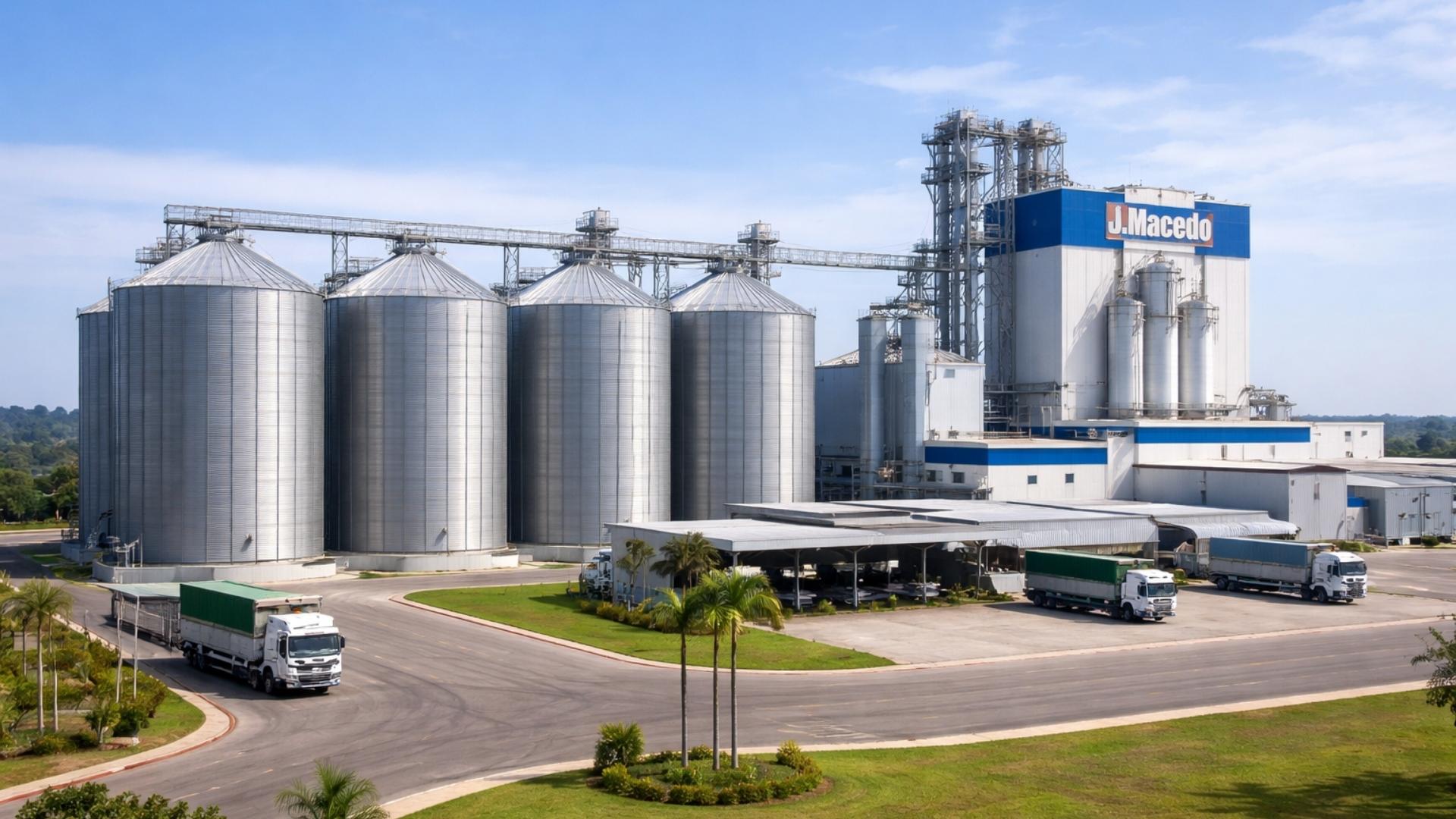
A Brazilian city gains a factory worth R$ 300 million with the capacity to process 200 thousand tons of wheat per year, a mill of 660 tons/day, silos for 42 thousand tons, and an industrial area of 276 thousand m².
-
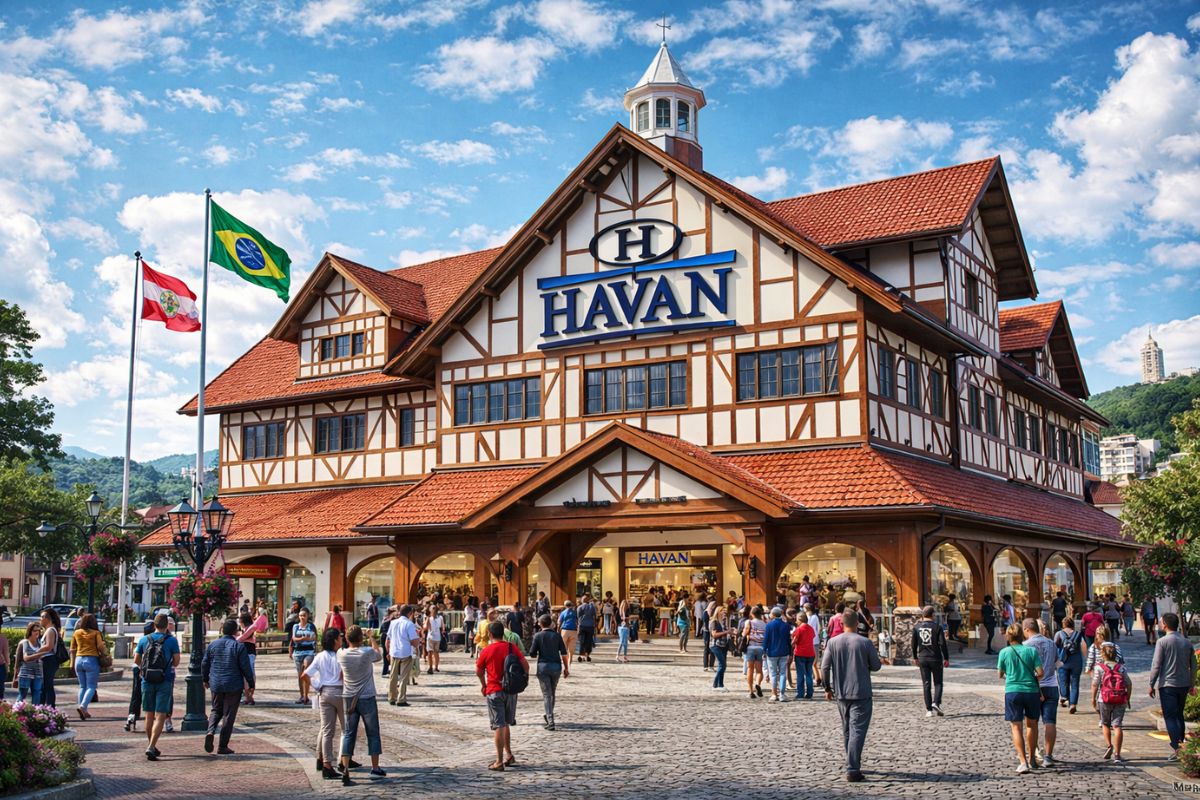
Havan will leave the shopping mall in Blumenau to inaugurate something that the chain has never done before: a megastore in half-timbered style in the Historic Center of the city, which is expected to be completed in May and change the landscape of local retail.



This volume represents:
- one of the largest industrial capacities in the sector in the country
- continuous large-scale operation
- integration with a complex logistics chain
The size of the factory positions Piracanjuba at a high level within the dairy industry, bringing its production capacity closer to that of major international players.
Direct impact on milk production in Paraná
The state of Paraná already holds a prominent position in national milk production, and the installation of the new factory reinforces this role.
The presence of a unit with this capacity creates direct effects on the sector:
- increased demand for raw milk
- greater predictability for producers
- stimulus to expand production
The new plant acts as a hub for absorbing milk production, economically strengthening the rural chain and encouraging investments in the field.
Additionally, proximity to producers reduces logistical costs and improves supply efficiency.
Reduction of dependence on dairy imports
Brazil has historically experienced fluctuations in the dairy trade balance, with periods of significant imports of products such as cheese.
Expanding internal industrial capacity helps reduce this dependence.
With greater national production, the country can decrease the need for imports and strengthen the local industry, increasing its competitiveness.
This change also impacts price stability and product availability in the domestic market.
Technology and efficiency in industrial production
The new factory incorporates modern technologies aimed at productive efficiency and quality control. Among the main elements are:
- automation of processes
- strict quality control
- integrated production systems
These technologies allow for:
- greater standardization of products
- reduction of waste
- increased productivity
The combination of scale and technology transforms the unit into one of the most advanced in the sector in Brazil.
Job creation and regional economic impact
The establishment of the factory also has a direct impact on the local economy. In addition to the direct jobs generated by the operation of the unit, there are indirect effects in various sectors:
- transport
- logistics
- supply of inputs
- services

This type of industrial enterprise tends to boost regional development, expanding economic opportunities and strengthening local infrastructure.
Strategic expansion of Piracanjuba in the national market
The inauguration of the new unit is part of a broader growth strategy for the company. The Piracanjuba Group has been investing in:
- expansion of productive capacity
- portfolio diversification
- geographic expansion
This movement aims to consolidate the company as one of the main players in the dairy sector in Brazil, with an increasingly strong presence in different regions. The dairy sector is one of the pillars of the national agribusiness, with a strong presence in various regions of the country.
The production chain involves:
- rural producers
- cooperatives
- industries
- distributors
The expansion of industrial capacity strengthens this chain, creating a growth cycle that directly impacts the economy. Additionally, the sector has social relevance, especially in regions with strong dairy activity.
Perspectives for the cheese market in Brazil
Cheese consumption in Brazil has shown growth over the years, driven by changes in dietary patterns and increased income. With the expansion of production, there is potential for:
- increased supply in the domestic market
- greater price competitiveness
- expansion of exports
The new factory helps meet this growing demand, expanding national production capacity. Despite the growth, the sector faces significant challenges, such as:
- variation in production costs
- distribution logistics
- international competitiveness
However, investments in infrastructure and technology, such as those made by Piracanjuba, create opportunities for advancement. The modernization of the industry is a decisive factor in increasing efficiency and ensuring competitiveness in the global scenario.
A new scale for dairy production in Brazil
The inauguration of the new Piracanjuba factory represents a milestone in the Brazilian dairy industry. With high investment, significant production capacity, and direct impact on the milk chain, the unit significantly expands the sector’s potential.
By integrating industrial scale, technology, and strengthening national production, the venture signals a new stage for the dairy market in Brazil, with repercussions on the economy, agribusiness, and international competitiveness.








Seja o primeiro a reagir!