





 Portuguese
  English
  Spanish
  6 min of reading
  0 comments


“`html
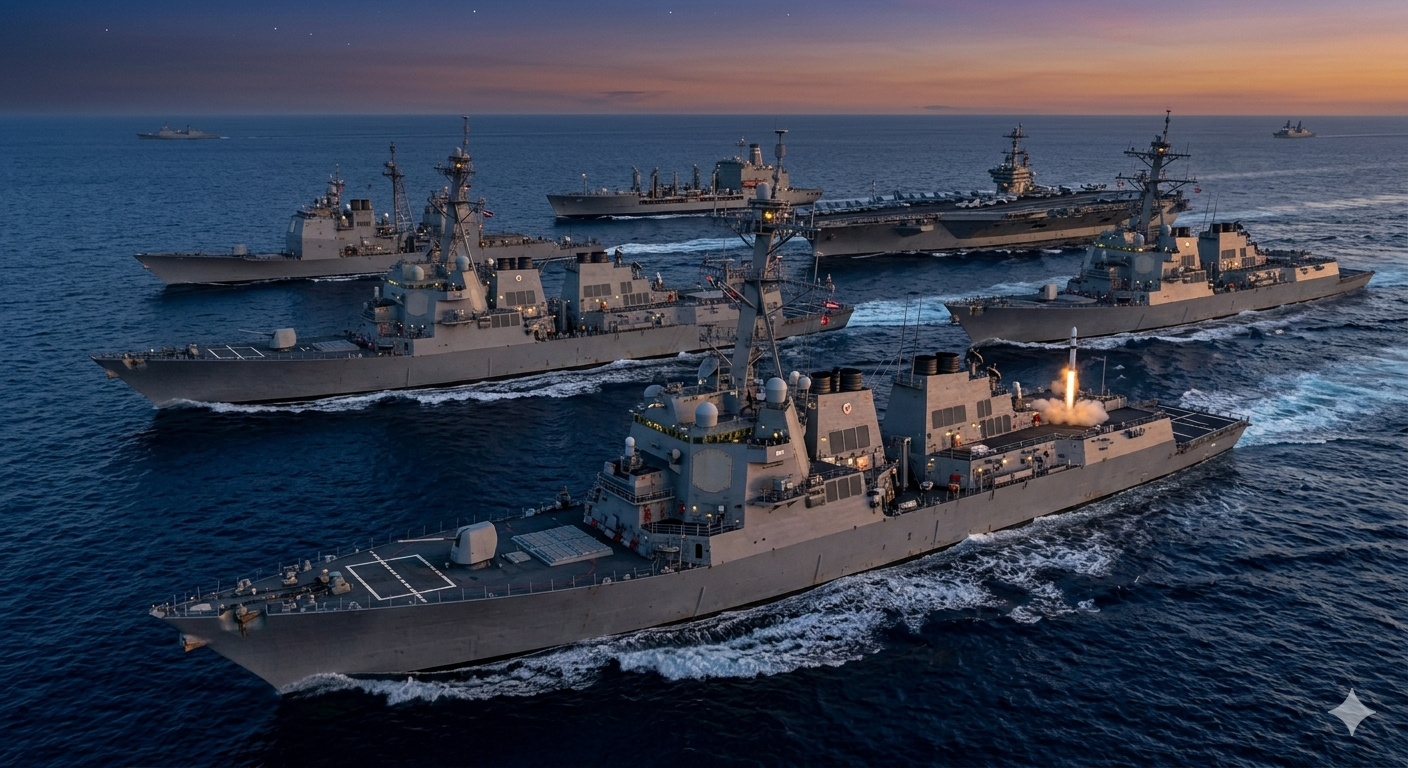
Modern destroyers with over 120 missiles and advanced radars redefine naval warfare and expand military power on a global scale.
In 2024 and 2025, strategic reports and official communications from the United States Navy reinforced the growing role of modern destroyers as central pieces in contemporary naval warfare. According to the U.S. Navy itself, in official materials about the Arleigh Burke Flight III program, these ships began operating with the AN/SPY-6 radar and integrated air and missile defense systems capable of simultaneously executing multiple combat functions in high-complexity environments.
Ships like those of the Arleigh Burke Flight III class and the USS Zumwalt represent this new generation of naval platforms. According to consolidated technical data on the AN/SPY-6 radar, the system was developed to provide integrated defense against air and ballistic threats, significantly expanding detection and tracking capabilities compared to previous generations.
-
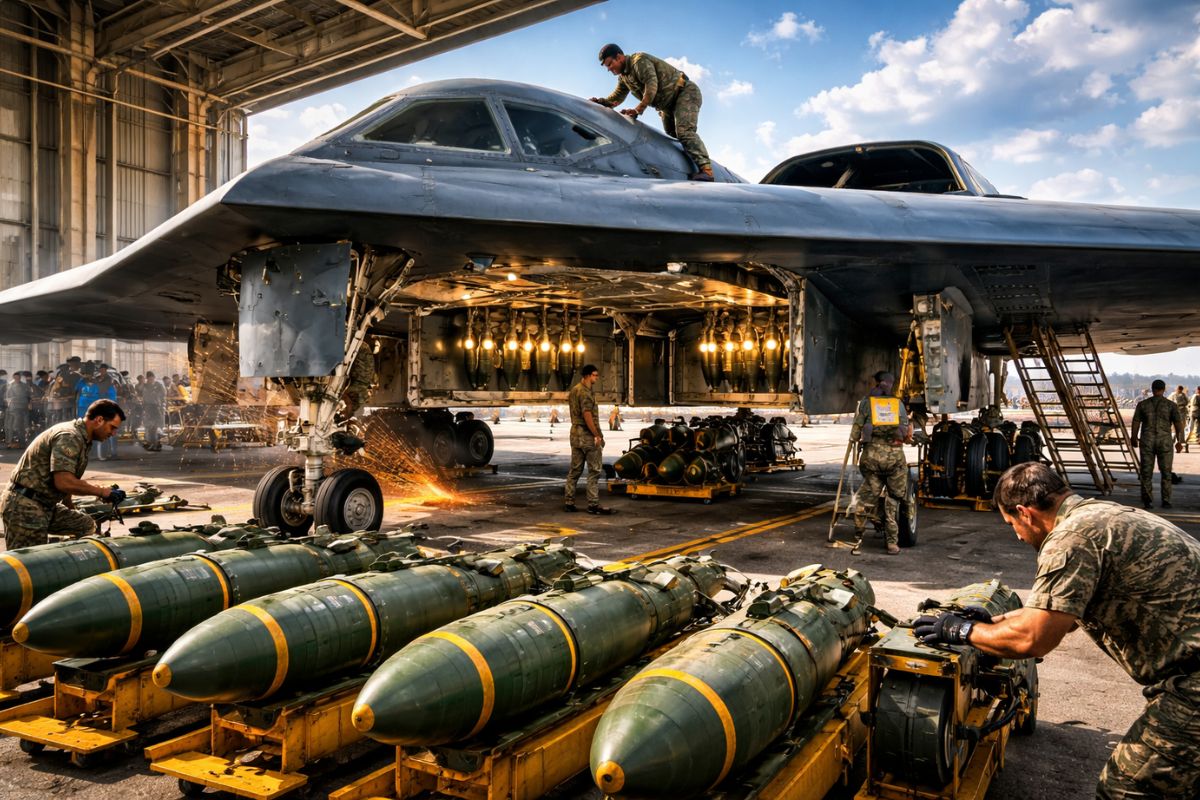
Valued at over $2 billion, the B-2 Spirit bomber requires meticulous inspection, bombs calibrated in a controlled environment, and extreme preparation to disappear from radar and launch attacks with lethal precision.
-
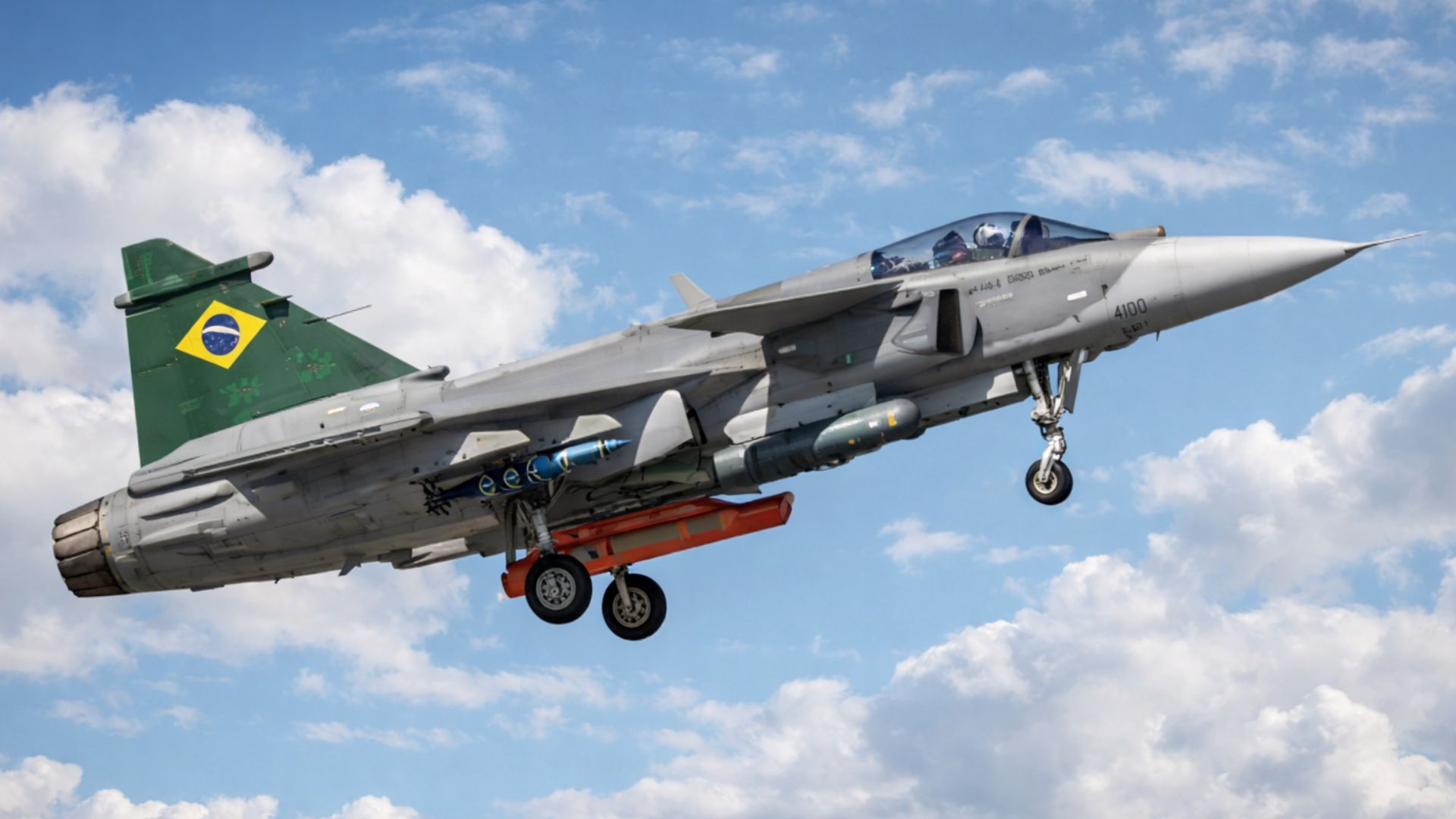
Brazil presents the first national F-39 Gripen fighter and redefines air defense with technological advancement, job creation, and strengthening of the defense industry on the global stage.
-
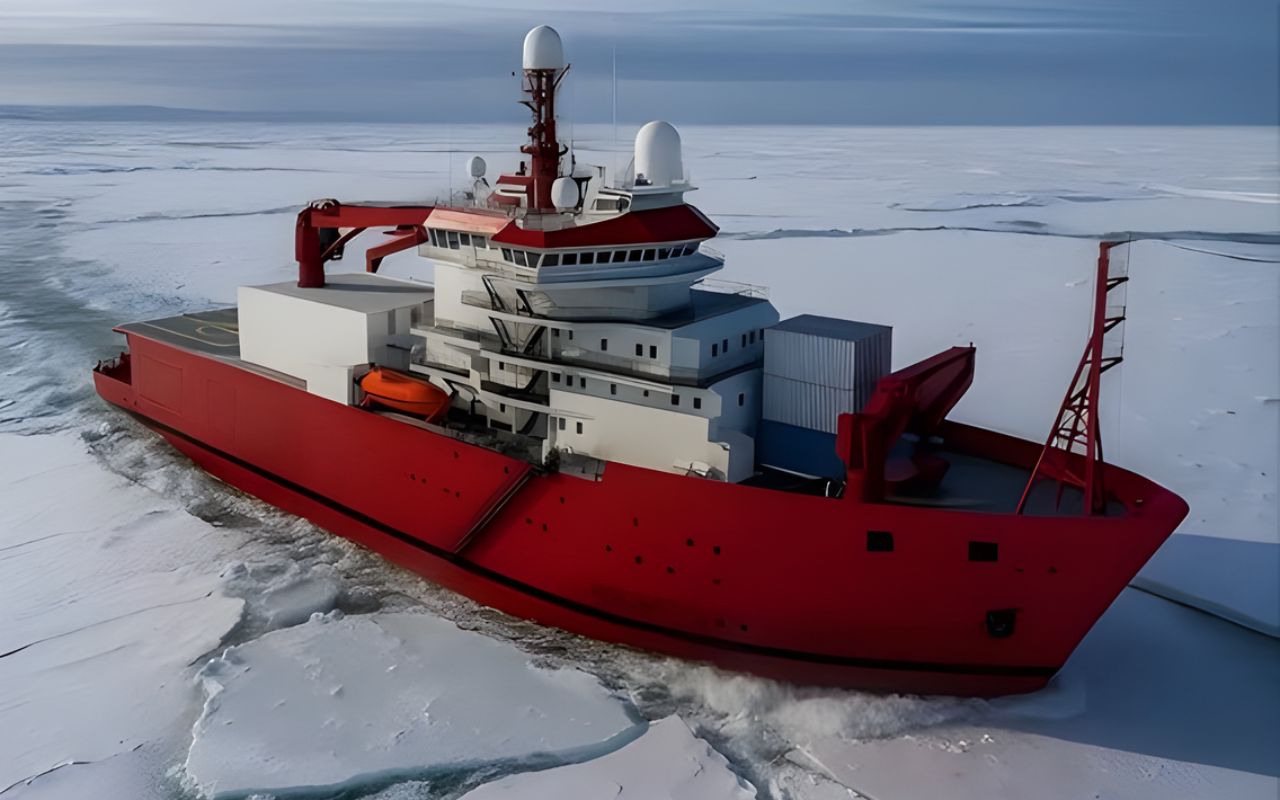
The construction of the Polar Ship Almirante Saldanha is progressing ahead of schedule and strengthens Brazil’s presence in Antarctica; the vessel will be 93 meters long, have a two-month autonomy, and technology to face ice.
-
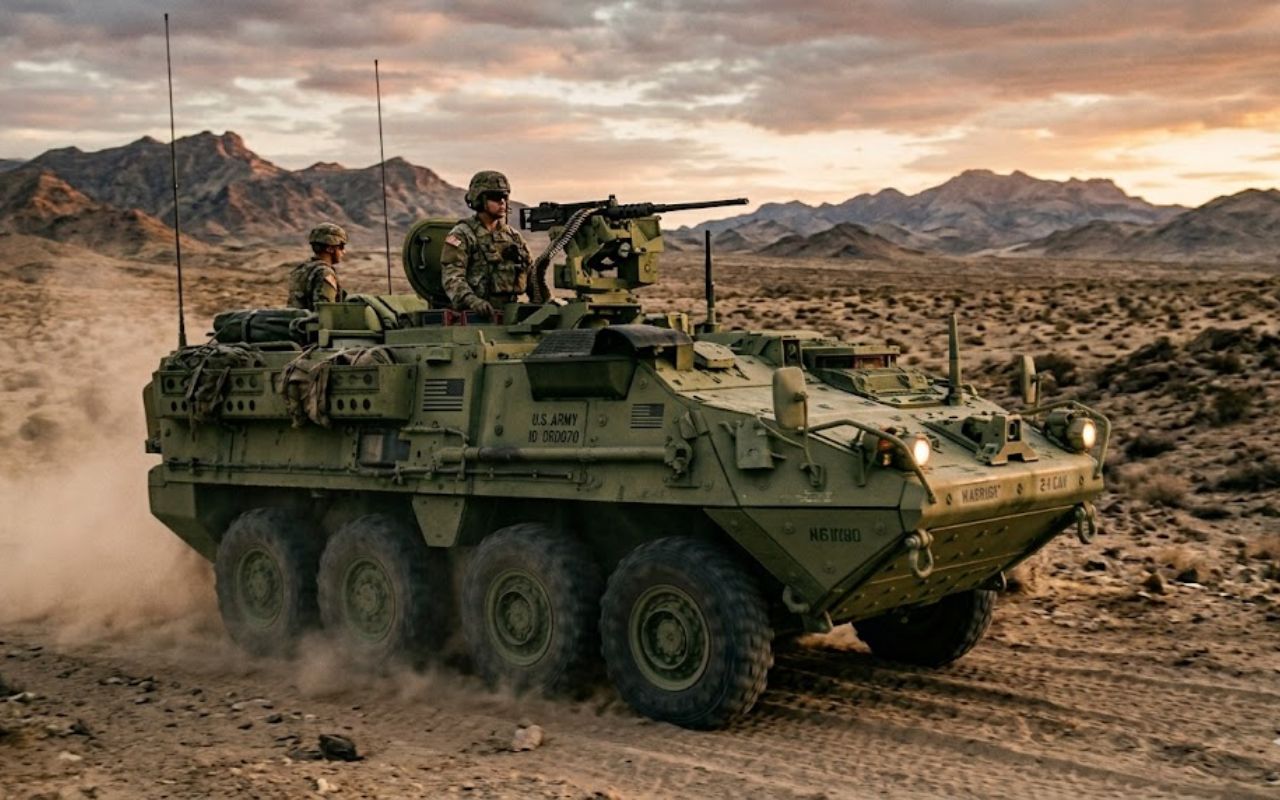
The United States Army has an armored vehicle that reaches speeds of up to 100 km/h, capable of operating normally on different types of terrain and also on asphalt without causing damage; equipped with a 350 hp engine, it can transport up to 9 soldiers — meet the Stryker.

With a displacement of over 9,000 tons in the latest versions of the Arleigh Burke class and exceeding 15,000 tons in the case of the Zumwalt, these ships have evolved from mere escorts to performing strategic functions comparable to cruisers. According to technical data from contemporary naval projects, these destroyers are designed as multifunctional platforms capable of executing air warfare, anti-submarine warfare, and land attack in a single integrated system.
This transformation is directly linked to the technological evolution of onboard systems, allowing these ships to operate as highly integrated naval combat centers capable of responding simultaneously to multiple threats in modern warfare scenarios.
What defines a modern destroyer in current naval warfare
Historically, destroyers emerged as fast and agile ships designed to protect larger fleets against smaller threats, such as torpedo boats and submarines. However, over the past few decades, this concept has evolved drastically.
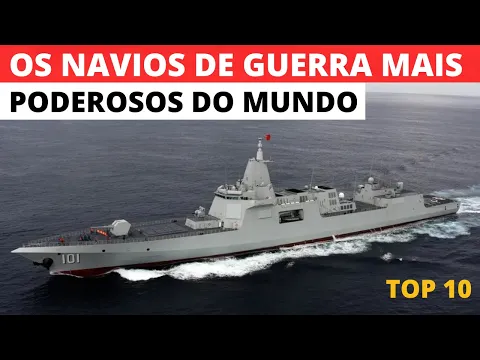

Today, modern destroyers are highly integrated platforms capable of performing offensive and defensive functions simultaneously. They operate as command centers, air defense, land attack, and anti-submarine warfare.
The main characteristic that defines these ships is their ability to integrate sensors, weapons, and command systems into a single highly coordinated structure. This allows a modern destroyer to operate independently or as part of a larger naval force.
The vertical launch system and the embarked arsenal
One of the most important elements of these ships is the vertical launch system, known as VLS (Vertical Launch System). This system allows for the storage and launch of different types of missiles from cells installed on the deck.

In the most advanced destroyers, such as those of the Arleigh Burke class, the number of cells can exceed 90 units, while other designs, like the Zumwalt, operate with advanced systems integrated into the hull.
These cells can be configured for different types of armament, including air defense missiles, land attack missiles, and ballistic interceptors. This transforms the destroyer into an extremely versatile platform.
Among the main armaments used are Tomahawk missiles, capable of hitting targets over 1,500 kilometers away, and SM-2 and SM-6 missiles, used for air defense and threat interception.
Advanced radar and capacity to track hundreds of targets
Another essential component of these ships is the radar system. The Aegis system, widely used by the United States Navy, is one of the most advanced in the world.
It combines high-power radars with processing systems capable of tracking hundreds of targets simultaneously, including aircraft, missiles, and vessels.
This capability allows the destroyer to detect, identify, and react to threats in real-time, often before the enemy is even within visual range.
In the latest models, such as the AN/SPY-6, the radar has greater sensitivity and range, capable of detecting smaller objects at greater distances, significantly increasing the effectiveness of defense.
The strategic role of destroyers in military operations
Modern destroyers play multiple roles in military operations. They can serve as escorts for aircraft carriers, protecting these vessels against air and submarine attacks.
Additionally, they are often used in independent missions, such as maritime patrol, show of force, and precision strike operations.
In conflict scenarios, these ships can launch coordinated attacks against land targets, support amphibious operations, and protect strategic routes. This versatility makes destroyers one of the most important platforms in modern navies.
The case of the USS Zumwalt and the evolution of naval design
The USS Zumwalt represents a completely different approach to destroyer design. With an angular shape and sloped surfaces, the ship was designed to reduce its radar signature.
With a displacement of about 15,000 tons, it is significantly larger than traditional destroyers. Its stealth design makes it difficult to detect by enemy radars.
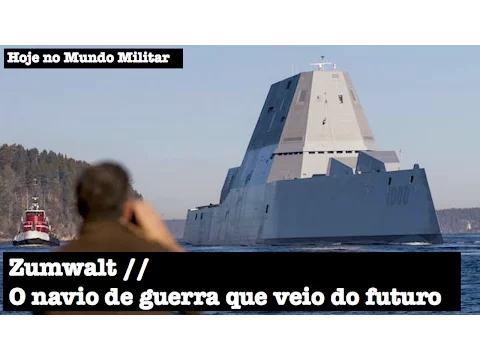
Moreover, the Zumwalt uses an integrated electric propulsion system, which provides power for advanced systems and armaments.
Despite its high cost and technical challenges, the design introduced technologies that influence the development of future warships.
The rise of new destroyers around the world
Other countries have also heavily invested in the development of advanced destroyers. China, for example, has introduced the Type 055 destroyers, which have a displacement of over 12,000 tons and are often classified as cruisers by analysts.
These ships have a large missile launch capacity and advanced radar systems, allowing for large-scale operations.
Europe is also participating in this evolution, with projects like the British Type 45 destroyers, specialized in air defense.
This scenario demonstrates a global technological race, where different countries seek to enhance their naval capabilities.
Integration with anti-missile defense systems
One of the most critical functions of these ships is missile defense. Destroyers equipped with Aegis systems are capable of intercepting ballistic missiles during their trajectory. This type of defense is essential in a scenario where long-range threats have become more common.
The ability to intercept missiles transforms these ships into true mobile shields, capable of protecting entire regions against attacks.
This function expands the strategic role of destroyers, which begin to operate not only in naval combat but also in the defense of territories.
Technology, automation, and crew reduction
Another important characteristic is the advancement of automation. Modern systems allow for a reduction in the number of crew members needed to operate the ship.
In the case of the Zumwalt, for example, the crew is significantly smaller compared to traditional destroyers, despite the increase in the size of the ship.
This automation includes control, monitoring, and maintenance systems that operate with high efficiency. The reduction in crew size decreases operational costs and increases the efficiency of operations.
The impact of technology on 21st-century naval warfare
The evolution of destroyers reflects a broader change in naval warfare. The focus has shifted from merely the size of the fleet to include technological capability.
Advanced sensors, communication systems, and precision armaments have transformed these ships into highly effective platforms. Today, a single destroyer can perform functions that previously required multiple vessels. This shift redefines the balance of power at sea and influences military strategies worldwide.

Modern destroyers represent one of the greatest evolutions in military naval engineering. Combining advanced technology, sophisticated armament, and high operational capacity, these ships have become key pieces in contemporary military strategies.
Capable of operating in multiple scenarios, from air defense to precision strikes, they play a central role in naval power projection.
By integrating sensors, armaments, and command systems into a single platform, these ships completely redefine the concept of warfare at sea, consolidating their position as one of the most important tools of naval forces in the 21st century.
“`







Seja o primeiro a reagir!