





 Portuguese
  English
  Spanish
  3 min of reading
  0 comments


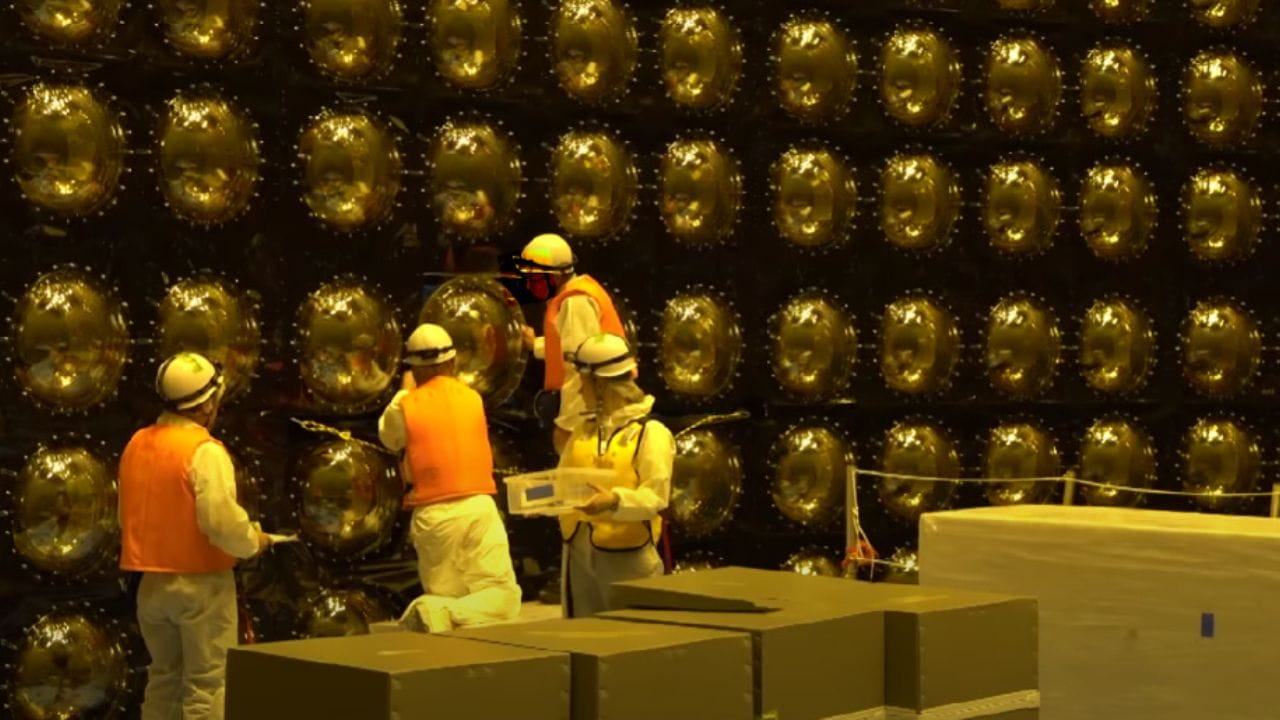
In The Heart Of A Wooded Mountainous Region In Japan, A $600 Million Construction Project Promises To Revolutionize Medicine And Expand Our Understanding Of The Universe: The Super-Kamiokande Atomic Observatory.
In a bold move that merges engineering and science, Japan is excavating a mountain in the city of Hida, Gifu Prefecture, to create the Super-Kamiokande Atomic Observatory (Super-K). Located 380 km from Tokyo, this project, led by the University of Tokyo, aims to develop an underground gallery with ideal isolation conditions and dimensions for advanced atomic studies. The site, strategically chosen, is 681 m below the mountain peak, ensuring the necessary isolation for sensitive research.
Underground Innovation: The Largest Water Tank In The World
One of the highlights of Super-K will be the world’s largest water tank, capable of storing an incredible 260 million liters of water. This colossus is not only an engineering feat but also an essential tool for neutrino studies, subatomic particles that can reveal secrets of the universe. And of course, this multifaceted project will host research programs ranging from accelerator physics to the search for dark matter.
The path to Super-K is paved by previous successes, such as the Kamiokande Observatory and the Super-Kamiokande, both recognized with Nobel Prizes in Physics. These earlier stages opened new doors for the understanding of neutrinos, a field little explored until the 1980s and 1990s. Now, with Super-K, Japan seeks to further expand this research.
-
Motorola launched the Signature with a gold seal from DxOMark, tying with the iPhone 17 Pro in camera performance, Snapdragon 8 Gen 5 that surpassed 3 million in benchmarks, and a zoom that impresses even at night.

-
Satellites reveal beneath the Sahara a giant river buried for thousands of kilometers: study shows that the largest hot desert on the planet was once traversed by a river system comparable to the largest on Earth.

-
Scientists have captured something never seen in space: newly born stars are creating gigantic rings of light a thousand times larger than the distance between the Earth and the Sun, and this changes everything we knew about stellar birth.

-
Geologists find traces of a continent that disappeared 155 million years ago after separating from Australia and reveal that it did not sink, but broke into fragments scattered across Southeast Asia.

A Challenging Construction
Initiated in May 2021, the construction of Super-K involves unique challenges, from tunnel excavation in the mountain to creating a concrete shell to house the tank. This engineering project employs traditional and efficient methods, reinforced by steel structures, to create an ideal environment for atomic research, free from background radiation.
Super-K has the potential to revolutionize fields like medicine, offering new ways to develop more effective drugs with fewer side effects. This observatory could even contribute to our understanding of the formation of the universe, connecting the dots from the first atoms after the Big Bang to the elements that make up life as we know it.
Bright Future: Beyond 2026
With completion expected in 2026 and operations beginning the following year, Hyper-K promises to be a milestone in scientific research. In addition to its immediate benefits for science, this project underscores Japan’s commitment to innovation and exploration of the unknown. As Hyper-K progresses, it not only answers the question “Why is Japan excavating a mountain?” but also invites us to dream about the possibilities that science can unlock.
The construction project of Super Kamiokande in Japan is a testament to the human spirit of curiosity and exploration. By excavating mountains and building the world’s largest water tank, Japan not only seeks answers to some of the deepest questions about the universe and life but also paves the way for future advancements across various scientific and technological disciplines.
About The Atomic Observatory
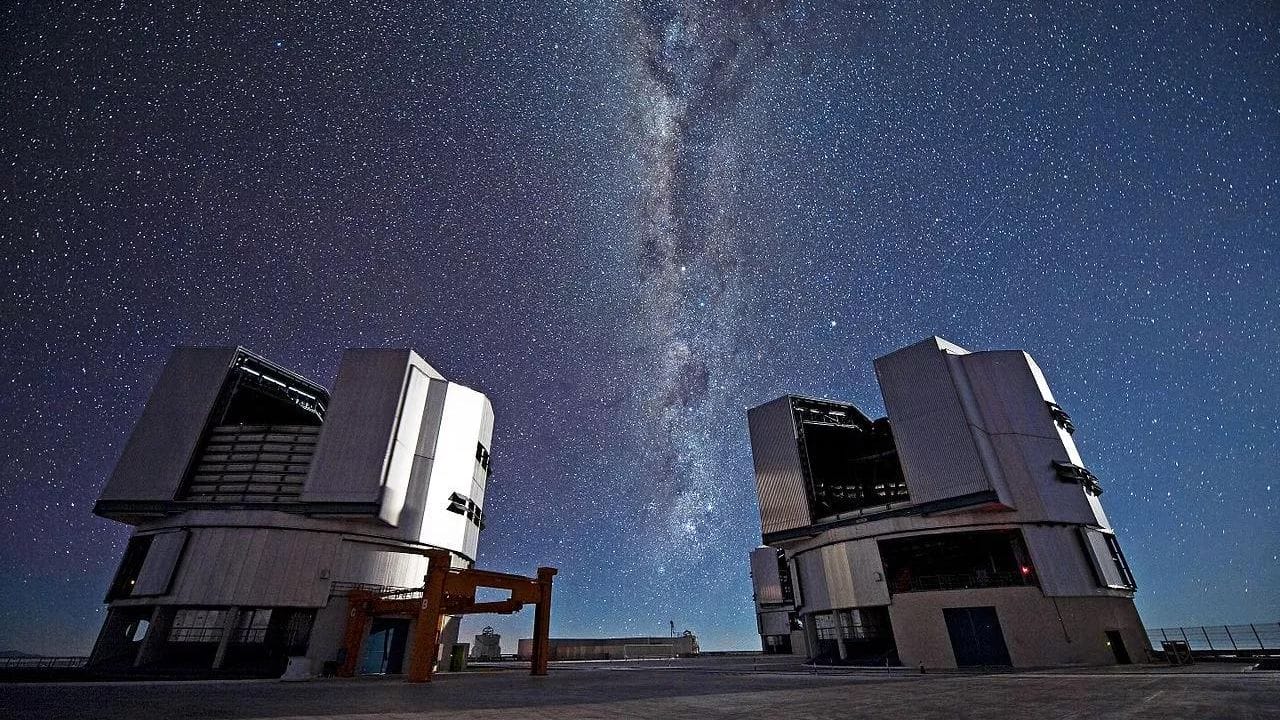
In addition to the Super-Kamiokande, Japan extends its scientific influence beyond its borders with facilities like the Atacama Observatory. Located in Chile, this observatory focuses on infrared light, collaborating with international efforts to enhance our understanding of the cosmos.
Around the globe, iconic observatories, such as the Royal Observatory Greenwich and the Teide Observatory, continue to fascinate both academics and space enthusiasts. These facilities not only significantly contribute to modern science, but also inspire the public to look at the skies with admiration and inquiry.
Atomic and astronomical observatories, from Mauna Kea in the USA to Pulkovo in Russia, not only advance our knowledge of the universe, but also serve as beacons of inspiration. They reinforce the vital importance of science and space exploration, paving the way for future generations who will look to the cosmos with the same admiration and curiosity that drives us today.








Seja o primeiro a reagir!