





 Portuguese
  English
  Spanish
  2 min of reading


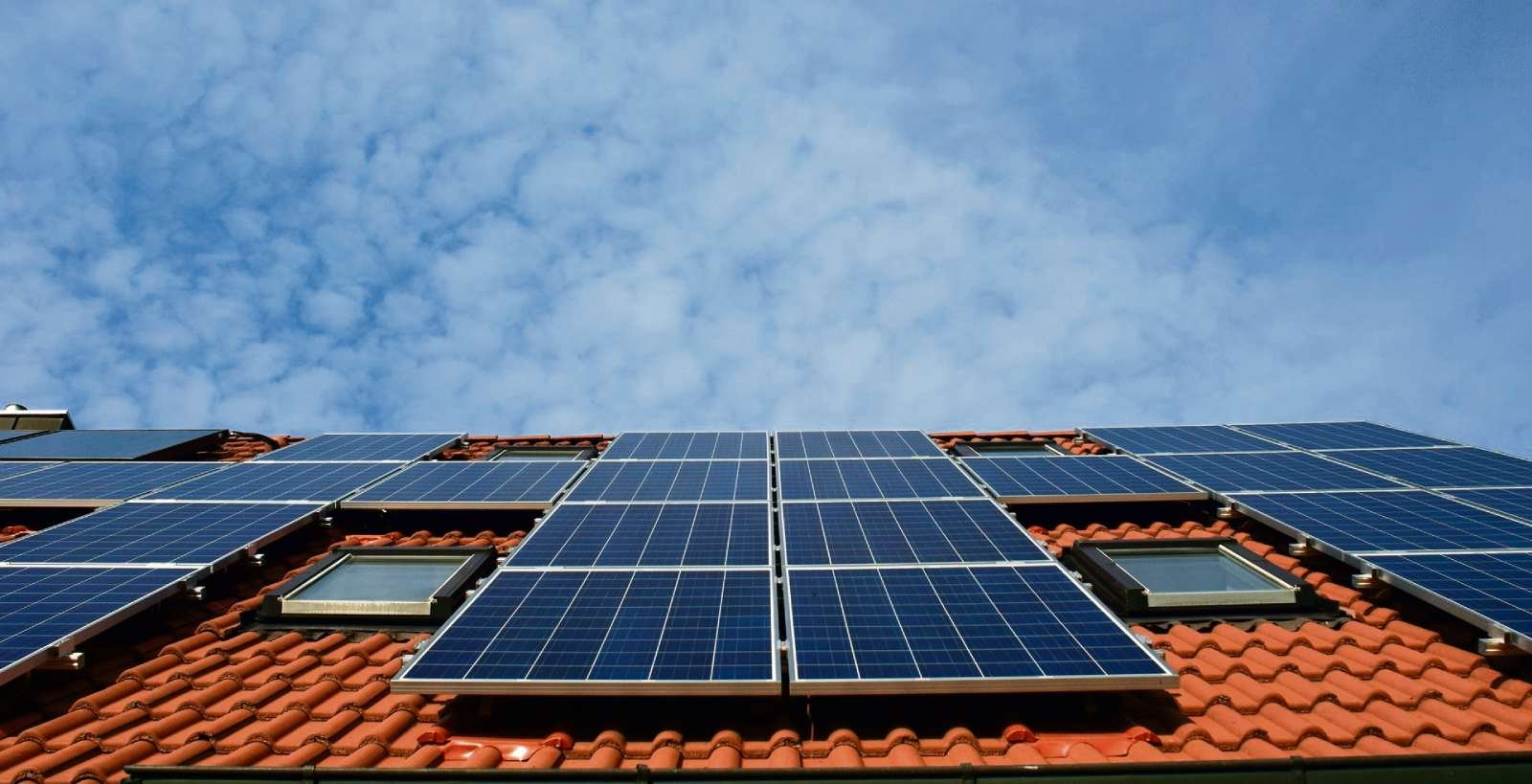
Despite The High Number, Only 1.1% Of The Country’s Energy Consumers Use Solar Generation, According To Absolar
According to a survey conducted by Absolar (Brazilian Association of Photovoltaic Solar Energy), Brazil has surpassed 1 million consumer units with their own energy generation using solar power. In total, the installations account for 8.6 gigawatts (GW) of power, which is equivalent to approximately two-thirds of the generating capacity of the Itaipu Hydroelectric Plant.
Read Also Other News:
- Janus Graphene: Newly Discovered Technology Could Change The Electric Car Industry By Creating Ultra-High-Capacity Sodium Batteries
- With 895 Solar Panels, Ceará Inaugurates The Largest Public Solar Plant In The State
- Electric Car Company Partners With Carrefour To Install 40 Charging Stations In Supermarket Chain Parking Lots By The End Of 2022
A considerable share of this own solar energy generation is concentrated in residences, totaling 76.6% of the total consumers using the technology, according to Absolar.
Following residences, the segments of commerce and services (13.4%), rural producers (7.6%), industries (2.1%), public power (0.3%), and other sectors, such as public services (0.03%) and public lighting (0.01%) follow. Solar energy has seen rapid growth in Brazil over the past few years, influenced both by the installation of small power plants and large enterprises directed at the free energy market.
-
Renewable energy advances over protected areas in Brazil, and a survey by the Energy Transition Observatory reveals silent impacts that challenge environmental conservation and pressure sensitive traditional territories.

-
Rio Grande do Sul accelerates energy transition: State invests in renewable technologies and consolidates decarbonization strategies and pathways to attract billions in new industrial investments.

-
With 160,000 m² of collectors, an area larger than 20 football fields, Silkeborg, in Denmark, hosts a solar thermal plant that heats 19,500 homes and could become the largest solar heating plant in the world.

-
A study reveals the expansion of renewable energy procurement in Brazil and shows how companies are taking advantage of opportunities to reduce expenses, ensure energy efficiency, and strengthen strategic environmental commitments.


According to Absolar’s assessment, the law that establishes a regulatory framework for the distributed generation sector, sanctioned by the government at the beginning of 2022, is a fact that should further encourage business throughout the country. To date, the Association estimates that the own solar energy generation has been responsible for attracting over R$ 44.0 billion in investments in Brazil, in addition to generating a total of over 260,000 jobs accumulated since 2012.
What To Expect For The Year 2022
For the year 2022, Absolar’s expectation is that solar energy will nearly double in installed capacity compared to 2021, driven by the new legal framework and consumer demand for alternatives to minimize electricity costs.
It is forecasted that more than 11.9 GW of power will be added through small to large enterprises in 2022, compared to the 13 GW currently in place. According to Absolar’s estimates, out of the R$ 50.8 billion expected to be invested this year, distributed generation will account for a value close to R$ 40.6 billion. Although the sector is expanding, Absolar points out that Brazil is still lagging in terms of solar energy adoption.
“Of the more than 89 million electricity consumers in the country, only 1.1% are using the sun to produce clean, renewable, and competitive energy”, states Absolar in a note.








Seja o primeiro a reagir!