Portuguese
  Spanish



Despite The High Number, Only 1.1% Of The Country’s Energy Consumers Use Solar Generation, According To Absolar
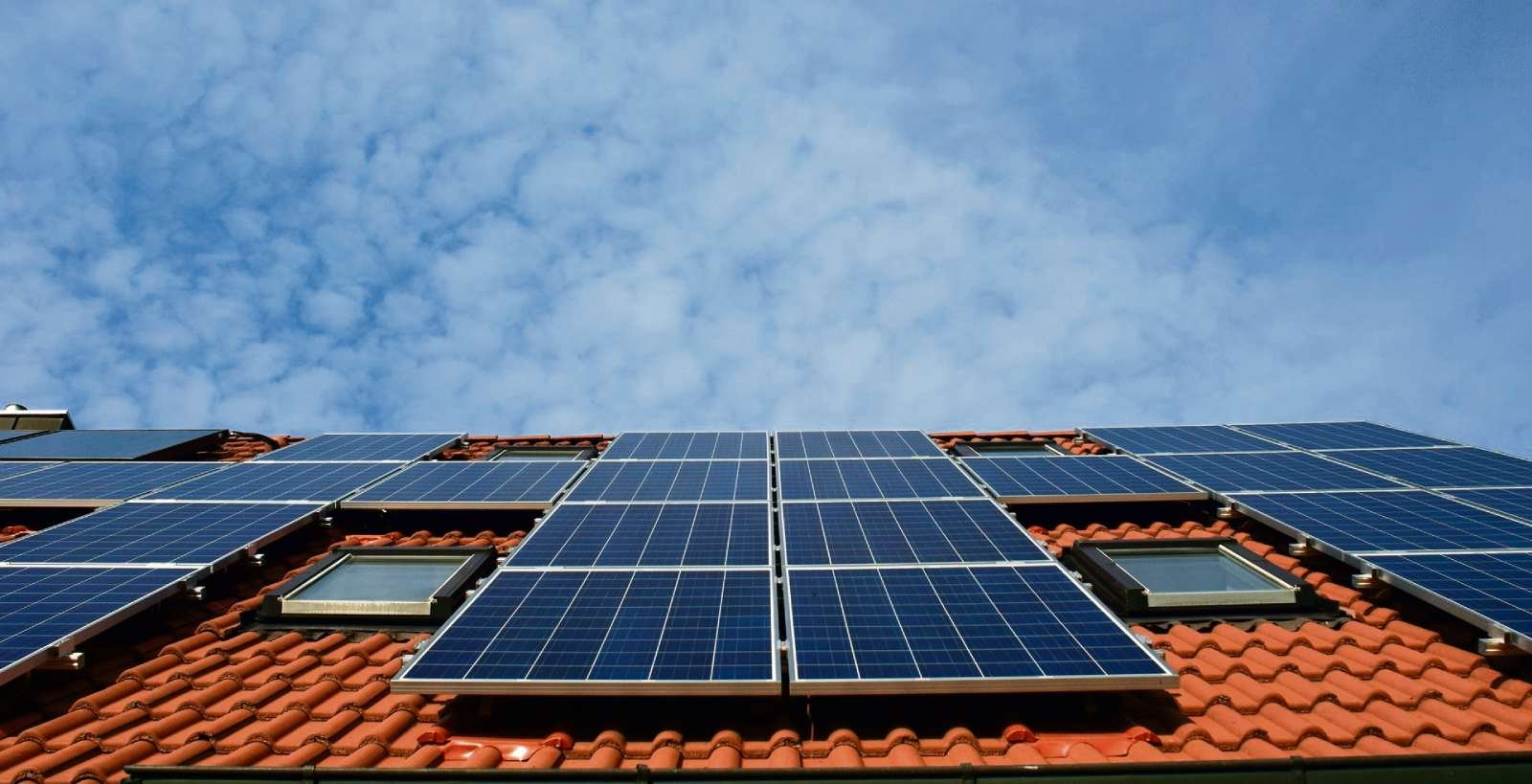
According to a survey conducted by Absolar (Brazilian Association of Photovoltaic Solar Energy), Brazil has surpassed 1 million consumer units with their own energy generation using solar power. In total, the installations account for 8.6 gigawatts (GW) of power, which is equivalent to approximately two-thirds of the generating capacity of the Itaipu Hydroelectric Plant.
Read Also Other News:
- Janus Graphene: Newly Discovered Technology Could Change The Electric Car Industry By Creating Ultra-High-Capacity Sodium Batteries
- With 895 Solar Panels, Ceará Inaugurates The Largest Public Solar Plant In The State
- Electric Car Company Partners With Carrefour To Install 40 Charging Stations In Supermarket Chain Parking Lots By The End Of 2022
A considerable share of this own solar energy generation is concentrated in residences, totaling 76.6% of the total consumers using the technology, according to Absolar.
Following residences, the segments of commerce and services (13.4%), rural producers (7.6%), industries (2.1%), public power (0.3%), and other sectors, such as public services (0.03%) and public lighting (0.01%) follow. Solar energy has seen rapid growth in Brazil over the past few years, influenced both by the installation of small power plants and large enterprises directed at the free energy market.
-
Ceará brings together 7 giants and R$ 66 billion to transform Pecém into the largest green hydrogen hub in Brazil, with final decisions expected by the end of 2026.

-
Scientists Convert Factory Waste Heat into Hydrogen Using Perovskite Catalyst at Significantly Lower Temperatures

-
Airbus and MTU Launch Joint Venture to Advance Hydrogen-Powered Electric Aircraft Engines, Paving the Way for a New Era of Low-Emission Commercial Aviation
-
In a Place Many Doubt Solar Power Works, 360 Panels Operate in the Arctic, Harnessing Reflected Snowlight to Reduce Diesel Use at an Isolated Station


According to Absolar’s assessment, the law that establishes a regulatory framework for the distributed generation sector, sanctioned by the government at the beginning of 2022, is a fact that should further encourage business throughout the country. To date, the Association estimates that the own solar energy generation has been responsible for attracting over R$ 44.0 billion in investments in Brazil, in addition to generating a total of over 260,000 jobs accumulated since 2012.
What To Expect For The Year 2022
For the year 2022, Absolar’s expectation is that solar energy will nearly double in installed capacity compared to 2021, driven by the new legal framework and consumer demand for alternatives to minimize electricity costs.
It is forecasted that more than 11.9 GW of power will be added through small to large enterprises in 2022, compared to the 13 GW currently in place. According to Absolar’s estimates, out of the R$ 50.8 billion expected to be invested this year, distributed generation will account for a value close to R$ 40.6 billion. Although the sector is expanding, Absolar points out that Brazil is still lagging in terms of solar energy adoption.
“Of the more than 89 million electricity consumers in the country, only 1.1% are using the sun to produce clean, renewable, and competitive energy”, states Absolar in a note.