





 Portuguese
  English
  Spanish
  3 min of reading
  0 comments


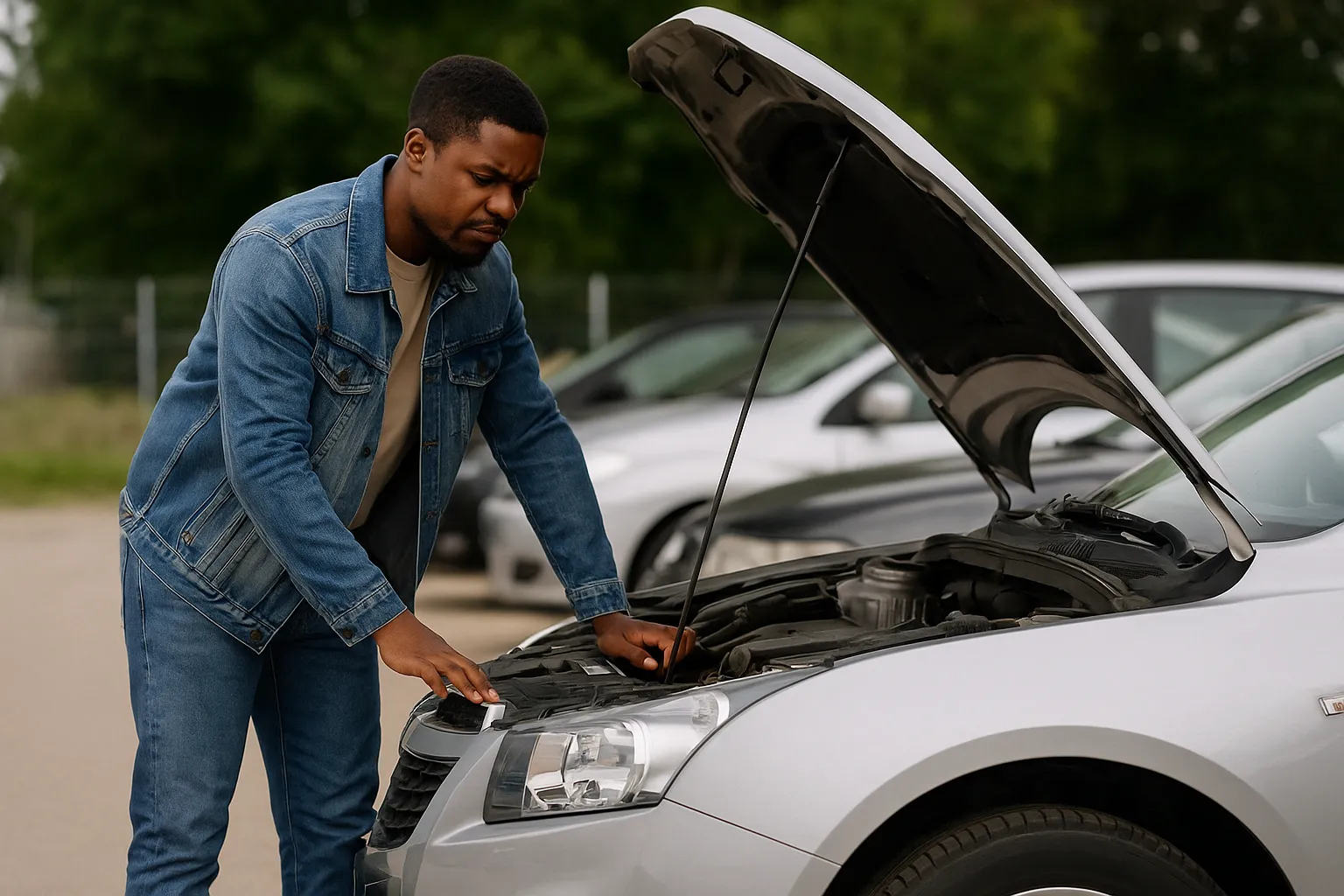
Buying a used car may seem like a great deal at first glance, but those who have gone through a poorly planned purchase know the headache it can cause. Many times, the attractive price hides serious problems, and the cheap ends up being expensive. Therefore, before signing any contract or transferring documentation, it is essential to evaluate some key points that ensure safety and avoid unexpected expenses in the future. A used car can be an excellent alternative if the analysis is done carefully.
Used Car and the Maintenance History
The first step when evaluating a used car is to check the maintenance history. Ask for invoices, service records, and parts replacement. This documentation shows whether the previous owner took care of the vehicle preventively or only acted when there were problems. A car that has undergone regular servicing generally presents fewer risks of mechanical surprises.
Real and Coherent Mileage
Mileage is a decisive factor. Used cars with low mileage tend to be more valued, but it is important to verify if the numbers are consistent with the vehicle’s age. A ten-year-old car with only 30,000 km deserves suspicion. In such cases, consult inspection reports or inspection systems to confirm the truthfulness.
-
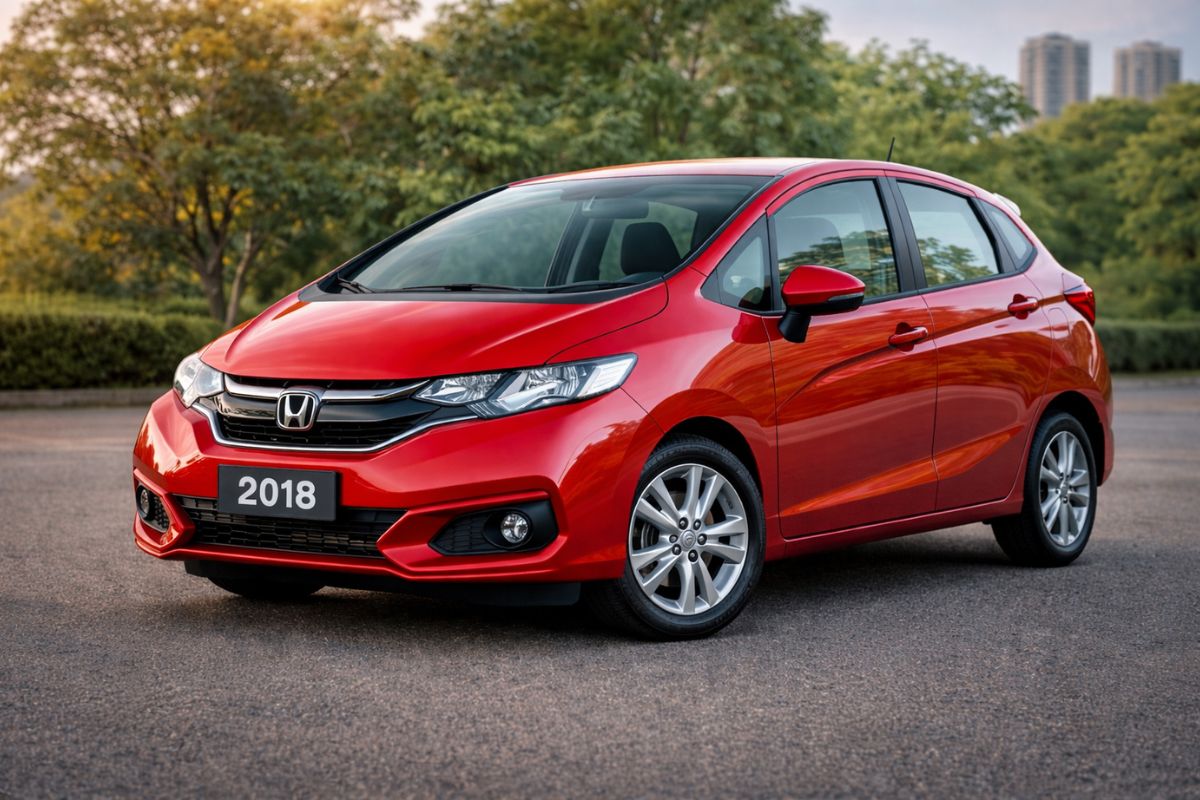
The Honda Fit has been discontinued for years, but the 2018 model is worth more today in the Fipe table than it cost brand new, proving that this used car, valued with a 1.5 i-VTEC engine and Magic Seat, only increases in price.
-
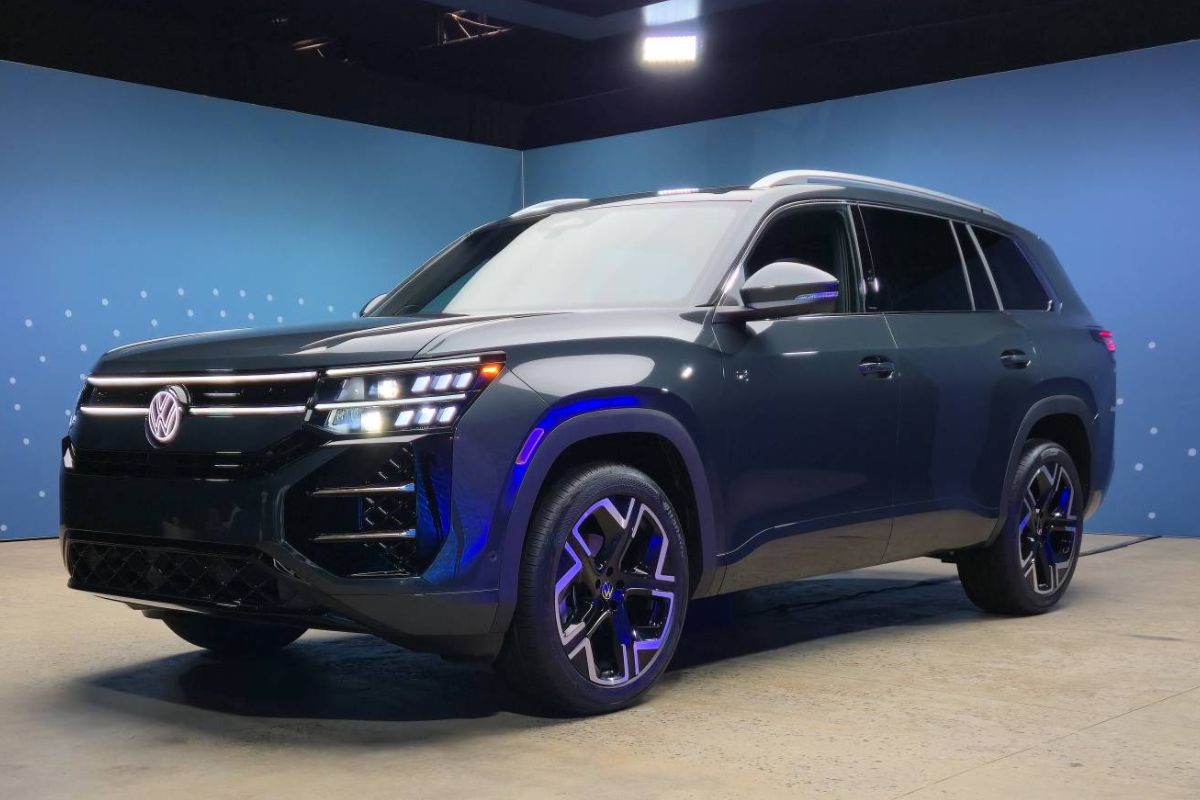
Volkswagen unveiled the 2027 Atlas with a 282-horsepower EA888 turbo engine, a 15-inch screen, massage seats, and a completely new interior to finally elevate the three-row SUV built on the MQB platform to a new level.
-
After decades out of the spotlight, Citroën is preparing to bring back the legendary 2CV as a low-cost electric vehicle, betting on the revival of one of the most popular cars in history and aiming to enter the race for affordable compact cars.

-
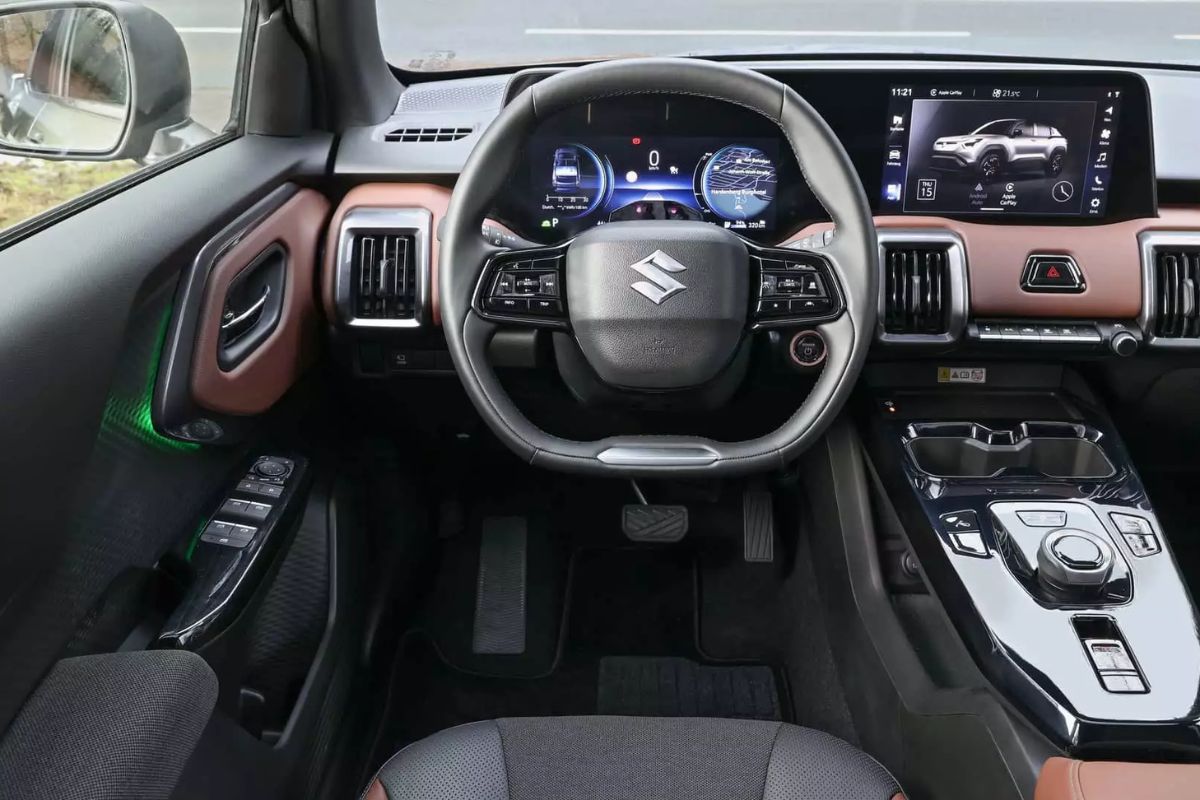
The 2026 electric Vitara arrives in Brazil and proves that Suzuki is not leaving: 4×4 traction, 184 hp, 61 kWh LFP battery, 293 km range, R$ 259,000, and a trunk capacity of 224 L.

Condition of the Bodywork and Paint
An attentive look at the bodywork can reveal much about the vehicle’s past. Irregularities, differences in paint shades, or poorly done welds are indications of repairs after accidents. A used car that has suffered serious collisions may present structural impairments, even if it appears to be in good condition visually.
Condition of Tires and Wheels
Tires are more than an aesthetic issue: they reflect how well the car has been cared for. Tires that are excessively worn on only one side may indicate alignment or suspension problems. Additionally, check if the set is homogeneous. Partial replacements may reveal carelessness or attempts to save on maintenance.
Electrical System and Lighting
Another essential point is the electrical system. Test headlights, taillights, turn signals, and dashboard. A used car with electrical problems can incur high expenses, as these repairs require specialized labor. Moreover, failures in this system directly compromise safety.
Engine Inspection
The heart of the car deserves extra attention. Check for leaks, whether the oil is at the correct level, and if the engine starts without strange noises. Take it for a test drive: during driving, notice if there are any failures, smoke from the exhaust, or loss of power. These clues indicate potential internal issues that can be costly to resolve.
Up-to-Date Documentation
It doesn’t matter if the car looks good if the paperwork isn’t correct. Check for any outstanding fines, IPVA debts, or legal restrictions. A used car with pending issues can cause headaches during transfer and even hinder the registration in your name.
Driving Test
Driving the car is one of the most revealing stages. Pay attention to the clutch, brakes, steering, and suspension. Creaks, vibrations, or difficulties in shifting gears are warning signs. Additionally, the test helps determine if you feel comfortable with the chosen model.
Vehicle Provenance
The provenance should always be transparent. Prefer to buy from recognized dealerships or companies that offer a minimum warranty. In negotiations with individuals, thoroughly investigate the seller’s reputation and be wary of offers significantly below the market average.
Cost-Benefit and Future Maintenance
Lastly, evaluate the cost-benefit. Research the cost of parts, fuel consumption, and insurance rates. Sometimes, a used car may be cheap at purchase but expensive in maintenance. Planning for this detail prevents the vehicle from becoming a financial burden in a few months.
Buying a used car requires patience, a critical eye, and the willingness to investigate every detail. More than just bringing home a vehicle, you are taking on a commitment that will impact your routine and budget. With the right care, it is possible to make a safe purchase, take advantage of good deals, and enjoy the peace of mind of driving without unpleasant surprises.
SEO Title: Evaluate Used Car: 10 Precautions Before Purchase
Meta Description: See 10 points to consider before buying a used car and avoid headaches with hidden problems or irregular documentation.







-

-

-

19 pessoas reagiram a isso.