





 Portuguese
  English
  Spanish
  5 min of reading
  0 comments


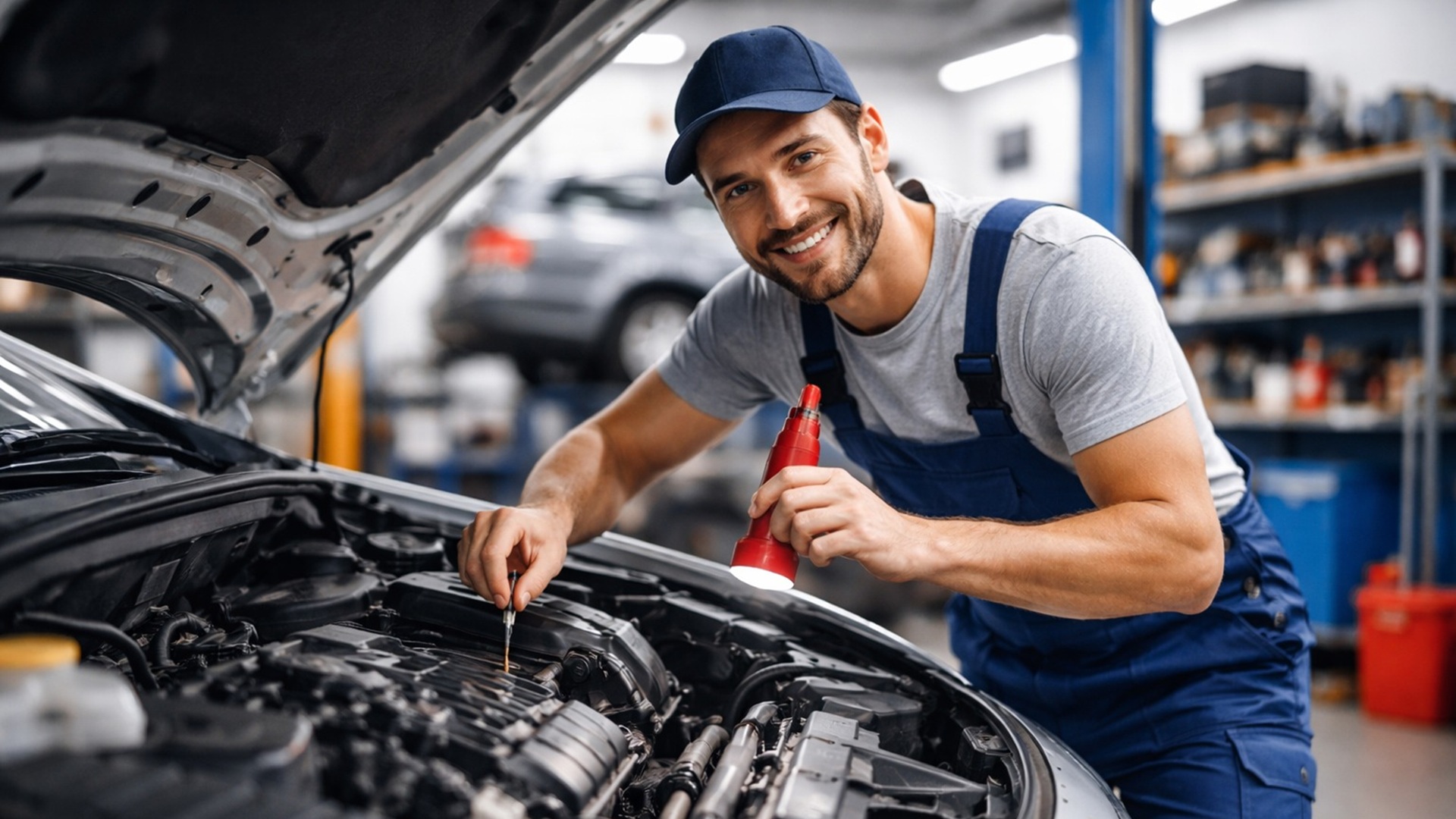
Simple Care in Daily Car Use, Such as Waiting for Ignition Reading, Warming Up the Engine, Turning Off Equipment Before Stopping the Vehicle, and Following Basic Maintenance Can Reduce Mechanical Wear, Preserve Components, and Decrease Visits to the Shop or Mechanic
Avoiding frequent visits to the shop or to the mechanic mainly depends on correct habits in daily car use and basic maintenance care. Simple procedures can reduce wear, prevent failures, and increase the durability of the vehicle’s main components.
Drivers who adopt proper routines when starting, using, and turning off the car tend to better preserve the engine and mechanical systems. Combined with basic preventive maintenance, these practices reduce the likelihood of failures that require repairs.
The sequence of practices begins even before starting the vehicle and continues throughout its use. With some simple procedures and attention to periodic maintenance, it is possible to significantly reduce the chances of needing to go to the shop.
-
5 cheapest used cars than a Honda CG 160 Titan 0 km, with options starting at R$ 13,000 for those who want to trade their motorcycle for a car and escape the rain, sun, and risks of riding.

-
Around R$ 24,000: 4 used Ford SUVs with up to 253 hp, V6 engine, all-wheel drive, 7 airbags, panoramic sunroof, and a complete package that surprises with its price and performance in Brazil.

-
A brand new car starts at around R$ 75,000 in Brazil, but what stands out the most is seeing streets filled with SUVs and expensive sedans in a country where millions remain in debt.

-
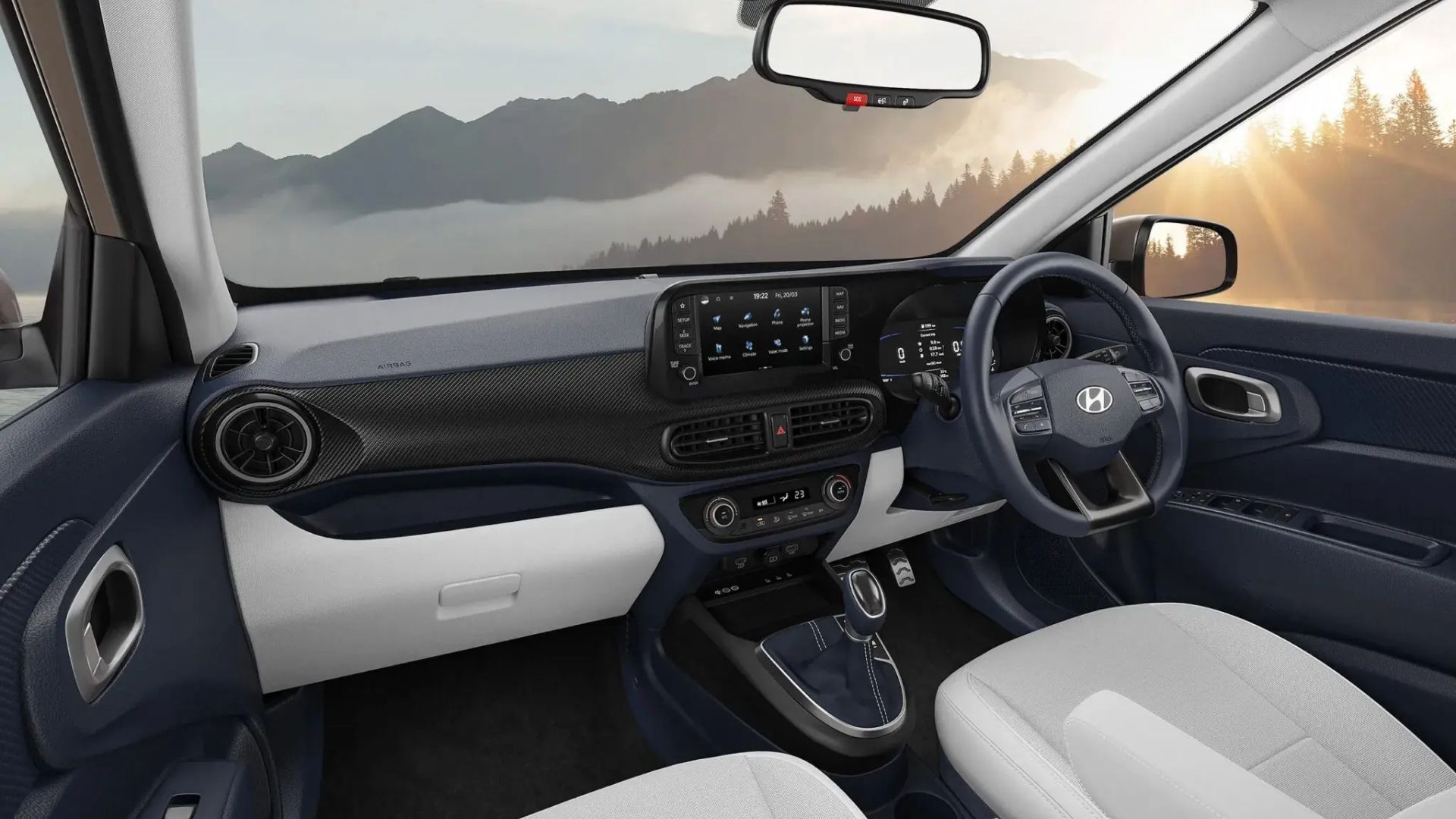
For R$ 32,000, a brand new Hyundai car is a rival to the Kwid with a 1.2 engine producing 82 hp, 6 airbags as standard, multimedia with wireless Android Auto, up to 391 liters in the trunk, and a refreshed look for 2026 in India.

Care When Starting the Car Helps Avoid Mechanical Problems
One of the first cares to keep the vehicle away from the shop begins at the moment of engine start. When inserting the key into the ignition, the driver should turn it only to the ignition position and wait for the dashboard to finish the electronic readings.
This time allows the injection system to identify important information, such as engine temperature, ambient temperature, and system pressure. Only after the dashboard lights turn off is it recommended to complete the vehicle start.
After starting the car, it is also not advisable to leave immediately with the vehicle in motion. The engine should remain idling for a few moments to start the proper warming up.
This procedure helps the engine reach its ideal operating temperature. With this, the internal clearances remain within the correct range, favoring efficiency and reducing wear on the parts.
Gradual Engine Warming Preserves Internal Components
Some vehicle manuals recommend keeping the engine idling for about 45 seconds to up to 1.5 minutes.
This period contributes to the proper lubrication of components and balanced system operation.
After this initial time, the ideal is to drive the car at lower revs during the first minutes. Avoiding revs above approximately 3,000 RPM allows the warming up to occur gradually.
This care reduces internal wear and favors fuel consumption. The engine starts to work within the correct temperature and operating range.
By respecting this process, the driver reduces the risk of damage that could lead the car to the mechanic for premature repairs.
Correct Way to Turn Off the Car Protects the Electric System
Electrical problems are among the most common causes that bring vehicles to the mechanic. In many cases, these failures arise due to premature battery wear.
Before turning off the car, it is recommended to turn off all electrical equipment. Among them are the air conditioning, sound system, and other devices that consume power.
By reducing electrical consumption before engine shutdown, the driver avoids overloading the battery. With repeated use over time, this practice helps preserve the lifespan of the component.
In vehicles used in more severe conditions, such as high revs or elevated temperatures, some manuals recommend waiting a few minutes at idle before turning off the engine.
In turbo engines, this time may reach five minutes. This procedure helps reduce the temperature of the lubricant and the turbine, contributing to preserve the system.
Simple Maintenance Avoids Frequent Visits to the Shop
Some basic checks help avoid problems that could take the vehicle to the shop. One simple example is maintaining the correct tire pressure.
The proper pressure helps preserve both the tires and the suspension components. Vibrations caused by incorrect pressure can affect parts such as ball joints, control arms, and tie rods.
The recommendation is to check the tire pressure at nearby gas stations or use portable gauges at home. The correct pressure is usually indicated in the vehicle manual or on labels present in the car.
Another preventive measure involves using fuel additives. These products help clean or maintain the injection system, reducing the possibility of fuel-related failures.
Proper Oil Change Ensures Greater Engine Durability
Among the most important maintenance tasks is the oil change. Three factors should be observed in this process: oil base, viscosity, and indicated performance level.
The recommendation is to always use oil with specifications equal to or higher than those indicated by the manufacturer. Viscosity should not be altered, but the performance level can be higher.
Higher-performance oils provide greater protection against oxidation, wear, and internal residue formation. This contributes to the more efficient operation of the engine.
When the lubricant meets or exceeds the recommended specifications, the engine tends to experience less friction and greater durability.
Tire Rotation and Alignment Preserve Suspension and Steering
During periodic maintenance, such as oil changes, it is advisable to perform tire rotation. This procedure helps distribute wear evenly among all the vehicle’s tires.
When wear occurs uniformly, tires tend to last longer. Instead of frequently replacing only two tires, the driver can extend the lifespan of the complete set.
Another important care is the alignment of the suspension. Correctly adjusting the convergence, divergence, camber, and caster angles avoids irregular wear and improves vehicle behavior.
Additionally, proper alignment reduces unnecessary strain on suspension and steering components. This contributes to preserving important pieces of the system.
Preventive Filter Replacement Protects the Injection System
The periodic replacement of filters is also part of the preventive maintenance that helps avoid mechanical problems. The fuel filter is an important example in this process.
This component prevents impurities present in the fuel from reaching the injectors and the fuel pump. The average replacement recommendation is around 15,000 kilometers.
In situations of intense urban use, this replacement may occur sooner, around 10,000 kilometers. The higher the fuel consumption, the greater the saturation of the filter tends to be.
The air filter also requires attention. Using compressed air to clean it can damage its structure and allow impurities to pass into the engine.
These particles can contaminate the lubricant and increase internal wear of the engine. Therefore, replacement within the recommended interval is the safest alternative.
Transmission and Steering Fluid Replacement Is Also Important
Another often overlooked point in preventive maintenance involves transmission oil. Even when some manuals indicate that replacement is not needed, checking this fluid remains important.
The same applies to vehicles equipped with hydraulic steering. Complete fluid replacement helps maintain the proper operation of the system.
A partial oil change does not fully resolve maintenance. Total replacement ensures better efficiency and greater durability of the components.
Following these care practices helps preserve the vehicle and reduce the likelihood of mechanical failures. Small usage and preventive maintenance practices can prevent damage and decrease the need to take the car to the mechanic or the shop.









-

Uma pessoa reagiu a isso.