





 Portuguese
  English
  Spanish
  5 min of reading
  0 comments


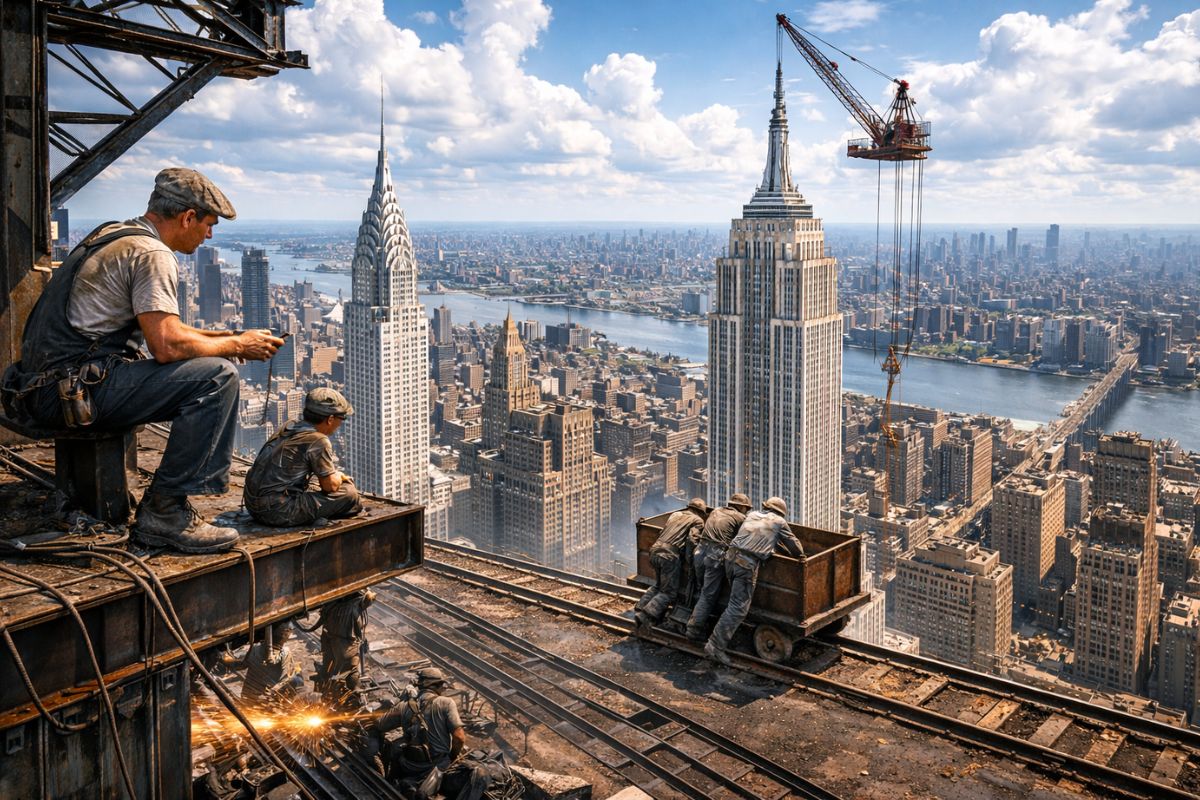
Empire State was born from the dispute with Chrysler, accelerated the work with tracks and mini trains, bet on Mohawk workers and gained a mast that became legend
The Empire State became a symbol of New York, but its real story seems impossible: a 102-story building, erected in 13 and a half months, in the midst of the 1929 crash, with banks closing, factories going bankrupt, and one in four Americans unemployed.
And it wasn’t just a quick construction. The Empire State was born from a direct rivalry with Chrysler, carried bold decisions at the top of the project, and ended up as the setting for one of the most famous scenes in world cinema.
The worst crisis in the country and the decision to build the impossible

October 1929. The stock market collapses and the atmosphere turns to despair: banks closing, families losing everything, lines for food, unemployment skyrocketing. It is in this scenario that the idea that no one wanted to finance appears: to raise the tallest building in the world in New York.
-
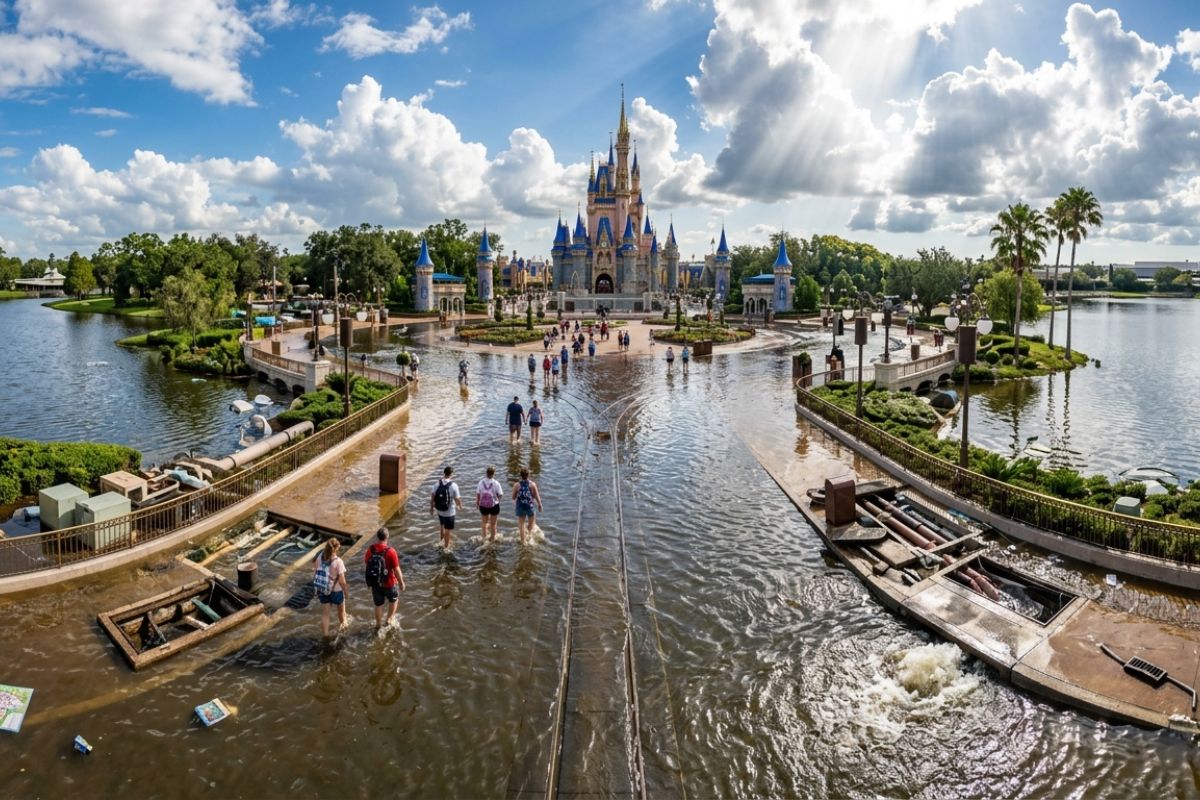
Disney spent $25 billion to tame the swamp, but the Magic Kingdom floods with knee-deep water: tunnels, pipes, and giant lakes exist, but the drains get clogged in the right storm.
-
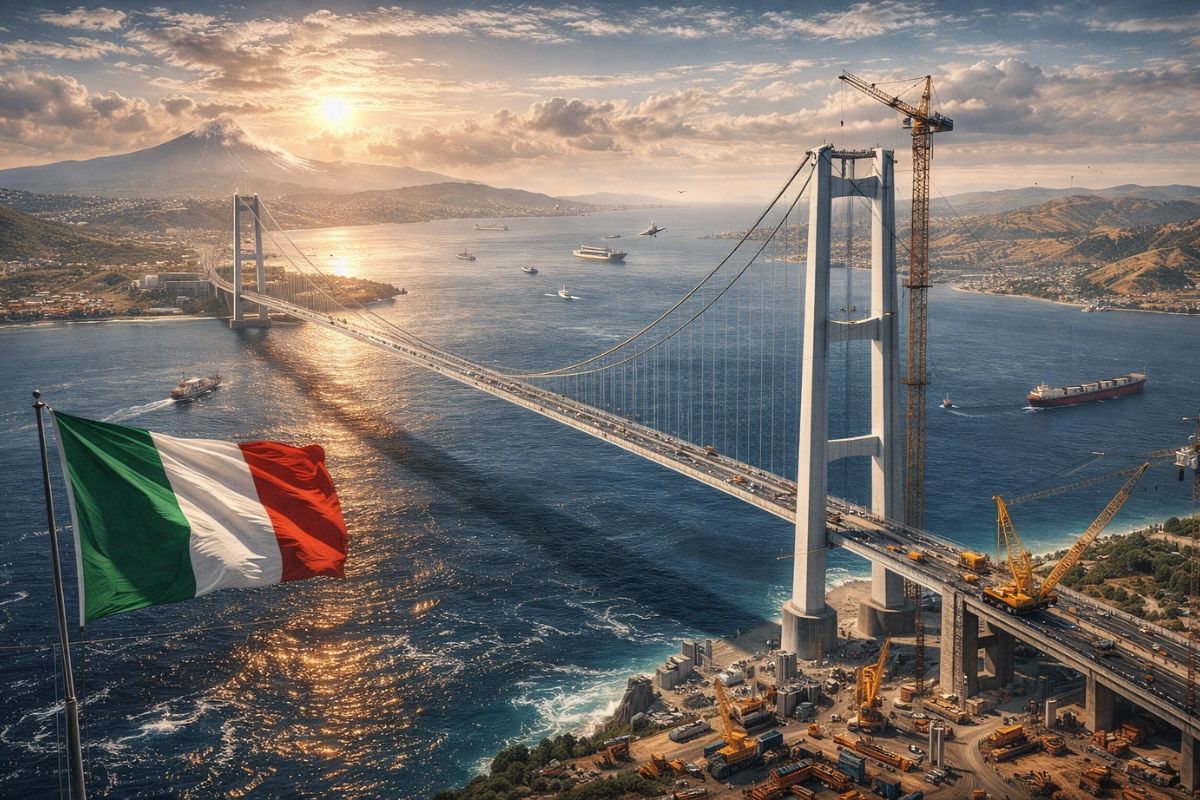
Italy is spending 16 billion dollars to build the largest suspension bridge in the world right over two active geological faults where monsters from Greek mythology had already warned about the dangers of the Strait of Messina.
-
Small house with natural light becomes a trend in sustainable architecture and shows how smart designs reduce energy consumption and enhance comfort in compact spaces.

-
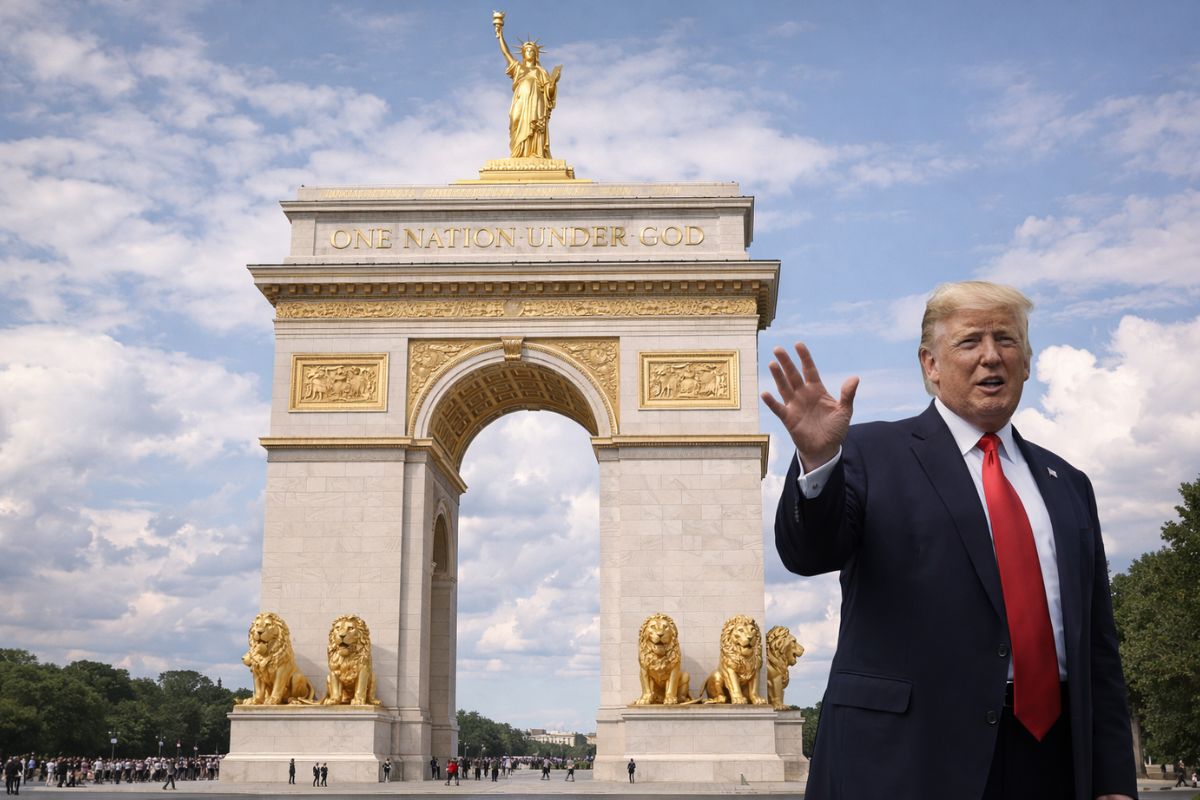
Trump revealed today the design for the world’s largest triumphal arch, standing 76 meters tall, more than double the height of the Lincoln Memorial, with a golden Lady Liberty on top, four golden lions at the base, and the inscription “One Nation Under God” engraved in gold. When asked who the monument was for, he replied, “for me.”
The most surprising point is the spirit of the project. The logic was not to wait for the economy to improve, but to build first.
For financier John Rascob, the question “how to rent all this with the country going bankrupt?” went unanswered at the time, but the work did not stop because of it.
Empire State against Chrysler: the silent race for the top

The Empire State did not come out of nowhere. It was born from a dispute. On the other side of the city, the Chrysler Building was rising with the same goal: to be the tallest building in the world. No one spoke officially, but everyone understood the game.
The Chrysler made a bold move: it hid a metal structure and installed it on top at the right moment, stealing the title for a short period.
The response came in the same style: the Empire State also placed a mast on top to reclaim the title and settle the dispute.
13 and a half months: how the work ran faster than planned
The schedule was already tight and anticipated 18 months. Even so, the work finished in 13 and a half months, about 410 days, with thousands of people on site daily.
The image is almost cinematic: you arrive early and already have 3,400 workers working on different stages at the same time.
And this pace did not depend only on will. The work became a vertical production line: metal structure at the front, concrete pouring a few floors down, masonry further down, and electrical and plumbing following right after.
The Mohawk workers and the work where no one wanted to be
A detail sustains much of the pace and risk: the presence of Mohawk workers in the most dangerous parts, especially in structural steel work.
The base describes how they were seen walking on the beams with ease, at heights that would scare anyone.
This is linked to childhood habits and balance as a daily practice. In practice, it was a workforce accustomed to a type of height and instability that made the work faster exactly where it was most risky.
Riveting hundreds of meters up: the “industrial dance” without protection


The base describes riveting as a chain process: heating the rivet, throwing it, catching it in the air, positioning it and hammering, all happening at height, without a belt, without a helmet and without modern safety standards.
The text also brings the most shocking data: the official number of deaths during construction was five. For a project of this size and in this context, it is a number that always provokes discussion.
Tracks and mini trains inside the site: the logistics that kept the pace

Building is one thing. Getting the material there is another. The base mentions 10 million bricks and about 300 km of piping, in addition to large volumes of structure and supplies. The chosen solution was simple and efficient for the time: installing train tracks inside the site itself.
With this, mini trains ran through the floors carrying material from one side to the other. The work gained an internal “circulatory system”, which avoided wasting time and maintained the cadence.
The mast: the dirigible plan that became a symbol, but never worked
The original project was a simpler top. The mast came in later as a bet: at a time when zeppelins seemed the future of transportation, the idea was to create a “terminal” at the top, with a planned internal space, including a room on the 13th floor that still exists today.
The base is straightforward: an expert consulted warned about irregular winds and collision risks, and the plan did not materialize.
The famous “photo of the dirigible on top” is treated as a montage, and the real attempt would have been limited to lowering a package and leaving. Later, this mast gained another function: it became a television antenna in Manhattan.
How the Empire State became the scene of King Kong
Even before the Empire State existed, director Merian Cooper had a fixed image: a giant gorilla on top of the tallest building in the world fighting against planes. It just lacked one detail: what would that building be?
When the Empire State opened imposing, at 443 m tall, it became the perfect answer. King Kong premiered in March 1933 and exploded in success.
The base also highlights that the film was shot in a studio, with miniatures, airplane models, and frame-by-frame techniques.
And there is a symbolic gesture that closes the cultural arc: in 2004, with the death of actress Fay Wray, the Empire State turned off its lights for 15 minutes in tribute.
The building ready and the shock of the “emptiness” in the real economy
The inauguration came with force: on May 1, 1931, President Hoover turned on the lights remotely. However, the economic reality hit soon after.
The Empire State remained empty for years, became the target of the nickname “Empty State Building”, and it took time for the market to catch up with the ambition.
Even so, the base points to the turnaround: visitor revenue, high occupancy rate, and significant tenants. The building crossed decades and continued as a machine for attention, tourism, and business.
If it were today, do you think that it would be possible to replicate an Empire State in 13 and a half months, or did this speed only happen because the time accepted a level of risk that would be unthinkable now?







Seja o primeiro a reagir!