





 Portuguese
  English
  Spanish
  4 min of reading
  0 comments


Iconic Models Quietly Disappeared In 2025, Affecting Everything From The Luxury Market To Popular Compacts.
The Brazilian automotive market experienced a scenario of strong contrasts in 2025. While new technologies and investments arrived forcefully, 11 cars discontinued in 2025 in Brazil were taken off the market without much publicity, surprising consumers and even collectors.
This information was confirmed by the News Motor portal, which closely follows the sector.
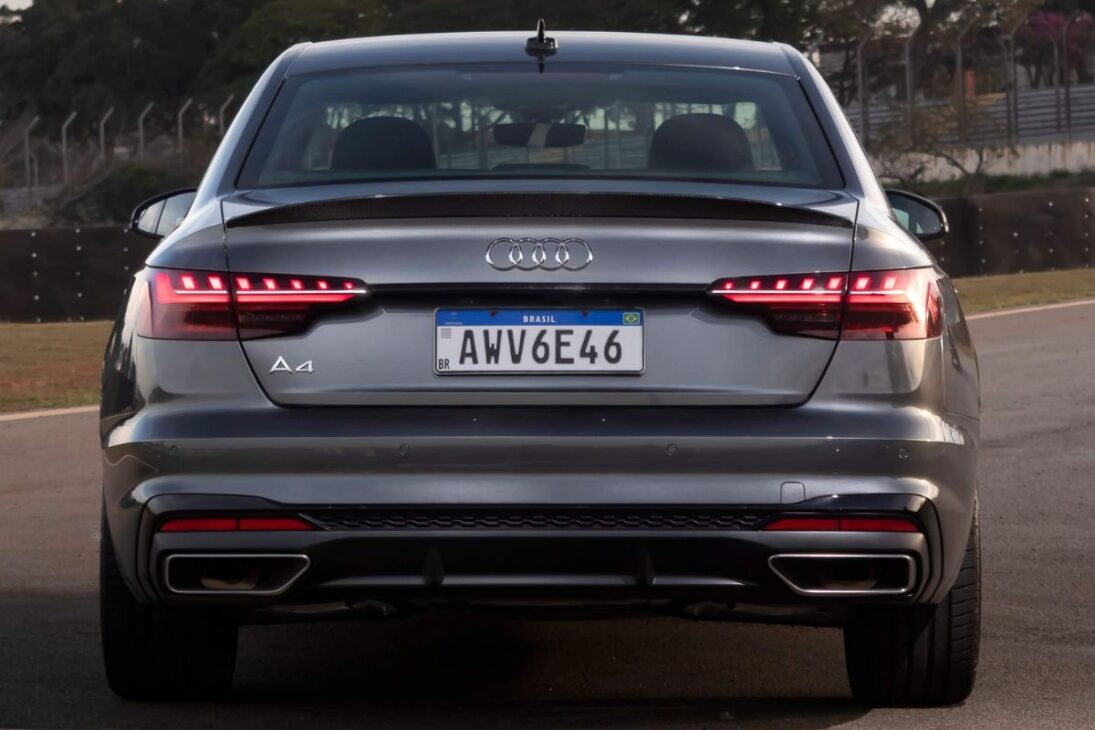
Among the models that said goodbye are heavyweight vehicles, such as the Audi A4, a premium sedan that made its mark in the luxury segment, and the entire range of SUVs from Jaguar.
-
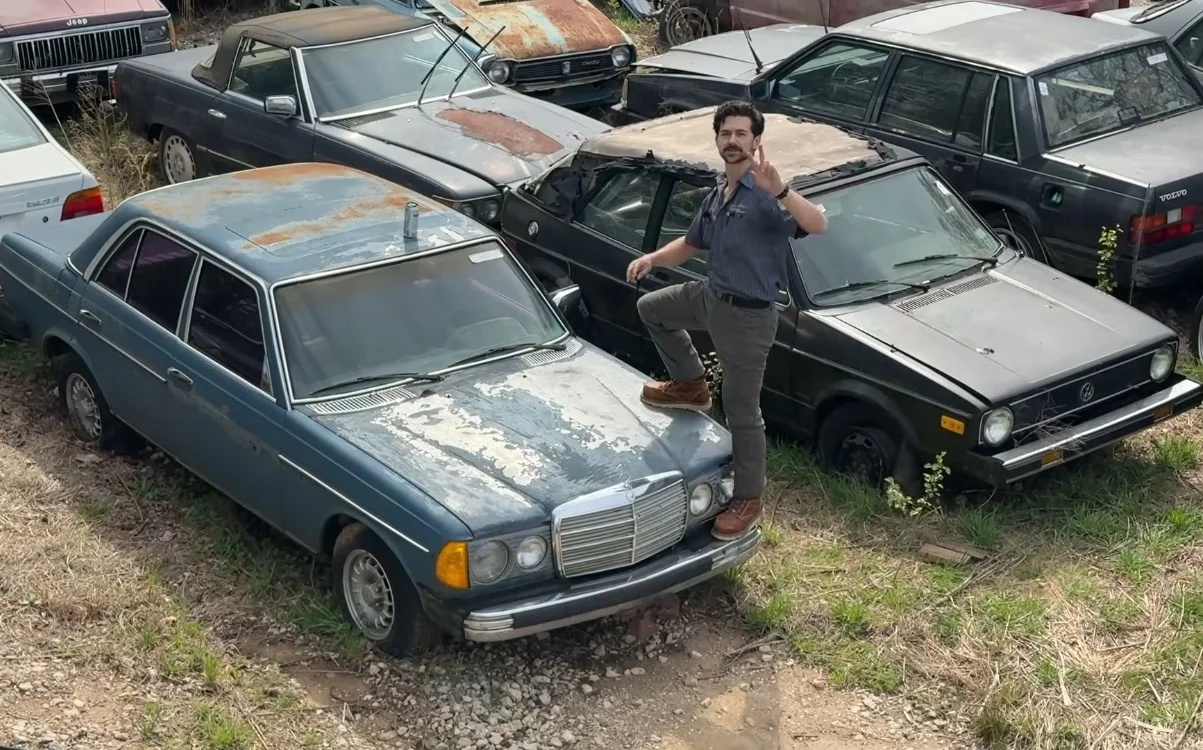
Man finds over 200 rare cars abandoned on a lot and tries to do the impossible in 8 hours with a surprise at the end.
-
An irregular parking case gains attention after a Mercedes Classe A was removed in such a strange way that it even raised doubts about damage to the car.

-
Costing R$ 16,000, the new Yamaha features a 125 cc hybrid engine with electric assistance, delivers 8.3 hp, includes ABS, optimized fuel consumption, Y-Connect connectivity, 25 liters of storage space, and a surprising 4-year warranty in the urban segment.

-
OMODA & JAECOO grows in Europe in 2026 with an integrated strategy of sales, innovation, local production, and technological advancement in the United Kingdom, Italy, and Spain.


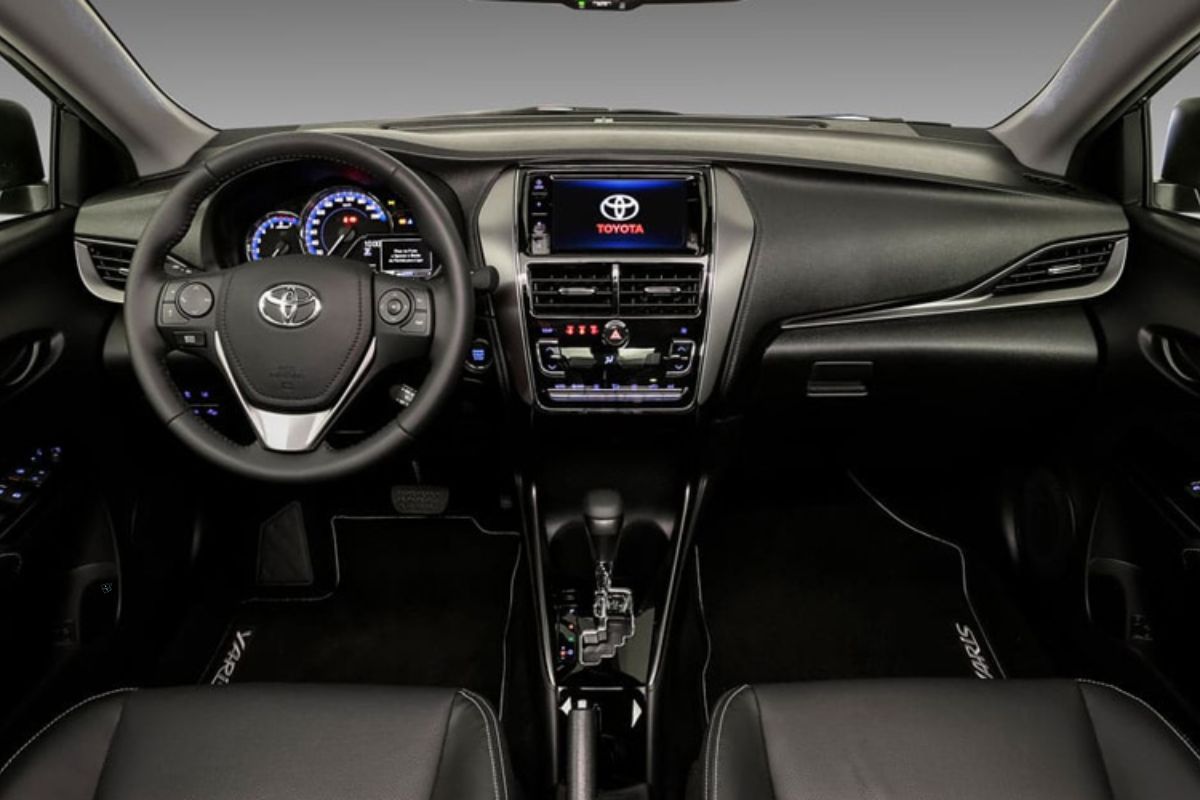
In addition to them, traditional versions such as the Jeep Compass diesel and the compact Toyota Yaris hatch and sedan also ended their journey.
The departure of these cars shows that the year was one of significant changes in the strategy of automakers.
What Cars Were Discontinued In 2025 In Brazil?
According to News Motor, the list of cars discontinued in 2025 in Brazil includes 11 confirmed models.
The Audi A4 was quietly withdrawn, leaving a gap among mid-range luxury sedans.
The Jaguar ended the sale of its SUVs E-Pace, F-Pace, and I-Pace, following a global decision by the brand.
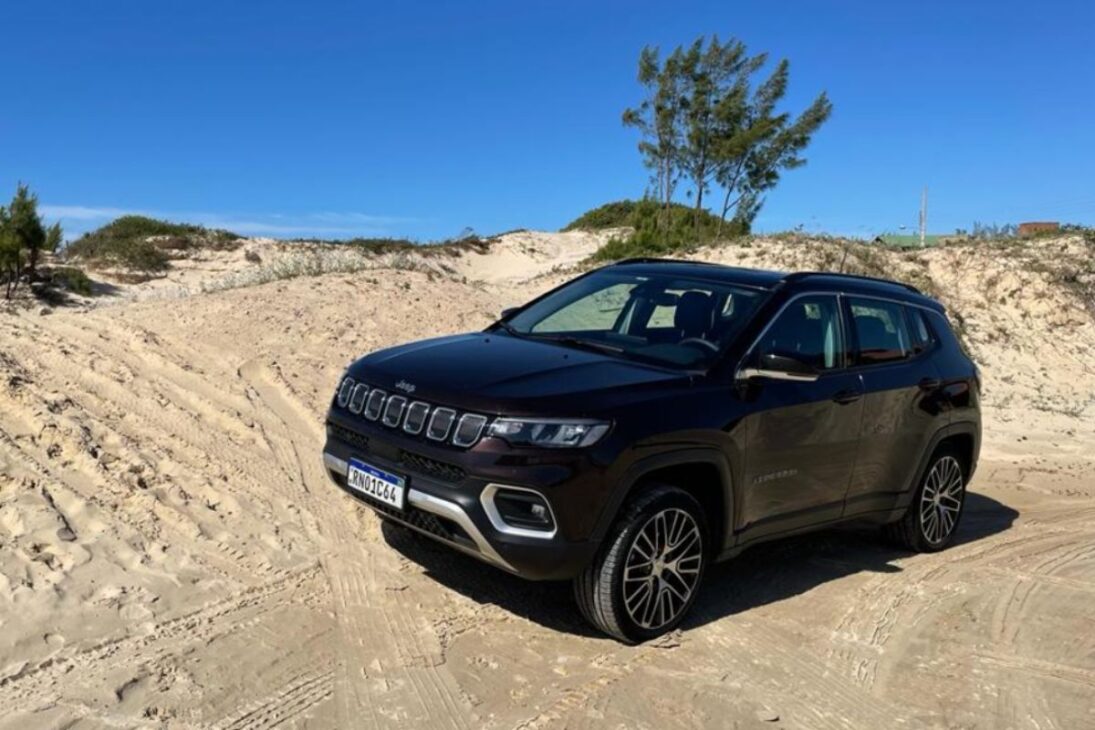
Another highlight is the Jeep Compass diesel, which lost ground due to stricter environmental requirements and the new line of flex and hybrid engines.
The Renault Stepway, known as the adventurous version of the Sandero, also ceased production after a long trajectory in the country.
Among the Chinese brands, the electric Seres 3 and Seres 5 were discontinued due to low competitiveness.
Meanwhile, Toyota opted to remove the Yaris hatch and sedan, focusing on growing its SUV lineup.
The list is completed by the Volkswagen Polo GTS, a sporty hatch that targeted a young audience but ended up lacking a market space.
Why Were These Models Discontinued?
The reasons vary according to each manufacturer.
In Jaguar’s case, it is a global repositioning strategy, as the brand will prioritize electrification.
For the Jeep Compass, the discontinuation of the diesel version reflects both environmental pressure and the search for cost reduction in production.
For Toyota, on the other hand, followed the trend of the Brazilian market, where SUVs have become the protagonists and left little space for sedans and compact hatches.
News Motor also highlights that, in the case of Chinese models like Seres and Neta, the difficulty in maintaining an active dealership network and consistent sales was decisive.
Vehicles like the Polo GTS and the Stepway struggled with internal repositioning of automakers and low demand.
Are There Other Cars At Risk?
In addition to the cars discontinued in 2025 in Brazil, there are others at risk of leaving the market.
The Kia Stonic is expected to exit due to non-compliance with Proconve L8, while the Chinese electric Neta Aya and Neta X face a severe financial crisis.
The Subaru Forester will also have its sales ended following a decision by Caoa, and the Suzuki Jimny Sierra is expected to disappear once current stocks are exhausted, as it does not meet the new environmental rules.
These potential departures show that the list may grow even further in the coming months, reinforcing the idea that the Brazilian market is undergoing a phase of accelerated transition.
Is It Worth Buying A Discontinued Car?
This is the question many consumers ask. Experts consulted by News Motor explain that buying a car that is out of production can be advantageous in terms of price, but attention is necessary.
Depreciation is higher, the supply of parts may become limited, and resale in the future tends to be more challenging.
On the other hand, in cases like the Audi A4 or the Polo GTS, there is a chance of appreciation among collectors, especially for well-preserved units.
For everyday use, however, opting for models that are still available in the market may be safer, especially if the goal is resale in a few years.
The decision, therefore, depends on the buyer’s profile: whether they seek lower immediate costs or aim to keep the car for the long term.
Impact On Consumers And The Market
The year 2025 laid bare the weight of strategy changes by automakers in Brazil.
SUVs and electrics dominated the showcase, while classic or less profitable models fell by the wayside.
This shift directly affects consumers, dealerships, and even independent workshops, which need to adapt to the new mix of vehicles.
According to News Motor, this trend is expected to intensify.
Entry-level compact cars and low-volume sporty versions are at risk, as manufacturers’ priorities are focused on more profitable segments.
The Brazilian consumer, who previously had more diverse choices, now faces a market more concentrated in medium and compact SUVs.
The list of cars discontinued in 2025 in Brazil shows that the automotive market is undergoing a true restructuring.
While some consumers lament the departure of traditional models, automakers are betting on new directions aligned with global trends. This transformation brings opportunities and risks for buyers and sellers alike.
And you, what do you think of these changes? Would you have the courage to buy a car that just went out of production? Do you believe this could depreciate or even appreciate in the future? Leave your opinion in the comments—we want to hear from those living it in practice.








-

Uma pessoa reagiu a isso.