





 Portuguese
  English
  Spanish
  5 min of reading
  17 comments


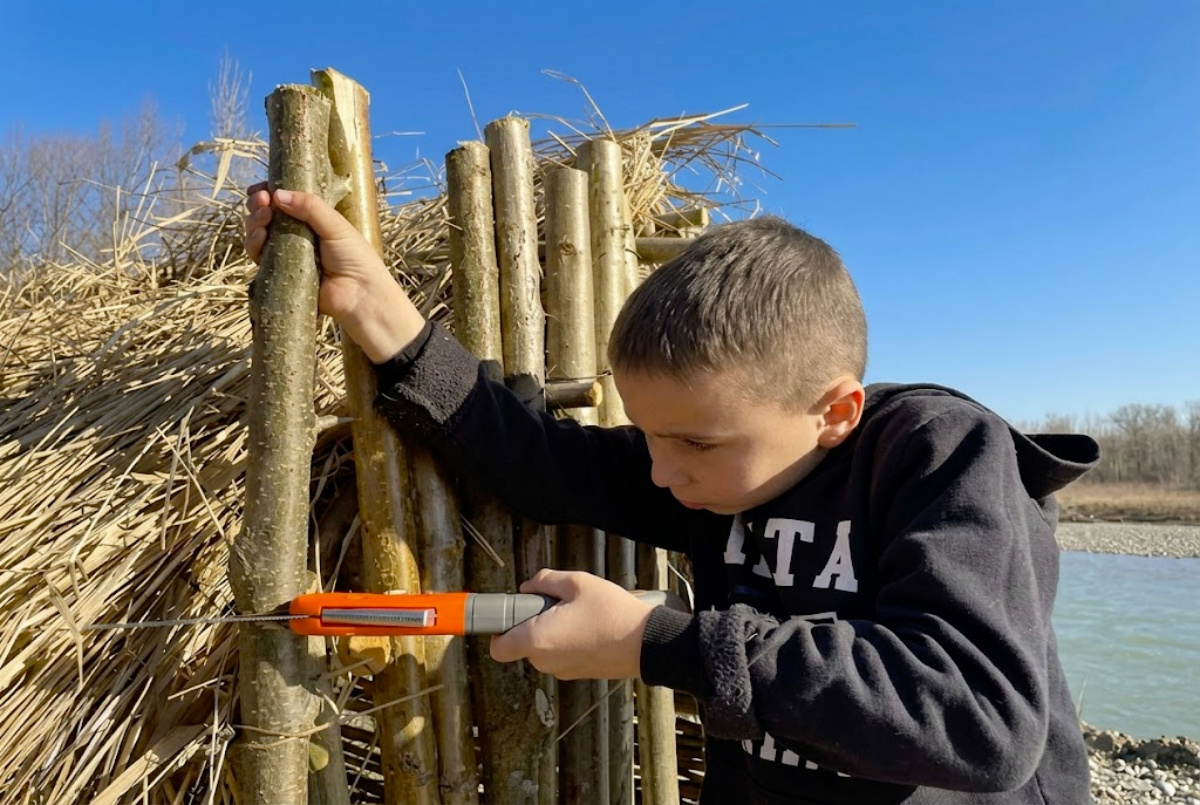


A 12-Year-Old Boy Builds His Own Cabin With Dry Branches And Small Tree Wood By A Creek And Shows, With Great Talent, How A Simple Construction Technique Can Transform Irregular Land Into Functional Shelter
A 12-Year-Old Boy Surprises By Building His Own Cabin With Dry Branches And Small Tree Wood On A Plot Covered By Dry Vegetation, Next To A Creek. No Machines, No Ready-Made Structure, He Starts The Construction With What He Finds In The Environment And Ends Up With A Closed, Sturdy Shelter That Is Visually Organized.
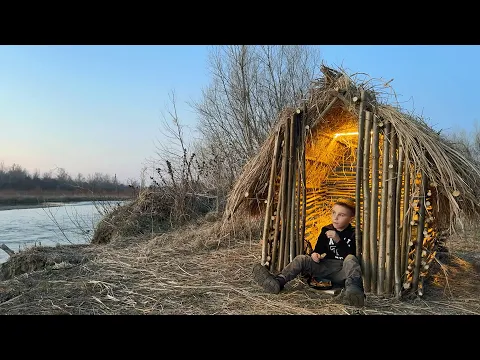

The Initial Scene Shows Irregular Soil, Scattered Branches, And Long Stems Removed From Thin Trees That Resemble Bamboo. Gradually, These Pieces Gain Function. They Become Walls, Support, Roof, And Even Internal Covering.
The Result Is Simple, But Captivating Due To The Logic Of The Assembly. Each Part Has A Defined Position. Nothing Appears Loose. The Construction Of The Cabin Is Born From The Repetition Of Joints And The Careful Selection Of The Woods.
-
With 74% of companies facing difficulties in hiring, technicians and engineers in renewable energy are becoming scarce in Brazil and are essential to support the expansion of solar, wind, and green hydrogen projects.

-
The lack of welders, electricians, and operators becomes a structural threat in 2025, with the construction industry and manufacturing already suffering from delays, cost pressures, and labor shortages in Brazil.
-
Brazil and Paraguay are just 46 meters away from a historic union on the bioceanic bridge that promises to revolutionize trade between the Atlantic and the Pacific.

-
With 55 km over the sea, a cost of US$ 20 billion, and enough steel to build 60 Eiffel Towers, China’s largest project has connected Hong Kong, Zhuhai, and Macau in a colossal bridge that defies the logic of engineering.


Vertical Structure With Small Tree Wood Creates The Base Of The Cabin
The First Step Of The Construction Is To Stake The Thicker Stems, Removed From Small Trees On The Site, Into The Ground. They Are Positioned Side By Side, Forming An Aligned Front Wall.
These Long And Straight Pieces Function As Vertical Pillars. The 12-Year-Old Boy Presses Each One Against The Ground Until They Are Firm. The Proximity Between Them Reduces Openings And Clearly Defines The Shape Of The Entrance.
This Construction Base Completely Changes The Scene. What Was Just An Open Area Now Has A Visible Structural Outline. The Cabin Begins To Gain Identity.
The Regularity Of The Alignment Shows Care. These Are Not Just Random Branches. They Are Organized Elements With Intent.

Inclined Frame With Dry Branches Defines The Shape Of The Cabin And The Boy’s Genius In Construction Impresses
After Assembling The Front Part, He Positions Longer Branches Inclined Backward, Creating The Triangular Shape Of The Cabin. This Inclination Provides Height At The Entrance And Reduces At The Rear.
The Dry Branches Are Resting On Each Other, Forming A Kind Of Skeleton. The Wood From Small Trees Is Used As The Main Axis, While Thinner Stems Complete The Lateral Closure.
The Inclined Structure Allows The Natural Covering To Be Distributed Evenly. The Weight Is Spread Across The Support Points Already Fixed To The Ground.
This Shape Does Not Arise By Chance. Experts In Rustic Construction Explain That The Triangular Design Is One Of The Most Stable When Working Solely With Joints And Gravity.
Roof With Straw And Dry Vegetation Transforms Branches Into A Closed Shelter Building
With The Frame Ready, The Boy Starts To Cover The Cabin With Dry Vegetation Collected From The Surroundings. He Positions Bundles Of Straw Over The Inclined Branches, Layer By Layer.
The Straw Spreads From Top To Bottom. This Creates A Natural Overlap Between The Fibers And Reduces Open Spaces. The Interior Becomes Progressively Less Exposed.

The Wood From Small Trees Disappears Beneath The Covering, And The Cabin Gains A Compact And Enclosed Appearance.
The Density Of The Straw Shows That It Was Not Placed Randomly. The Boy Has Talent, And There Is Sufficient Thickness To Block Direct Light In Several Points.
Construction Involves Internal Covering With Thin Branches That Improves Stability
Inside The Cabin, The Work Continues. The Boy Fits Thinner Branches Horizontally Between The Vertical Stems Of The Front Wall.
These Branches Create An Internal Weave, Almost Like A Simple Braiding. The Wood From Small Trees Gains Additional Structural Reinforcement.
The Effect Is Twofold. The Wall Gains More Rigidity And The Interior Becomes Visually More Closed. The Cabin With Dry Branches Stops Being Merely An External Shelter And Gains Internal Finishing.
This Detail Is Important. It Does Not Limit Itself To Raising The Structure, It Reinforces The Points That Support The Whole.
The Boy Plans So That The Floor Covered With Dry Vegetation Reduces Direct Contact With The Soil
The Soil Around Is Covered With Dry Vegetation Spread Manually. Inside The Cabin, This Layer Also Appears On The Floor.
The Straw Creates A More Even Surface Over The Irregular Ground. Direct Contact With The Soil Decreases.
This Simple Layer Changes The Functionality Of The Space. The Interior Becomes Usable For Sitting And Staying There For A While.
The Organization Of The Floor Shows That The Construction Does Not End At The Walls. He Thinks About The Use Of The Space.
Strategic Location Near The Creek Maintains Balance Between Access And Stability
The Cabin With Dry Branches Is Close To The Creek But Not Touching The Water. There Is A Visible Distance Between The Structure And The Flow.
The 12-Year-Old Boy Constructs At A Slightly Elevated Point Relative To The Bank. The Surrounding Vegetation Functions As A Natural Barrier.

This Choice Maintains Easy Access To Water Without Compromising The Stability Of The Ground Where The Stems Were Staked.
The Surroundings Reinforce The Simplicity Of The Project. There Is No Wide Cutting Of Vegetation. The Cabin Integrates Into The Environment.
In The End, What Impressed Is Not Just A 12-Year-Old Boy Building His Own Cabin With Dry Branches And Small Tree Wood. It Is The Logical Sequence Applied With Precision.
He Aligns, Angles, Covers, Reinforces, And Organizes. Each Step Serves A Clear Function. The Structure Is Simple, But The Result Is Harmonious And Functional.
And You, Would You Have The Patience And Skill To Build A Cabin With Dry Branches Like This? Do You Also Think The Boy Is Brilliant? Leave Your Comment And Share With Those Who Admire Handcrafted Rustic Constructions.








Parabéns, garoto!
De onde você é?
Trabalho digno de elogios, deve ter ficado horas na construção da sua cabana!
Discordo das criticas negativas!
Melhor esse menino estar aí se dedicando a construção de sua cabana , ocupado seu tempo, que ficar por aí aplicando atitudes negativas pra ele e pra sociedade!
Só digo uma coisa:- nunca pare seus estudos por nada!
Só vai contribuir pra seu futuro!
Você é de muita garra!!!
Parabéns por tudo!
Deus te proteja e abençoe sempre!♥️👏🌹
Grande **** eu com 12 anos eu construía um casa de termite e janela e piso
Só podem estar de brincadeira com esse tipo de notícias, fazer uma cabana tão rudimentar é brincadeira comum entres crianças amazonidas e creio eu de outras partes do mundo. Não vejo motivos para admiração. Kkkkk
Meu amigo isso fosse comum já tinha virado notícias. Estranho que até hoje nunca mostraram crianças fazendo cabanas com tanta engenhosidade. Me desculpa mas você tá errado ele merce ser reconhecido e elogios. A cabana é diferenciada.