





 Portuguese
  English
  Spanish
  5 min of reading
  1 comment


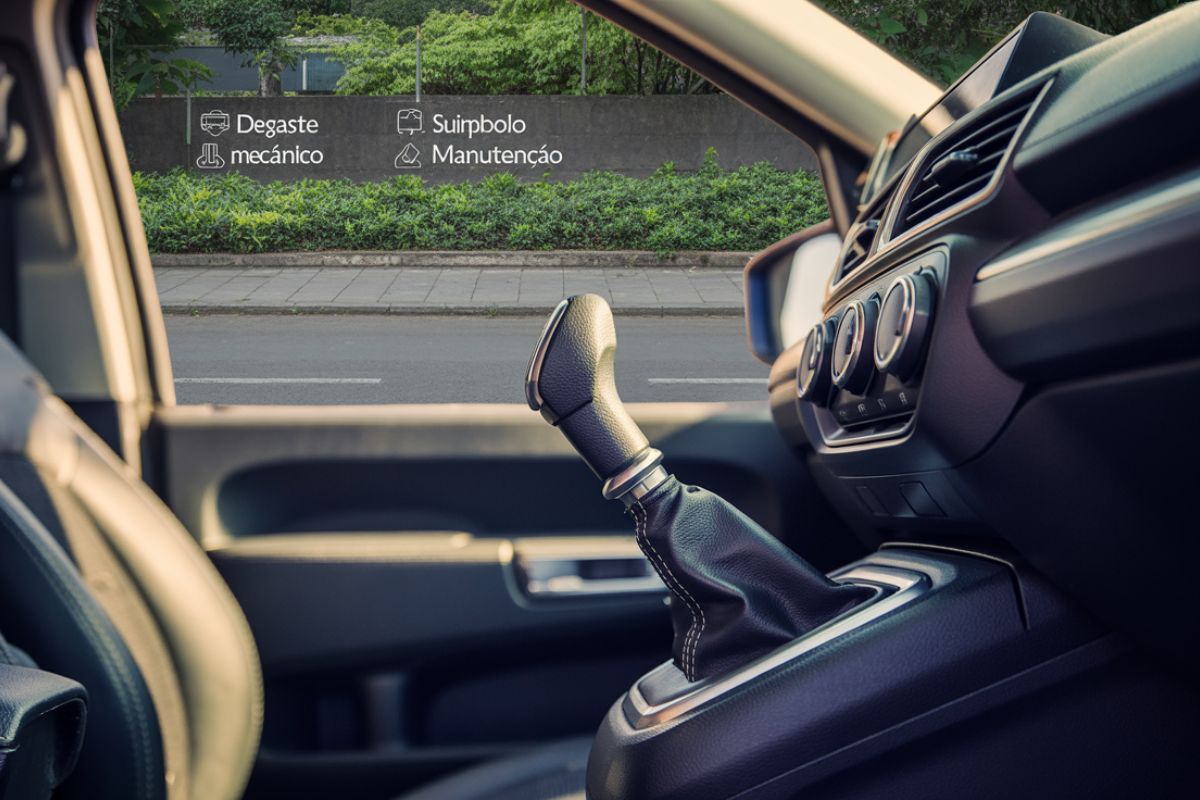


From Apparently Harmless Habits to Maintenance Oversights, Discover What the Biggest Mistakes in Automatic Transmission Are That Could Be Destroying Your SUV Without You Realizing It.
Many drivers believe that automatic transmission is an “error-proof” system, but the reality is quite different. Small driving vices and a lack of attention to crucial details can lead to premature wear and repairs that cost a fortune. Understanding what not to do with the automatic transmission of an SUV is the first step in ensuring the longevity and proper functioning of one of your vehicle’s most expensive and complex components.
This definitive guide reveals the biggest mistakes in automatic transmission you might be making unknowingly. From how you stop at a traffic light to how you tackle a flooded street, every detail matters. Adopting correct practices not only saves money but also ensures your safety and that of your family.
1. Driving with the Fuel Tank on Empty
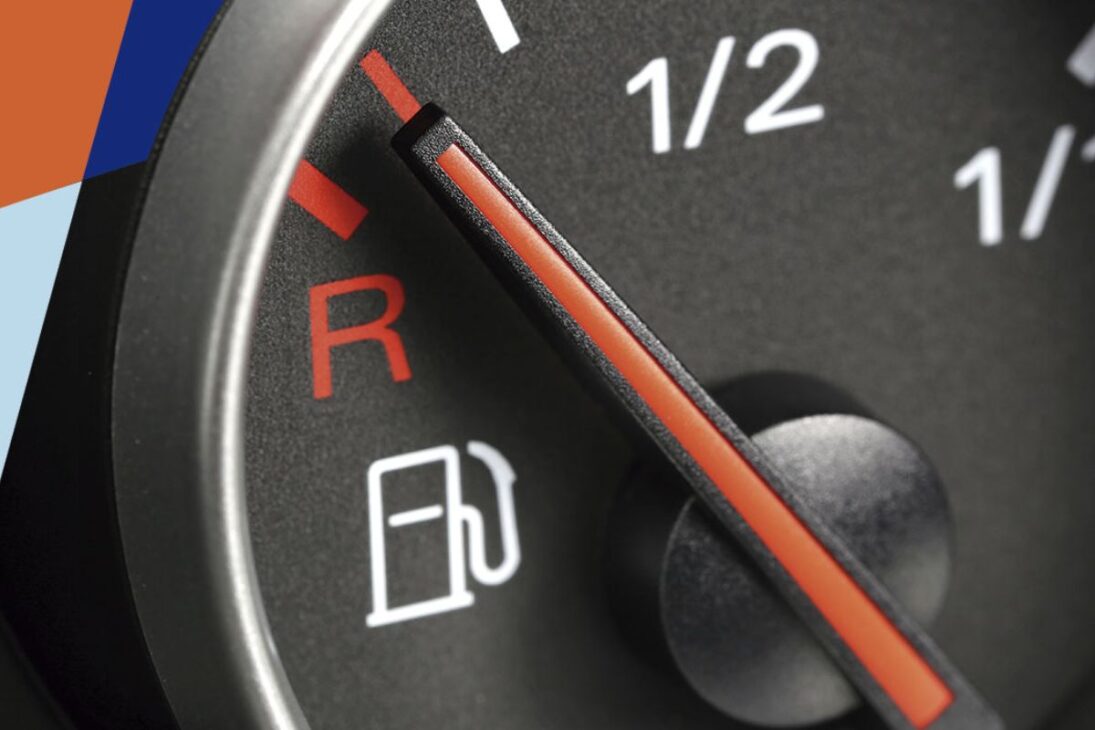
It may not seem obvious, but the fuel level directly affects the transmission. The fuel pump, located inside the tank, uses the liquid itself to cool down. Driving constantly on empty overheats the pump, accelerating its wear and possibly even burning it out. Additionally, impurities settled at the bottom of the tank are sucked in, clogging filters and harming the entire system.
-
Nikola Tesla said that intelligent people tend to have fewer friends, and now science partially confirms this: a study with over 15,000 people showed that for the more intelligent, socializing too much can even reduce life satisfaction.

-
A superyacht worth US$ 17 million is delivered in impeccable condition, sets out to sail, and hits a bridge in the Bahamas just two hours later.

-
Residents of Australia woke up to a sky completely red like blood before the arrival of Cyclone Narelle, which hit the coast with winds of 250 km/h, tearing off roofs and lifting iron dust in a scene they described as apocalyptic.

-
New 100% clean fuel produced in Brazil could retire diesel.
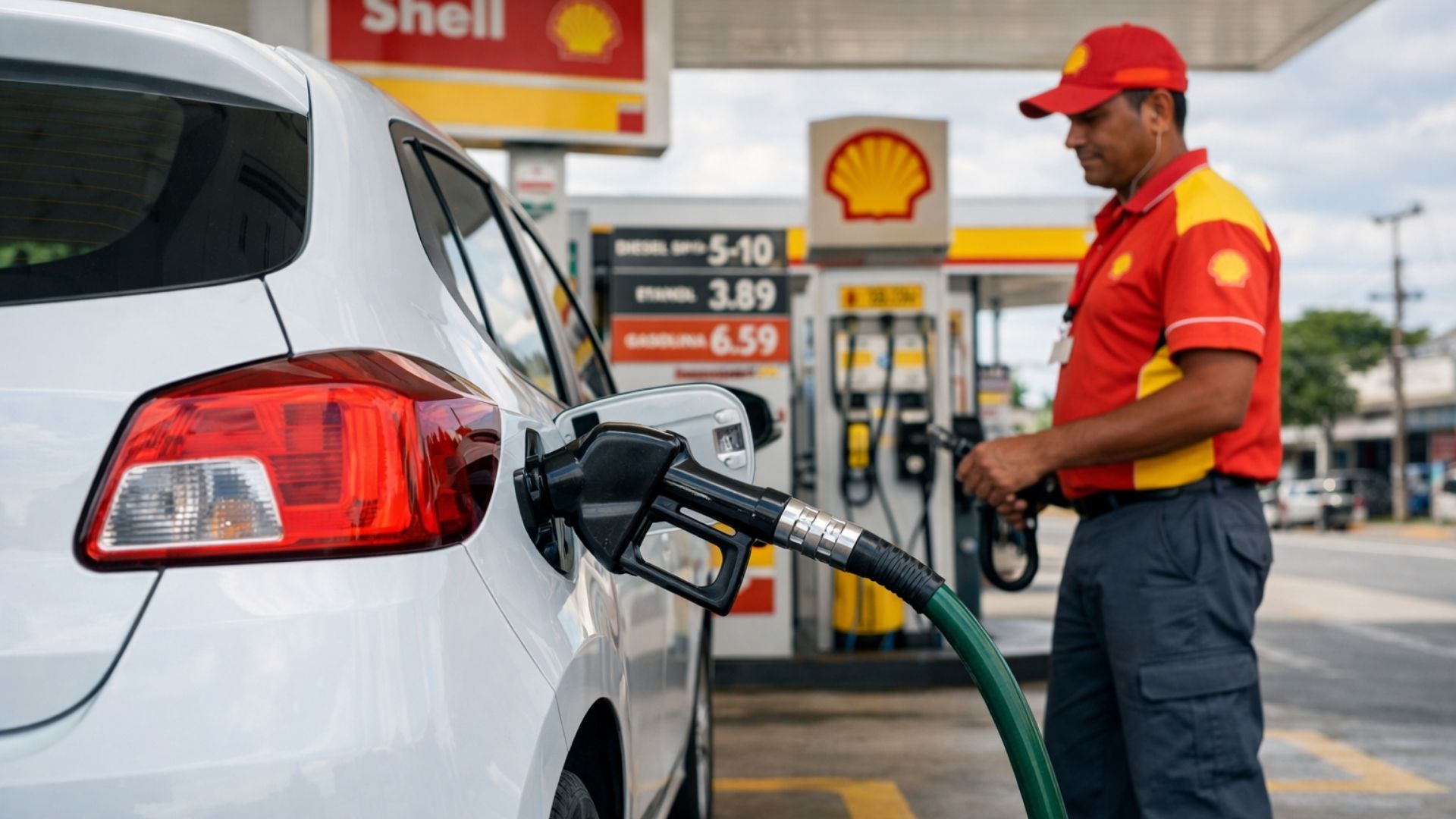

Tip: always keep the tank at least one quarter full.
2. Going Downhill in Neutral
This is one of the most dangerous myths and one of the biggest mistakes in automatic transmission. Thinking that putting the car in neutral (“coasting”) on descents saves fuel is an illusion. In modern cars, when engaged, the injection system cuts off fuel on the descent (engine braking). In neutral, the engine continues to consume fuel to stay running. Worse: you lose engine braking control, overload the brakes, and lack immediate throttle response during an emergency.
3. Facing Floods and Flooded Streets
Water is the number one enemy of automatic transmission. The transmission has vents to relieve internal pressure, and that’s how water can enter. When water mixes with transmission fluid, it creates a thick emulsion that deters the clutch plates and other internal components. The damage is often irreversible.
Golden Rule: if the water level is above halfway up the wheel, don’t take the risk. Turn around.
4. Keeping the Car in Drive During Long Stops
Staying in “Drive” with your foot on the brake at traffic lights or in traffic jams may seem harmless, but it’s not. This practice keeps the torque converter working, generating excessive heat inside the transmission. This overheating degrades the fluid and wears down internal components.
Solution: during stops longer than a minute, shift into Neutral (N).
5. Accelerating with a Cold Engine
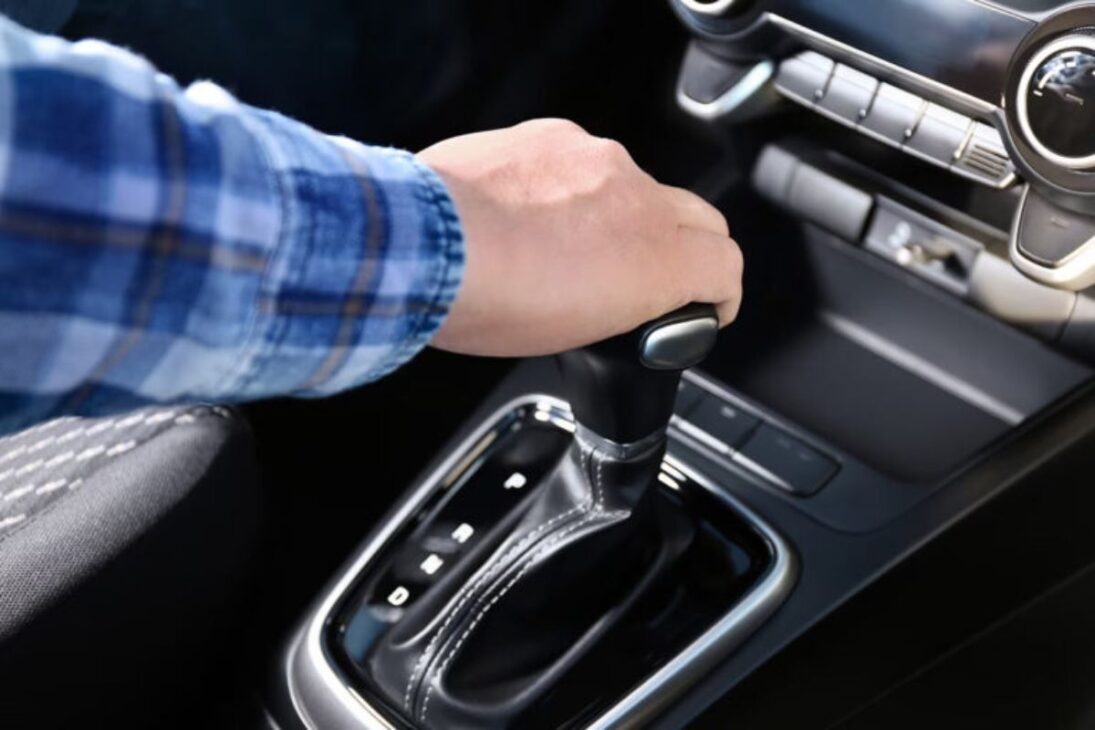
On cold days, the transmission fluid becomes more viscous. Accelerating suddenly right after starting the car forces internal components to work without ideal lubrication. This causes severe wear and can delay gear shifts.
Simple Care: start the car and wait one or two minutes before driving, allowing the fluid to warm up and circulate.
6. Resting Your Hand on the Gear Lever
The habit of resting your hand on the gear lever while driving exerts constant pressure on the selector forks and other delicate parts of the system. Although light, this continuous weight causes premature wear that can lead to play and imprecision in shifts over time.
7. Ignoring Dashboard Warning Lights
The dashboard lights are your car’s communication system. Ignoring them is one of the biggest mistakes in automatic transmission and in any other system. The transmission temperature light, oil pressure light, or battery light indicate serious problems that, if not addressed immediately, can lead to catastrophic and costly damage.
8. Turning Off the Car Outside the Park Position
Always put the gear in “Park” (P) before turning off the engine. Turning off in Neutral (N) or Drive (D) can damage internal components and, in older cars, allow the vehicle to move on its own. In modern models, safety systems usually prevent the key from being removed if the gear is not in P.
9. Hammering the Accelerator Constantly
Sudden accelerations put immense pressure not only on the engine but also on the entire transmission and suspension components. Turning this practice into a habit accelerates the wear of all parts and drastically increases fuel consumption.
10. Shifting into Park (P) While the Car is in Motion
Never shift the gear to “P” before the car is completely stopped. The “P” engages a locking pin that mechanically locks the transmission. Doing this while the vehicle is moving can break the locking pin, rendering the parking function useless and resulting in an extremely costly repair. If you hear a loud “clunk” when engaging P, it’s a sign you’re doing it too early.
11. Not Changing the Transmission Fluid
The idea that the “transmission oil” is lifetime is a dangerous myth. The fluid loses its lubricating and cooling properties over time. Not changing it as recommended by the manual causes overheating, friction, and eventually total transmission failure.
Check: the general rule is to change it every 50,000 km, but always consult your vehicle’s manual. If the fluid, which should be bright red, is brown or smells burnt, a change is urgent.
12. Not Using the Handbrake When Parking
Relying solely on the “P” position to hold the car, especially on hills, is a serious mistake. The entire weight of the vehicle rests on the small locking pin of the transmission. The correct approach is to stop the car, engage the handbrake firmly, and only then put the gear into “P”. This relieves pressure on the transmission and increases security.
13. Leaving the Car in Drive (D) for Too Long While Stationary
Leaving the car in “idle” (known as idling) in Drive (D) for long periods, such as in drive-thru lines, causes unnecessary stress on the transmission. In modern cars, it is more economical and healthier for the transmission to shut off the engine during stops lasting over a minute.
14. Shifting from Drive (D) to Reverse (R) While the Car is Moving
This is one of the most damaging acts you can commit. Switching from “D” to “R” (or vice versa) while the car is still moving, even slowly, forces the gears and internal clutches to reverse direction abruptly. This can cause catastrophic damage and is one of the most costly repairs a car can have. Always come to a complete stop before changing gears.
Have you committed any of these mistakes? Do you know of any other important care for automatic transmission? Share your experiences in the comments!








Muito controvérsia essa notícia sobre câmbio automático pois já li em outras notícias que nos manuais do veículo não comentam sobre troca de fluido do câmbio e também já vi reportagens sobre a posição N que não é para deixar muito tempo só quando parar com o pé no freio que vc coloca em N depois puxa o freio de mão e depois coloca em P para evitar algum tranco e parada em semáforo não colocar em N pois é ai que vai esquentar o óleo do câmbio deixar em driver pois nessa posição o óleo está circulando entre as peças….Agora vai entender cada um fala uma coisa