





 Portuguese
  English
  Spanish
  3 min of reading


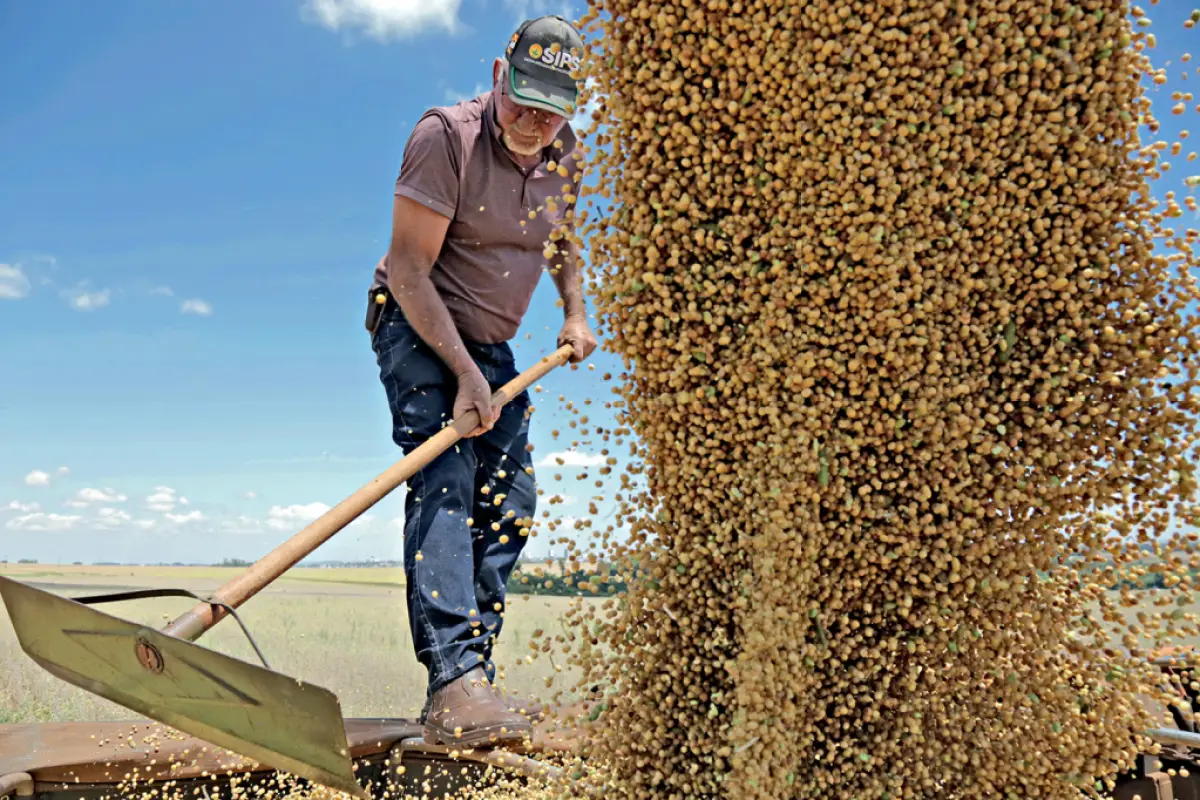
The Number of Employees in Agriculture Grew Last Year. Numbers Returned to Be Higher Than in the Pre-Pandemic Period.
Agriculture is providing jobs for more than 19 million people, according to information from the Center for Advanced Studies in Applied Economy (Cepea), along with data processed by Pnad-continuous, National Household Sample Survey in the Rais, Annual Social Information Relations.
The figures are from the third quarter of 2022. In 2021, in the same period, employment grew by 170.8 thousand. An increase of 0.9%. The 2022 numbers represent higher figures than those recorded in 2015, when 4.2 million people were employed. In the agribusiness services sector alone, the number is 6.34 million, the highest since 2012, according to Cepea. The data comes from the Historical Series of the Center.
However, in the primary sector of agriculture, job positions have been reduced. A decrease of 4.66% compared to 2021 in the same period. There was a cut of 410,640 jobs. The agricultural branch, which includes crops, grains, and coffee, was the most affected, as well as poultry, fishing, and aquaculture activities, which represent livestock.
-
A new Brazilian shopping center worth R$ 400 million will be built in an area equivalent to more than 4 football fields, featuring 90 stores, 5 cinemas, a supermarket, a college, and parking for 1,700 cars, potentially generating 3,000 jobs.

-
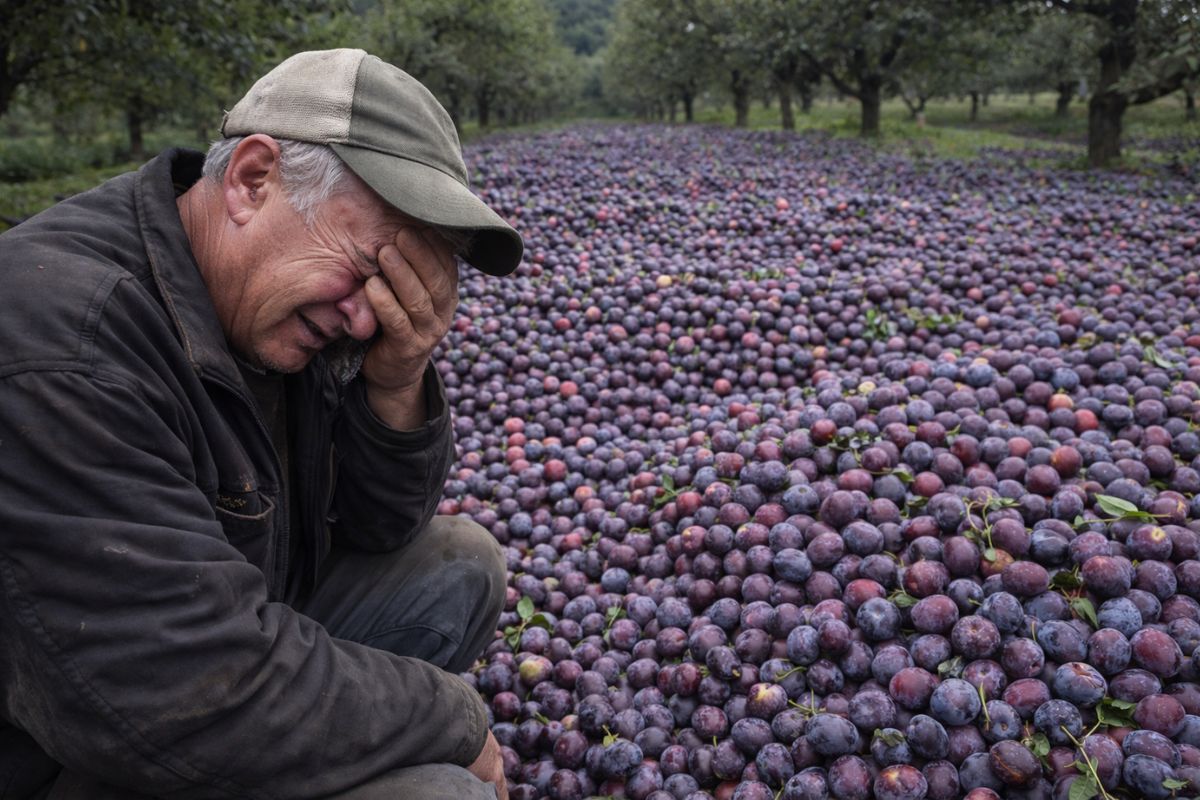
A rural producer from Urubici cries as he shows 50 tons of plums thrown on the ground because no one wanted to buy them, and in desperation, he records a video asking anyone to come to the property to pick the fruits before they rot.
-
Larger than entire cities in Brazil: BYD is building a 4.6 km² complex in Bahia with a capacity for 600,000 vehicles per year, but the discovery of 163 workers in conditions analogous to slavery has shaken the entire project.

-
Unable to pass through Hormuz, Brazil activated a plan B that uses Turkey as a gateway to the Middle East: the route through Gibraltar and the Mediterranean is longer and more expensive but ensures that chicken, beef, and corn continue to reach Arab markets.

With an average salary around R$ 2,200, this figure also represents an increase in the third quarter of 2022. Employers had a salary of R$ 6,672 during this period, and entrepreneurs reached R$ 7,134 in the same period, 6.67% more than in the same period two years ago.
Self-employed individuals received the lowest salaries. An average of R$ 1,752 during this period, an increase of 11.52% compared to 2021. This amount is lower than what self-employed individuals in other sectors received, averaging R$ 2,073.
According to Pnad-continuous, only 36% of employees in agribusiness have a formal employment record, while 33% are self-employed. Only 15% have signed work cards, and 4% are employers. Of the remaining 12%, we have domestic or family workers, or those from the military sector. Cepea also mentioned that about 60% of workers have a high school education. In the primary sector, this percentage is 80 points.
The numbers represent a participation rate of agribusiness of 20.33%, a slight decline compared to 2021, where participation was 20.55%. According to Pnad-continuous, in the third quarter of last year, 99.27 million people were employed in Brazil.
The Cepea research also provides data on the recovery of exports in agribusiness last year. From January to September 2022, external sales totaled around US$ 122 billion, surpassing the values recorded in 2021. This demonstrates the resumption of growth in agribusiness and shows that many countries are already recovering from the COVID-19 pandemic. There is also the issue of the war between Russia and Ukraine, which disrupted the entire sector, destabilizing production chains.
These factors favored Brazil, which was prepared to meet international demand, creating jobs. And with the Real being devalued, exports provided greater profitability for agribusiness producers.








Seja o primeiro a reagir!