





 Portuguese
  English
  Spanish
  3 min of reading
  0 comments


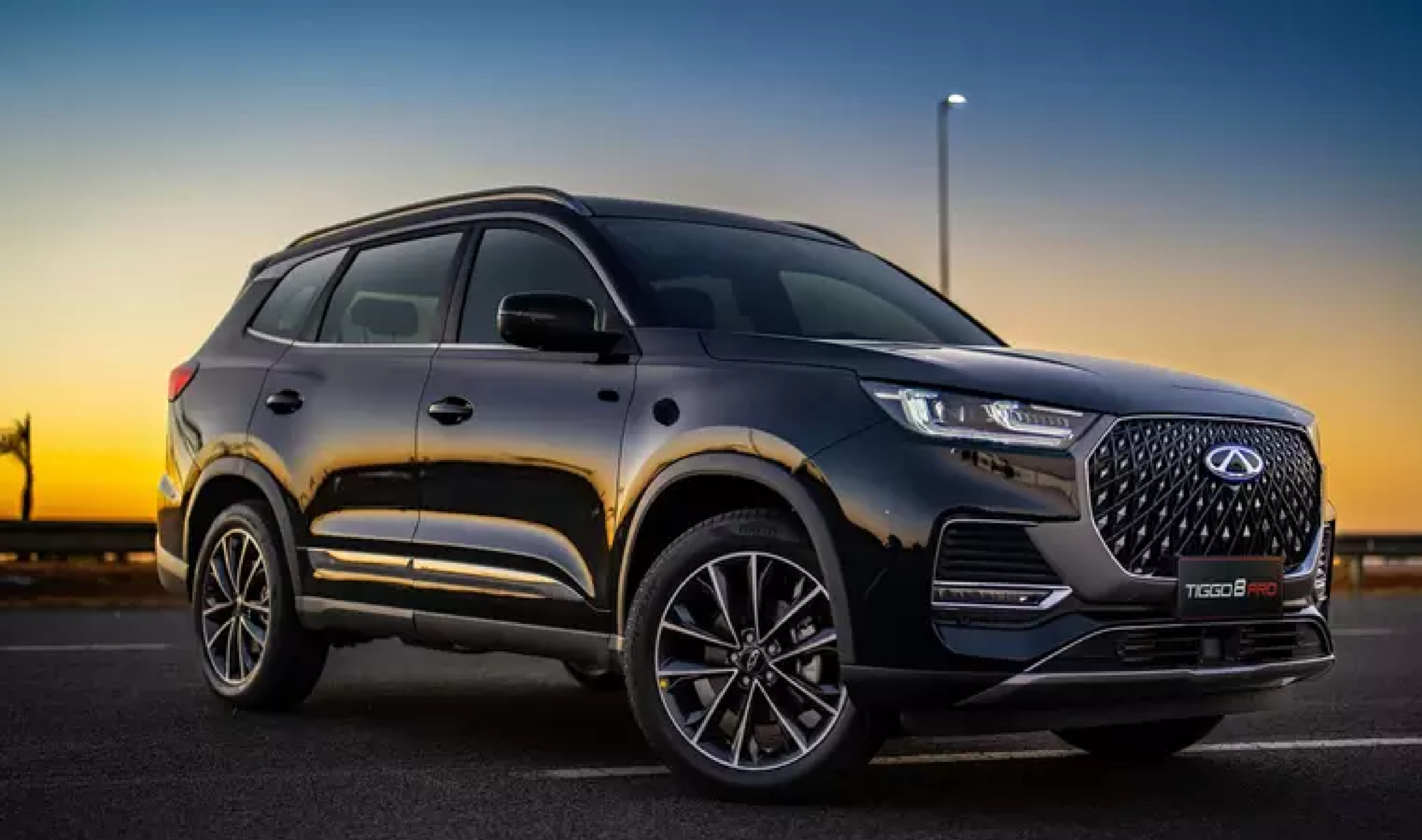
Hybrid SUVs Promise to Raise the Standard of Electric Mobility in Brazil with Domestic Production and Competitive Prices
Caoa Chery, a manufacturer that has carved out a significant space in the Brazilian automotive market, is preparing big news for the near future. The Tiggo 8 and Tiggo 7 SUVs, both in plug-in hybrid (PHEV) versions, are scheduled to start domestic production in 2025, bringing a new era of electrified vehicles to the country. The initial forecast for the launch of the Tiggo 8 PHEV was still for this year, but it has been postponed, while the Tiggo 7 PHEV, which has already been spotted testing in Brazil, is expected to arrive alongside or shortly after the larger model, according to the Auto Esporte website.
Domestic Production of the Tiggo 8 PHEV: A Milestone for Sustainable Mobility
The Tiggo 8, a seven-seater SUV, has been well-known in the Brazilian market since its debut in 2020. Recently, the model underwent its first facelift, replacing the Max Drive version with the Pro version, with a slight price increase, now set at R$ 188,888. The 1.6 turbo engine with 187 hp remains unchanged. However, the major expectation centers around the nationalization of the Tiggo 8 PHEV, which is currently imported from China at a price of R$ 239,990. Starting in 2025, it will be produced at the Caoa factory in Anápolis, Goiás, as part of a R$ 3 billion investment the manufacturer will make over the next five years.


The domestic production of the Tiggo 8 PHEV promises to be a game changer, as it will be the first plug-in hybrid model manufactured in Brazil. With the new strategy, the SUV is expected to retain the visual updates introduced in the combustion version, such as the design of the interconnected rear lights, which have already been spotted in testing in the country.
-
Engineers propose a fourth traffic light for intersections – the change promises to affect crossings, queues, and waiting times.

-
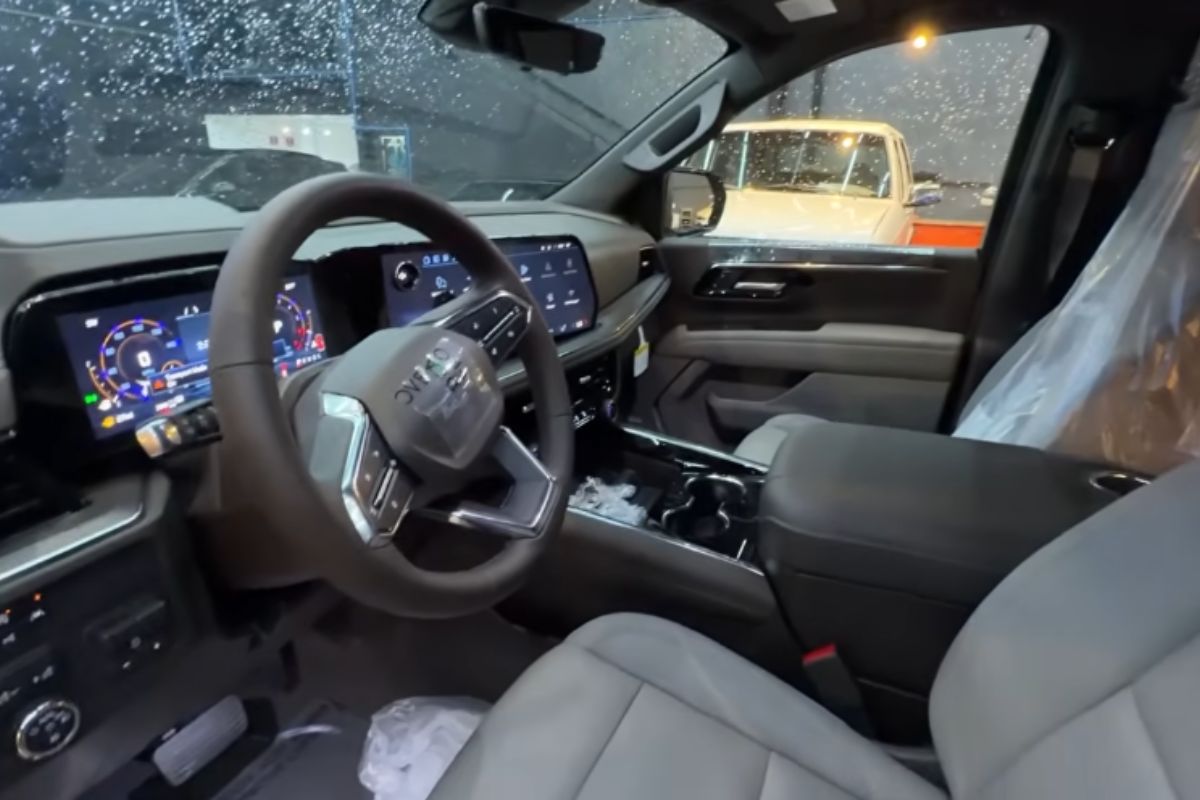
Chevrolet Suburban Z71 lands in Brazil with a V8 engine, off-road design, air suspension, seven seats, and colossal size, a rare version imported for around R$ 1.3 million with luxury and exclusivity.
-
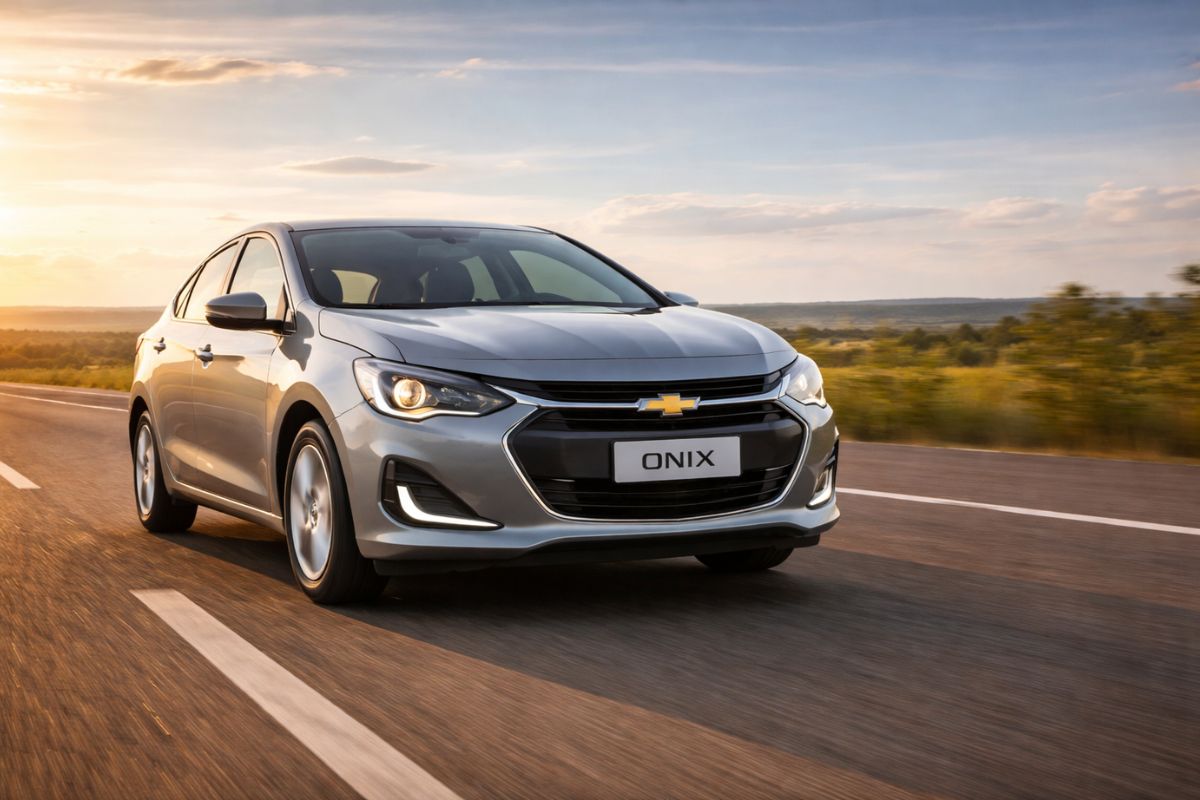
The Chevrolet Onix 1.0 turbo achieves 17.7 km per liter on the highway and ranks among the three most economical cars in Brazil in 2026, alongside two more expensive Toyota hybrids available at dealerships.
-
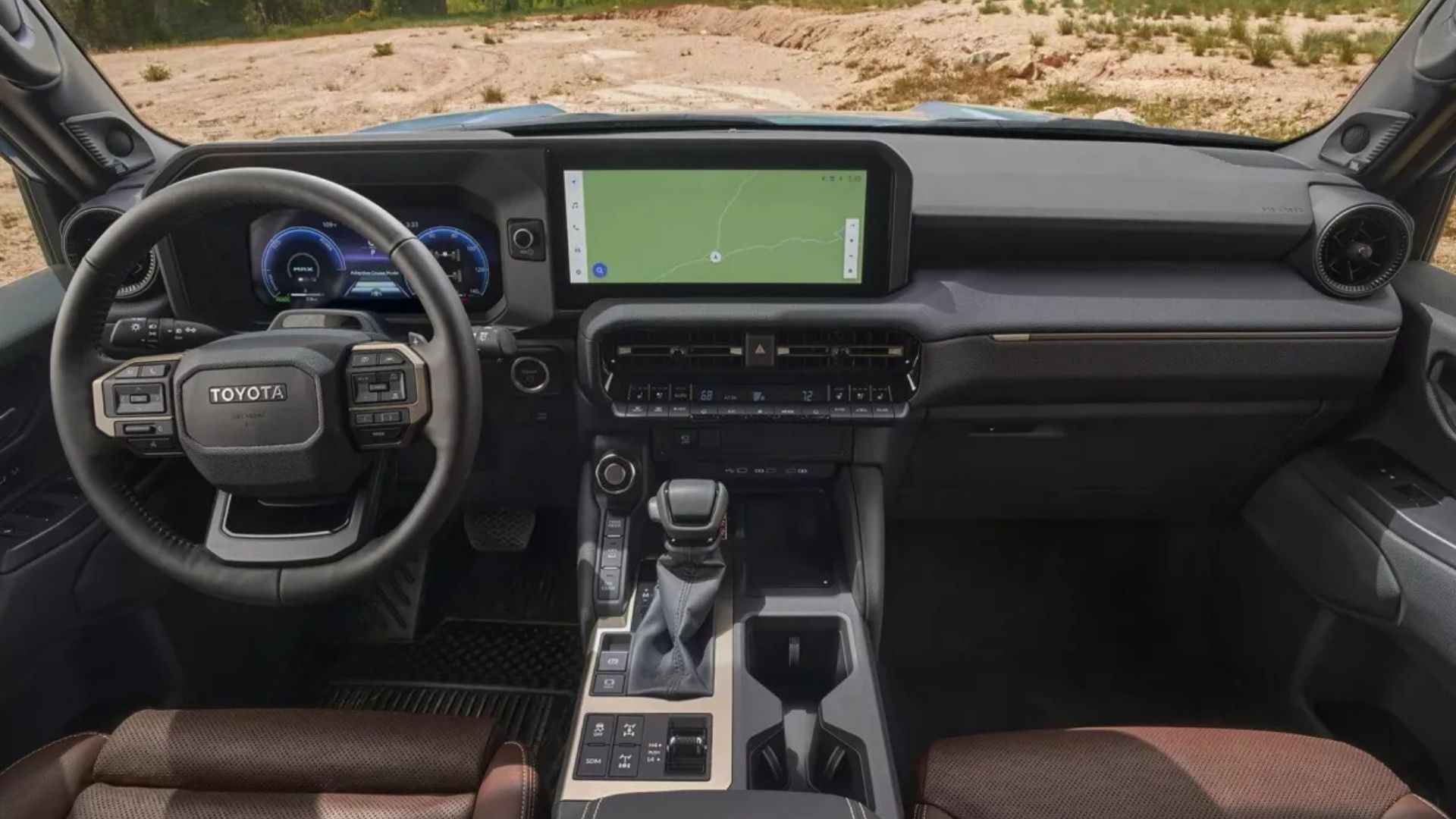
Little sister of the Hilux: Toyota launches Land Cruiser FJ with 4 radical versions, 2.7 engine with 166 hp and 4×4 traction with locking.

Advanced Hybrid Technology: What to Expect from the Tiggo 8 PHEV?
The mechanical set of the national Tiggo 8 PHEV should not differ from the imported model. The SUV will be equipped with a 1.5 turbo engine paired with two electric motors, offering a combined power of 317 hp and torque of 56.6 kgfm. The DHT transmission, which simulates 11 gears, ensures a smooth and efficient driving experience, allowing the vehicle to accelerate from 0 to 100 km/h in just 6.7 seconds.
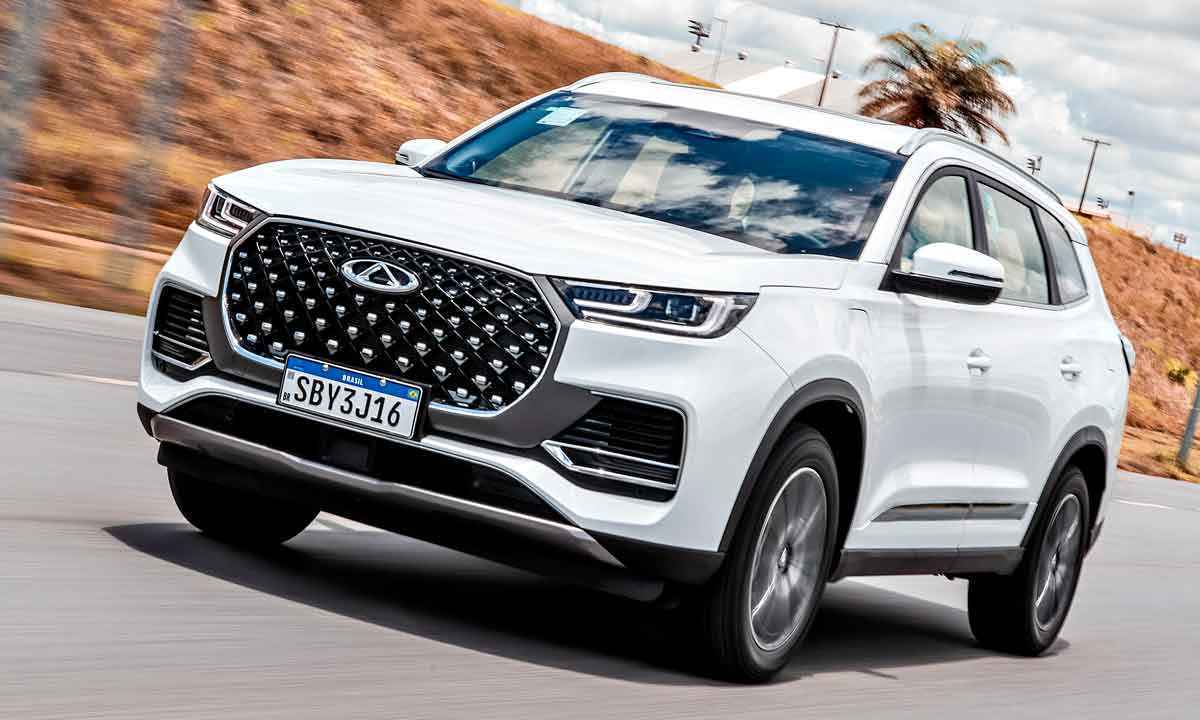
Another highlight is the 19 kWh battery pack, which provides a range of up to 77 km in fully electric mode, according to Inmetro tests. This capacity makes the Tiggo 8 PHEV a attractive option for those seeking a vehicle that combines power and energy efficiency.
Tiggo 7 PHEV: A More Accessible Hybrid for the Brazilian Market
In addition to the Tiggo 8, Caoa Chery is also preparing to launch the Tiggo 7 plug-in hybrid, which has already been spotted in the national territory. This SUV is expected to be a more affordable alternative, maintaining the same mechanical set as the Tiggo 8 PHEV, with minor differences in design.

Visually, the Tiggo 7 PHEV is expected to maintain the dimensions of the current model, with some aesthetic changes, such as bumpers with blue details and Full LED headlights. The price, which currently starts at R$ 134,990 for the combustion version, is expected to rise to the R$ 200,000 range, making it the most accessible plug-in hybrid in Brazil.
Expectations for 2025: A New Era for Caoa Chery and the Hybrid Market in Brazil
With the domestic production of the Tiggo 8 and Tiggo 7 plug-in hybrid models, Caoa Chery not only strengthens its presence in the Brazilian market, but also marks a significant advancement in the electrification of the national fleet. The manufacturer’s strategy to invest in hybrid technology and offer competitive models in terms of price and efficiency promises to change the automotive landscape in Brazil, especially for consumers seeking more sustainable alternatives without compromising performance and comfort.
The arrival of the models in 2025 will be an important step for Caoa Chery and a landmark in the evolution of electrified vehicles in the country.








Seja o primeiro a reagir!