





 Portuguese
  English
  Spanish
  5 min of reading
  0 comments


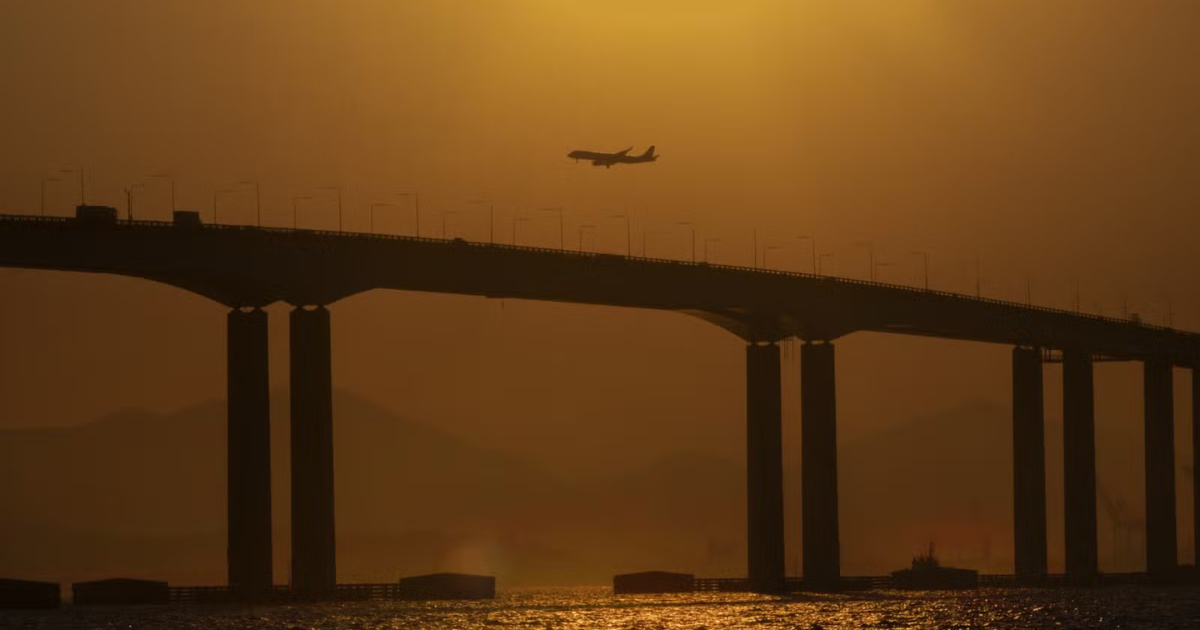
At 625 Meters High and Almost 3 Kilometers Long, the Huajiang Grand Canyon Bridge Impresses with Its Engineering and Promises to Revolutionize Mobility in One of China’s Most Challenging Mountain Regions.
A China has inaugurated the Huajiang Grand Canyon Bridge, a structure that now tops the ranking of the highest bridges in the world.
The roadway spans 625 meters above the Beipan River in southern Guizhou Province, reducing travel time between the banks from around two hours to just two minutes.
The bridge opened to traffic at the end of September, after a construction schedule of approximately three years.
-
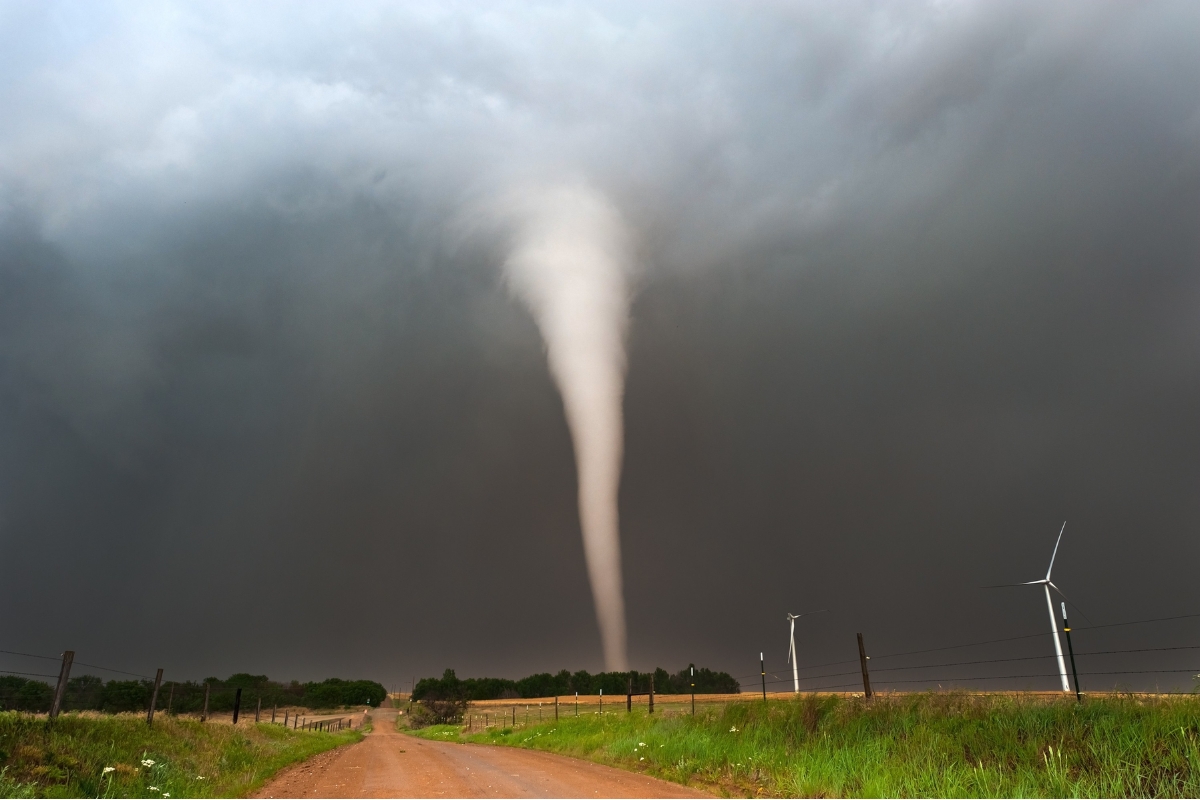
A 19-year-old is ripped from a mobile home by an F2 tornado, thrown 398 meters, survives with minor injuries, and enters the Guinness World Records in one of the most extreme cases ever recorded in meteorology.
-
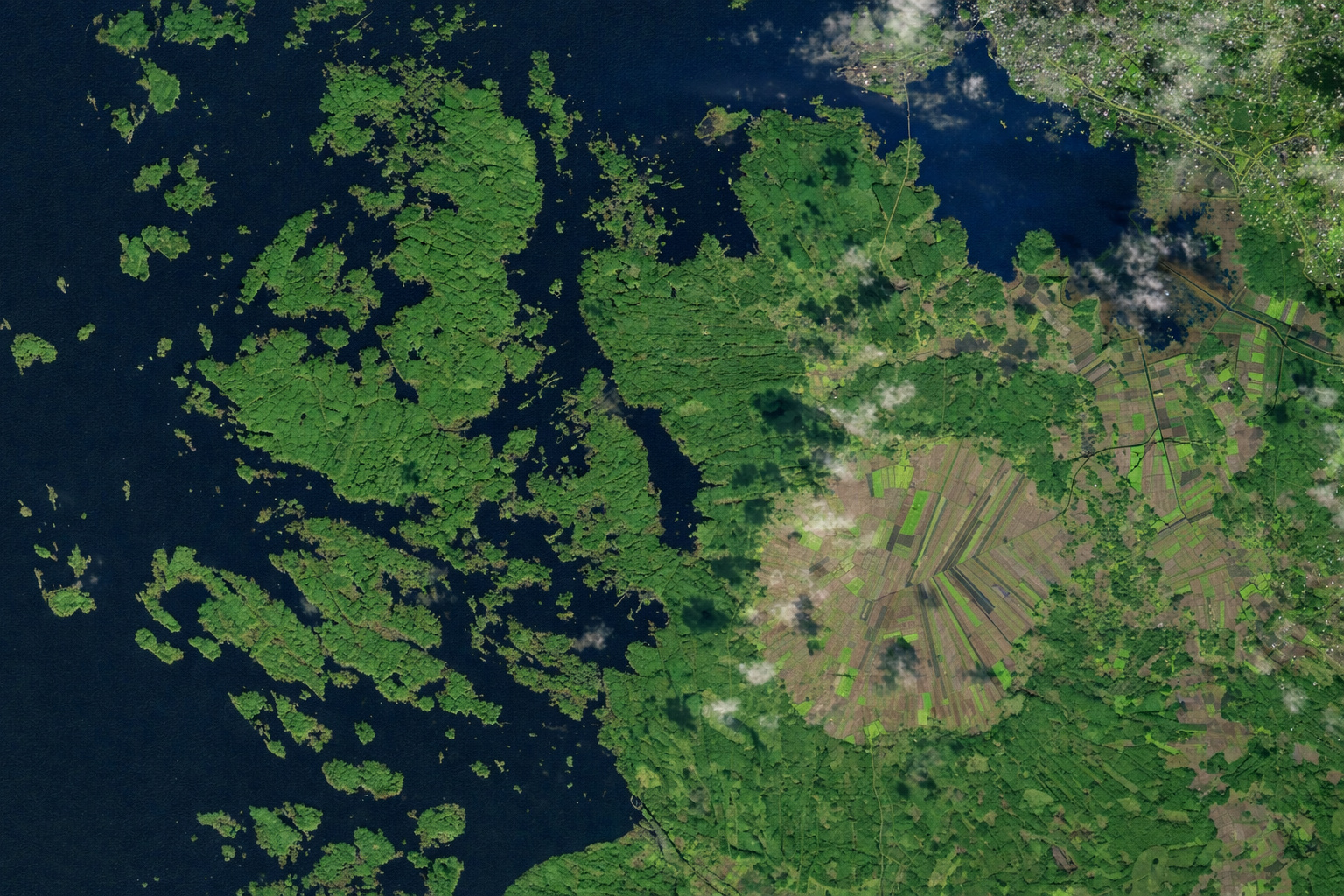
An impact crater has turned into agricultural land in Finland, and its almost perfect outline creates a circular design so strange that it resembles a landscape from another planet viewed from space.
-
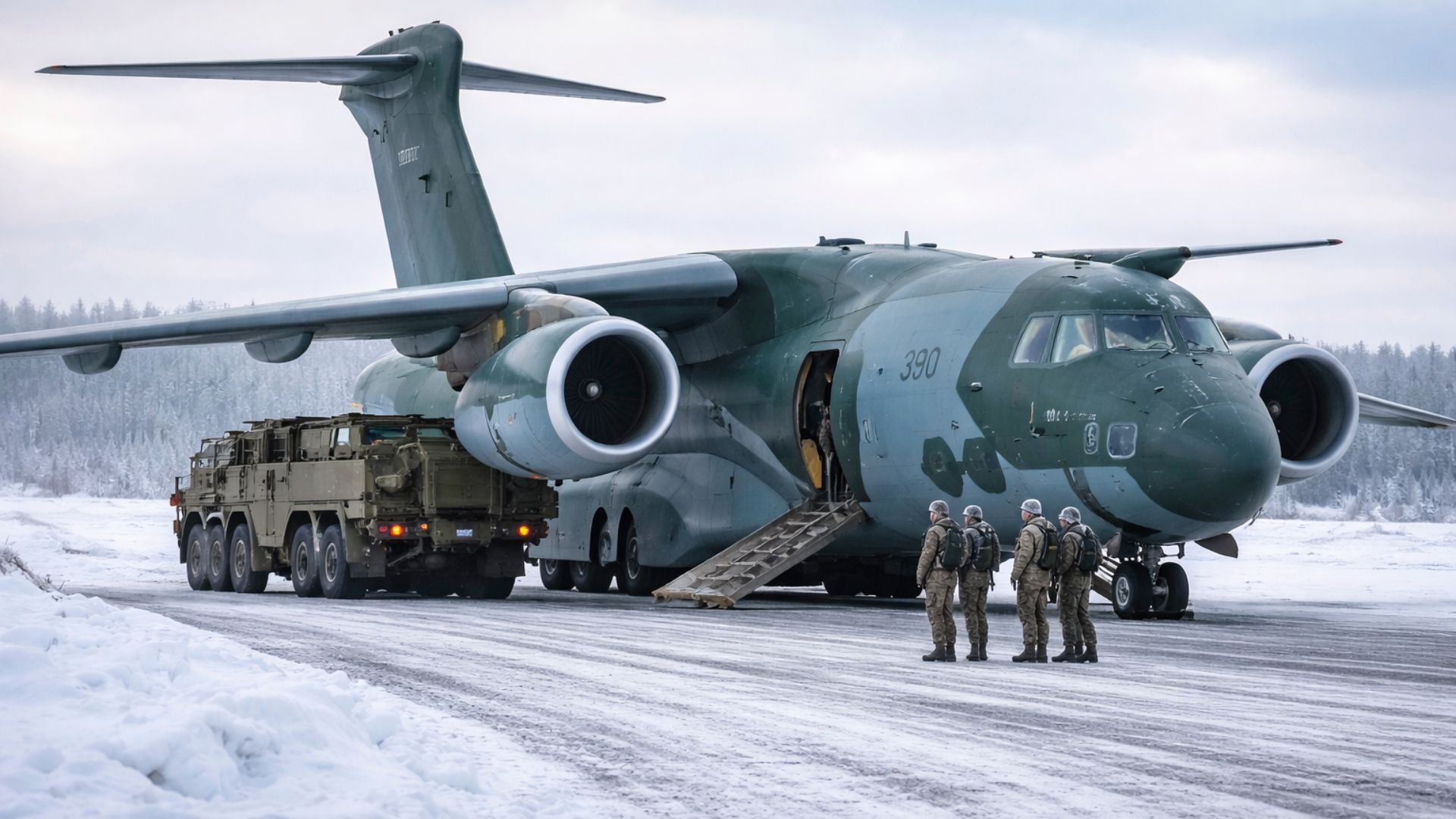
Embraer proves that the KC-390 Millennium achieves 100% reliability in tests in the Arctic, operating in extreme cold in Sweden with short takeoffs, quick deployment, and simultaneous transport of heavy vehicles and troops.
-
Extratropical cyclone and cold front generate alerts for storms with winds of up to 90 km/h, occurring between April 6 and 10, advancing through 3 regions and risk of heavy rains in the South, Southeast, and Midwest.


What Makes the Bridge a New World Record
The bridge is a suspension design with four lanes that integrates the S57 (Liuzhi–Anlong Expressway).
The structure has a total length of 2,890 meters and a main span of 1,420 meters.
Although the title of “highest” refers to the distance between the deck and the canyon floor, the towers supporting the cables reach approximately 262 meters.
The elevation difference between the roadway and the river establishes the global record.
Despite the title using the measure of 625 meters for the towers, technically this number describes the clear height over the gorge.
In the international standard for bridge engineering, this measurement—and not the height of the pylons—determines the ranking of the highest bridges.
Where It Is and Why It Matters
Guizhou is home to some of China’s most challenging engineering projects.
The mountainous topography, with deep valleys and steep slopes, imposes large-scale solutions to ensure connections between cities and production hubs.
The new bridge crosses the Huajiang Grand Canyon, one of the most rugged sections of the Beipan River, shortening routes and integrating areas that were previously separated by winding roads.
Official data indicates that almost half of the 100 highest bridges in the world are located in Guizhou, explaining the province’s familiarity with complex infrastructure projects.
In the same province lies the Beipanjiang (or Duge) Bridge, which has a clear height of 565 meters, now repositioned as the second highest in the world.
How the Construction Was
The project began in 2022 and was completed in 2025, within the usual timeframe for megaprojects of this scale.
The execution combined large volumes of concrete, assembly of metal trusses, and launching of main cables using lifting systems in challenging terrain.
The logistics included controlling strong winds in the canyon and stabilizing slopes, conditions typical of deep valleys.
Loading tests were conducted prior to the opening, with monitoring through embedded optical fibers in some of the cables.
This continuous monitoring provides real-time structural data, allowing for operational adjustments and maintenance according to the structure’s behavior over time.
Immediate Impact on Mobility
The bridge was designed to convert a two-hour journey into a two-minute crossing.
Transport authorities in the province highlighted that the project eliminates tight curves and elevation changes that restricted speeds on the old routes.
The route is now more direct and predictable, benefiting both cargo transport and the movement of workers and students between neighboring municipalities.
Tourism and Services at the Canyon’s Edge
In addition to its logistical function, the bridge was designed to attract visitors.
The project includes a glass walkway, observation areas, a panoramic elevator, and a café at one of its peaks.
Adventure sports such as bungee jumping and slacklining have been incorporated as licensed activities, with specific safety protocols.
A daily access limit to the tourist areas has been set to preserve the experience and maintain safety standards.
Comparison with Other References
In terms of clear height, the Huajiang surpasses the Beipanjiang/Duge by 60 meters.
In total length, it approaches 3 kilometers, with a central span comparable to records in mountainous environments.
In “tower height,” other bridges around the world may be taller, but they do not achieve the same elevation difference between the deck and the terrain below, which is the metric that governs the current record.
Why Guizhou Has So Many High Bridges
The Chinese economic expansion in recent decades has come with large investments in road and rail infrastructure.
In Guizhou, a growing network of tens of thousands of bridges has overcome historical mobility bottlenecks in a province with mountainous terrain.
The combination of logistical demand, public funding, and technical expertise has created an environment where extreme engineering solutions have become routine.
What Comes Next
With its opening, the Huajiang is expected to redistribute flows in neighboring corridors, relieve old roads, and stimulate new tourism and commercial ventures on both banks.
Local managers envisage the bridge functioning as a hub for integration of culture, tourism, and nature sports, increasing regional revenue and consolidating the destination in national and international itineraries.
As the bridge gains global prominence, the challenge shifts to maintaining safety standards and traffic management to match the volume of traffic that the structure is likely to attract.
Meanwhile, transportation researchers are monitoring how projects of this kind reduce door-to-door travel times, reconfigure labor markets, and shorten economic distances in hard-to-reach regions.
The debut of the tallest bridge in the world changes the way to cross the Huajiang Canyon; the question now is how this express crossing will transform the lives of those who live and work in the region?



-

-

-

-

4 pessoas reagiram a isso.