





 Portuguese
  English
  Spanish
  3 min of reading
  4 comments


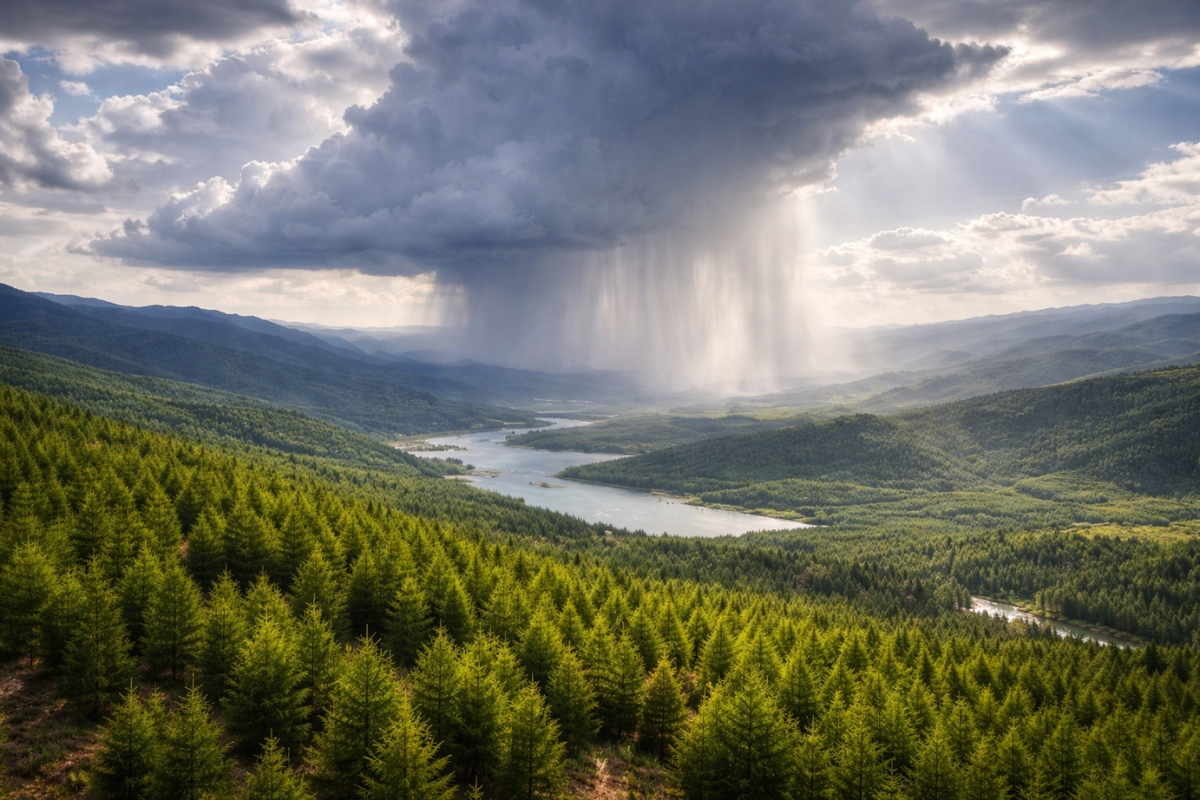


China Planted Trees on an Unprecedented Scale to Contain Deserts and Restore Soils, but 20 Years Later the Effect Surprised Scientists: the New Forest Cover Changed the Water Cycle and Reduced Available Moisture in Much of the Territory
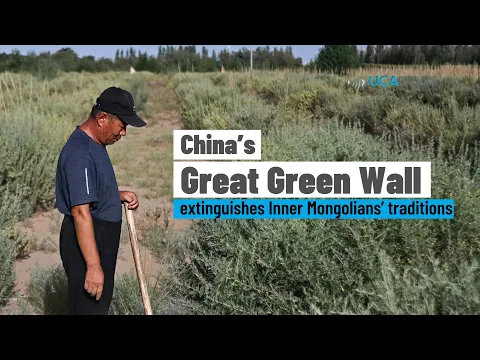
China has transformed vast arid areas into forests over the past few decades. The country has planted 78 billion trees since the late 1970s in one of the largest environmental initiatives ever undertaken.
The visual result is impressive. Areas once marked by dry soil now exhibit extensive vegetation cover. However, the massive increase in trees has altered the water cycle, creating new challenges for water availability.
This unexpected effect is beginning to reshape how the country manages natural resources on a continental scale.
-
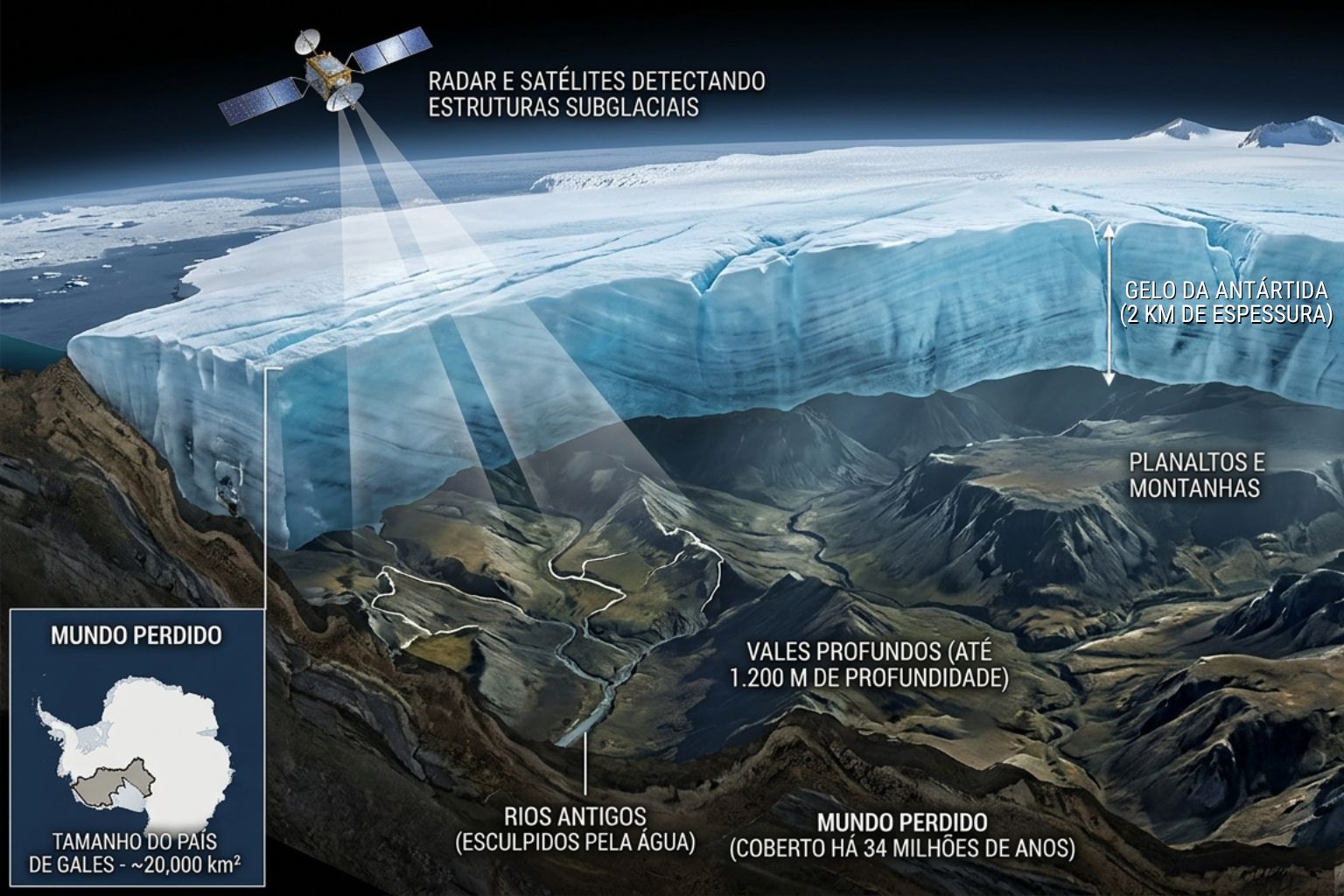
Satellites and radars revealed, beneath 2 kilometers of ice in Antarctica, a lost world the size of Wales, with rivers, valleys 1,200 meters deep, and plateaus sculpted by water, frozen for 34 million years, when the continent had temperate forests and was part of a supercontinent that included South America.
-
A 2 kg exoskeleton with an 800-watt motor and artificial intelligence that predicts movements in 2 milliseconds reduces the load on the legs by up to 30 kg, increases strength by 40%, and allowed an 84-year-old woman to climb mountains without falling behind.

-
The Senna Tower in Balneário Camboriú is using stakes considered unique in the world that go down 40 meters and are driven 5 meters into the hardest rock on the planet, with technology approved by the same engineer who designed the Burj Khalifa.

-
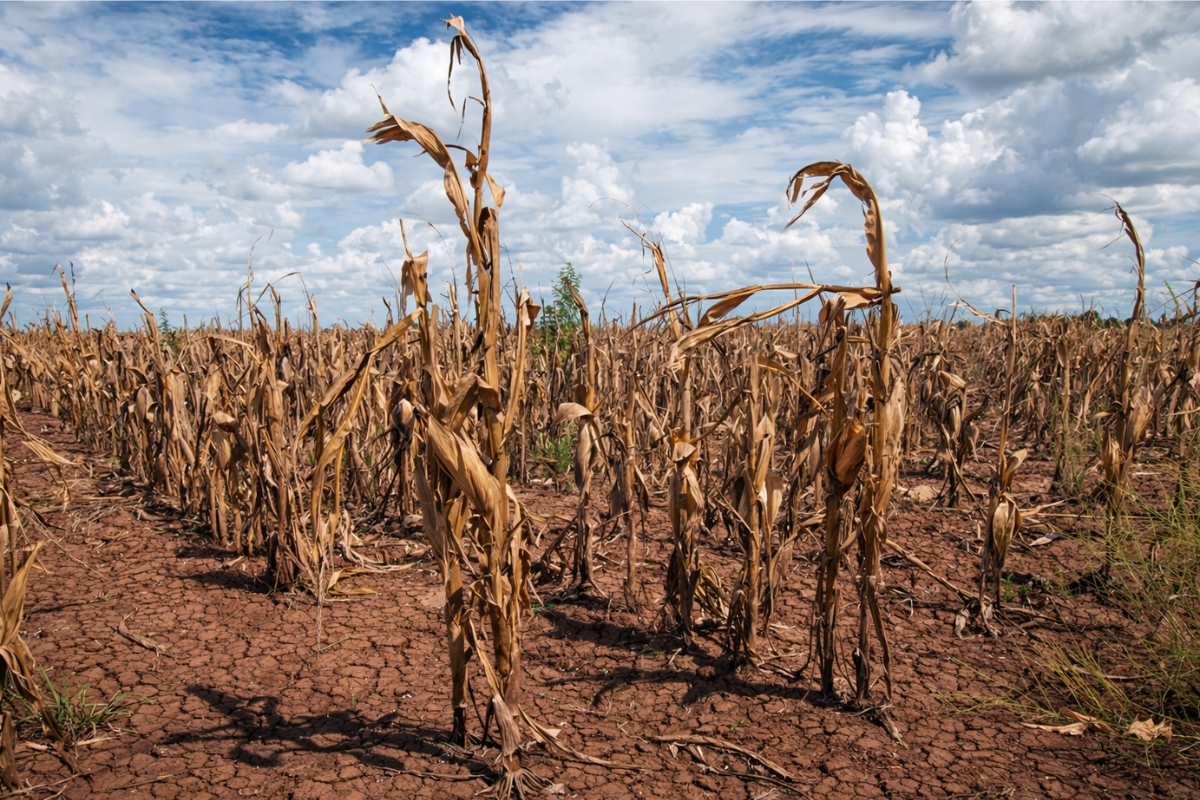
The drought may be pushing a much larger crisis than just a lack of water; in addition to affecting crops, reservoirs, and cities, it can also help strengthen bacteria that no longer respond well to antibiotics.
The Largest Reforestation Campaign in the World
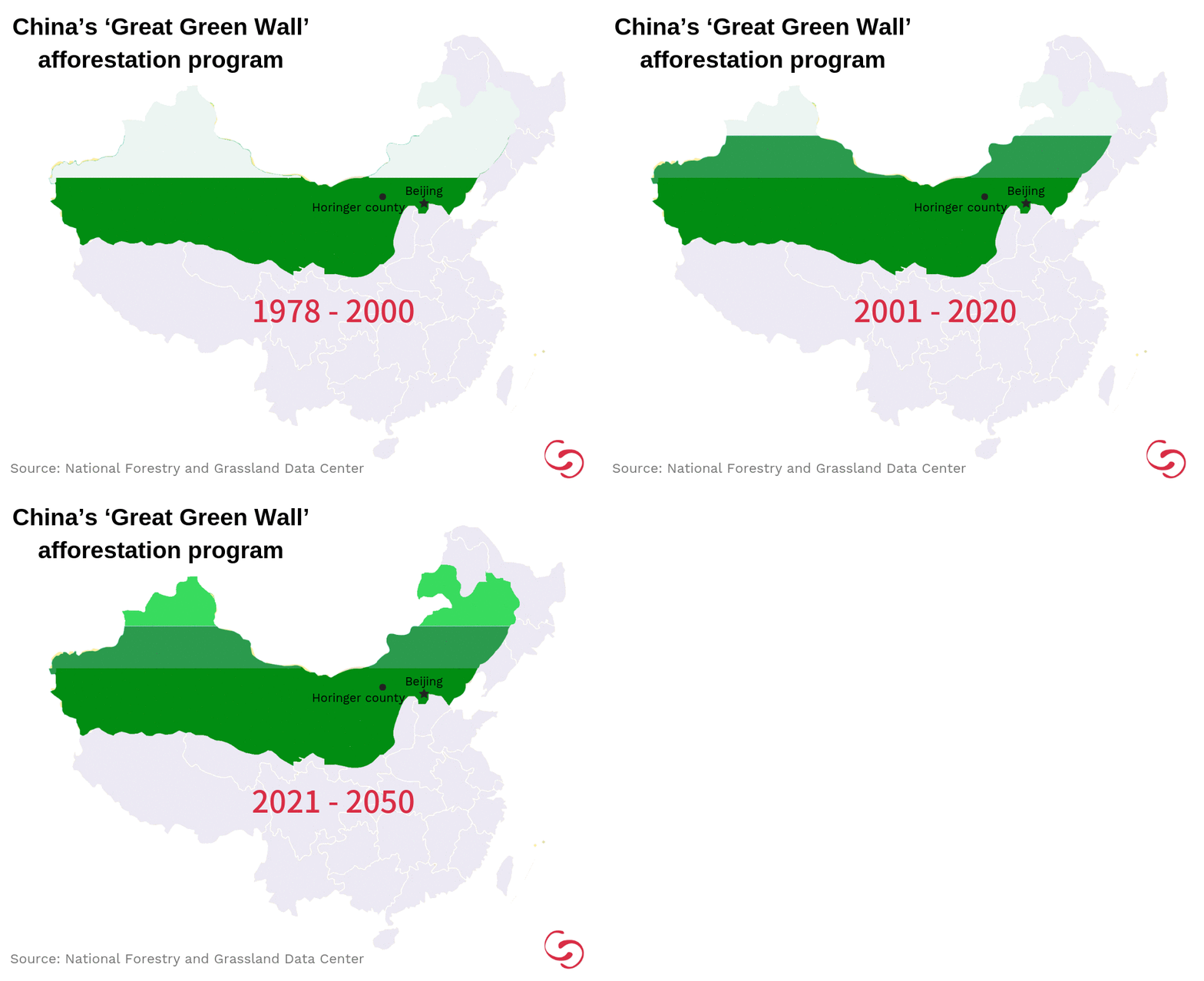
The project known as Great Green Wall was created to stop the advance of deserts and recover degraded soils. The strategy also aimed to reduce climate impacts and strengthen environmental protection.
Over the course of about four decades, the initiative significantly increased forest cover. Large areas of northern and western China began to show less soil erosion and more vegetation.
This advancement transformed the landscape and established the country as a global benchmark in reforestation.
How Trees Alter the Water Cycle
Trees absorb large volumes of water from the soil. They then release part of this moisture back into the atmosphere as vapor, in a process known as evapotranspiration.
On a small scale, the effect can be positive for environmental balance. However, when it occurs over vast areas, the dynamics of water within the territory start to change.
The evaporation caused by forests alters moisture circulation and can modify rainfall patterns in different regions.
Study Identifies Changes Between 2001 and 2020
According to Earth’s Future, an international scientific journal that publishes research on global environmental changes, analyses of the period from 2001 to 2020 indicate profound transformations in China’s hydrological cycle.
Researchers cross-referenced data on land use, rainfall, and evapotranspiration. The result points to a redistribution of water within the country.
Part of the moisture released by the forests does not return as rain in the same areas. Winds carry this vapor to other regions.
74% of the Territory Registers Reduction in Available Water
The most concerning impact appears in water availability. About 74% of Chinese territory has shown a reduction in soil water.
The most affected areas are located in the north and east of the country. These regions concentrate a large part of the agriculture and a significant portion of the population.
The problem is compounded because these locations were already facing water scarcity before the forest expansion.
Historical Inequality in Water Distribution
China has faced structural imbalances for decades between population, agriculture, and water resources.
The north is home to almost half of the population and more than half of the arable land. Yet it has only about 20% of the available water in the country.
The expansion of forests in dry regions has exacerbated this contrast in certain parts of the territory.

Some Regions Gained More Moisture
Not all effects have been negative. In parts of the Tibet, for example, atmospheric transport of vapor has brought increased moisture.
This redistribution shows that water circulation has changed within Chinese territory. Some regions gained while others lost water availability.
Even so, the gains do not compensate for the reduction observed in more populous and productive areas.
The case underscores that large-scale reforestation requires detailed environmental planning. Planting trees remains an important strategy, but it needs to consider climate, soil, and water availability.
The Chinese experience shows that large-scale environmental decisions can alter the natural balance of the territory and change how countries plan the management of their natural resources.





In a world of uncertainty, China offers a great deal of hope, be it climate change, be it economic uncertainty, be it sustainable development, be it poverty eradication and so on. China is leading with example in all those areas, so the world should give credit to the leaders and citizens of China for giving hope to humanity.
Também tenho a mesma opinião. Concordo que precisam da publicidade para manter o site, porém o exagero prejudica. As vezes deixo de ler as reportagens só pela raiva de ter estes anúncios por toda a parte.
Esse site trás noticias interessantes mas a quantidade de publicidade impreciona. Parece videogame. Fecha janela abaixo, depois na direita, dai o texto desloca para baixo….desisto de tentar ler assim. Uma pena.
Exatamente. Tanta publicidade que é um desafio ler o texto. Deveriam repensar esse layout, pois além de incomodar, não funciona a gente não observa o que vende nesses anúncios