





 Portuguese
  English
  Spanish
  2 min of reading


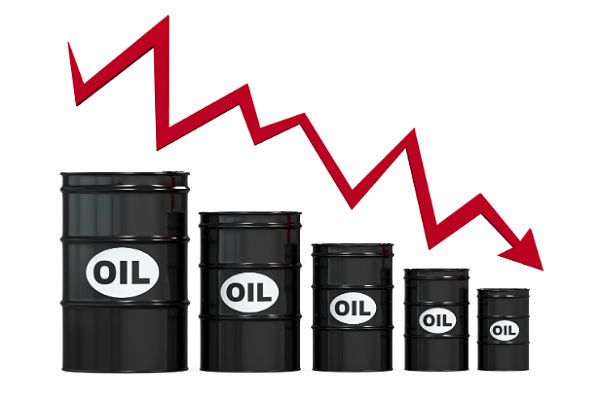
The year 2020 will be remembered as a difficult year for most of the global population, businesses, and especially the oil and gas sector. Due to the coronavirus pandemic, the drop in fuel demand and the war between Saudi Arabia and Russia over the commodity supply are the main factors responsible for the drop in prices and minimal investments in the oil exploration and production segment worldwide.
See Also Other News:
- Electrician, Safety Technician, and More Professionals Are Required for Job Openings at the Plant on This March 31
- Recruitment and Selection Multinational Starts Resume Registration for Offshore Job Openings on This March 31
- Petrobras and Chinese Companies Sign Contracts for the 6th Sharing Round and the Surplus of the Onerous Assignment
An analysis conducted by Rystad Energy states that companies’ Capex is expected to be the lowest in the last 13 years. The analysis takes into account a scenario of US$ 34 per barrel this year and US$ 44 per barrel next year.
The estimate is that investments in exploration and production may fall by up to US$ 100 billion this year, totaling around US$ 450 billion.
-
The government requests the Federal Revenue Service for a new system to automate the income tax declaration, reducing errors, time, and bureaucracy for millions of Brazilians.

-
Pix in installments, international Pix, and contactless payment without internet: the Central Bank revealed the new features coming to the tool that is already used by almost every adult in Brazil.

-
Mercado Livre has just started selling medications with delivery in up to three hours to your door, and this move could completely change the way Brazilians buy medicines on a daily basis.

-
In Dubai, rising tensions from the war in the Middle East are causing super-rich individuals to leave the Gulf and direct their fortunes to a new financial refuge in Asia.


However, if oil prices remain at the current range of US$ 25, global investments could drop to US$ 380 billion in 2020 and nearly US$ 300 billion in 2021. This outcome would represent the lowest values in the last 14 and 15 years, respectively.
Rystad Energy added that the estimated cost cuts would be achieved mainly by reduced activity in U.S. shale, delays in projects that had not yet reached the final investment decision (FID) stage, deferred exploration activity, and cost-cutting in the development and production of conventional assets.







Seja o primeiro a reagir!