





 Portuguese
  English
  Spanish
  4 min of reading
  0 comments


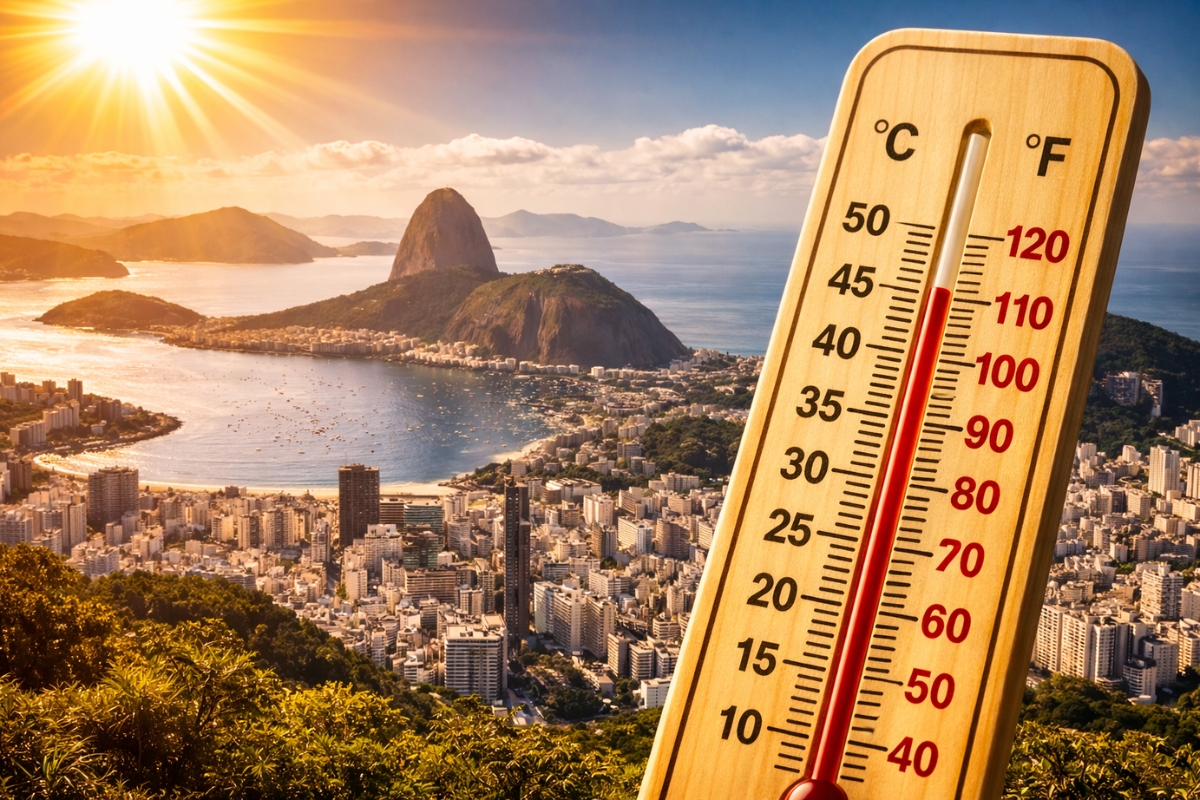
Projections Indicate 2026 Among The Hottest Years On Record, With A Higher Risk Of Heat Waves In Brazil, Especially In Dense Urban Areas.
The average temperature of the planet could return to operate at an extreme level in 2026, maintaining a recent sequence of very hot years on record, which begins in 1850. The practical effect appears in daily life, with more pressure on health, energy, and routines in large centers.
This scenario does not depend solely on a global number. In Brazil, heat gains strength when combined with little rain, clear skies, and atmospheric blockages, in addition to the worsening of heat islands in cities.
What Happened And Why It Caught Attention
There is a projection that the average global temperature for 2026 will be between 1.34 °C and 1.58 °C above pre-industrial levels, with a central estimate of 1.46 °C. This range places the year very close to the highest marks ever observed since 1850.
-
He saw a loophole in the 1967 space treaty and claims to have made millions selling lots on the Moon and other planets.

-
Researchers from Rio Grande do Sul have discovered a plant species that does not exist anywhere else on the planet within a park in the far west of Rio Grande do Sul, and it is already critically endangered.

-
More than 411 helicopters, 11.9 million inhabitants, and a trillion-dollar GDP place the largest city in Brazil and the Southern Hemisphere in a league of its own, with figures that already rival giant countries like Morocco, Hungary, and Ecuador.

-
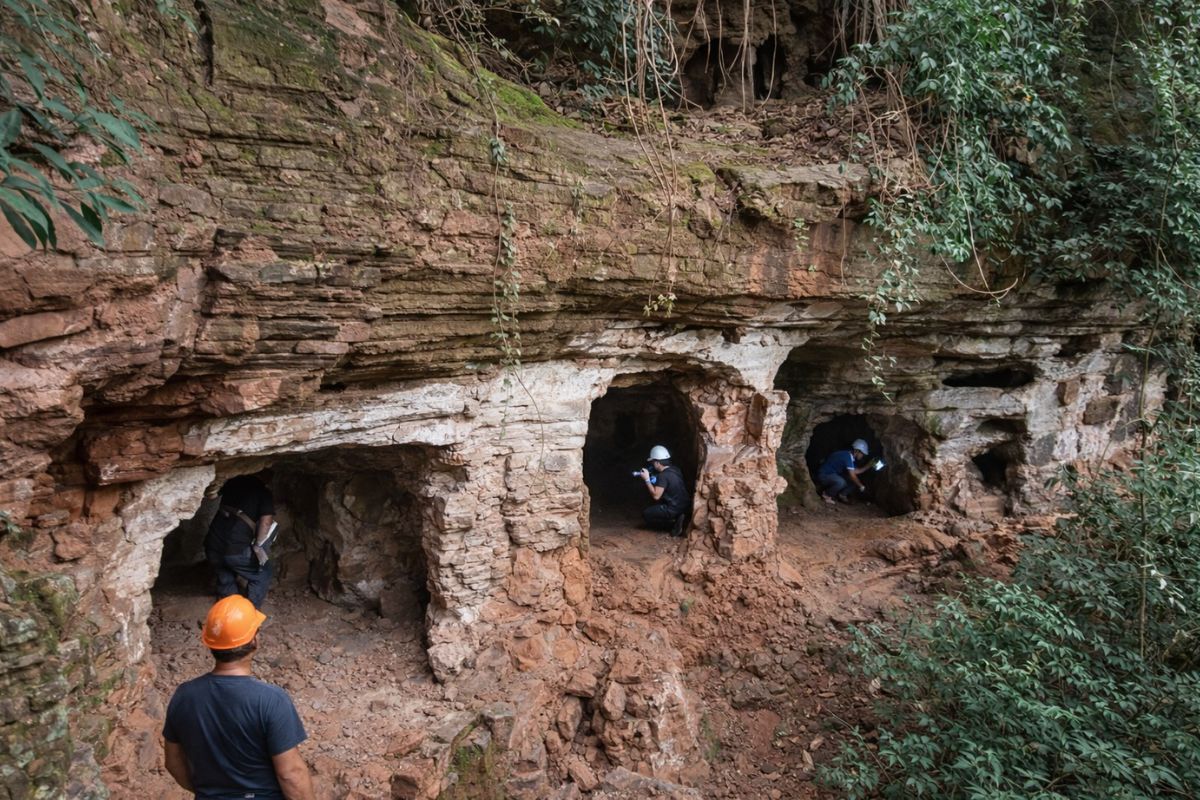
Mysterious rock formation found in the interior of Paraná does not follow any natural erosion pattern, and now specialists are investigating whether humans carved those cavities centuries ago.
The recent sequence of warming accelerates the sense of risk, as the world has already passed a historic milestone: 2024 recorded as the hottest year on global record and the first calendar year in which the annual average exceeded 1.5 °C above pre-industrial levels.
Even without the guarantee of an absolute record, the message is direct: 2026 has the potential to be among the hottest years, raising the risk of climate extremes in various regions.
Why Brazil Is Likely To Suffer More From Extreme Heat

The heat in Brazil tends to become more dangerous when it lasts for several days and when humidity hampers the body’s ability to lose heat. In urban centers, the combination of concrete, asphalt, and little greening increases temperature and worsens discomfort.
Recent records reinforce this trend. The summer of 2024 to 2025 was marked as the sixth hottest in Brazil since 1961, with 0.34 °C above the historical average for the period of 1991 to 2020.
This base warming increases the likelihood of more frequent and longer heat waves, as well as more stifling nights, which reduce the body’s recovery.
Where The Thermometer Can Reach In The Hottest Areas Of The Country
The national extremes show how far the thermometer can go in rare episodes. Brazil has recorded 44.8 °C in Nova Maringá, MT, in November 2020, during a very intense heat event.
Marks like this tend to appear more easily in interior areas where the air becomes very dry and rain fails for several days. Under these conditions, heat rises quickly and remains high for an extended period.
This data does not mean that every year will have figures close to that, but it shows that the country has already reached a critical level when the environment becomes favorable to extreme heat.
Rio de Janeiro Enters The Radar For Intense Heat And High Humidity
In Rio de Janeiro, the risk increases when intense heat combines with humidity, raising thermal stress. In February 2025, there was a record of 44 °C in Guaratiba, the highest mark in the municipal system series since 2014.
The point of concern is that, on such days, the impact quickly appears on health and daily routines. The risk of dehydration, heat exhaustion, and the exacerbation of respiratory and cardiovascular problems increases, especially in areas with little shade.
The scenario also weighs on energy consumption, with greater use of ventilation and cooling, and in the search for thermal relief locations.
São Paulo Feels The Pressure Of Heat In Intense Waves
In São Paulo, the capital has also been accumulating episodes of more aggressive heat. In September 2024, there was a record of 36.3 °C at Mirante de Santana, a significant mark for a metropolis with millions of inhabitants.
In addition to the day’s maximum temperature, discomfort increases when nights do not cool down, something that usually happens during heat waves. The result is decreased productivity, worsened sleep, and increased risk for the elderly, children, and those who work outdoors.
Urban heat tends to concentrate in dense and impervious areas, reinforcing the importance of shade, ventilation, and access to water during critical periods.
What May Happen From Now On
With the projection for 2026 at a very high level in the global scenario, Brazil enters a period that demands planning and rapid response to heat waves. The greatest vulnerabilities appear in the hottest regions of the interior and in the most populous cities, where heat becomes a direct risk to health.
The issue also exerts pressure on infrastructure, with increased demand for energy, water, and medical services on extreme days. Preparation, risk communication, and urban measures to reduce heat islands gain importance in navigating more intense episodes.
In the short term, the trend is for more attention to heat alerts and protocols, especially in capitals like Rio de Janeiro and São Paulo, where the social impact spreads quickly.









-

-

-

-

-

-

36 pessoas reagiram a isso.