





 Portuguese
  English
  Spanish
  2 min of reading
  9 comments


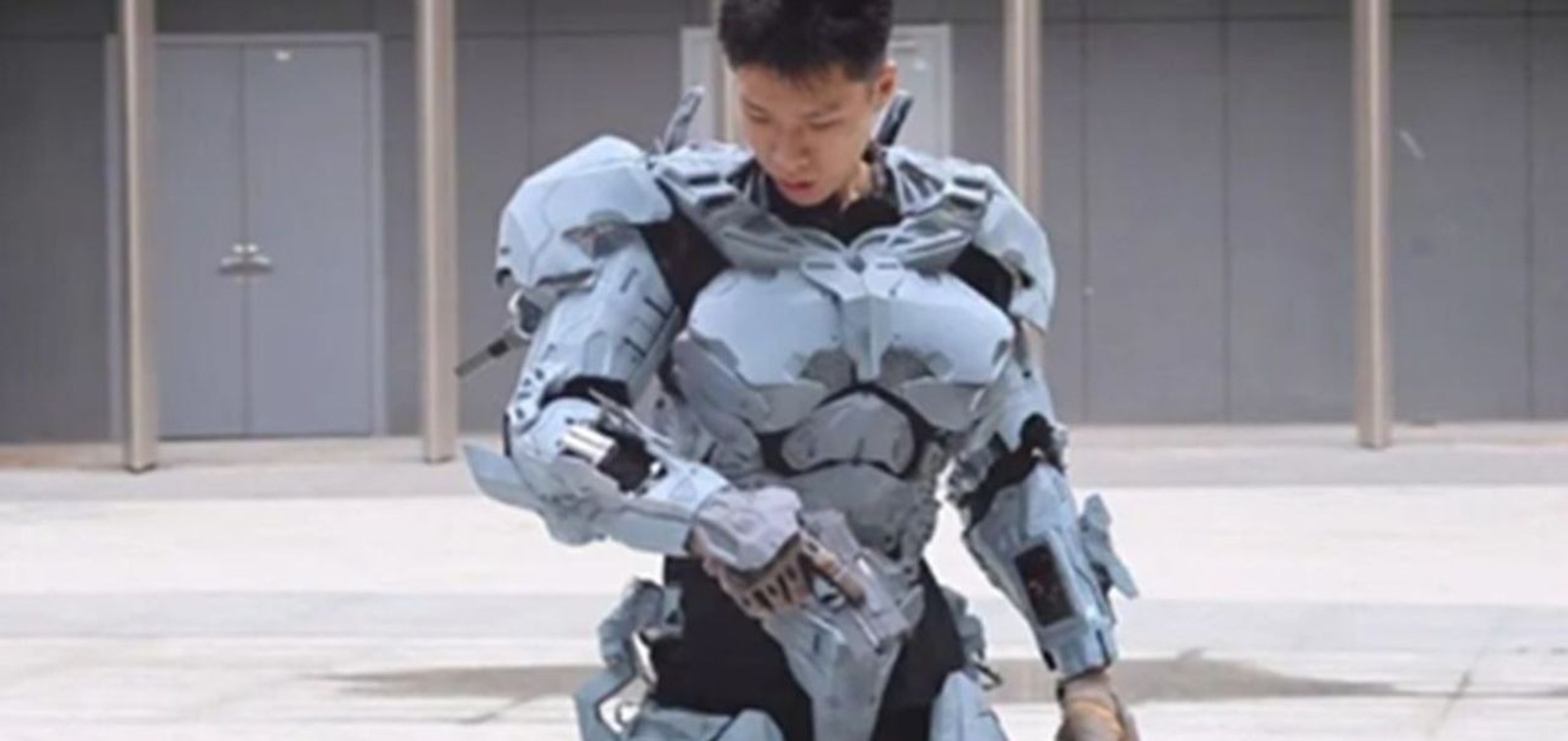


Chongqing Student Develops Functional Exoskeleton Suit Alone, With Voice Commands, Effects, and 3D Printed Parts, Demonstrating Technical Mastery and a Creative Path Started in Childhood
A 21-year-old university student from Chongqing gained attention by building a voice-controlled exoskeleton suit, inspired by Iron Man, all by himself. He did this because he wanted a complete model, not just moving helmets seen in many projects.
The suit responds to commands as if it were a homemade Jarvis. Parts open and close automatically, and videos of the creation have been circulating on social media since they were released.
The fluidity of the movements reflects two months of work during the summer vacation, something that quickly caught attention.
-
While the world looks at oil, the war with Iran is already disrupting helium supply from Qatar, affecting car and iPhone chips, threatening AI expansion, and putting pressure on aluminum packaging at the highest value in four years.

-
Global warming will expose a treasure hidden under the ice of Antarctica and may spark an international dispute over gold and valuable minerals.

-
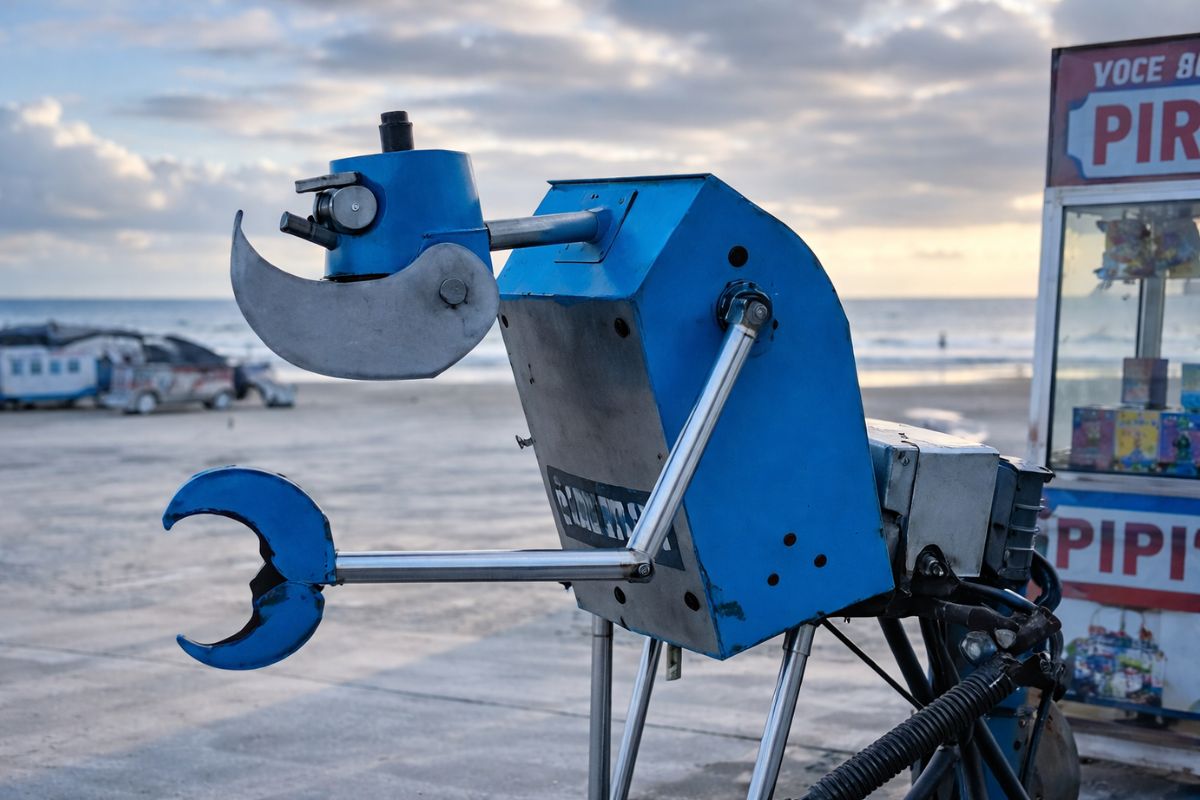
A street vendor from Praia Grande built a robot made of scrap from scooters and washing machines that pulls his popcorn cart on the beach, emits sounds, and interacts with customers, becoming an attraction on the coast of São Paulo.
-
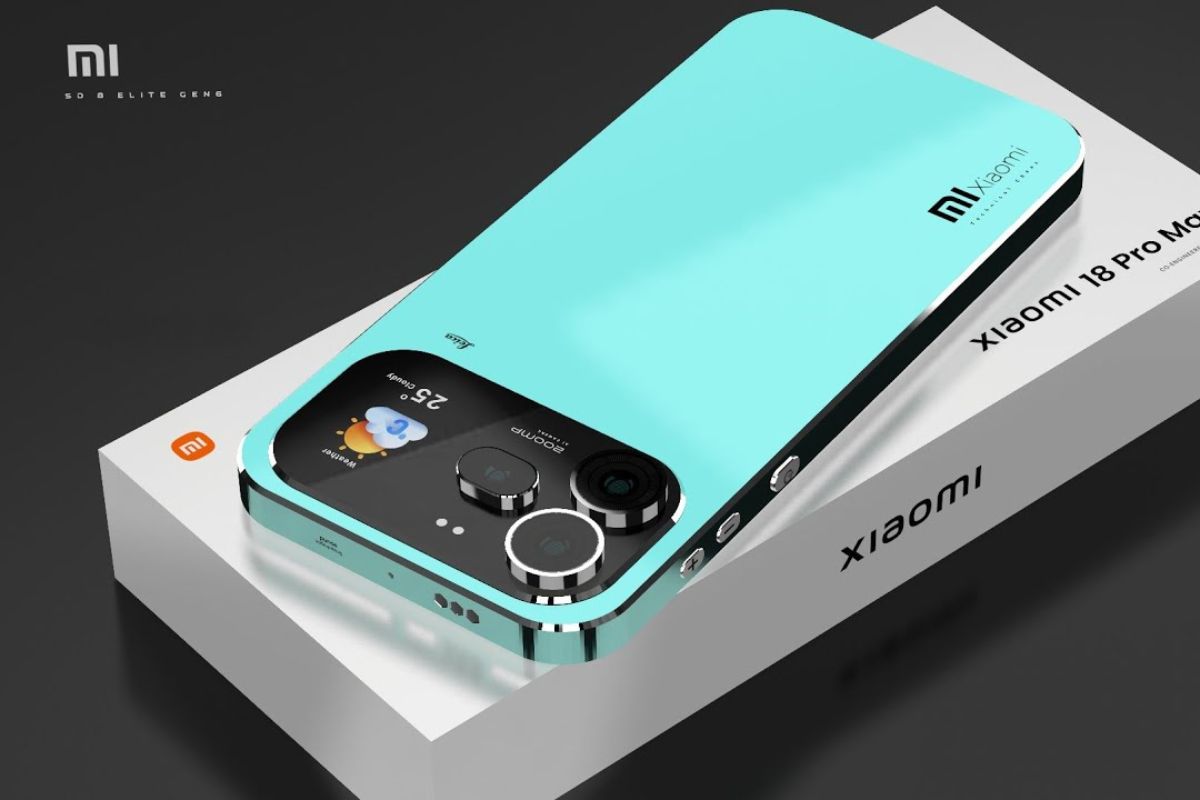
The specifications of the Xiaomi 18 Pro Max have been leaked, and the highlight is a dual 200 MP camera with a new 22-nanometer technology that promises to consume less energy and capture details in shadows and bright areas using LOFIC HDR.

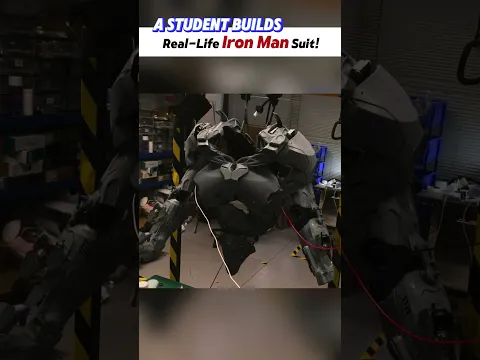
Huang Yanjun noticed that most fans were producing incomplete versions. This realization motivated the young man to seek a complete design with coordinated movements.
After finishing the sketches, he turned to 3D printing to transform each piece into a physical component. He then assembled everything, creating a unique and articulated shell.

Creative Process and Technical Skill
The suit also features smoke effects and lasers used in demonstrations. Additionally, these details show how Huang masters small electronic systems, even with the occasional simple mistake he commented on somewhat distractedly.
The interest in electronics began in childhood. He would dismantle old devices, scavenge parts from scrap metal, and improvise homemade gadgets.
Because of this, he earned the nickname “the boy who takes apart appliances,” a label that followed him for several years.
In high school, a teacher suggested organizing these experiences better as it could enhance the results.
Therefore, this advice helped Huang see innovation as a continuous process, not just a weekend hobby.

Path at University
Now in university, Huang continues investing in technology. In his first year, he adapted the dormitory lock to operate with a fingerprint scanner and voice command, a solution that became a topic of conversation among peers.
He then began studying robotics, electrical machines, and simulations. Along the way, he worked with classmates on developing a mobility assistance robot.
The equipment already has a patent application in progress, and the group hopes to move forward in this stage soon.
With information from Techmundo.







Quero ver voar agora…
Uallll!! Se todas as pessoas inteligentes usassem a inteligência para coisas boas o planeta estaria bem melhor.. Parabéns ao Huang!!!
O ser humano tem inteligência para criar muitas coisas !