





 Portuguese
  English
  Spanish
  4 min of reading
  0 comments


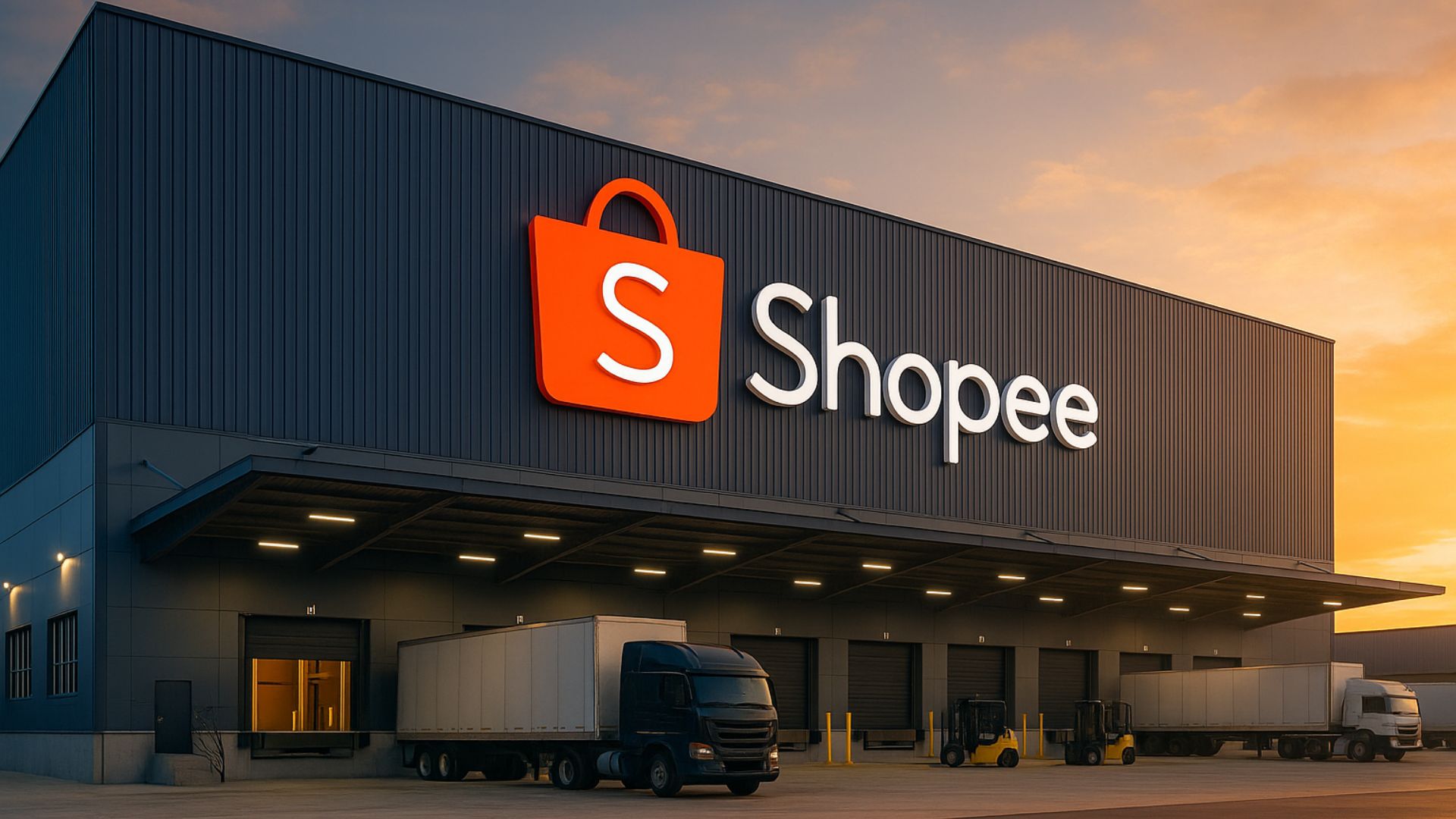
New Distribution Center in São Bernardo do Campo Expands Shopee Capacity, Reinforces Logistical Infrastructure, and Intensifies Competition in Brazilian E-Commerce, Which Already Moves Millions of Daily Orders Across the Country.
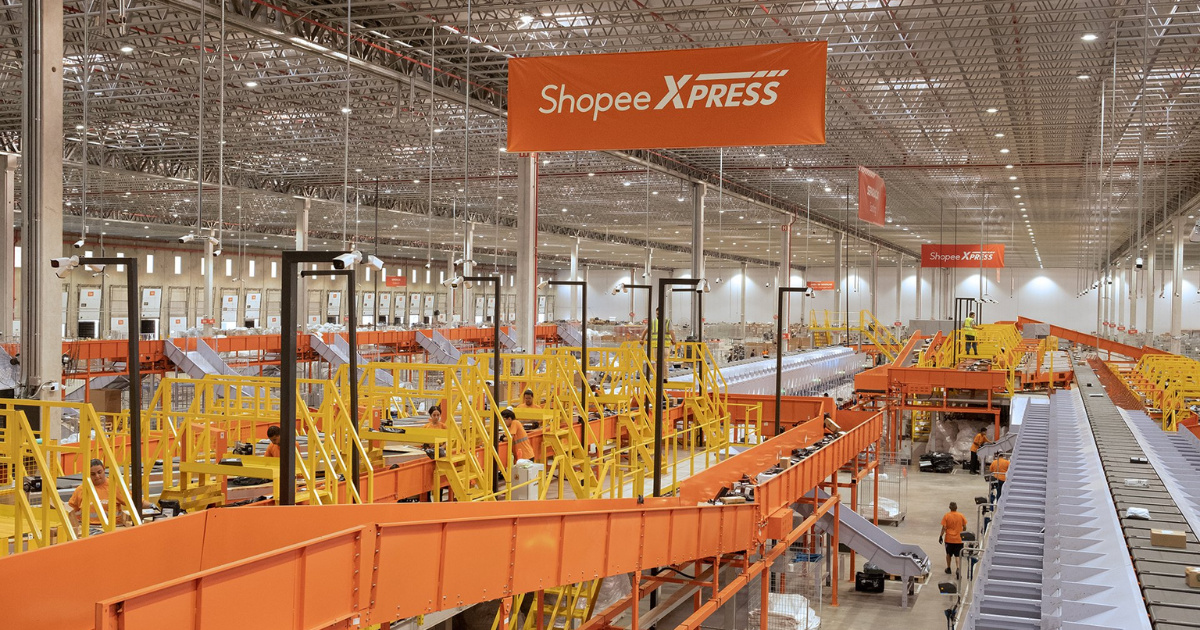
The Shopee inaugurated, on Monday, 6, a distribution center in São Bernardo do Campo (SP) with the largest automated product sorting system of the company in the country, capable of processing about 3.8 million orders per day.
With the opening, the Brazilian operation now adds up to 14 distribution centers and more than 1 million m² in logistical areas, consolidating the company as the second largest occupant of warehouses in Brazil and placing it ahead of Amazon in this indicator, according to the consultancy Newmark.
New Logistical Anchor in São Bernardo
Located in the ABC region of São Paulo, the new warehouse concentrates the largest sorter of Shopee in Brazil.
-
How investment in technology can revolutionize the national economy and enhance industrial gains, according to a study that highlights the direct impact on productivity, innovation, and wealth retention within Brazil.
-
The largest food company on the planet, JBS, has just opened a 4,000 square meter laboratory in Florianópolis to develop customized proteins that modulate muscle mass gain, immune response, and metabolic performance.

-
After nearly 30 bids and competition among industry giants, a Spanish company purchases one of the largest airports in Brazil for almost R$ 3 billion and takes over the management of Galeão in a concession that will last until 2039.

-
The Federal Revenue Service now automatically cross-references everything you declare with data from banks, credit cards, brokerage firms, and insurance companies, and any discrepancy between your income and your expenses triggers an alert in seconds.

The equipment automates the sorting of packages and accelerates dispatch to delivery hubs, reducing the time items spend in the warehouse and, consequently, the shipping time to the consumer.
The company did not disclose the total investment, but emphasized that expanding the network remains a priority to reduce costs and shorten deadlines.
Rafael Flores, Shopee’s Expansion Leader, stated that logistics has been a strategic pillar since the beginning of local operations.
“Logistics is one of Shopee’s main focuses, from expanding the network to optimizing processes,” he said.
He then reinforced the continuity of the plan: “We will continue expanding our logistical network to ensure faster deliveries.”
He did not detail how many new units will follow.
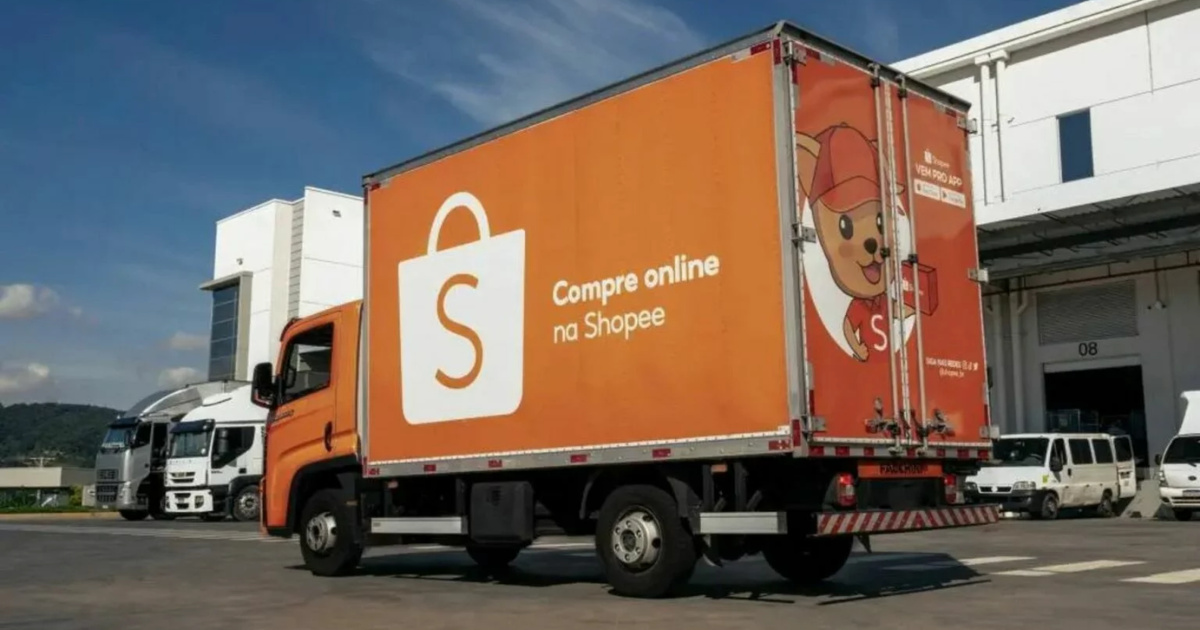
Strategy: More Capillarity to Reduce Deadlines and Costs
In e-commerce, the availability of distribution centers and support points is often critical for the efficiency of the last mile.
By bringing stocks and hubs closer to major consumer centers, the company shortens transport distances and gains predictability in the delivery flow.
This movement intensified the search for industrial and logistical properties in recent years, raising competition for areas with road access and labor.
Shopee currently operates with two complementary models.
The majority of the distribution centers — 12 units — operate under the cross-docking regime: goods arrive via logistics partners, are reorganized by destination, and quickly proceed to the last-mile hubs, without prolonged storage.
The other two units operate in fulfillment, a model in which products from selected sellers are stored at the center itself, and Shopee handles order preparation and shipping management after the sale on the app.
Network of Agencies Boosts Collection, Pickup, and Returns
In addition to the distribution centers, the company has structured a parallel network of 3,000 accredited establishments that function as agencies.
These points maintain their original activities — such as neighborhood stores or services — and additionally serve for collecting packages from sellers, pickups by consumers, and processing returns.
The combination of agencies with last-mile hubs aims to reduce movements, increase service windows, and alleviate bottlenecks during peak periods.
Market Position and Logistical Expansion
Launched in 2015 in Singapore and present in Brazil since 2020, Shopee has accelerated its occupancy of warehouses over the past five years, surpassing Amazon in the metric of leased area, according to Newmark.
The company has more than 1 million m² in logistical spaces in the country, a level that reinforces its ambition to increase market share through shorter and more predictable deadlines.
Rivalry with Mercado Livre and Amazon
The advancement of infrastructure occurs amid a tougher battle between the major players.
Mercado Livre expanded the offer of free shipping for purchases over R$ 19 — previously, the threshold was R$ 79.
In response, Amazon countered with fee waivers for sellers who adopt the fulfillment service, a measure seen by analysts as an aggressive incentive for the onboarding of retailers and adherence to platform-managed inventory.
Asked about the competitive escalation, Rafael Flores adopted a cautious tone.
For him, the intensification of commercial and logistical initiatives is “part of the natural dynamics of a growing market like Brazilian e-commerce.”
The executive stated that Shopee closely monitors sector movements but maintains the strategy of sustainable growth without commenting on specific tactical actions.
Offer to Consumer and Seller Base
The logistical expansion complements commercial initiatives focused on price and recurrence.
The company cites a mix of coupons, free shipping, and cashback to stimulate first purchases and reactivation.
In parallel, the catalog curation progresses with the inclusion of major brands in “official stores,” as well as support for small and medium retailers that make up the marketplace base.
According to Shopee, the platform connects more than 3 million Brazilian sellers and brings together about 1,000 partner brands in the dedicated section.
Delivery Timeframes and Reach of Fast Delivery
In the Greater São Paulo, the company reports that approximately 25% of orders were delivered by the next day and 40% within two days.
The data indicate operational gains on the routes of higher density and signal that the expansion of hubs and agencies contributes to the goal of reducing average delivery time.
The fast delivery modality has been expanded and is now available in more than 75 cities in the regions of São Paulo, Belo Horizonte, and Rio de Janeiro.
The company did not detail targets by area but indicates that the opening of the ABC DC should increase processing capacity and, consequently, the number of postcodes eligible for shorter timeframes.






-

Uma pessoa reagiu a isso.